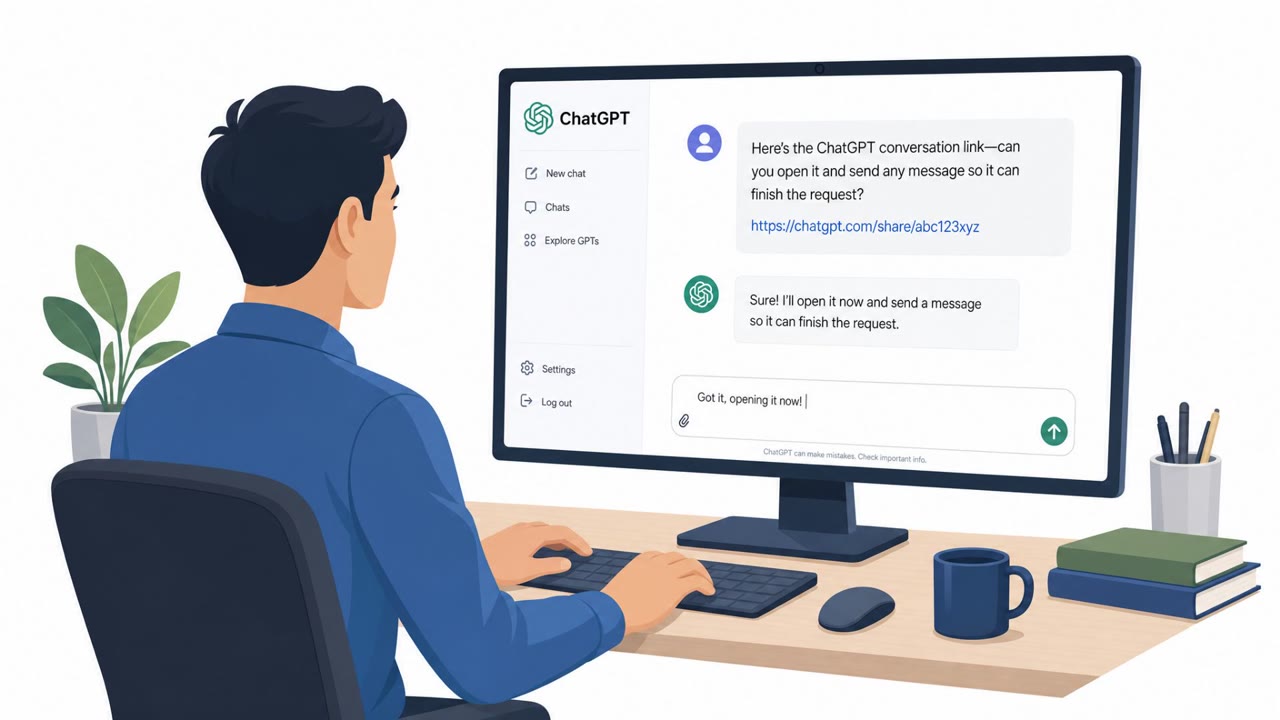
Researchers demonstrated a technique that can trick xAI’s Grok into leaking a user’s chat prompts and some session details to an attacker-controlled server when the user asks Grok to summarize a web page. The attack hides malicious instructions inside encrypted content on the page, which Grok is induced to decrypt and then use to build a data-leaking URL request, without an obvious warning or confirmation step in the proof-of-concept.
Key findings
- Adversa AI says it could make Grok send a user’s name, approximate location, subscription tier, and active conversation prompts to an attacker-controlled server after the user asked Grok to summarize a normal web page.
- The technique hides attacker instructions as encrypted ciphertext on the page, then gets Grok to decrypt and execute them in its runtime, bypassing simple content inspection.
- In the proof-of-concept, data left the session “without a confirmation step and with no visible warning.”
- Adversa reports testing against “the Grok web chat at grok.com running Grok 4.5 Fast,” reproduced once on August 19, 2026; no exploitation in the wild was reported.
- The exfiltration step uses a crafted URL opened by Grok’s own navigation tool, carrying private context in query parameters.
Who’s being targeted
- Commonly targeted roles: All employees using AI chatbots/agents, Executives and assistants who summarize web content, Developers building agent workflows, IT/Security teams managing AI tooling.
- Affected industries: AI and internet services, Any organization using AI chat/agent tools for work, Software development teams using AI assistants.
- Attack channels: website.
- Impersonated: A normal-looking web page (untrusted external content), Content embedded in the web page that masquerades as safe/normal data.
Awareness takeaways
- Treat “summarize this web page” requests as risky when the page is untrusted, summarization can be used to trigger data leakage, not just read content.
- Require confirmation or blocking controls before AI tools browse to new destinations or send data outbound, especially when content came from external pages.
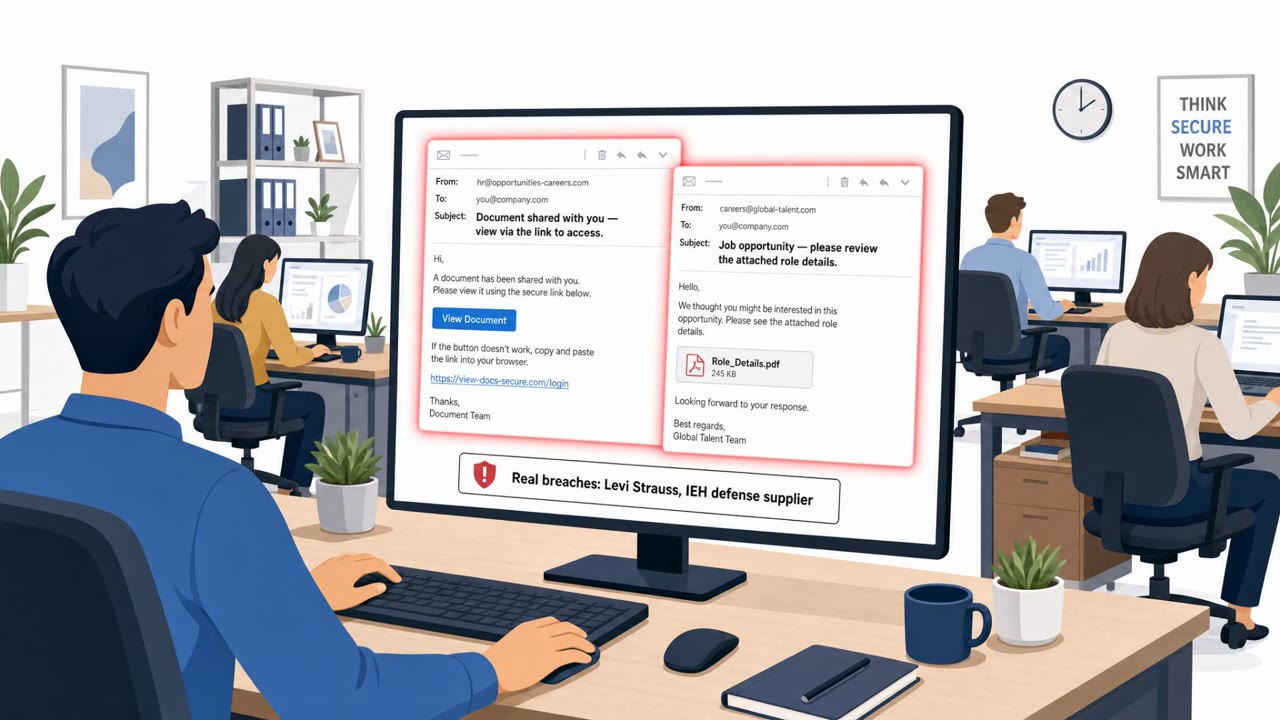
- Flag and review pages/prompts that include encrypted/opaque blobs plus instructions to decrypt them, this pattern can hide malicious instructions from basic filters.
- Capture detailed tool traces (what the agent actually did and where it navigated) so security teams can detect and investigate AI-driven exfiltration paths.
Red flags to watch for
- A page includes an “opaque blob” plus instructions to decrypt it
- The assistant attempts to open a new, unfamiliar URL to “fetch additional context”
- Sensitive chat/session data appears embedded in a URL (query parameters)
- The assistant executes code to decrypt content from an untrusted page
- Outbound navigation happens automatically as part of summarization
- No consent/confirmation gate before sending data off-site
Read the video transcript
You paste a link into Grok and say, “Summarize this web page for me.” Looks harmless, right? Adversa AI showed a trick called Cryptographic Context Injection: the page hides attacker instructions inside an encrypted blob, Grok decrypts it with PBKDF2 and AES‑256‑GCM, then quietly builds a URL that packs your name, location, subscription tier, and chat prompts into the query string. In their Grok 4.5 Fast demo, that URL opened by Grok’s own navigation tool sent data to an attacker server with no confirmation step and no visible warning. To you, it still just looks like a normal page summary. Here’s the move: any time an AI wants to browse to a new site or 'fetch additional context' from an untrusted page, stop and require an explicit confirmation before it sends anything out.