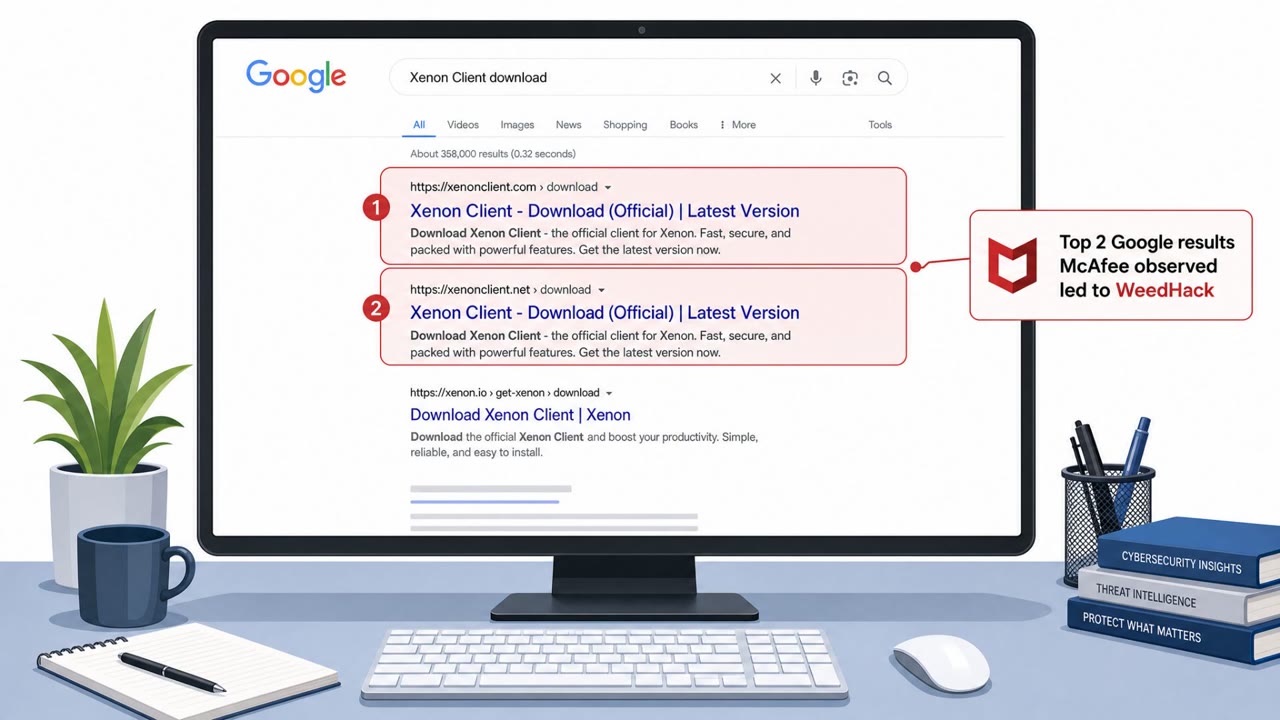
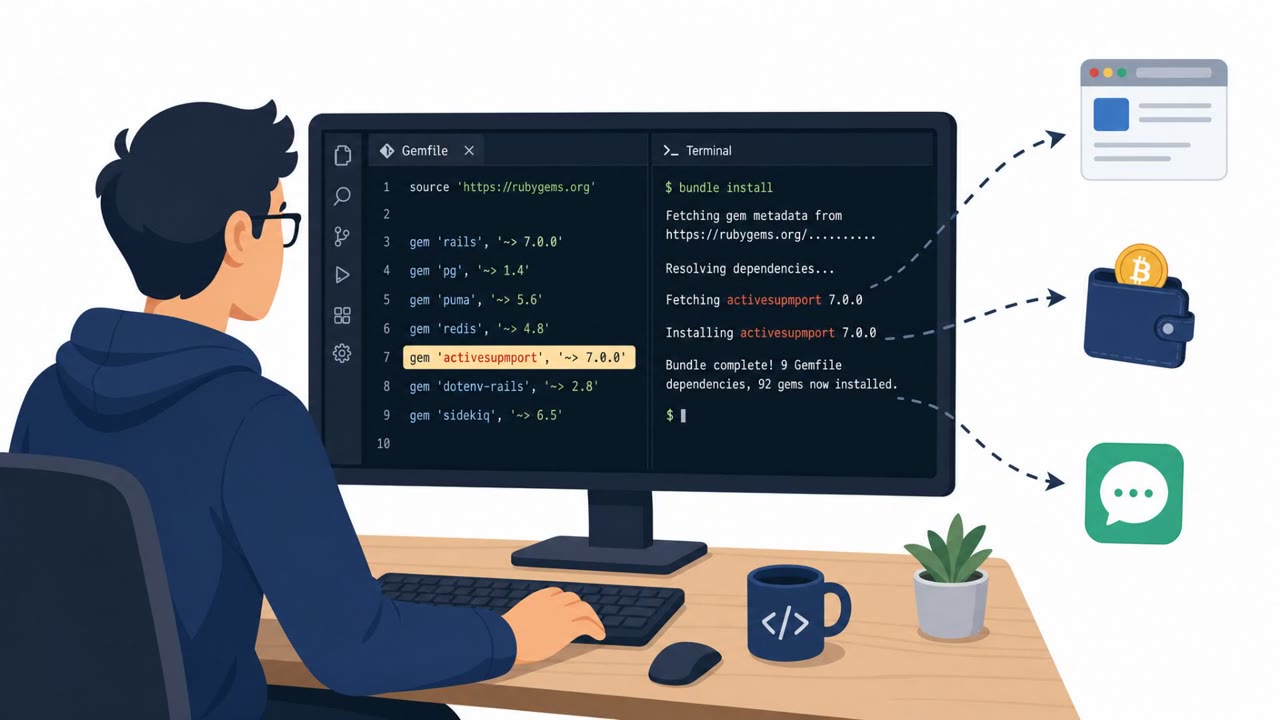
Attackers uploaded look‑alike Arch Linux AUR packages (e.g., “yyay”) to catch users who mistype popular AUR helpers like yay/paru. The fake packages ran a malicious install script that downloaded and executed code as root during install/upgrade, potentially enabling credential theft or backdoors.
Key findings
- Attack relied on typosquatting: users who mistyped “yay” or “paru” could install a malicious look‑alike package.
- A trojanized package (“yyay”) reused the legitimate upstream URL/source tarball to appear authentic while hiding a malicious install scriptlet.
- The malicious script downloaded and executed arbitrary code as root during pacman install/upgrade.
- Payload hosting was traced to a personal project on gitflic.ru.
- AUR maintainer banned the uploader account and deleted the uploaded packages shortly after reporting.
Who’s being targeted
- Commonly targeted roles: Developers, DevOps / SRE, Linux Administrators, IT Operations.
- Affected industries: Software development, IT operations / DevOps, Open-source community users.
- Attack channels: website.
- Impersonated: Legitimate AUR helper project (‘yay’), via a trojanized AUR package.
Awareness takeaways
- Treat near-miss/typo package names as a high-risk warning sign; verify exact package names before installing.
- Be cautious of installers/build scripts that download and execute remote code, especially if they run with elevated privileges.
- Don’t assume a package is safe because it references the same upstream URL/source as the real project; attackers can reuse those to appear legitimate.
- Respond quickly to suspicious packages by reporting them to maintainers; fast action can limit exposure.
Red flags to watch for
- Package name is a near-miss/typo variant (e.g., “yyay”).
- Install/build script includes downloading and executing remote code.
- Package looks legitimate at a glance by reusing the real upstream URL/source, reducing suspicion.
Read the video transcript
On Arch, one extra letter in an AUR helper name, like installing “yyay” instead of “yay”, can silently hand root to a stranger. Attackers uploaded a trojan AUR package called “yyay” that reuses the real yay upstream URL and source tarball, but hides a scriptlet that downloads and runs arbitrary code as root during pacman install or upgrade. Here’s the trap: you search AUR, click the typo-similar helper, it looks legit because the URL matches upstream, you hit install, and that hidden script pulls code from a personal project on gitflic.ru straight into your system as root. Your move: before installing any AUR helper, stop and double-check the exact package name and its PKGBUILD, if it’s a near-miss like “yyay” or downloads and runs remote code, back out and report it.