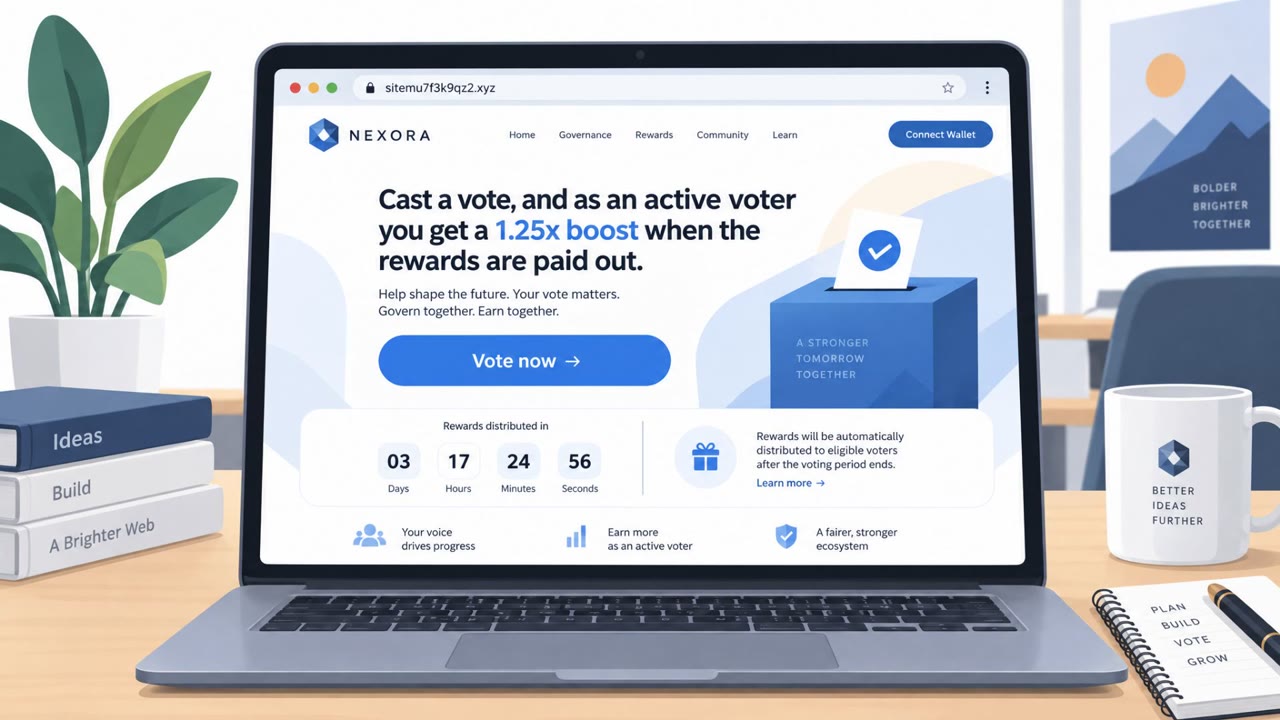
Researchers found more than 800 “phantom” online banking sites built from a cheap, reused website template and designed to look like legitimate financial institutions. These portals appear to support scams where a fraudster (e.g., a “broker” or “loan agent”) directs victims to log in, register, and share sensitive data in a convincing fake banking interface. One site’s sloppy copy-paste error revealed a separate domain where registration data would be sent.
How the attack worked
Researchers identified roughly 2,200 domains sharing the phrase "one of the largest digital banking providers," with 838 still displaying that phrase and functioning. Most of these sites, 97 percent, retained parts of a $25 banking and currency-exchange website template, and 94 percent used the same backend components for login, registration, and session handling. This let fraud operators stand up hundreds of near-identical fake bank portals cheaply and quickly.
The scam pattern behind these sites follows a familiar structure. A broker, romantic contact, loan agent, recovery service, or supposed delivery representative introduces a victim to an unfamiliar financial institution. The phantom portal then gives that fabricated story a persistent interface for accounts, balances, investment gains, transfers, holds, and withdrawal problems, making the scam feel more real and giving the victim a reason to keep engaging.
Why it succeeded
The sites relied on what researchers called legitimacy stacking: dashboards, product pages, corporate details, and support contacts layered together to make an invented institution appear credible. Most sites went further than a static landing page, with 770 including login pages, 767 setting session cookies, and 729 including anti-forgery tokens, all signs the operators intended to actually collect and retain submitted data rather than just display a convincing front.
One site, branded as Classtands Crest, made a copy-paste error that exposed how these operations connect. Its account-creation page was still titled "Create an Account- Remedy bank" in the source code, and the registration form was set to send submitted data to a separate domain, remedycodes[.]site, tying multiple suspected-fraud sites together.
What to watch for
- An unfamiliar financial institution introduced by a third party, such as a broker, romantic contact, loan agent, recovery service, or delivery representative
- Typos or template artifacts left over from mass-produced site builders
- Page titles or branding that reference a different bank than the one displayed
- Registration or login forms that submit data to a domain unrelated to the site's apparent brand
How to build resistance
Treat any request to register or log into an unfamiliar bank portal, especially one introduced by a third party, as a major warning sign, and verify the institution independently before entering any information. Encourage finance, support, and fraud teams to look for inconsistencies like mismatched branding and low-quality template errors, and to correlate multiple signals, such as shared code, matching cookies, and where forms actually send data, rather than relying on any single indicator when investigating a suspected fake banking site.
Key findings
- Researchers identified ~2,200 domains sharing the phrase “one of the largest digital banking providers,” with 1,095 returning a working page and 838 still containing the phrase.
- 810 of 838 sites (97%) retained parts of a $25 “Cuex” banking/currency-exchange website template; 94% used Laravel components for login/registration/session handling.
- These sites used “legitimacy stacking” (dashboards, products, corporate details, support contacts) to make an invented institution look credible.
- Most sites presented login/registration flows: 770 had login pages, 767 set session cookies, and 729 included anti-forgery tokens, suggesting intent to collect and hold user data.
- A specific site (Classtands Crest) exposed that its registration form would send submitted data to another domain (remedycodes[.]site), tying multiple suspected-fraud sites together.
Who’s being targeted
- Commonly targeted roles: Finance teams, Customer support / client-facing staff, Fraud and risk teams, Employees who handle payments or customer onboarding.
- Affected industries: Finance and banking, Financial services.
- Attack channels: website.
- Impersonated: An invented digital bank / financial institution, Classtands Crest / “Remedy bank” (leftover branding in code).
Red flags to watch for
- Unfamiliar financial institution introduced by a third party (broker/loan agent/delivery/recovery contact)
- Copy/paste mistakes and template artifacts (e.g., “Curreny Charts” typo)
- Registration form sends data to a different domain than the site’s brand
- Page title references a different bank name (“Remedy bank”)
- Form destination points to an unrelated external domain (remedycodes[.]site)
- Brand/domain mismatch (domain resembles one brand but shows an unrelated bank)
Frequently asked questions
What are phantom bank websites?
They are fake online banking portals, over 800 identified in this research, built from a cheap reused website template to look like legitimate financial institutions and collect user data.
How were these fake bank sites discovered?
Researchers found around 2,200 domains sharing a specific phrase, one of the largest digital banking providers, and traced hundreds of active sites still containing template artifacts and login flows.
How do scammers use these fake portals?
A broker, romantic contact, loan agent, recovery service, or delivery representative introduces a victim to an unfamiliar financial institution, then directs them to log in or register on the fake portal to reinforce the scam story.
What red flags can help identify these sites?
Watch for typos like the misspelled heading, mismatched page titles or branding, registration forms that submit data to unrelated domains, and unfamiliar banks introduced by third parties.
Read the video transcript
Imagine a broker sends you a link to “one of the largest digital banking providers” you’ve never heard of. Researchers found over 800 of these phantom banks, all built from the same $25 “Cuex” template, stacked with fake dashboards, balances, and support pages to make invented banks look real. Here’s the giveaway: one site called Classtands Crest still showed a page title “Create an Account- Remedy bank,” and its registration form quietly sent your details to another domain, remedycodes[.]site. If any third party sends you to an unfamiliar bank portal, stop. Don’t register or log in until you independently verify the bank using your own search and known-good contact details.