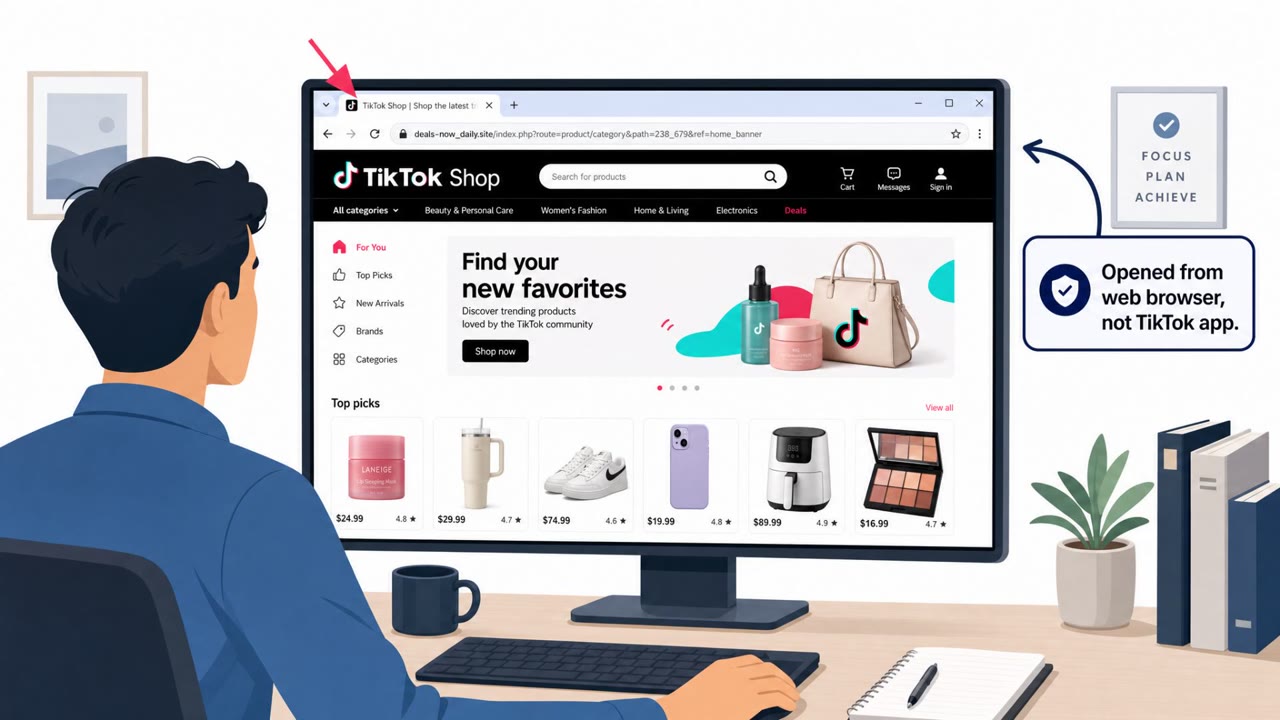
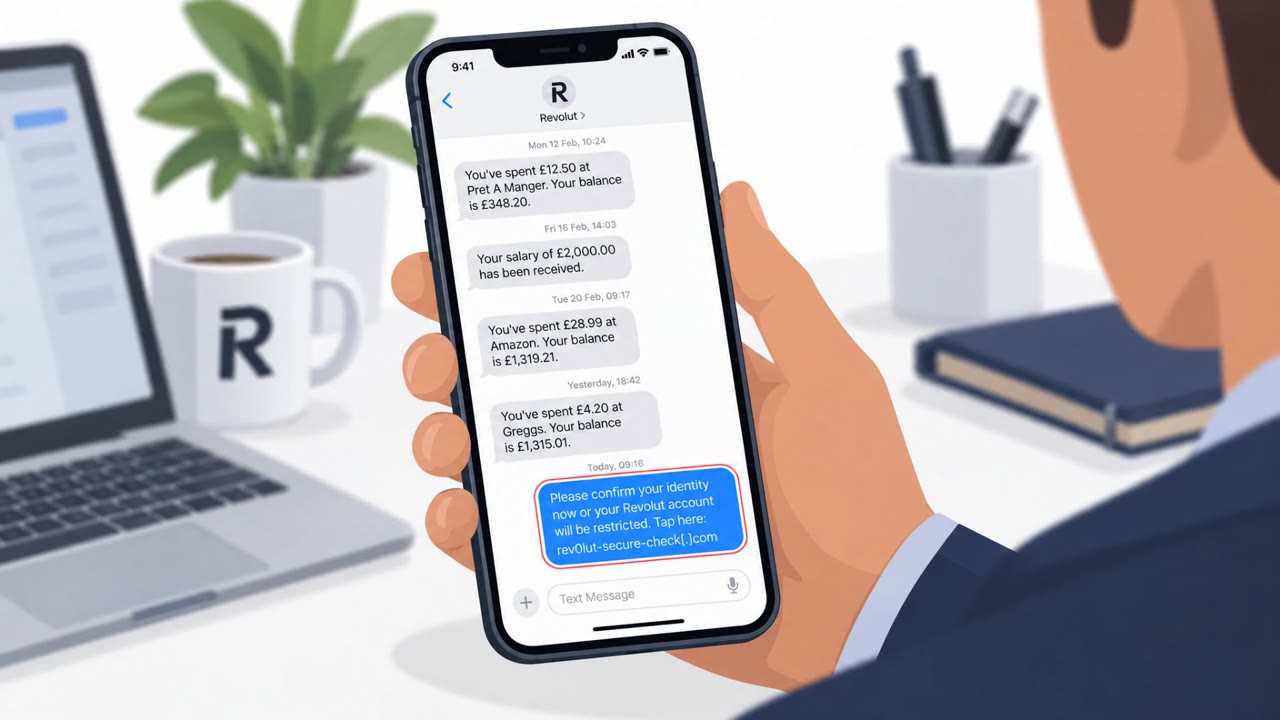
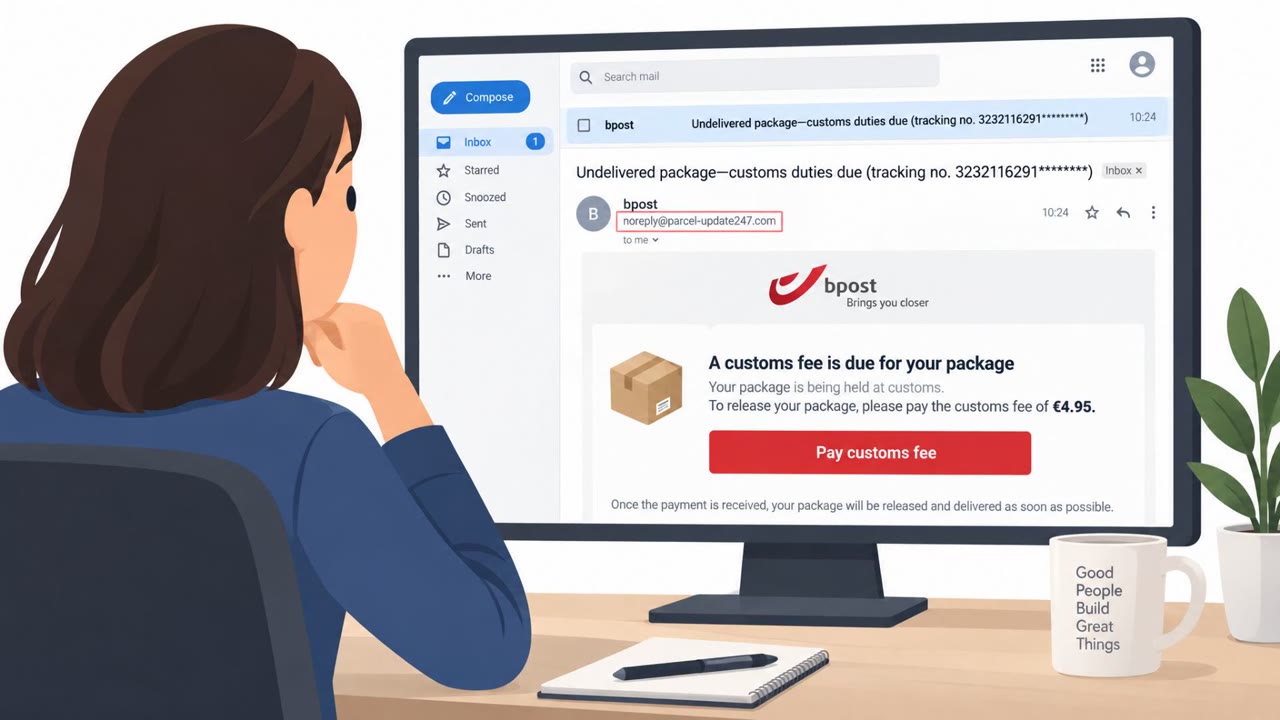
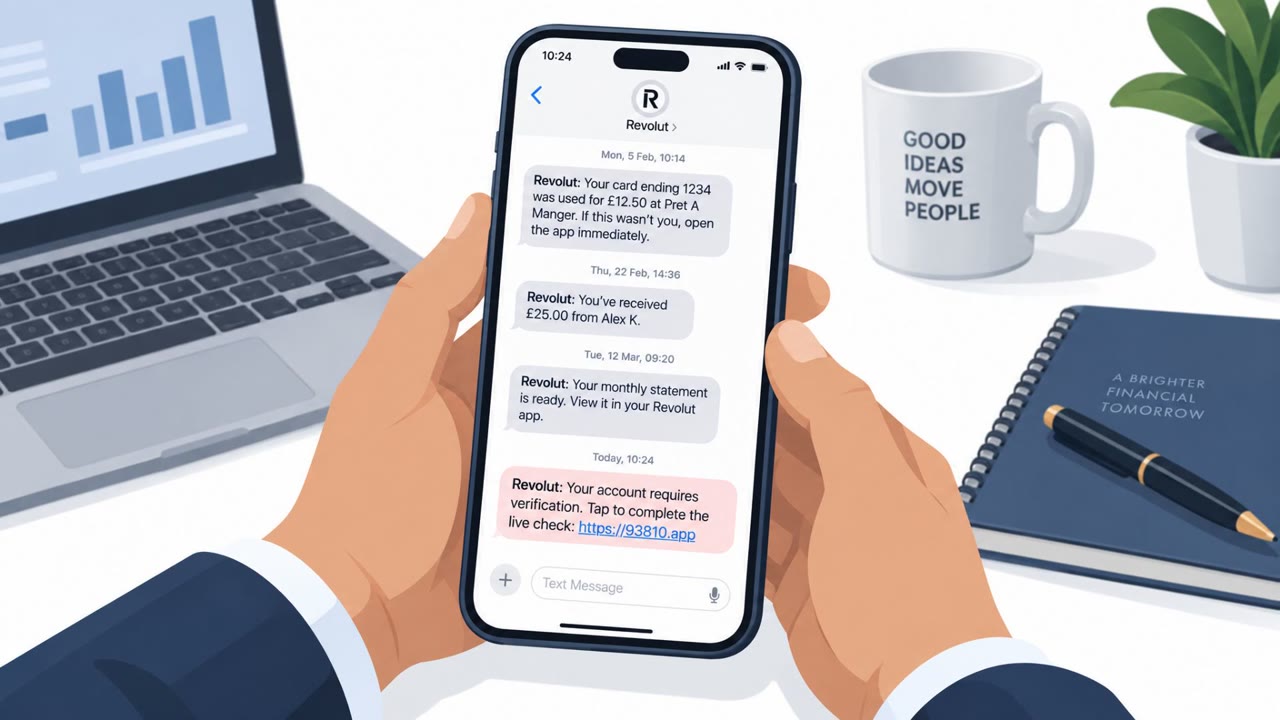
Scammers are using fake webpages that appear in search results for “TikTok” plus adult terms, promising “exclusive” explicit videos. Instead of any real content, the pages push visitors into an ad/affiliate funnel that collects emails, payment cards for fake “age verification,” or tricks people into installing apps outside official stores.
Key findings
- Scam pages exploit TikTok’s name to attract search traffic for adult-content queries, but are not connected to TikTok.
- The lure is a fake promise of “an endless feed of explicit clips, no signup required,” using blurred thumbnails and “18+ only” labels.
- Victims are funneled into redirects/ads, asked for an email, asked for a payment card for fake “age verification,” or prompted to install apps from outside official app stores.
- “Age verification” payment-card collection can lead to recurring subscription charges.
- Embarrassment reduces reporting and makes the lure more effective.
Who’s being targeted
- Commonly targeted roles: All employees, Finance (corporate card holders), Mobile device users.
- Affected industries: Consumers / General public.
- Attack channels: website.
- Impersonated: A fake “TikTok adult content” site (not actually TikTok), An “age verification” page for adult content access, A “video player” or “content access” app promoted by the lure page.
Awareness takeaways
- Treat “exclusive content” search-result pages as high-risk; close the tab instead of clicking through.
- Never enter your email or other personal details just to access content, assume it will be used for spam/phishing.
- Do not provide payment card details for “age verification,” especially when it’s just a gate to a promised video.
- Only install apps from official app stores and be suspicious of sites that push downloads to view content.
Red flags to watch for
- Promises explicit/“exclusive” content with a blurred thumbnail and repeated gating clicks
- Pushes you to sign up even though it claims “no signup required”
- Redirects through ad networks instead of showing content
- Requests payment card details for simple age verification
- Fine print/quiet enrollment into recurring subscriptions
- Content never appears; the process is all gating and data collection
- Software offered outside official app stores
- Content is always “one click away,” but never delivered
- Unclear publisher/permissions and aggressive prompts to install
Read the video transcript
You search “TikTok” plus an adult term, tap a result, and it promises an endless feed of explicit clips, no signup required. But on the other side of that click is an ad funnel dressed up as exclusive content: a fake TikTok-style page with a blurred thumbnail, big 18+ label, and buttons saying Start watching or Sign up for free. Click again and you’re bounced through ads, then hit with an “age verification” page asking for your email and a payment card to prove you’re over 18, fine print hides recurring subscription charges, and the video never actually appears. Here’s the move: if a “TikTok adult” page wants your email, card, or an app download just to start watching, don’t argue with it, close the tab and walk away.