AI Bank Calls Enabled $425K NFC ATM Theft

Security Week Feed · High sophistication
Last updated October 26, 2026

Dutch police arrested two suspects accused of using AI-generated bank fraud calls to steal more than €380,000 from 170 victims. The callers falsely warned of suspicious account activity, then posed as bank employees and persuaded victims to download an app and tap their debit card to their phone, enabling cash withdrawals.

Key findings

  • AI-generated audio claimed there was suspicious activity on a victim's bank account.
  • Victims were instructed to press '1' if they did not recognize the activity, then were placed on hold.
  • A live caller impersonated a bank employee, said the debit card was blocked, and requested that the victim download an application and scan the card against the phone.
  • The app captured NFC chip data from the debit card and relayed it to an accomplice waiting at an ATM.
  • The alleged scheme stole over €380,000 (about $425,600) from 170 victims.

Who’s being targeted

  • Commonly targeted roles: All employees, Finance and accounting staff, Employees with corporate payment cards, Customer-facing financial-services staff.
  • Affected industries: Banking and financial services, Consumers and retail banking customers.
  • Attack channels: vishing.
  • Impersonated: Victim's bank and a bank employee.

Awareness takeaways

  • Do not install an app or scan/tap your payment card because of an unexpected phone call; end the call and contact the bank using the number on the card or its official app.
  • Treat urgent automated fraud alerts as unverified until you independently contact the bank; pressing a keypad option can route you directly to a scammer.
  • Warn employees that convincing or AI-generated audio is not proof that a caller is legitimate; use trusted, independent verification for account-security requests.

Red flags to watch for

  • An unsolicited caller asks the recipient to install an application.
  • The caller asks the recipient to tap or scan a payment card against a phone.
  • The initial automated alert creates urgency and routes the recipient to an unverified person.
Try Mirage

Mirage safely runs attacks like this one against your own team, so you find out what happens before a real adversary does.

Get a demo
Read the video transcript

Your bank calls: ‘Suspicious activity. Press one if it wasn’t you.’ That voice may be AI-generated. You press one, wait on hold, then a supposed bank employee says your debit card is blocked. They ask you to install an app and tap your card against your phone. Aha: that tap sends card data to an ATM for cash withdrawals. This scheme took over €380,000 from 170 people. Hang up and call the number on your card.

Similar attacks

Singapore Runs AI Scam Call “Fire Drills”

Singapore Runs AI Scam Call “Fire Drills”

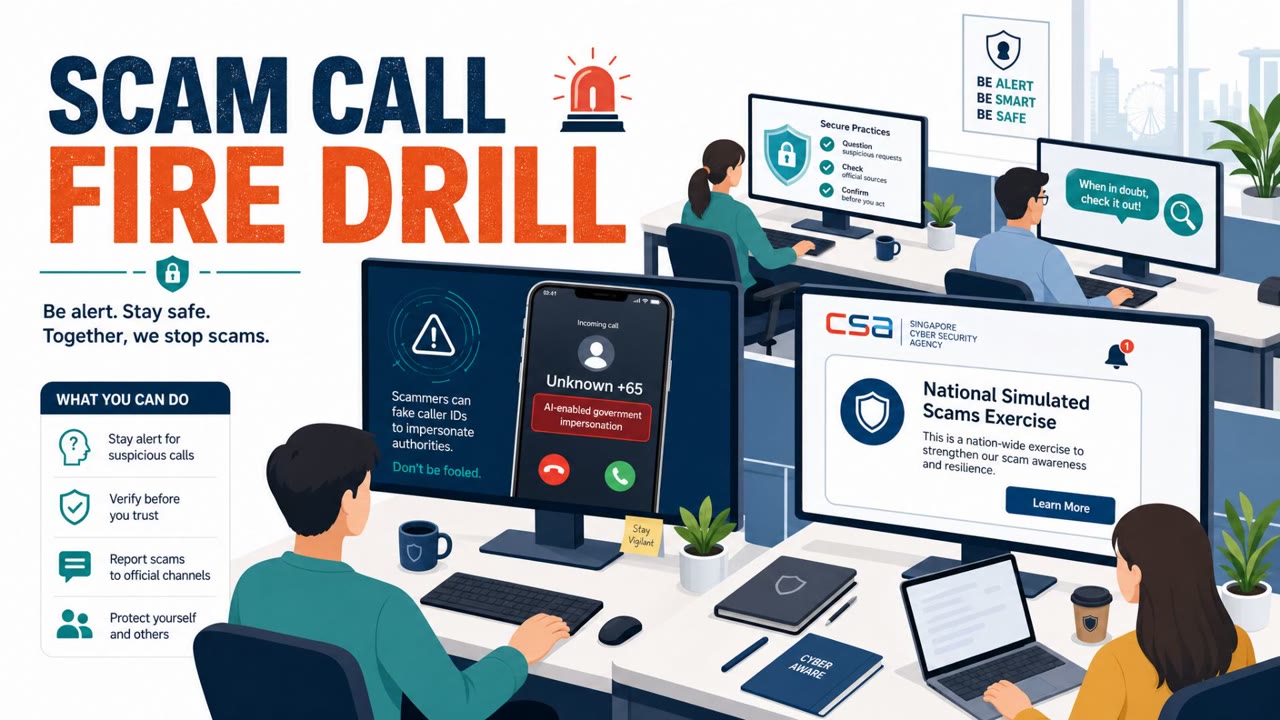
Singapore’s Cyber Security Agency is running a national exercise where volunteers receive simulated robocalls that mimic government impersonation scams, including AI-enabled calls. The article also points to real-world cases where criminals impersonated company executives on WhatsApp and even used…

August 15, 2026

Chinese National Extradited in $37M Crypto Scam

Chinese National Extradited in $37M Crypto Scam

U.S. authorities allege that Zheng Zhao and co-conspirators used relationship-building scams to persuade at least 174 Americans to invest in fake cryptocurrency platforms. The group contacted victims through social media, dating sites, calls, and text messages, then showed false investment growth…

October 26, 2026
AI Impersonators Trick Bank Into $108M Transfers

AI Impersonators Trick Bank Into $108M Transfers

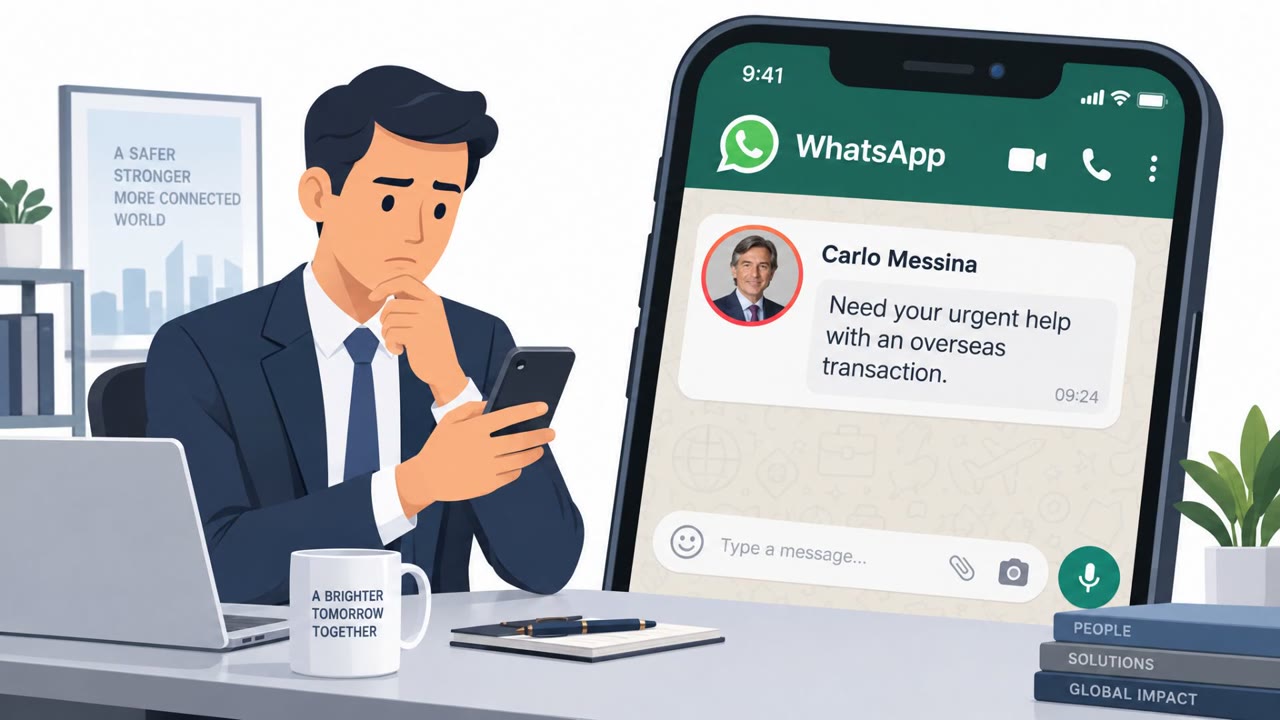
Fraudsters impersonated senior leaders at Intesa Sanpaolo using WhatsApp and an AI-cloned voice call to convince Fideuram’s chair to authorize urgent overseas transfers. The finance team then sent multiple payments to foreign accounts (mainly China and Hong Kong), and only part of the money has…

October 15, 2026
AI Voice + WhatsApp Scam Drains €95M Bank

AI Voice + WhatsApp Scam Drains €95M Bank

Scammers impersonated Intesa Sanpaolo’s CEO via a fake WhatsApp message and then used an AI-cloned voice posing as a law-firm partner to pressure Fideuram’s chairman into approving an overseas transfer. The bank sent €95 million to foreign accounts (including China and Hong Kong) before detecting…

September 28, 2026
Fake Google Support Bait Led to $245M Crypto Theft

Fake Google Support Bait Led to $245M Crypto Theft

A Singaporean man, Malone Lam (aliases including “Anne Hathaway”), pleaded guilty to leading a group that stole over $245 million in cryptocurrency from U.S. victims. The group used social engineering, such as posing as Google Support and using spoofed phone numbers, to trick victims into handing…

September 10, 2026
Tesla ‘Crypto Presale’ Kit Fuels New Scam Wave

Tesla ‘Crypto Presale’ Kit Fuels New Scam Wave

The article describes real-world social engineering aimed at both consumers and financial firms, including phone-based attacks on hedge funds and a turnkey scam kit that impersonates Tesla to steal cryptocurrency. The kit uses a professional-looking fake presale website with urgency tactics…

August 12, 2026