Proofpoint reports that multiple espionage-focused groups are using a shared “BlueMoon” toolkit to run targeted spear‑phishing campaigns that trick people into clicking a link. A single click can trigger a Chrome/Windows exploit chain that gives attackers full Windows admin access and lets them install malware, especially during the gap between upstream Chromium fixes and shipped Chrome patches.
How the Attack Worked
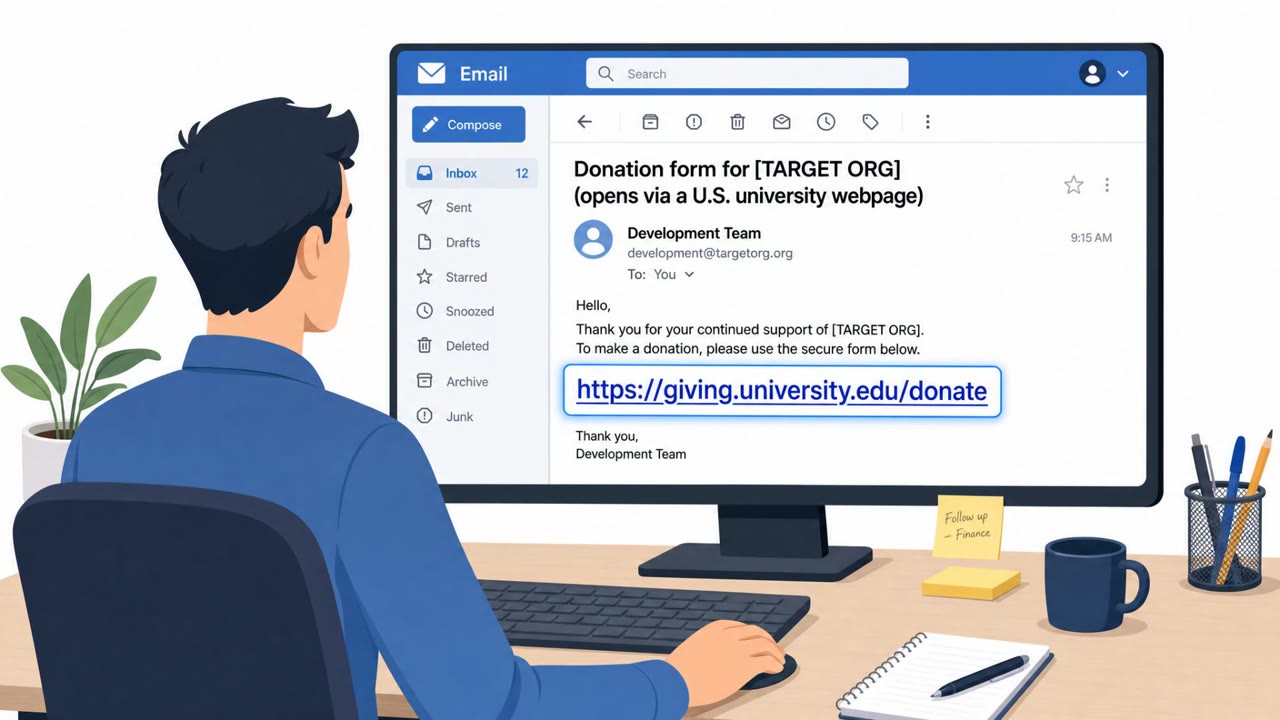
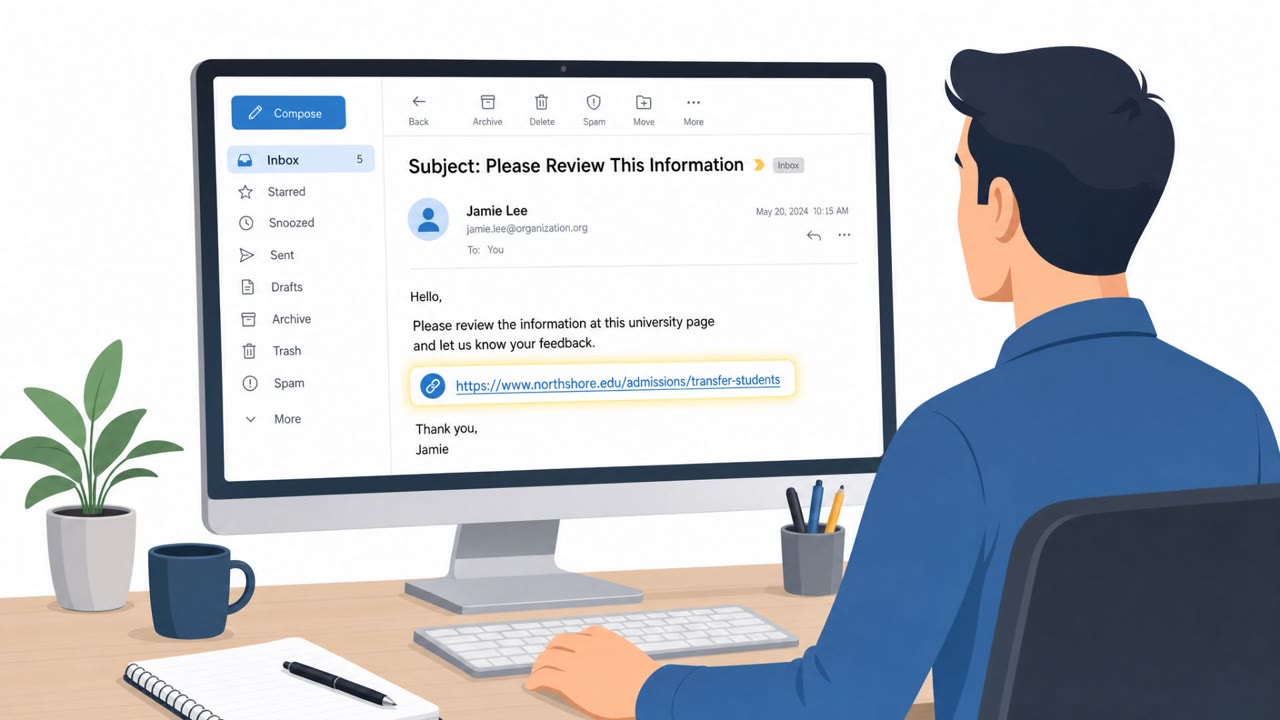
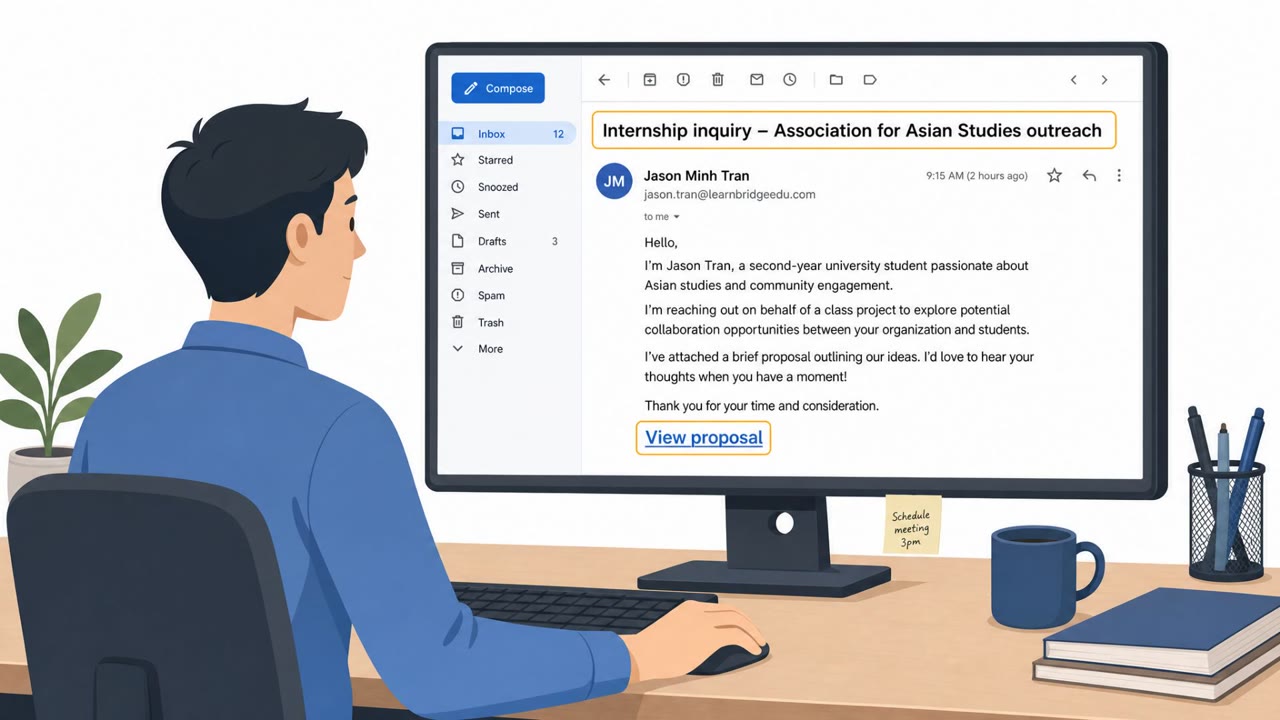
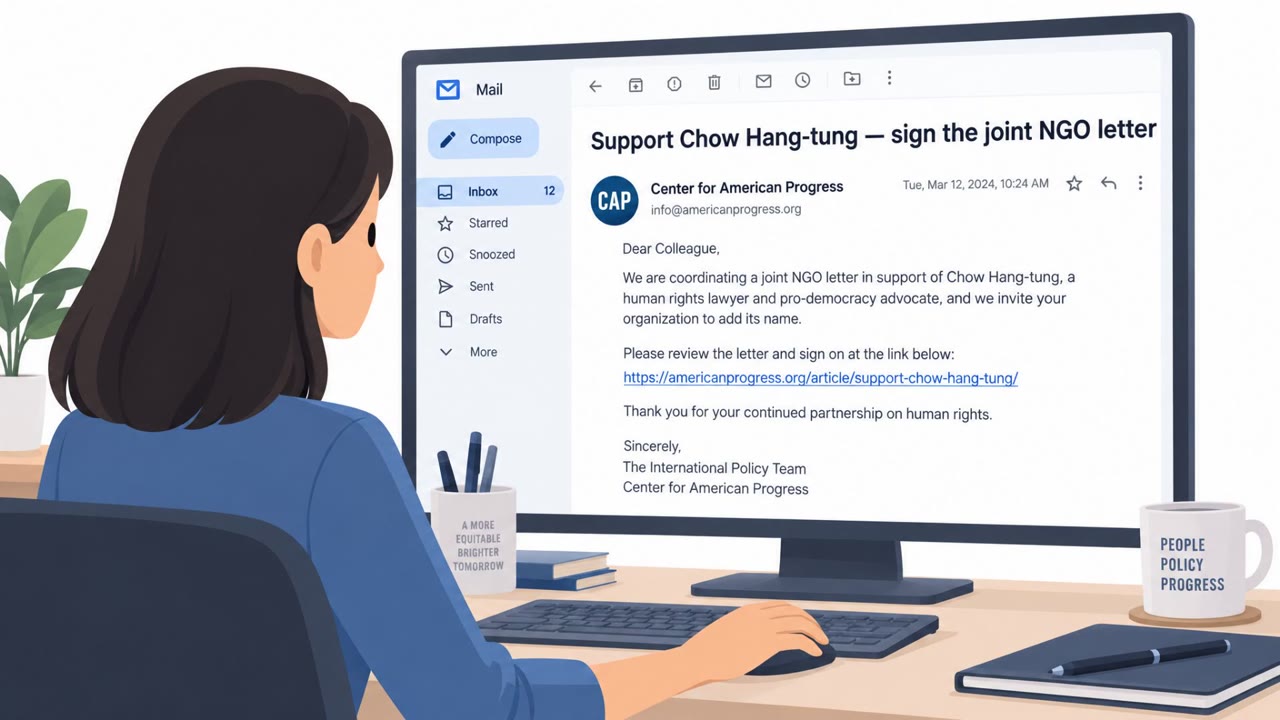
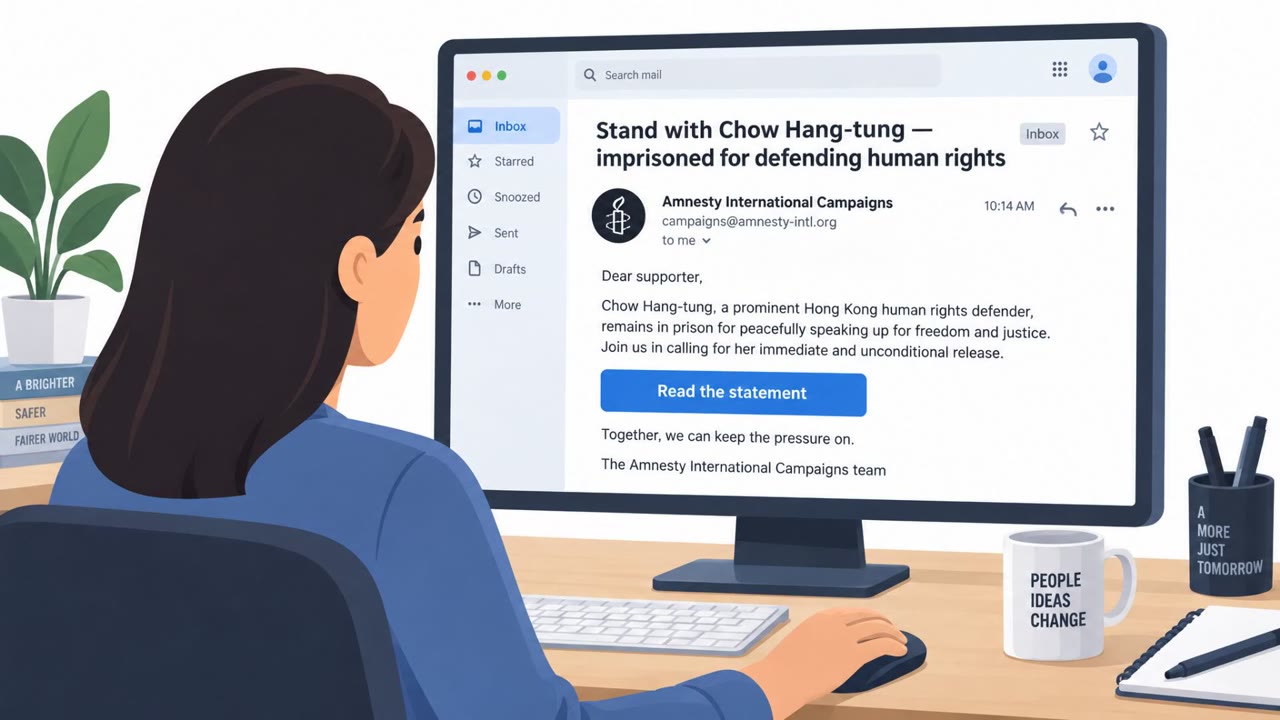
Proofpoint reports that multiple espionage-motivated groups shared a toolkit called BlueMoon to run targeted spear-phishing campaigns. The lures varied: some posed as university students asking about internships, others referenced upcoming conferences, and some relied on target-specific rapport-building exchanges that unfolded over several messages before a link was introduced. In each case, the goal was the same: get the recipient to click a link that led to an actor-controlled domain. Once clicked, victims saw a loading page for several seconds while the threat actor attempted an exploit, then were redirected to legitimate sites such as GitHub. A successful chain could grant full Windows admin privileges from a single click, enabling malware installation.
Why It Succeeded
The campaigns worked because they combined believable, low-pressure social engineering with a technical exploit that most users would never notice. Lures like internship inquiries or conference outreach feel routine and non-threatening, especially for NGO staff, recruiting and HR contacts, and executive assistants who regularly field external emails. The rapport-building approach lowered suspicion further by establishing a back-and-forth exchange before ever asking the target to click anything. On the technical side, the exploit chain took advantage of the gap between when a Chromium fix is available upstream and when it actually ships in a stable Chrome release, a window during which vulnerable systems remain exposed even to defenders who patch regularly.
What to Watch For
- Unsolicited emails about internships, conferences, or professional opportunities that quickly steer toward a link
- Rapport-building message threads that shift from casual conversation to "please click this link"
- A brief loading delay or odd browser behavior immediately after clicking a link, before landing on a familiar site
- Being redirected to a legitimate destination like GitHub, which does not confirm the link itself was safe
Building Resistance
Organizations in NGO, mining, and commodity trading sectors, along with recruiting, HR, and executive-support roles, should treat unexpected internship or conference-related outreach as a potential spear-phishing vector and verify senders through a separate channel before clicking. Because attackers are exploiting the patch gap between upstream Chromium fixes and shipped Chrome updates, IT and endpoint teams should prioritize fast patch deployment, since each day of delay carries more risk. Patching alone will not undo prior compromise, so teams should also hunt for persistence artifacts such as unfamiliar Chrome extensions, scheduled tasks, or registry keys that BlueMoon-related activity may have installed. This maps to techniques including T1566.002 for spearphishing links, T1204.001 for user execution via a malicious link, and T1656 for impersonation.
Key findings
- Proofpoint says espionage-motivated actors are using BlueMoon to run targeted spear-phishing that leads victims to click a phishing link.
- The chain can result in “full Windows admin privileges in one click” on vulnerable systems, enabling malware installation.
- Attackers used multiple lures (internship inquiries, conference outreach, rapport-building exchanges) and then redirected victims to legitimate sites (e.g., GitHub) after attempting exploitation.
- BlueMoon spread quickly across multiple suspected China-nexus clusters, suggesting reusable infrastructure shared among groups.
- The risk is amplified by “patch gap” timing where Chromium fixes exist upstream but stable Chrome releases are not yet patched.
Who’s being targeted
- Commonly targeted roles: All employees (phishing awareness), NGO staff, Recruiting/HR, Executive assistants, Mining and commodity trading personnel, IT/Endpoint management (patching teams).
- Affected industries: Non-governmental organizations (NGOs), Mining, Physical commodity trading.
- Attack channels: email, website.
- Impersonated: University student (internship applicant), Conference organizer or participant, A relevant professional contact (tailored to the target).
Red flags to watch for
- Unexpected external sender pushing a link early in the conversation
- Rapport-building messages that shift to ‘please click this link’
- Link destination is not a known, trusted organization domain
- Conference invitation with vague details but an urgent link
- Unverified event/contact that quickly directs you to click
- Browser briefly shows odd behavior (e.g., loading page) before redirect
- Overly personalized messages designed to build trust before sharing a link
- Link is introduced as ‘part of the conversation’ rather than a verifiable business process
- Being redirected to a legitimate site after clicking doesn’t mean the link was safe
Frequently asked questions
What is the BlueMoon toolkit?
BlueMoon is a shared toolkit used by multiple espionage-motivated threat actors to run targeted spear-phishing campaigns that trick victims into clicking a malicious link, which can trigger an exploit chain granting full Windows admin privileges.
What lures did attackers use in the BlueMoon campaigns?
Attackers posed as university students seeking internships, referenced upcoming conferences, and built target-specific rapport over email before introducing a link for the victim to click.
Why is the Chrome patch gap dangerous?
The exploit chain relies on 'patch-gap' zero-days, meaning a fix exists upstream in Chromium before it ships in a stable Chrome release, giving attackers a window to exploit unpatched systems.
Does landing on a legitimate site after clicking mean the link was safe?
No. Victims were shown a loading page while an exploit attempt occurred, then redirected to legitimate sites like GitHub, so a safe-looking destination does not confirm the link was harmless.
Read the video transcript
Imagine an email about an internship or conference where one click quietly gives someone full Windows admin on your laptop. That’s BlueMoon. Proofpoint saw espionage groups send friendly internship and conference emails, push you to a link, hit a Chrome and Windows exploit chain, then redirect you to a legit site like GitHub so it just looks like a normal click. Here’s the catch: by the time Chrome ships a patch, BlueMoon is already abusing the gap. One click on that unknown internship or conference link, a weird few seconds of loading, and they can drop malware with full admin rights. Your move: if you get an unexpected internship or conference email with a link, don’t click it, forward it to security and ask them to verify before you open anything.