Russian authorities claim Ukrainian intelligence used Telegram, including a Tinder-like dating bot, to recruit Russians (including teenagers) for sabotage and arson inside Russia. The alleged approach involved operatives posing as young women online, building relationships, and then persuading or coercing targets to carry out attacks.
How the Alleged Recruitment Worked
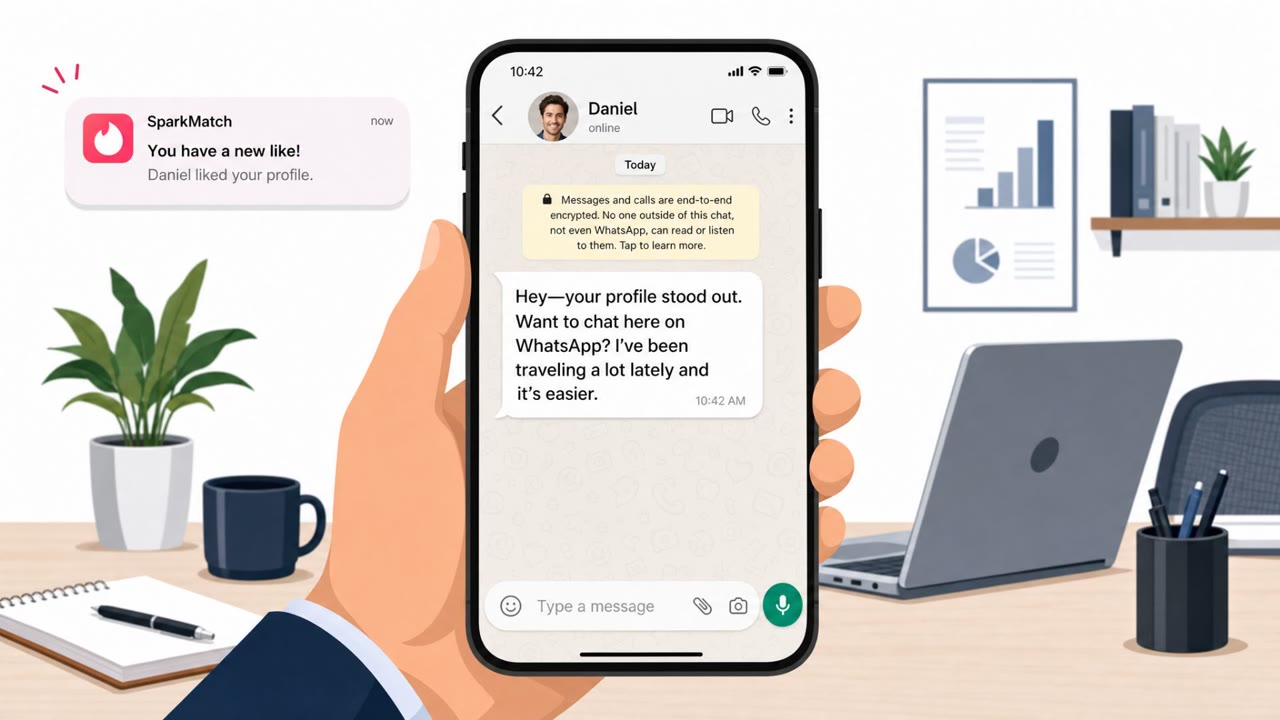
According to Russian authorities, this case centers on a Telegram dating bot called Daivinchik. Operatives allegedly posed as young women online, using the bot to strike up conversations and build relationships with targets over time. Once trust was established, the FSB claims these operatives persuaded or coerced targets into carrying out real-world tasks, escalating from casual chat to instructions for sabotage and arson, including setting fire to gas stations.
This pattern reflects a classic social engineering arc: a friendly, low-stakes opening followed by gradual escalation toward a harmful ask. The channel (a dating/chat bot) and the pretext (a peer or romantic interest) were chosen specifically because they lower a target's guard.
Why This Approach Succeeded
Several factors made this kind of manipulation effective, based on the reporting:
- The pretext relied on relationship-building rather than a single urgent message, which made the eventual request feel like it came from someone the target already trusted.
- Young and early-career targets, including teenagers, may be less practiced at recognizing manipulation tactics that unfold gradually over messaging apps rather than through obvious phishing emails.
- Anonymous handlers directed actions without ever presenting a verifiable identity, which is a structural weakness in trust that only becomes visible once someone stops to question the relationship.
- Russian authorities said 46 people between the ages of 12 and 22 had been detained since last summer over the alleged recruitment campaign, suggesting the approach was applied at scale across a young target population.
What to Watch For
Key red flags identified in this case include:
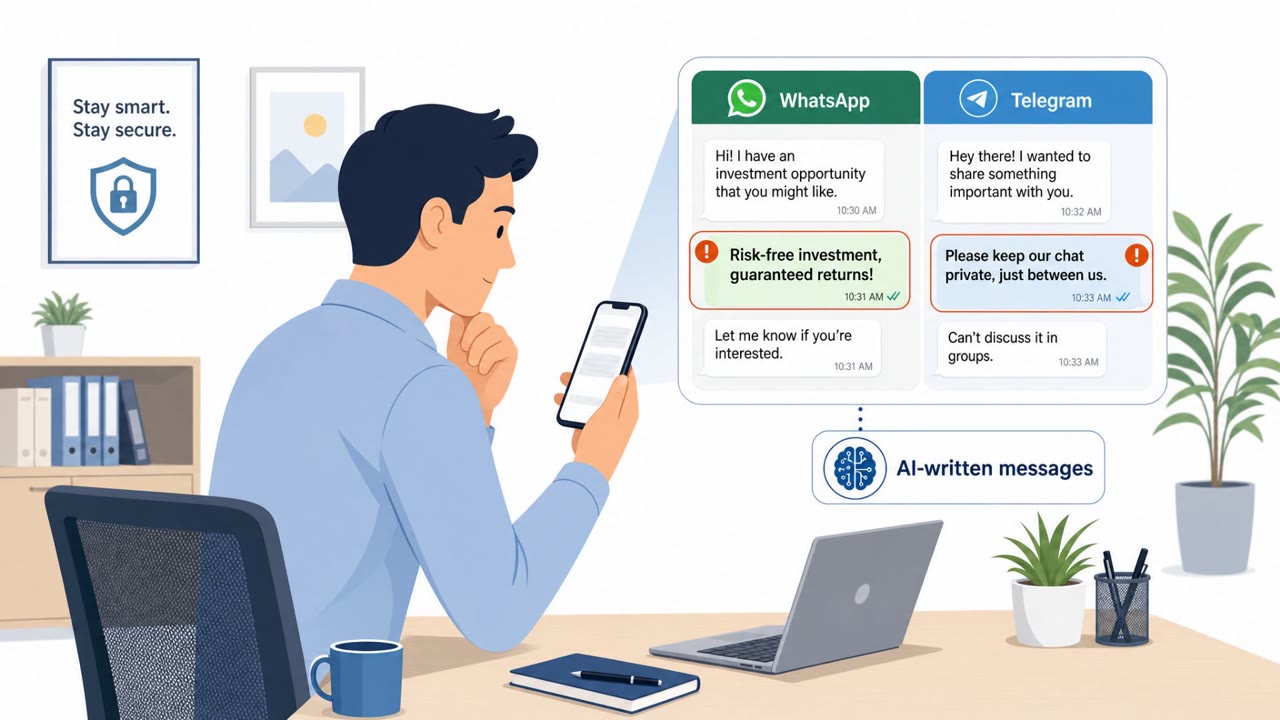
- A new online contact who quickly pushes for secrecy or urgency
- A conversation that shifts from casual chat toward requests to help with illegal or risky "missions"
- Instructions coming from an anonymous handler rather than someone whose identity can be confirmed
These patterns are not limited to any one platform or region and can appear in any messaging or dating app context where a stranger tries to build rapport quickly before making an unusual ask.
Building Resistance
Organizations and families supporting younger or early-career staff should consider:
- Treating relationship-building from unknown online contacts as a potential manipulation tactic, especially when it shifts toward secrecy, coercion, or requests for action
- Encouraging immediate escalation if someone met online asks for a real-world favor, whether it is a delivery, a site visit, photos, or anything resembling vandalism or sabotage
- Extending awareness training beyond email phishing to cover social media and messaging app recruitment tactics, since younger and early-career audiences may primarily encounter manipulation through these channels rather than corporate email
Key findings
- FSB claims Telegram channels and bots were used by Ukrainian intelligence, and that Telegram failed to remove them.
- Alleged recruitment occurred through the Telegram dating bot Daivinchik, with operatives posing as young women to build relationships.
- Russian authorities claim 46 people aged 12–22 were detained in connection with the alleged recruitment campaign.
- FSB says recruits carried out arson/sabotage (e.g., setting fire to gas stations) after direction from anonymous Telegram handlers.
Who’s being targeted
- Commonly targeted roles: All employees, Interns and apprentices, Students/early-career staff, Security/HR (for awareness and reporting pathways).
- Affected industries: Government / public sector, General public / consumers.
- Attack channels: telegram.
- Impersonated: A peer/young woman met via the Daivinchik dating bot (actually an anonymous handler).
Red flags to watch for
- A new online contact quickly pushes secrecy or urgency
- Requests to move from casual chat to illegal or risky “missions”
- Anonymous handlers directing actions rather than a real, verifiable identity
Frequently asked questions
What was the Daivinchik dating bot used for?
Russian authorities allege it was used by operatives posing as young women to build online relationships with targets before persuading or coercing them into carrying out sabotage.
Who was targeted in this recruitment scheme?
According to Russian authorities, 46 people between the ages of 12 and 22 were detained in connection with the alleged recruitment campaign.
What tasks were recruits allegedly asked to do?
The FSB claims recruits were directed by anonymous Telegram handlers to carry out sabotage, including setting fire to gas stations.
What red flags should people watch for in similar scams?
Warning signs include a new online contact quickly pushing secrecy or urgency, requests to escalate from casual chat to risky real-world tasks, and instructions coming from an anonymous handler rather than a verifiable identity.
Read the video transcript
Imagine this: a friendly match on a Telegram dating bot… and a few weeks later, they’re asking you to burn something down. According to the FSB, Ukrainian intelligence used Telegram channels and the Daivinchik dating bot, posing as young women, to recruit 12‑ to 22‑year‑olds for real arson and sabotage, gas stations, critical sites, the works. Here’s the move: the ‘girl from Daivinchik’ builds a relationship, then suddenly it’s, ‘Don’t tell anyone,’ ‘It’s urgent,’ ‘Go take photos, visit this site, set a fire.’ That’s not romance, that’s grooming for a crime. If any online ‘friend’, on Telegram, Daivinchik, anywhere, asks you to do a real‑world task for them, stop and escalate it to Security immediately.