FinCEN reports that overseas scam centers stole about $12.7B from U.S. victims since 2023, largely through “pig butchering” style cryptocurrency investment scams. Scammers build trust using fake personas (often romance or “financial adviser” roles), then pressure victims to buy crypto and send it to scam-controlled accounts, sometimes even taking out loans or second mortgages to do so.
How the scam unfolds
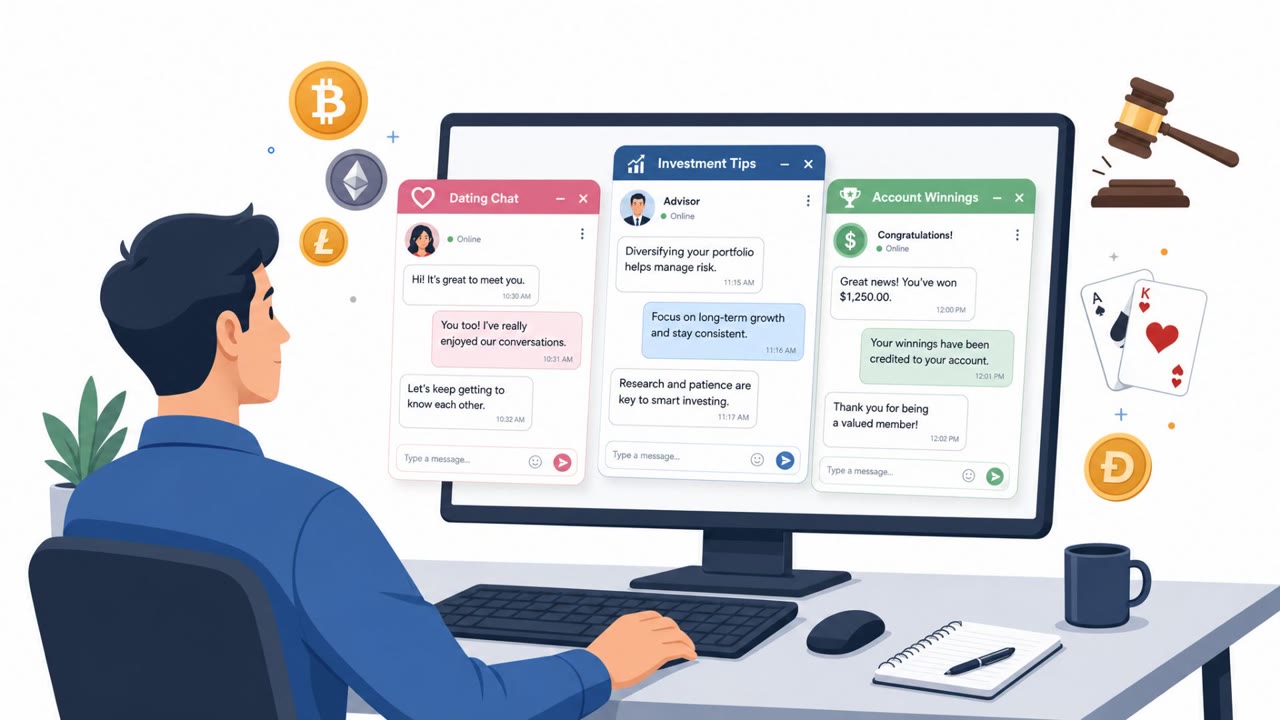
FinCEN's analysis of more than 33,000 cyber fraud reports describes a consistent pattern behind pig butchering scams. Scammers open contact through social media or messaging platforms, adopting personas such as a romantic partner or a trusted financial adviser. Over time they build rapport and credibility, then introduce an apparently high-return cryptocurrency investment opportunity. The victim is instructed to transfer money, often through a legitimate digital-asset provider, to purchase crypto and then send it onward to an account controlled by the scammer.
Why victims keep sending money
What makes these scams effective is the sustained emotional and financial pressure applied over time. Victims described liquidating retirement accounts, taking out personal loans, and even opening lines of credit against their homes to keep funding the ‘investment.’ In one case, a victim withdrew nearly $640,000 from a retirement fund; in another, a victim was denied loans twice but still pursued additional credit at the scammer's urging. The trust built through a romantic or advisory relationship makes victims dismiss warnings from banks or family members.
The second scam: fake recovery services
A distinct pattern emerges once victims try to withdraw funds. Many only realize they have been scammed when asked to pay an unexpected fee to release their money. Some are then approached separately by parties posing as ‘asset recovery services’ that promise to retrieve the stolen funds, only to steal from the victim a second time. This follow-on scam preys on victims who are already emotionally and financially depleted.
What to watch for
- A new online contact who quickly pivots the conversation toward a crypto investment opportunity
- Instructions to move money out of retirement or investment accounts into digital assets
- Pressure to take out loans, home equity lines, or second mortgages to fund an ‘investment’
- Any request to pay a fee before you can withdraw your own funds
- Unsolicited offers from ‘recovery services’ after a suspected scam
Building resistance
Banking staff, wealth advisors, and general employees should treat unsolicited investment advice from online contacts as a high-risk signal, particularly when crypto is involved. Financial institutions can watch for behavioral indicators like rapid account liquidation or unusual wire activity tied to digital-asset purchases. Individuals should verify any investment opportunity through independent, trusted channels rather than the same contact who introduced it, and should never pay a fee to unlock or recover funds. Reporting suspected fraud promptly, both to a financial institution and to relevant authorities, helps limit losses and supports broader tracking of these scam networks.
Key findings
- FinCEN analyzed more than 33,000 cyber fraud incident reports (Sept 2023–Dec 2025).
- About $12.7B was stolen from Americans in cryptocurrency investment scams across all U.S. states and territories.
- Scammers used multiple personas (e.g., romantic partner, trusted financial adviser) to persuade victims to transfer funds via bank wires or cryptocurrency.
- Traditional banks often detected the scam when customers wired money to scam beneficiaries or sent money to digital-asset firms to purchase crypto for “investment.”
- Victims sometimes liquidated retirement/investment accounts or sought loans/second mortgages to keep sending money.
- Many victims realized it was a scam only when asked to pay a fee to withdraw funds; some were later re-scammed by fake “asset recovery services.”
- FinCEN notes suspected scam activity increased month-over-month, expanding beyond Myanmar/Cambodia/Laos-based scam centers.
- Stolen crypto was commonly exchanged into USDT, and an illicit Telegram-based marketplace (Xinbi Guarantee) is described as helping launder billions.
Who’s being targeted
- Commonly targeted roles: Retail banking fraud teams, Branch staff and call centers, Wealth management advisors, Crypto compliance/fraud operations, All employees (general security awareness).
- Affected industries: Retail banking, Wealth management and investment services, Cryptocurrency exchanges and digital asset firms, Consumers/households.
- Attack channels: linkedin, email.
- Impersonated: Trusted financial adviser / investment professional (persona), Digital romantic partner (persona), Asset recovery service (persona).
Red flags to watch for
- A stranger quickly steers the conversation to investing in crypto
- Instructions to move money from retirement/investment accounts into crypto
- Pressure to transfer funds to new/unknown recipients tied to “digital asset investments”
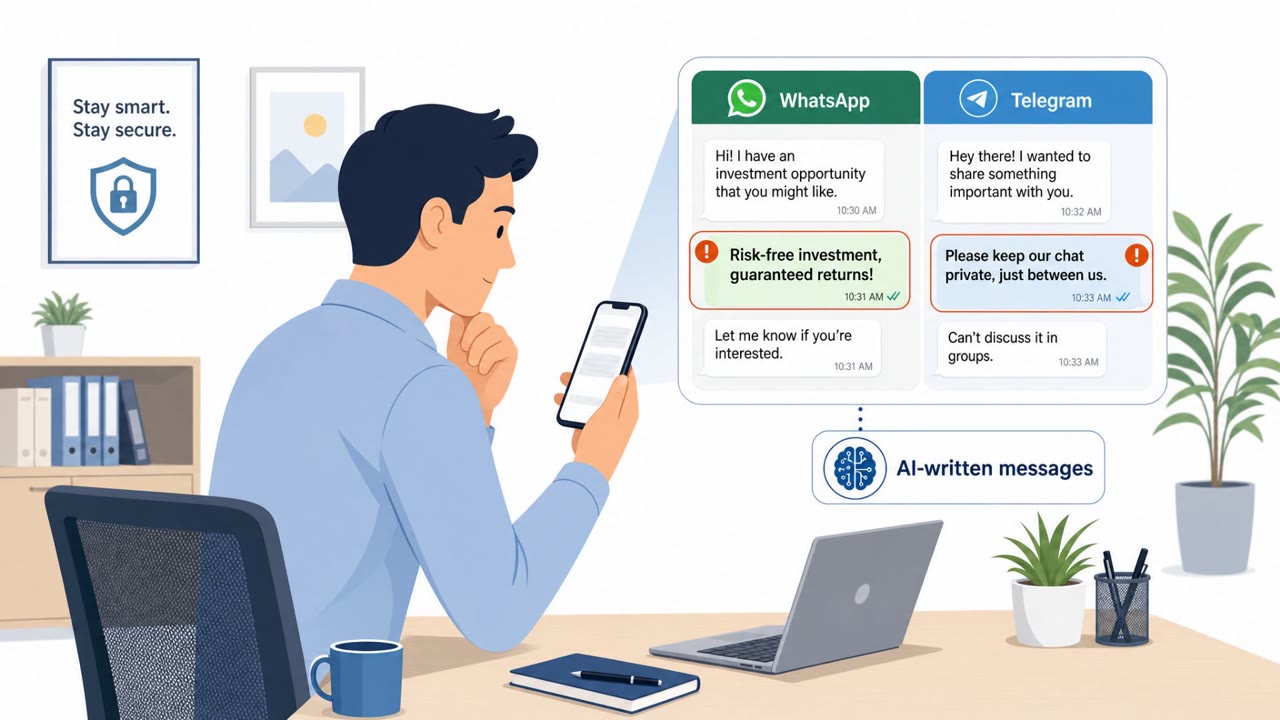
- A romantic contact pushes for secrecy and urgent financial actions
- Requests to borrow against a home/retirement to fund an ‘investment’
- Repeated attempts to obtain loans despite denials
- Upfront fee demanded to unlock or recover funds
- Unverified third party offers recovery after a scam
- Promises of guaranteed recovery
Frequently asked questions
What is a pig butchering scam?
It is a cryptocurrency investment scam where scammers build trust using fake personas, such as a romantic partner or trusted financial adviser, then persuade victims to buy crypto and transfer it to scammer-controlled accounts.
How much money have pig butchering scams stolen from Americans?
FinCEN reports that about $12.7 billion was stolen from Americans in cryptocurrency investment scams since 2023, based on analysis of more than 33,000 cyber fraud incident reports.
What are common warning signs of these scams?
Red flags include a new online contact quickly pushing crypto investment advice, pressure to liquidate retirement accounts or take out loans, and requests to pay a fee before withdrawing funds.
What happens after a victim realizes they were scammed?
Many victims only realize the scam when asked to pay a withdrawal fee, and some are then targeted again by fake asset recovery services promising to help get the money back.
Read the video transcript
Since 2023, “pig butchering” crypto scams have drained about $12.7 billion from Americans. You meet a “financial adviser” on LinkedIn. They say, “I can help you invest in a high‑return digital asset opportunity, here’s how to get started,” and walk you through wiring money or buying crypto, then sending it to their wallet. Or a new online romance says, “I found a venture we can invest in together, can you get the money so you don’t miss out?” Suddenly you’re urged to liquidate retirement, take out loans, even a second mortgage, and later asked to pay a fee just to withdraw your “profits.” Here’s the move: if anyone you only know online pushes you to move savings or take loans for crypto, stop and call our security or fraud hotline before sending a cent.