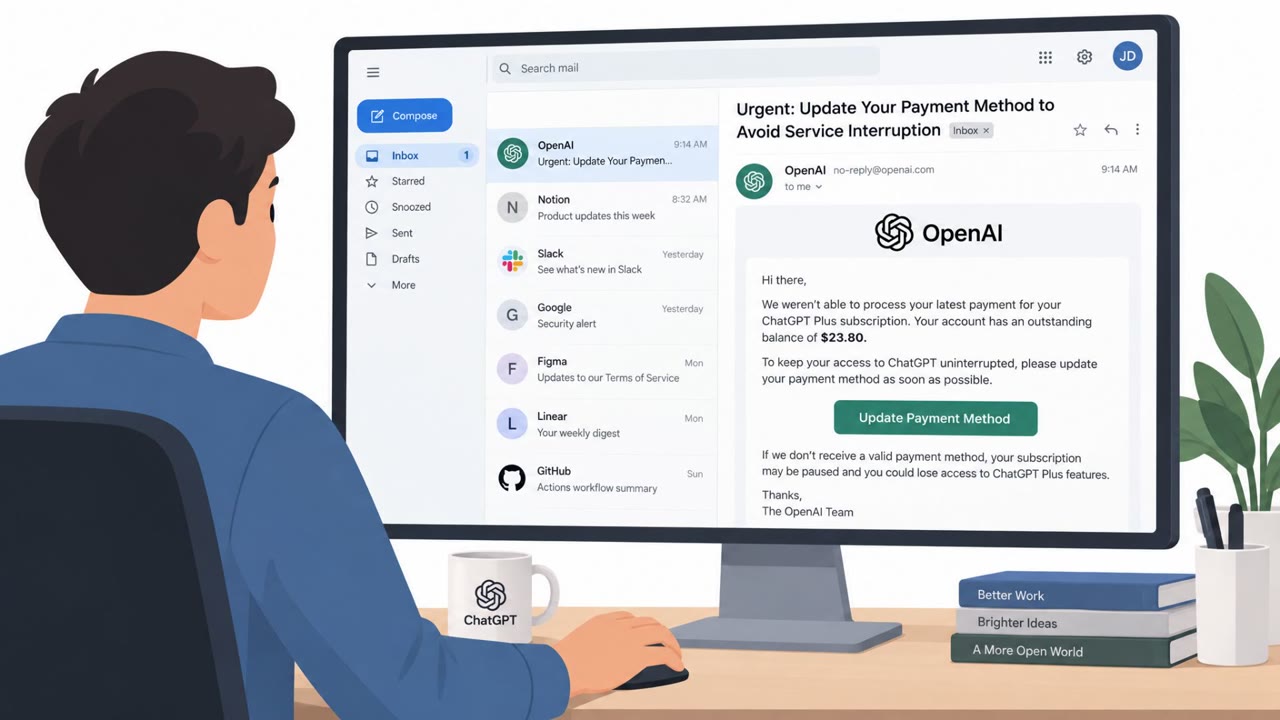
Fake AI Tools Steal Logins and Push Malware

eSecurity Planet · Medium sophistication
Last updated October 15, 2026

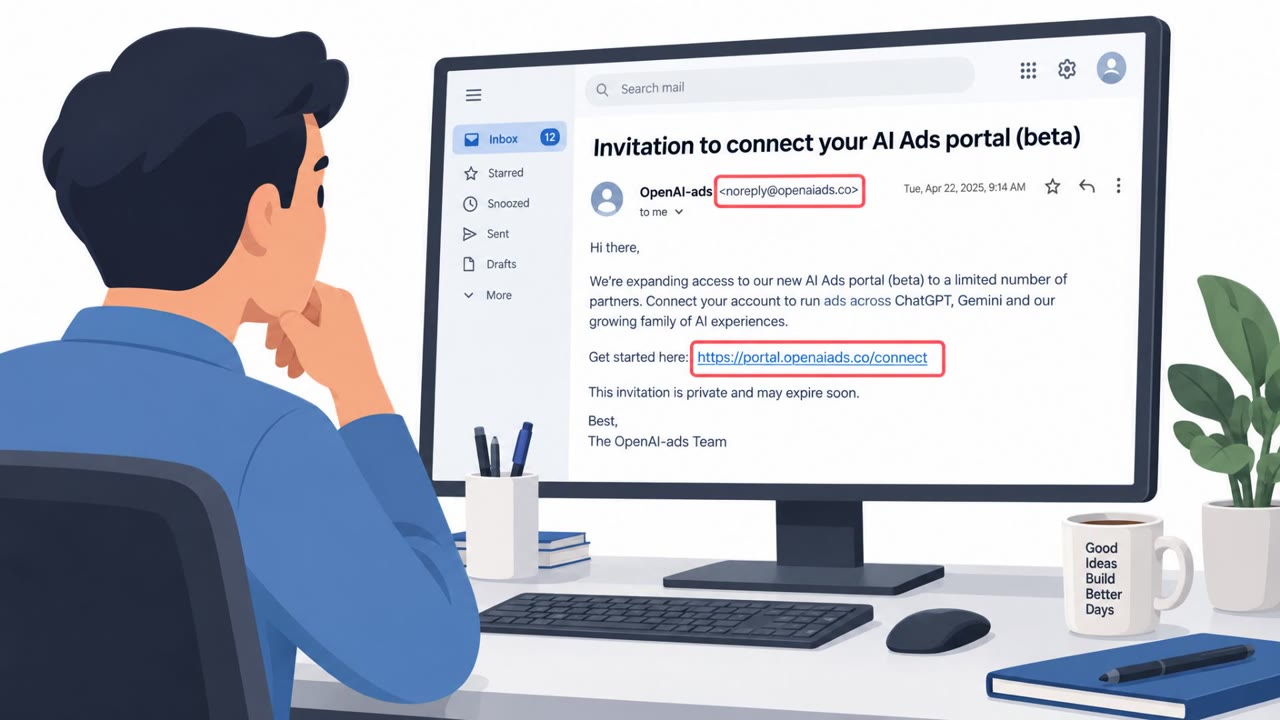
A weekly incident roundup describes multiple real-world attacks where criminals used "AI" branding to trick people into handing over passwords/MFA codes or running harmful PowerShell commands. The write-up includes two practical, repeatable social-engineering workflows: fake AI-platform login pages that steal credentials and Custom GPTs that persuade users to execute commands that install malware.

Key findings

  • Attackers used fake "AI" services to spoof Google and Okta login pages and capture passwords and MFA codes.
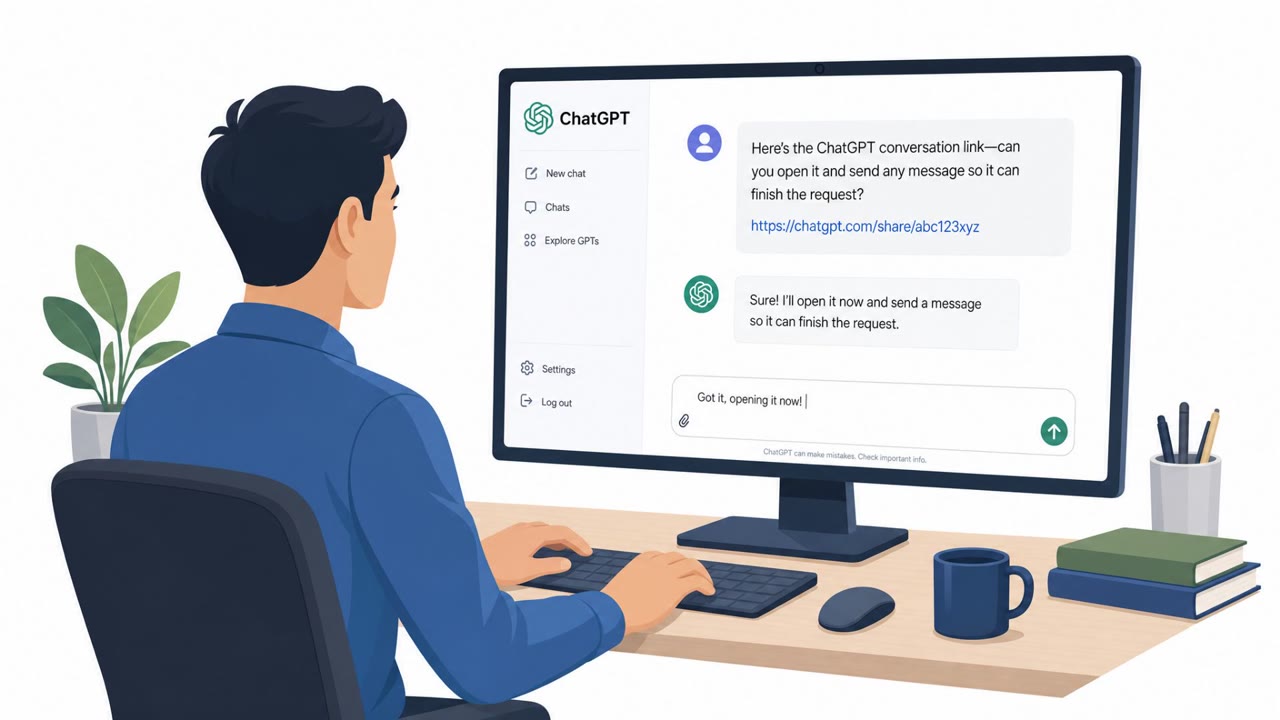
  • Attackers used Custom GPTs to convince Windows users to run PowerShell commands that kick off a multi-stage malware infection and persistence.
  • After compromising accounts (especially advertising/admin portals), attackers may add unauthorized administrators to preserve access.

Who’s being targeted

  • Commonly targeted roles: Marketing, Finance, All employees (Windows users), IT / Identity & Access Management.
  • Affected industries: Advertising/Marketing teams using ad platforms, Any organization using SSO (Google/Okta) for business apps, Software/IT teams using AI tools and Windows endpoints.
  • Attack channels: website.
  • Impersonated: ChatGPT / Gemini / Claude (fake AI advertising tool) with Google/Okta login, Custom GPT / AI assistant.

Awareness takeaways

  • Treat “run this PowerShell command to verify/fix/install” prompts as a likely scam; stop and contact IT/security through known channels.
  • Verify the website/service before entering credentials, especially when it offers “AI tools” and redirects to Google/Okta login pages.
  • For high-impact platforms like advertising accounts, routinely review admins/roles and investigate any newly added privileged users immediately.

Red flags to watch for

  • The site is a lookalike “AI tool” asking for Google/Okta credentials unexpectedly
  • MFA prompts appear in an unusual flow or at an unusual time
  • After login, account roles/admins change without a normal request
  • Any site/AI tool asking you to run PowerShell commands as a “verification” step
  • Commands that download/install software or change system settings
  • Unexplained scheduled tasks or startup/Run key changes after the action
Try Mirage

Mirage safely runs attacks like this one against your own team, so you find out what happens before a real adversary does.

Get a demo
Read the video transcript

You see a shiny “AI ad booster” site saying, “Sign in with Google to unlock AI campaign automation.” Looks legit, right? But this “AI” site is a credential trap. It spoofs Google and Okta login screens, captures your password and MFA code, then quietly adds a new admin to your ad account. There’s a second twist: malicious Custom GPTs saying, “To verify you’re not a bot, open PowerShell and run this command.” That command kicks off a multi-stage infection and installs a remote access trojan. Aha moment: real AI tools never need your password on some random site or a “verification” PowerShell script. If any AI page asks for Google or Okta login or PowerShell commands, stop and contact IT or security through our normal help channel.

Similar attacks

Fake ChatGPT Invoice Email Steals Logins

Fake ChatGPT Invoice Email Steals Logins

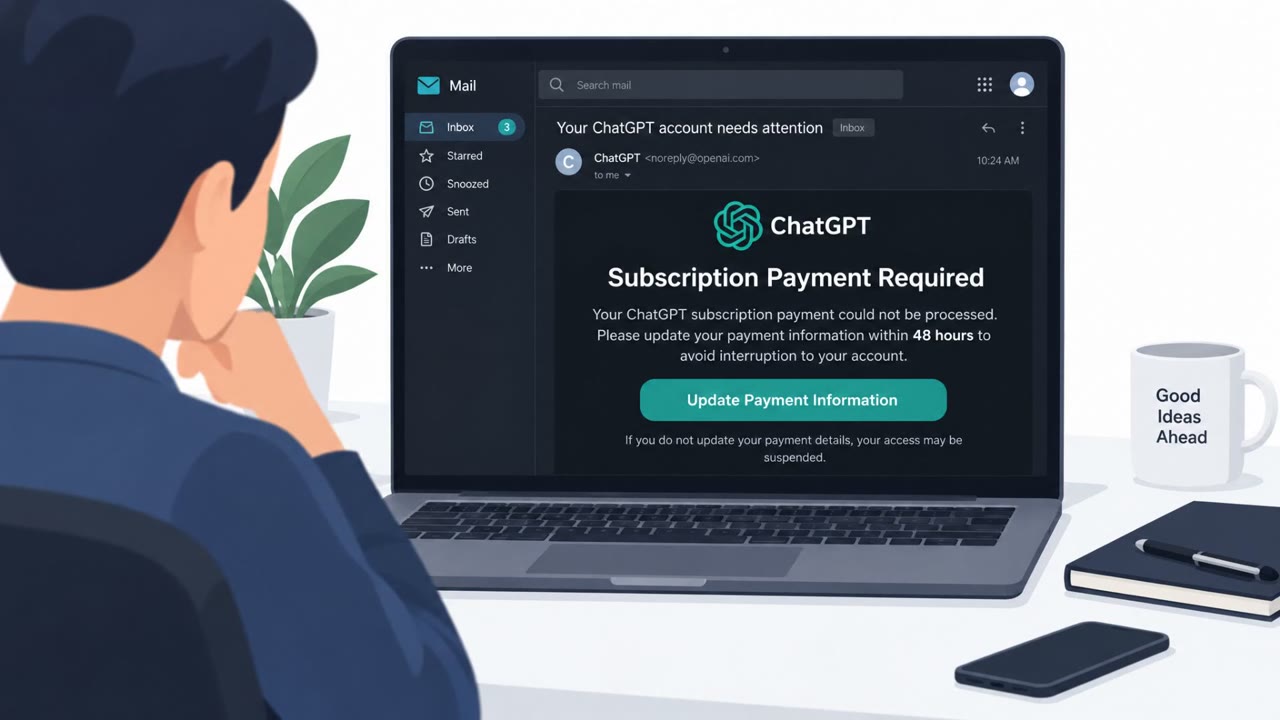
Attackers are sending fake ChatGPT billing emails that pressure people to “update payment” within 48 hours to avoid service interruption. The message links to a convincing look‑alike ChatGPT login page via a Google redirect, aiming to steal OpenAI credentials.

September 18, 2026
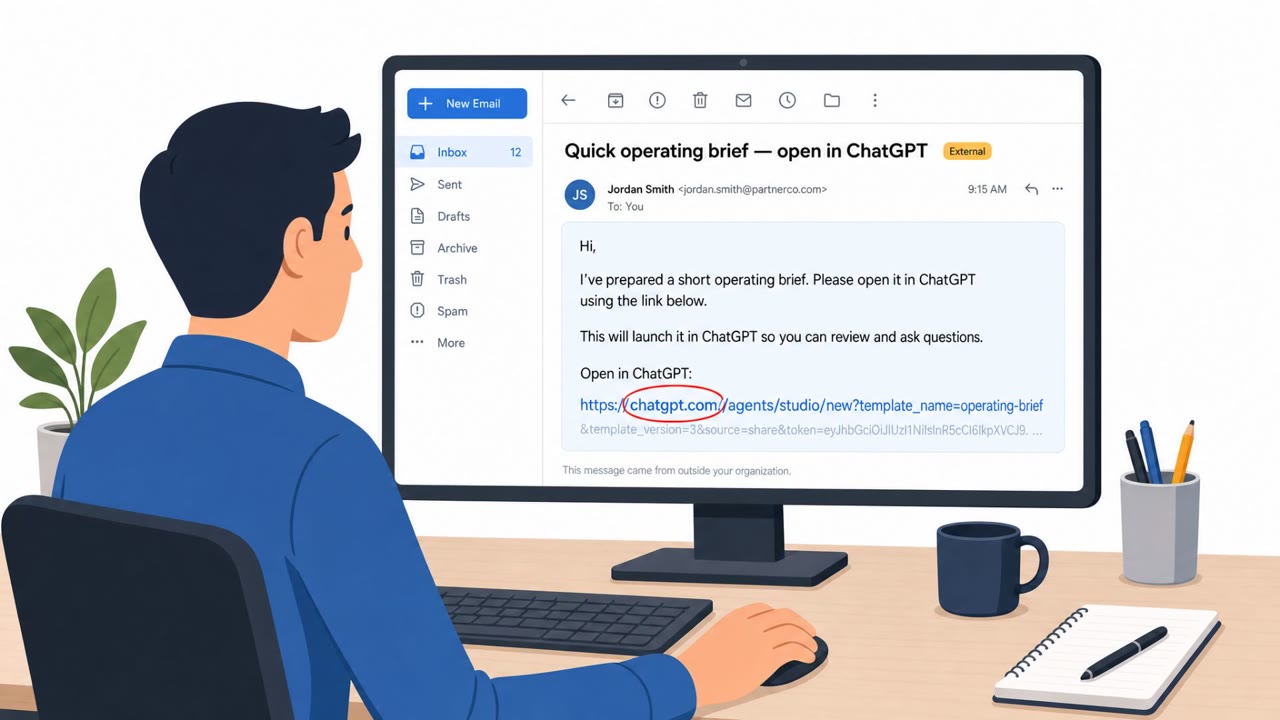
Phishing Link Could Plant a Rogue ChatGPT Agent

Phishing Link Could Plant a Rogue ChatGPT Agent

Researchers described a now-patched flaw ("AgentForger") where a single benign-looking ChatGPT link could silently create and publish an attacker-controlled Workspace Agent inside a company. If an employee was already logged in and had connected apps (like email, Drive, Slack, or Teams), the agent…

July 24, 2026
Fake AI Ad Portals Steal Logins and MFA Codes

Fake AI Ad Portals Steal Logins and MFA Codes

Researchers uncovered a human-run phishing platform that pretends to be ad-management products for popular AI brands (ChatGPT, Gemini, Claude, and others). Victims are pushed to click a “Connect” flow that opens a convincing fake login window (showing trusted domains like accounts.google.com) to…

October 6, 2026
Device-Code Phishing and “ClickFix” Lures Spread

Device-Code Phishing and “ClickFix” Lures Spread

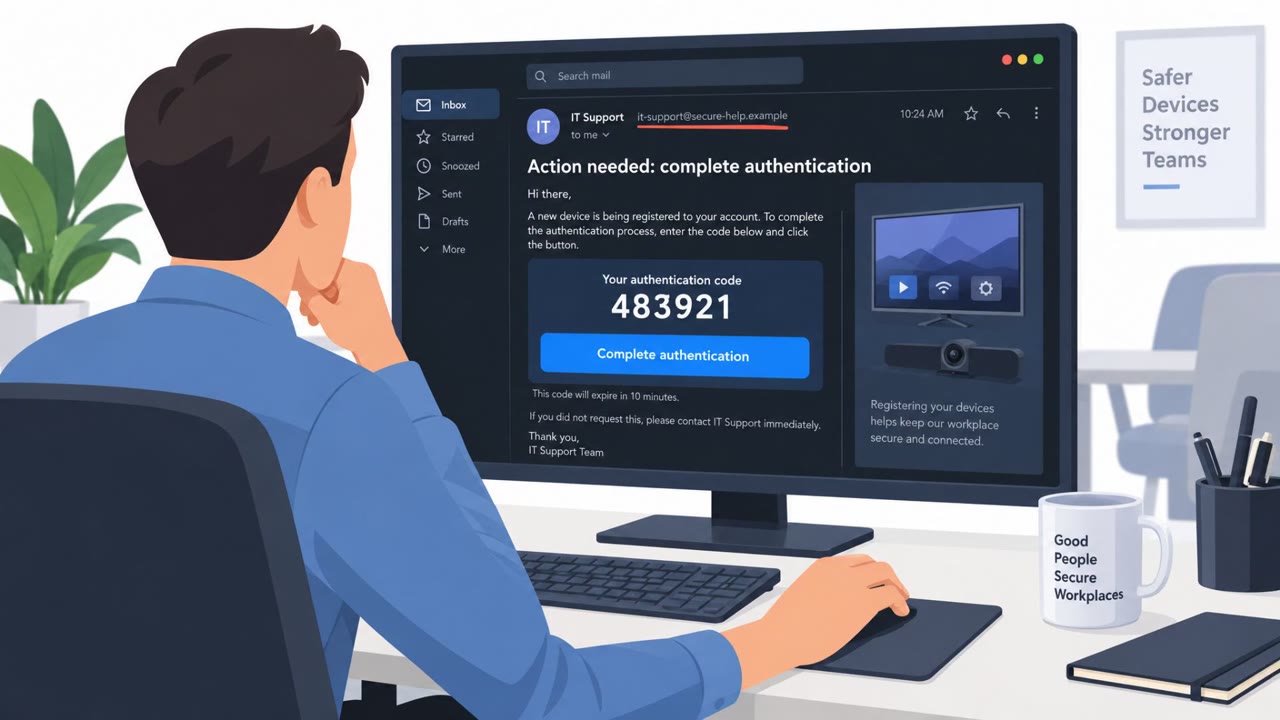
This weekly recap highlights multiple real-world campaigns where attackers trick users into taking actions that grant access, without needing to steal passwords directly. Notable examples include “device code” phishing (victims are instructed to enter a short code to approve an attacker session)…

September 28, 2026
Fake ChatGPT Invoice Steals Login Credentials

Fake ChatGPT Invoice Steals Login Credentials

Cofense observed a real phishing email that impersonates OpenAI/ChatGPT billing to trick users into “updating” payment details. The email uses the real ChatGPT logo, urgency (“48 hours”), and a prominent button to drive clicks to a lookalike ChatGPT login page. Any credentials entered are harvested…

September 17, 2026
Hidden ChatGPT Tasks Leak Data Across Accounts

Hidden ChatGPT Tasks Leak Data Across Accounts

Check Point researchers demonstrated a real proof-of-concept where a victim’s ChatGPT session could be tricked into running hidden, attacker-controlled tasks in parallel with the user’s normal request. In the demo, the attacker used a covert cross-account channel to make ChatGPT access the victim’s…

September 8, 2026