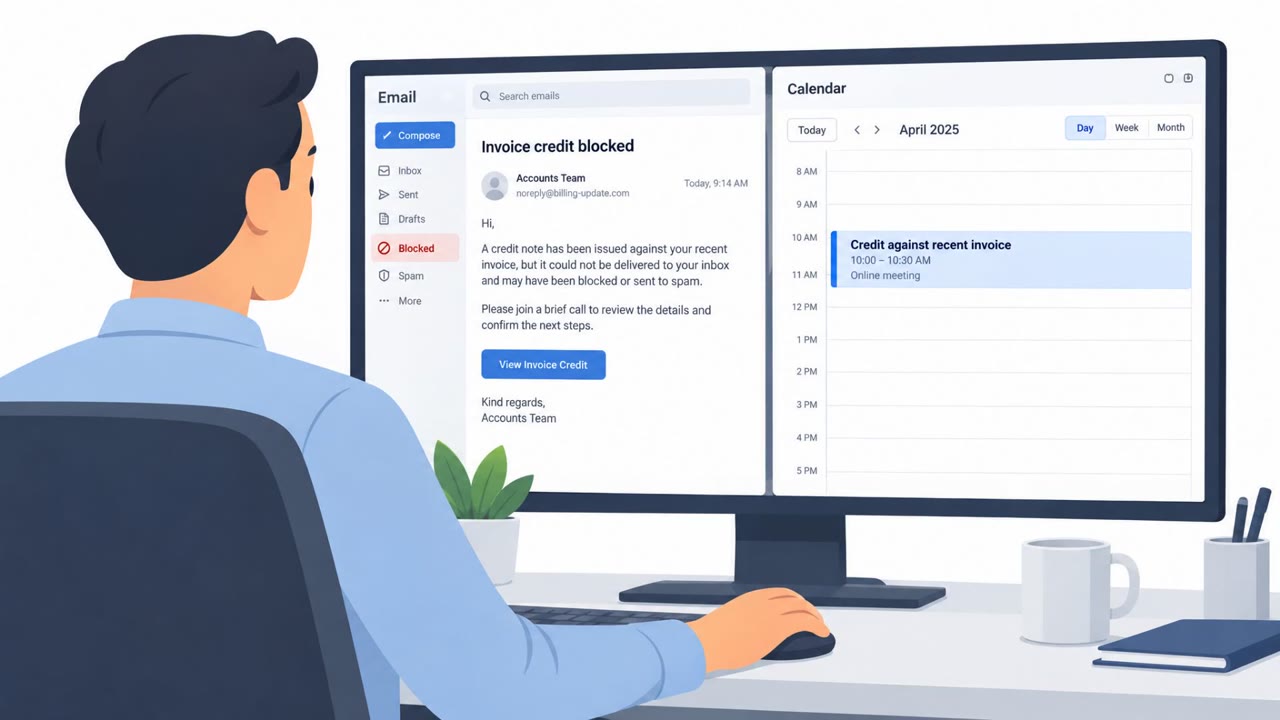
Fake Calendar Invites Fuel Phishing Surge

Help Net Security · Medium sophistication
Last updated October 20, 2026

Attackers are using fake calendar invitations to bypass normal email defenses and lure people into credential theft or malware downloads. The invites may appear in a user’s calendar even when the related phishing email is quarantined, making unexpected meeting entries a new route for account and device compromise.

Key findings

  • Check Point observed fake calendar-invite campaigns aimed at stealing Microsoft account credentials.
  • Some campaigns use valid .ics calendar attachments, while others add links to credential-harvesting pages in the email body.
  • A separate campaign used a Google Calendar invite with a financial lure and a Framer-hosted page to deliver a ScreenConnect installer.
  • Calendar events may still reach a target’s calendar even if the associated phishing email is quarantined.
  • Key warning signs include unexpected invites from free email accounts, financial urgency, and links to free website builders.

Who’s being targeted

  • Commonly targeted roles: All employees, Finance staff, Executive assistants, IT and security teams.
  • Affected industries: Organizations using Microsoft accounts, Organizations using Google Calendar, All industries.
  • Attack channels: email, website.
  • Impersonated: Microsoft sign-in service, Unspecified business contact or financial requester.

Awareness takeaways

  • Treat an unexpected calendar entry like an unexpected email: do not click links merely to find out why the meeting appeared.
  • Never enter work credentials after following a link in an unfamiliar meeting invitation; navigate to the normal sign-in page instead.
  • Verify unfamiliar meeting requests with the supposed sender using a known, separate communication method before acting.
  • Do not override browser download warnings for files linked from calendar invitations, especially when the invite comes from a free email account or contains financial urgency.

Red flags to watch for

  • The invite is unexpected or from a first-time sender.
  • The message includes a link asking the recipient to sign in.
  • The sender uses a free email account or the sign-in page is not an official Microsoft domain.
  • The calendar invite uses financial urgency.
  • The link leads to a page hosted on a free website builder.
  • The browser displays a warning before a software download.
Try Mirage

Mirage safely runs attacks like this one against your own team, so you find out what happens before a real adversary does.

Get a demo
Read the video transcript

An invite appeared on your calendar? That doesn't mean it's safe. One fake meeting says, 'Sign in to review the meeting details.' Its .ics invite or email link opens a spoofed Microsoft sign-in page built to steal your password. Another Google Calendar invite from Gmail pushes an 'urgent financial meeting.' Its link goes to a Framer page offering ScreenConnect, even after your browser warns about the download. The aha: email quarantine doesn't quarantine your calendar. Unexpected invite? Confirm it with the sender using a contact method you already know.

Similar attacks

Malicious Calendar Invites Surge With Malware Links

Malicious Calendar Invites Surge With Malware Links

Attackers are sending fake calendar meeting invites that can be automatically added to a victim’s calendar, even if the email is blocked. A documented example used a Google Calendar invite with a financial “invoice credit” lure to drive victims to a hosted webpage and download a malicious…

September 18, 2026
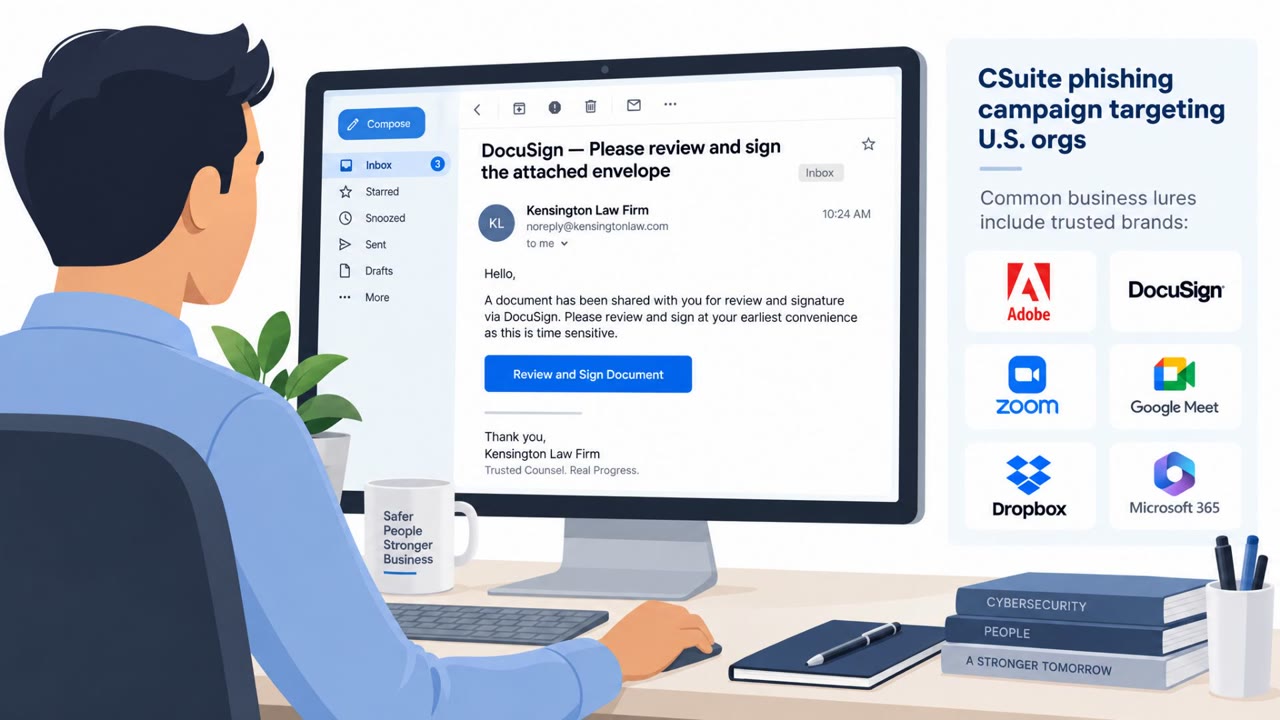
CSuite Phish Steals M365 Sessions, Installs RMM

CSuite Phish Steals M365 Sessions, Installs RMM

Researchers observed a real phishing campaign (“CSuite”) heavily targeting U.S. organizations using familiar business-themed lures (DocuSign, Adobe, Zoom/Meet, Dropbox, Microsoft 365). After a victim engages, the attackers either steal Microsoft 365 sessions (enabling mailbox takeover and fraud) or…

September 30, 2026
Device-Code Phishing and “ClickFix” Lures Spread

Device-Code Phishing and “ClickFix” Lures Spread

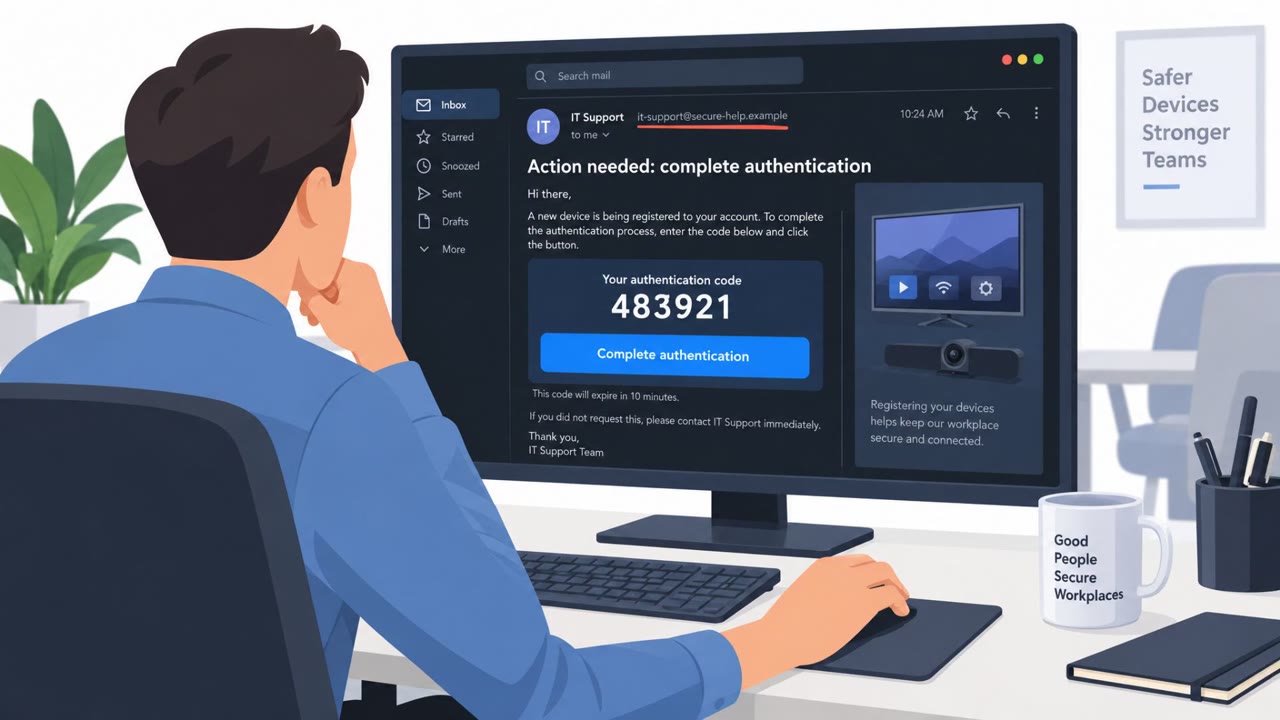
This weekly recap highlights multiple real-world campaigns where attackers trick users into taking actions that grant access, without needing to steal passwords directly. Notable examples include “device code” phishing (victims are instructed to enter a short code to approve an attacker session)…

September 28, 2026
Fake AI Trading Bot Steals Crypto Wallet Passwords

Fake AI Trading Bot Steals Crypto Wallet Passwords

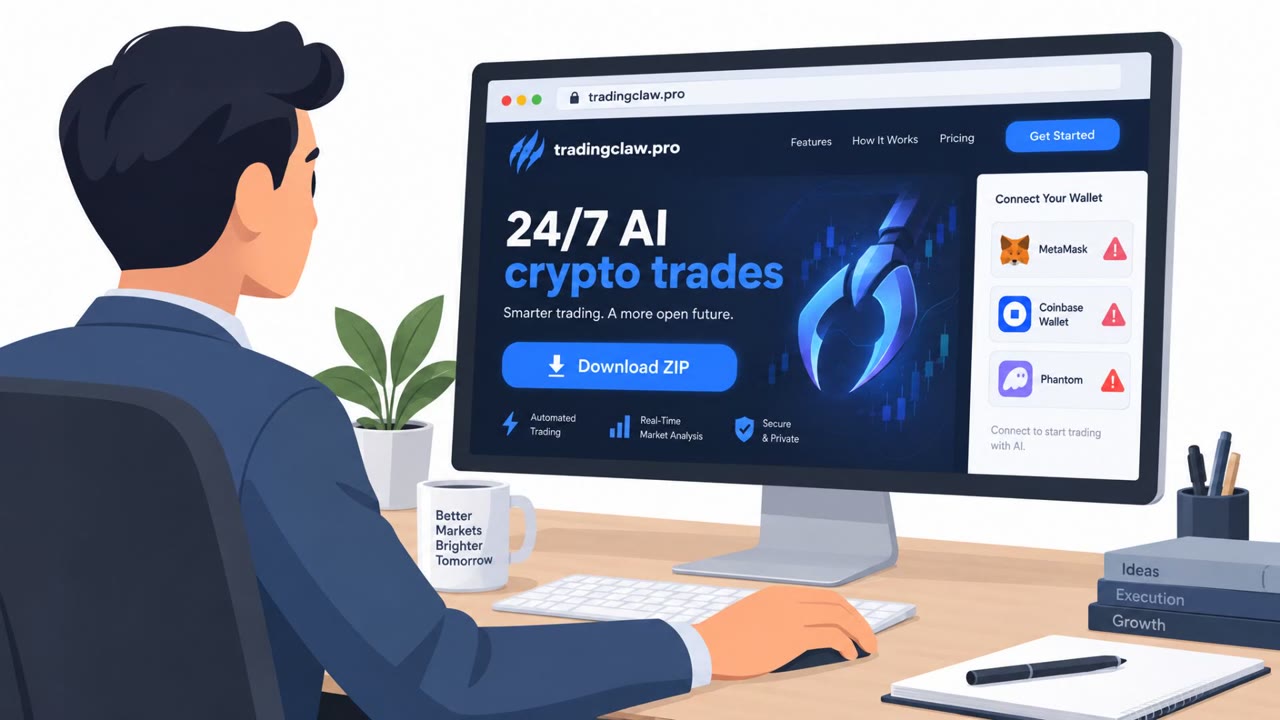
Researchers observed real campaigns where a fake “AI crypto trading agent” website tricked victims into downloading malware that silently replaces browser wallet extensions and steals the wallet password when it’s typed. The same reporting also describes invoice emails using QR codes to push…

September 17, 2026
Fake Recruiters & Cloud Email Fuel New Phishing

Fake Recruiters & Cloud Email Fuel New Phishing

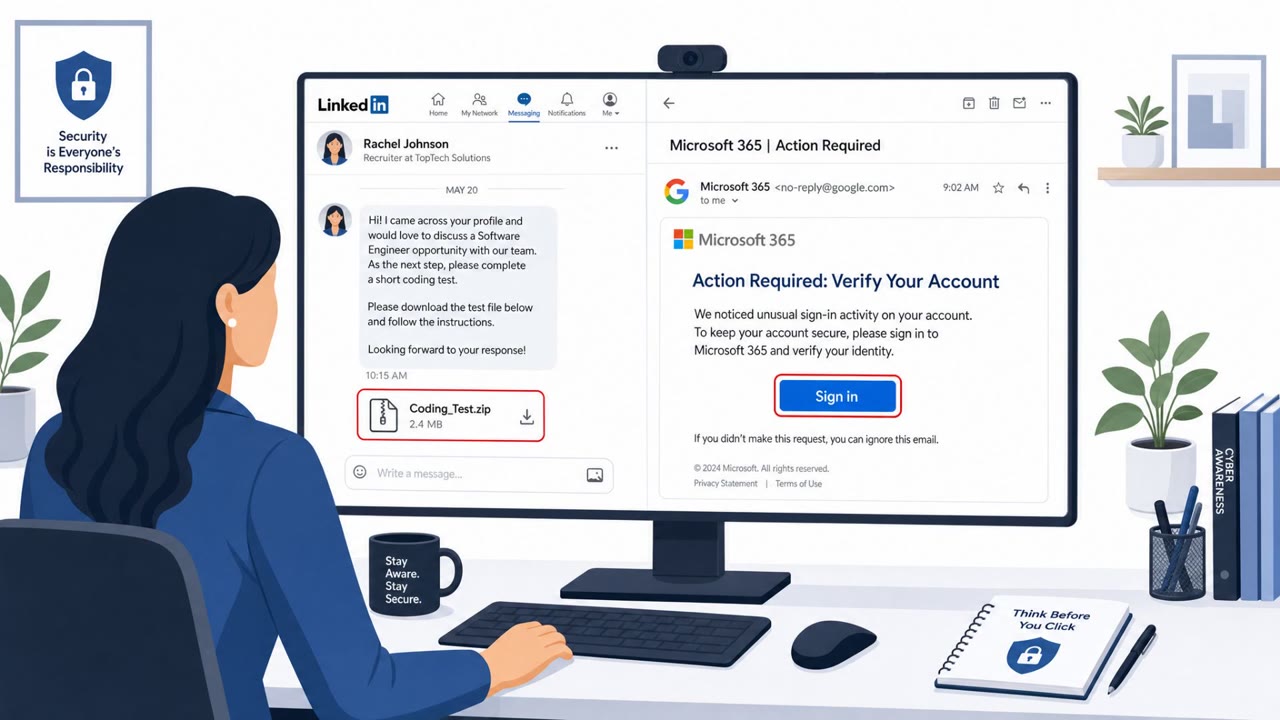
This roundup describes real-world social engineering where attackers impersonate recruiters on LinkedIn and lure developers into running “coding tests” that install malware. It also outlines active phishing campaigns that abuse trusted cloud services (Google, AWS, Azure, Cloudflare) to send…

September 2, 2026
Job Offer & Doc-Link Phishing Drive Real Breaches

Job Offer & Doc-Link Phishing Drive Real Breaches

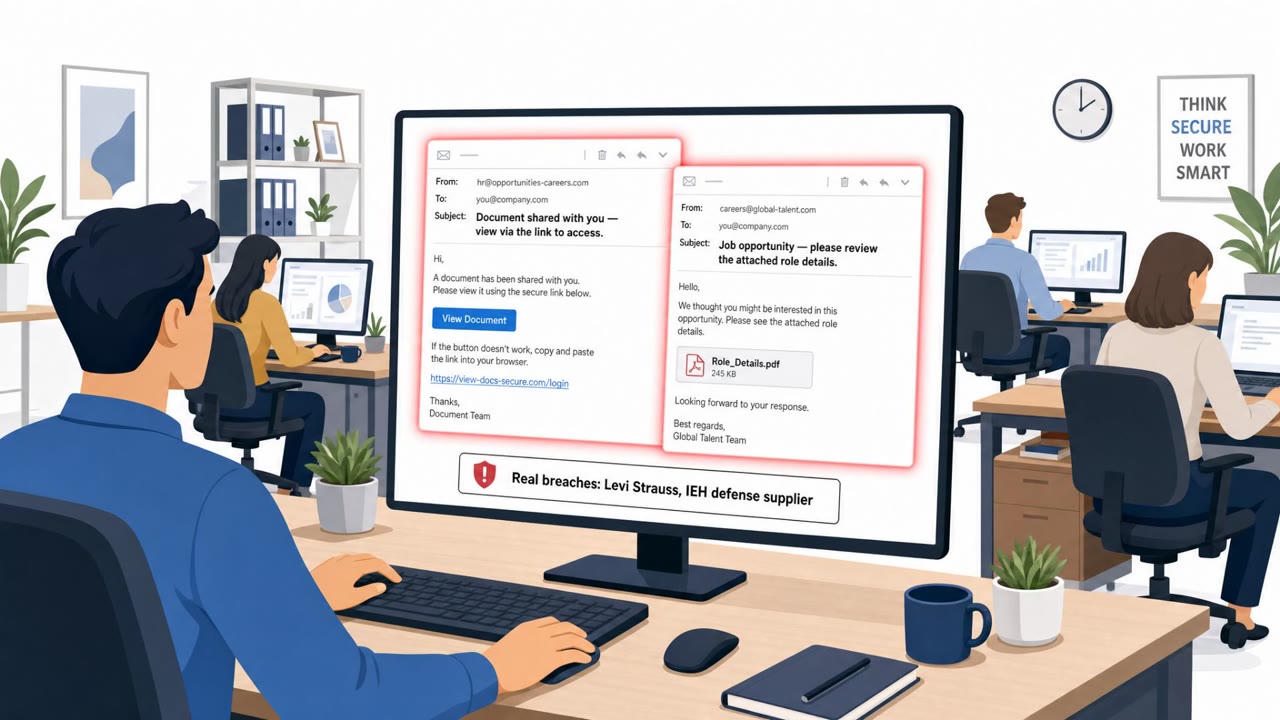
This weekly threat bulletin describes real incidents where attackers used human manipulation to break in, including social engineering at Levi Strauss and a Microsoft 365 credential-theft phish at defense supplier IEH. It also highlights a Lazarus-linked campaign using fake job offers and…

August 17, 2026