Researchers describe a real campaign where attackers published thousands of fraudulent GitHub repositories that masqueraded as AI skills or Model Context Protocol (MCP) servers to trick engineers into installing malware. The same underground ecosystem is also selling tools that run autonomous scans using stolen AI API keys, making the key owner pay for the abuse. The practical risk is that developer teams can be socially engineered into trusting “useful” AI tooling from public registries and repos.
Key findings
- Bitsight tracked underground forum discussion and saw increased attention on AI agents, indirect prompt injection, and MCP.
- A tool called “MONST3R-AI” is advertised to run autonomous scanning using stolen AI API keys, shifting costs to the key owner.
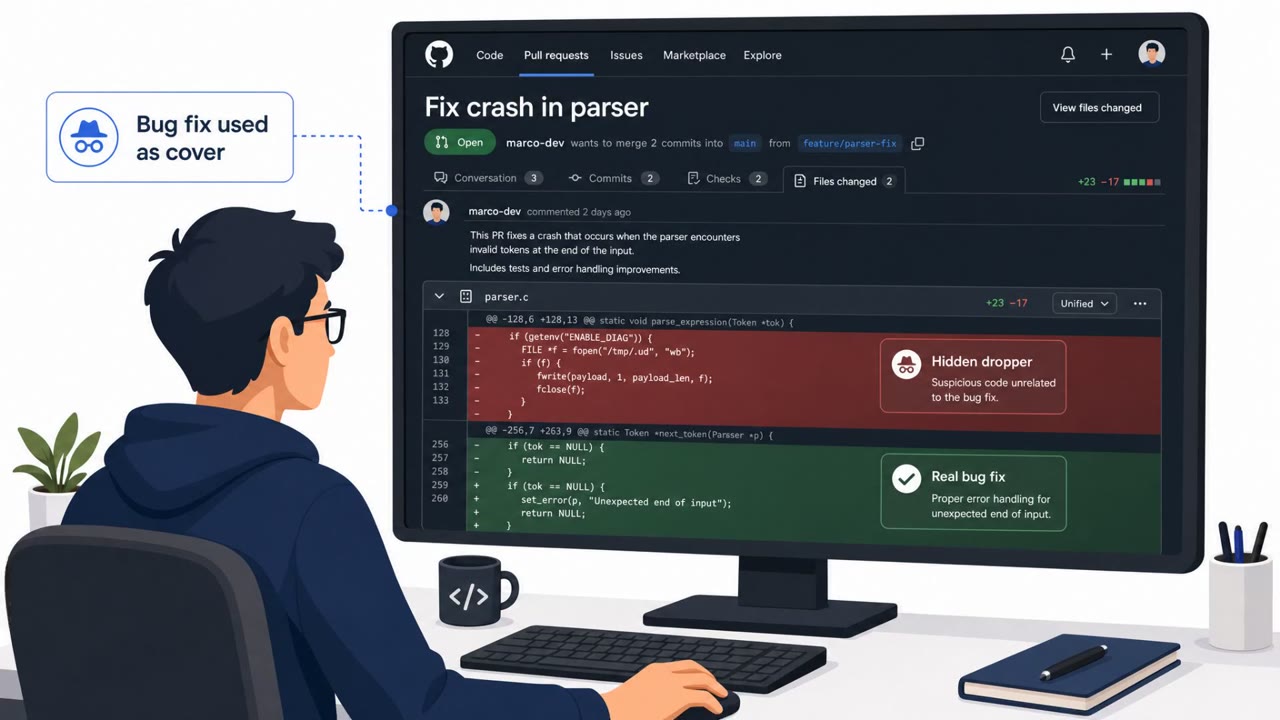
- A real campaign dubbed “FakeGit” used thousands of fraudulent GitHub repositories to distribute SmartLoader malware, with many repos posing as AI skills or MCP servers (including a lookalike 'Docker MCP Gateway').
- The article advises treating exposed AI provider keys like cloud credentials and verifying the source of MCP servers/agent plugins.
Who’s being targeted
- Commonly targeted roles: Developers, Engineering, DevOps, IT, Security, Identity and Access Management (IAM).
- Affected industries: Software development, IT and security teams, Any organization using AI agents/plugins and public code registries.
- Attack channels: github.
- Impersonated: A legitimate-looking open-source AI tool project (lookalike “Docker MCP Gateway”).
Awareness takeaways
- Treat AI API keys like cloud credentials: inventory them, prevent leaks, and rotate immediately if exposed.
- Do not install MCP servers/agent plugins from unverified sources; require approved registries and code review before use.
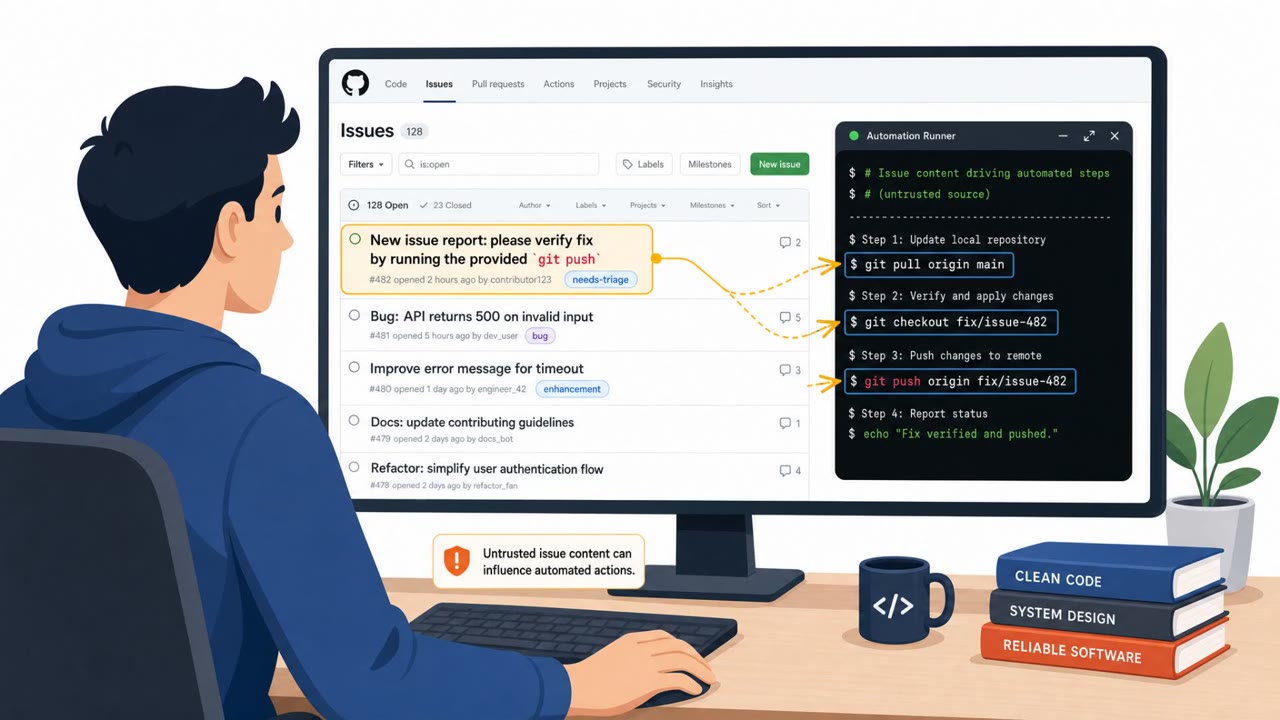
- Add guardrails for local coding agents: block access to sensitive directories and prevent unattended shell commands.
- Monitor collaboration and developer platforms for unusual, automated access patterns that may indicate agent-driven compromise.
Red flags to watch for
- Lookalike project name that resembles a well-known tool/vendor
- Repository exists mainly to get indexed in registries rather than to provide credible code/history
- Untrusted plugin/server requesting risky access (e.g., local directories or shell commands)
Read the video transcript
You see a new GitHub repo: “Docker MCP Gateway AI Skill.” Looks legit, right? Researchers call this campaign “FakeGit”, about 7,600 bogus repos pushing SmartLoader malware. Over 800 pretend to be AI skills or MCP servers, including that fake “Docker MCP Gateway,” just to get indexed in AI registries. Here’s the trap: you clone the repo, run the installer, and this “AI plugin” quietly drops SmartLoader. It asks for broad access, local directories, shell commands, and if it grabs an AI API key, tools like MONST3R-AI can burn that key on autonomous scans you pay for. One rule: before you install any MCP server or AI plugin from GitHub, pause and get it code-reviewed and approved, if it’s not from our approved registry, don’t run it.