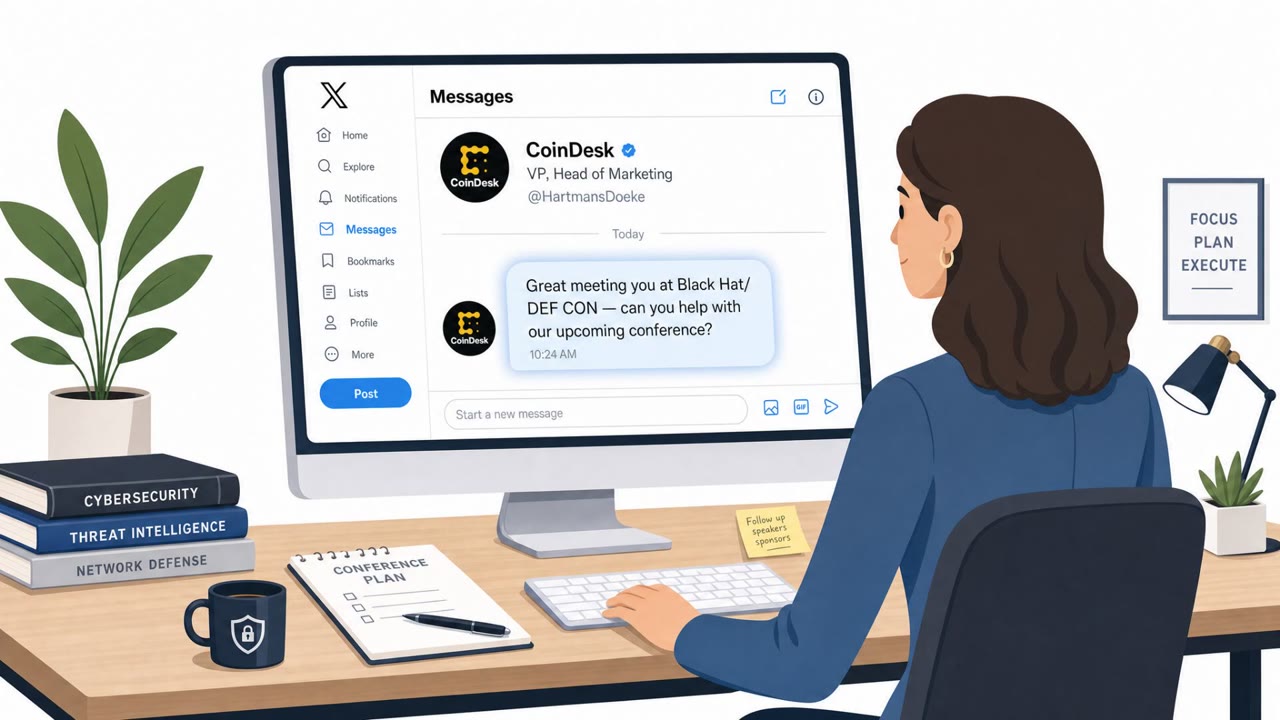
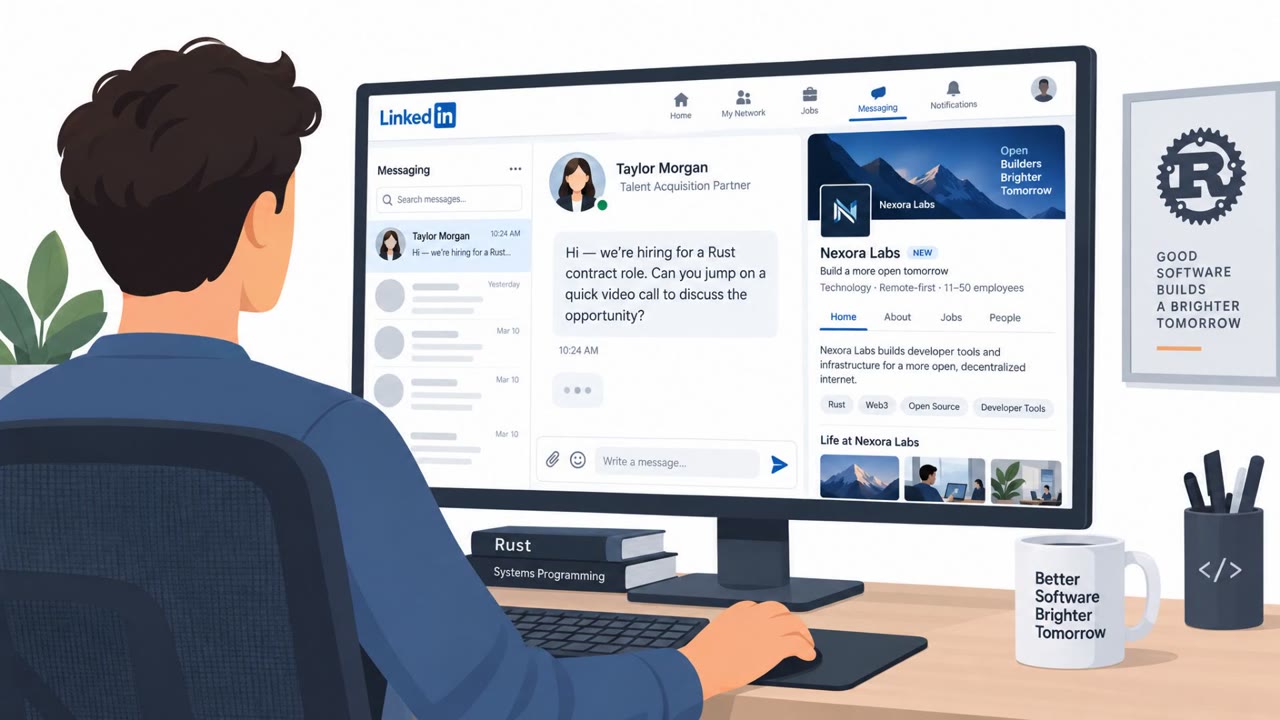
North Korean-linked actors are using fake identities to get hired into remote IT roles, then leveraging that trusted access to steal data or attempt to deploy malware. The article describes real cases (including KnowBe4 and Netskope) and explains how the scheme scales using fabricated personas, recruitment platforms, and increasingly convincing AI and deepfake tools.
How the scheme works
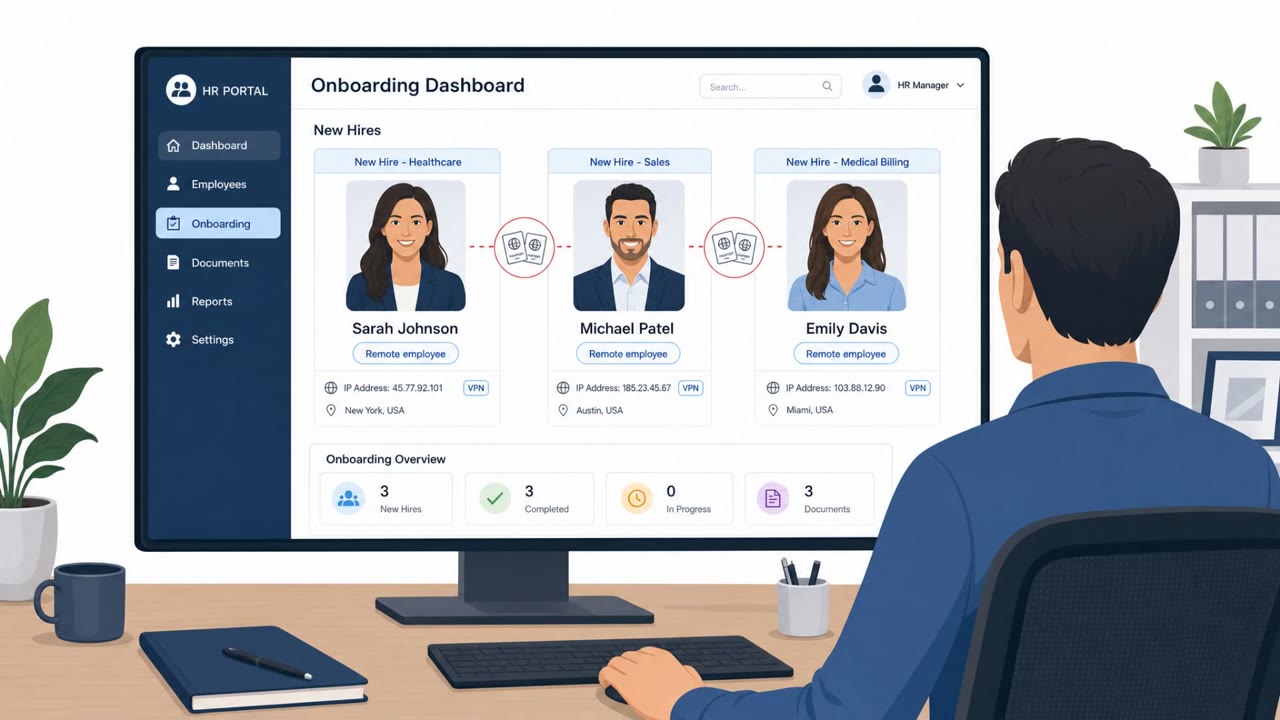
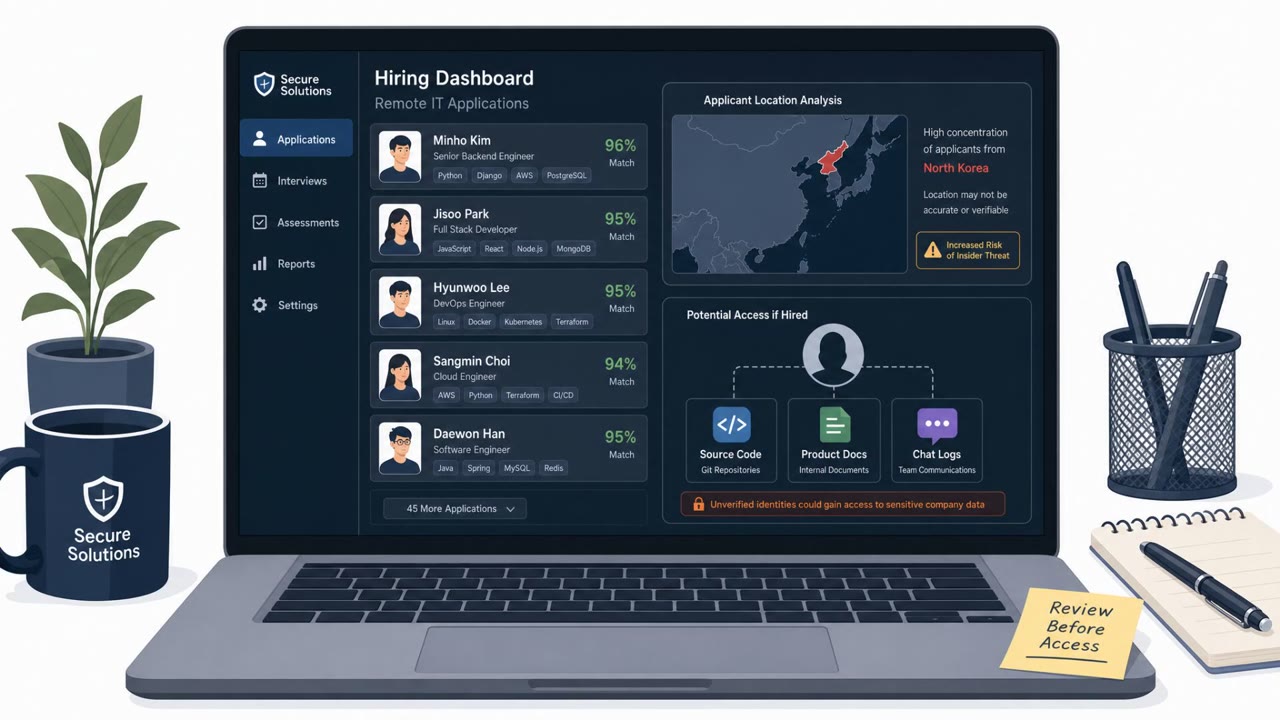
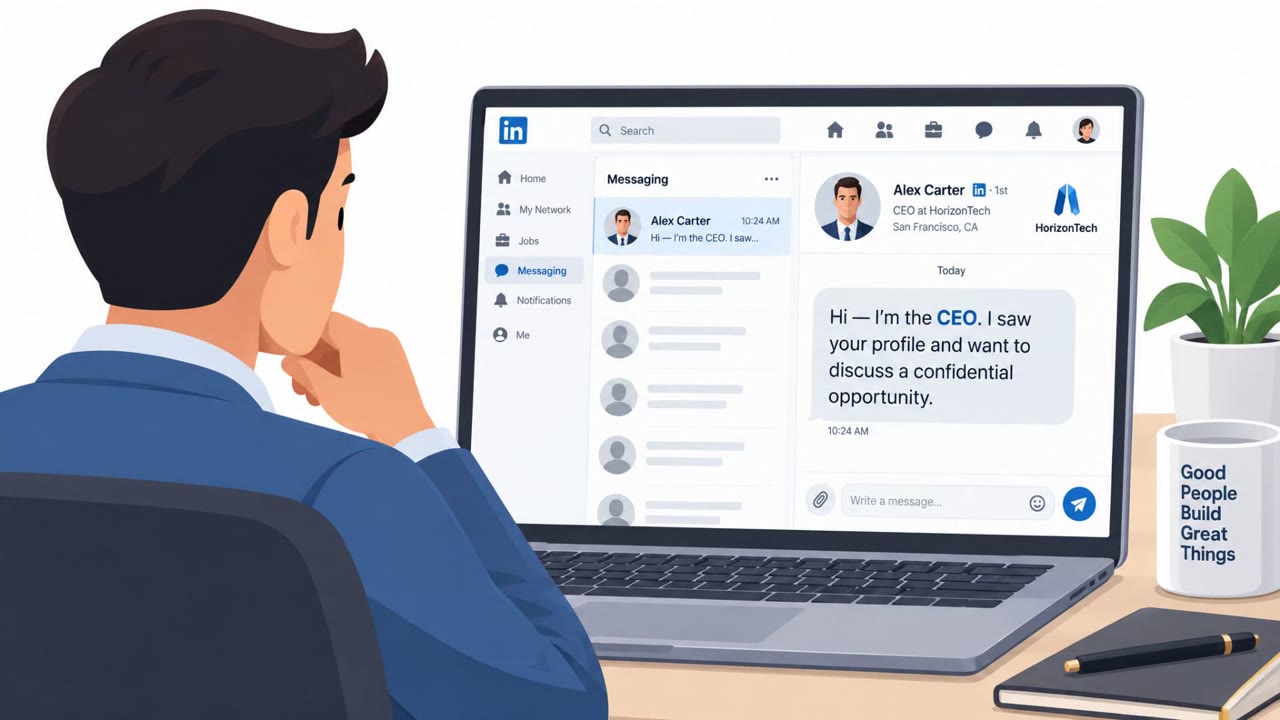
Fake IT worker schemes start well before onboarding. Threat actors build fabricated personas with strong applications and legitimate-looking LinkedIn profiles, then apply broadly across recruitment platforms such as LinkedIn and Upwork. One documented group, dubbed PurpleDelta by Recorded Future, created at least 22 fabricated personas and used this scale to get into interview pipelines across multiple companies. Because the applications are strong and the profiles look real, many of these candidates make it through remote interviews and into onboarding.
Why it succeeds
The scheme exploits a gap between HR, security and IT. Remote-only identity verification makes it hard to catch inconsistencies that would be obvious in person. In one case, a candidate's application was strong and their LinkedIn profile legitimate, but small inconsistencies in their work history and a throwaway Outlook email address stood out on closer review. In another, a candidate answered every interview question correctly and appeared legitimate enough to be onboarded onto company systems, only for suspicious activity to follow soon after. AI tools are making this easier to scale, by helping draft convincing emails, documents and interview talking points, and more convincing, through real-time deepfakes and voice modulation.
What to watch for
Defenders and hiring teams should watch for:
- A throwaway or inconsistent email address instead of a consistent professional contact method
- Small inconsistencies between a résumé, LinkedIn profile, and conversational answers about work history
- Candidates who cannot give specific details about a claimed location, such as local places, beyond repeating a city name
- A
Key findings
- Real cases show fake applicants can pass remote interviews and get onboarded, then attempt harmful actions (e.g., malware installation).
- Recorded Future says the PurpleDelta group created at least 22 fake personas and applied broadly across recruitment platforms (e.g., LinkedIn, Upwork).
- Netskope reports catching a fraudulent applicant via small inconsistencies, a throwaway Outlook email, and inability to discuss claimed work history details.
- AI is making the scheme easier to scale (drafting emails/documents/interview talking points) and more convincing (real-time deepfakes and voice modulation).
- The targeting focus includes software services, staffing/consulting, and healthcare/biotechnology, and is expanding beyond the US.
Who’s being targeted
- Commonly targeted roles: HR, Recruiters, Hiring Managers, IT, Security, Engineering Leaders, Staffing/Contractor Management.
- Affected industries: Software services, Staffing and consulting, Healthcare, Biotechnology, Technology / Cybersecurity firms.
- Attack channels: website, linkedin, email.
- Impersonated: Legitimate job candidate (fabricated persona), Newly hired remote IT worker.
Red flags to watch for
- “throwaway Outlook email address” instead of a consistent professional contact method
- Small inconsistencies in work history that don’t match the résumé/LinkedIn profile
- Candidate cannot answer basic conversational questions about claimed location/work history
- Unusually “perfect” interview performance paired with limited verifiable identity proof
- Suspicious activity shortly after device issuance (attempting to install unauthorized software/malware)
- Overreliance on remote-only identity verification
Frequently asked questions
How do fake IT worker schemes get past hiring processes?
Threat actors build fabricated personas with strong applications and legitimate-looking LinkedIn profiles, then apply broadly across recruitment platforms like LinkedIn and Upwork to get into interview pipelines.
What red flags can reveal a fake applicant?
Signs include a throwaway Outlook email address, small inconsistencies in claimed work history, and an inability to give specific details about a claimed location beyond repeating the city name.
What happens after a fake worker is hired?
Once onboarded, they may gain access to source code, customer data, intellectual property and wider corporate systems, and in one documented case attempted to load malware onto a company-issued device.
What is the most effective way to verify a remote candidate's identity?
The article notes that insisting on meeting the candidate in person, or asking a trusted third party to meet them if they are in another country, is considered the most effective verification method.
Read the video transcript
Imagine this: the ‘perfect’ remote IT hire passes every interview… and then tries to drop malware on their first day. Groups like PurpleDelta have built at least 22 fake personas, blasting out applications on LinkedIn and Upwork with strong résumés and legit-looking profiles, sometimes even using AI-written answers and deepfake video. Here’s the tell: the Netskope case looked great on paper, but the contact was a throwaway Outlook email, work dates didn’t quite line up, and basic questions about past jobs and location got awkward, vague answers. If a remote candidate feels too perfect but their story, email, or ID checks don’t fully add up, hit pause and escalate to security, hiring is a security decision, not just an HR task.