Spyware Victims Lured by Fake Appointments

Security Affairs · High sophistication
Last updated November 12, 2026

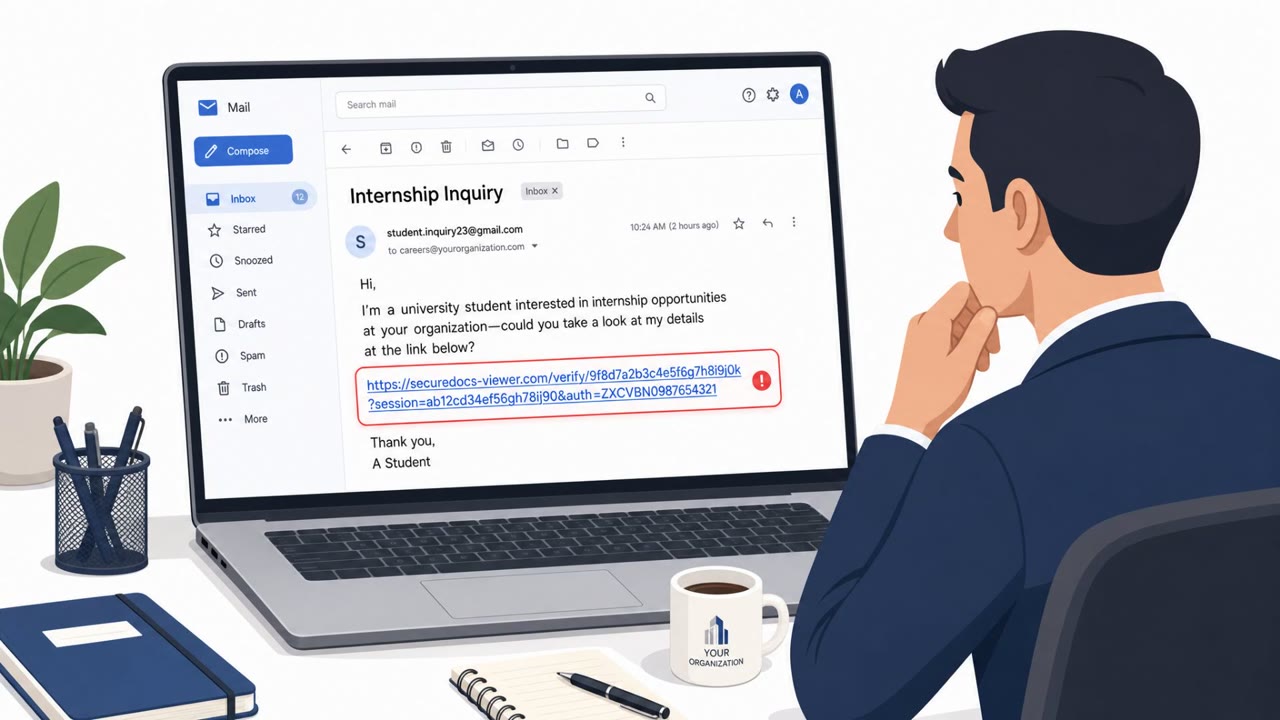
European journalists, politicians and activists were targeted with commercial spyware including Predator, Pegasus and Graphite. The reporting identifies fake appointment messages and invitations to read articles as lures used against victims, showing how seemingly routine communications can lead to device compromise and surveillance.

Key findings

  • Greek journalist Thanasis Koukakis's phone was infected with Predator spyware, which accessed contacts, documents and messages and could activate the camera and microphone.
  • An Athens court convicted four executives linked to Intellexa, the company behind Predator, for illegal computer access, data-protection violations and telecommunications privacy violations.
  • The article says fake appointment messages and article invitations were used to lure victims targeted with Predator.
  • Pegasus was reportedly used against European activists, politicians and journalists, including Polish MEP Krzysztof Brejza and Hungarian journalist Szabolcs Panyi.
  • Brejza said attackers accessed 85,000 messages and manipulated conversations that were later broadcast to discredit him.
  • Graphite spyware was reportedly used against Italian activists Luca Casarini, Beppe Caccia and David Yambio.

Who’s being targeted

  • Commonly targeted roles: Journalists, Editors, Researchers, Political campaign staff, Elected officials, Activists, Human rights organizations, Executive assistants.
  • Affected industries: Media and journalism, Government and politics, Civil society and activism, Human rights organizations.

Awareness takeaways

  • Treat unexpected appointment notices with caution, particularly when they ask you to open a link or document. Confirm the appointment through a known contact method before engaging.
  • Be especially careful with unsolicited invitations to review or contribute to an article, even if the topic matches your work or public profile.
  • People in sensitive public-facing roles should report suspicious messages quickly, because a successful device compromise can expose years of private and professional communications.
Try Mirage

Mirage safely runs attacks like this one against your own team, so you find out what happens before a real adversary does.

Get a demo
Read the video transcript

An appointment request can be a spyware lure. Targets of Predator got fake appointments and invitations to read articles. The message looks routine; its link is the trap. Greek journalist Thanasis Koukakis’s phone was infected with Predator. It accessed messages and documents, and could switch on his camera and microphone. Unexpected appointment or article invite? Before opening anything, confirm it with the person using a contact you already know.

MITRE ATT&CK techniques

Similar attacks

Iran-Linked Spyware Posed as Apps on WhatsApp

Iran-Linked Spyware Posed as Apps on WhatsApp

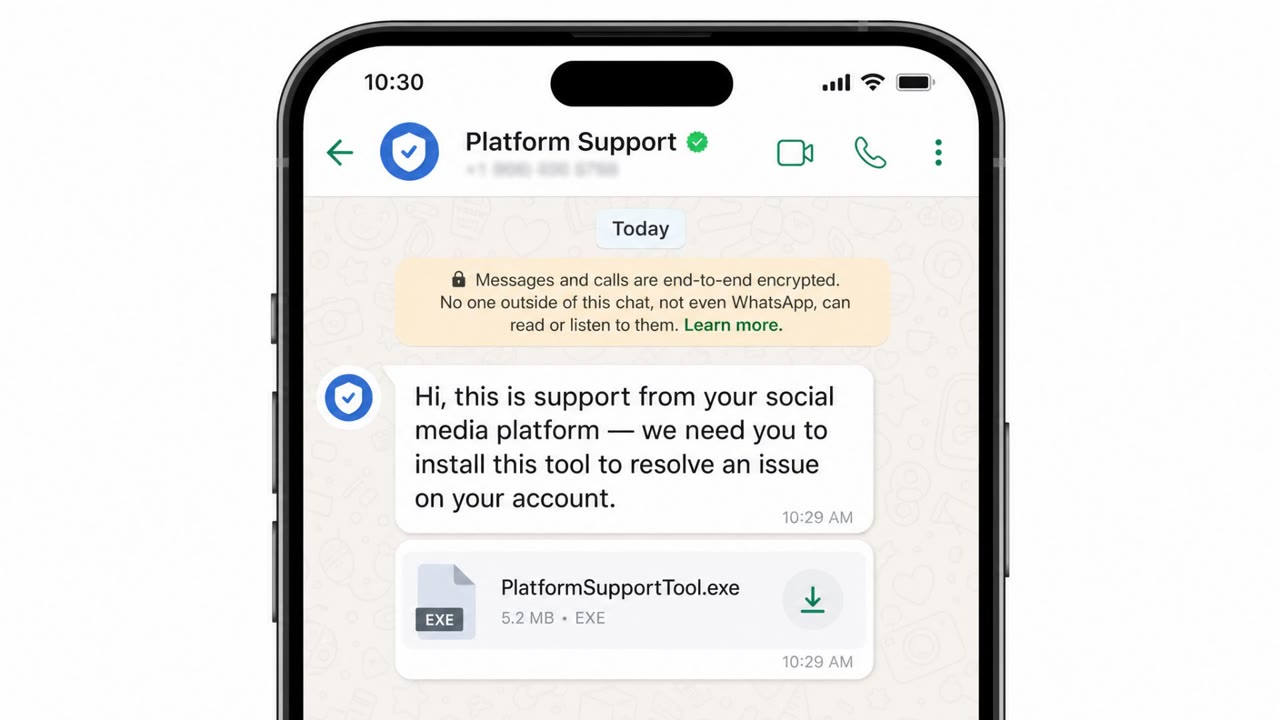
UK, US and Dutch authorities warned that Iran-linked attackers are targeting dissidents, activists, and journalists with Windows spyware. The group builds trust over messaging apps, then tricks victims into downloading malware disguised as legitimate software (or even medical files). The spyware…

September 15, 2026
Iran-Linked Spyware Lures Targets via WhatsApp

Iran-Linked Spyware Lures Targets via WhatsApp

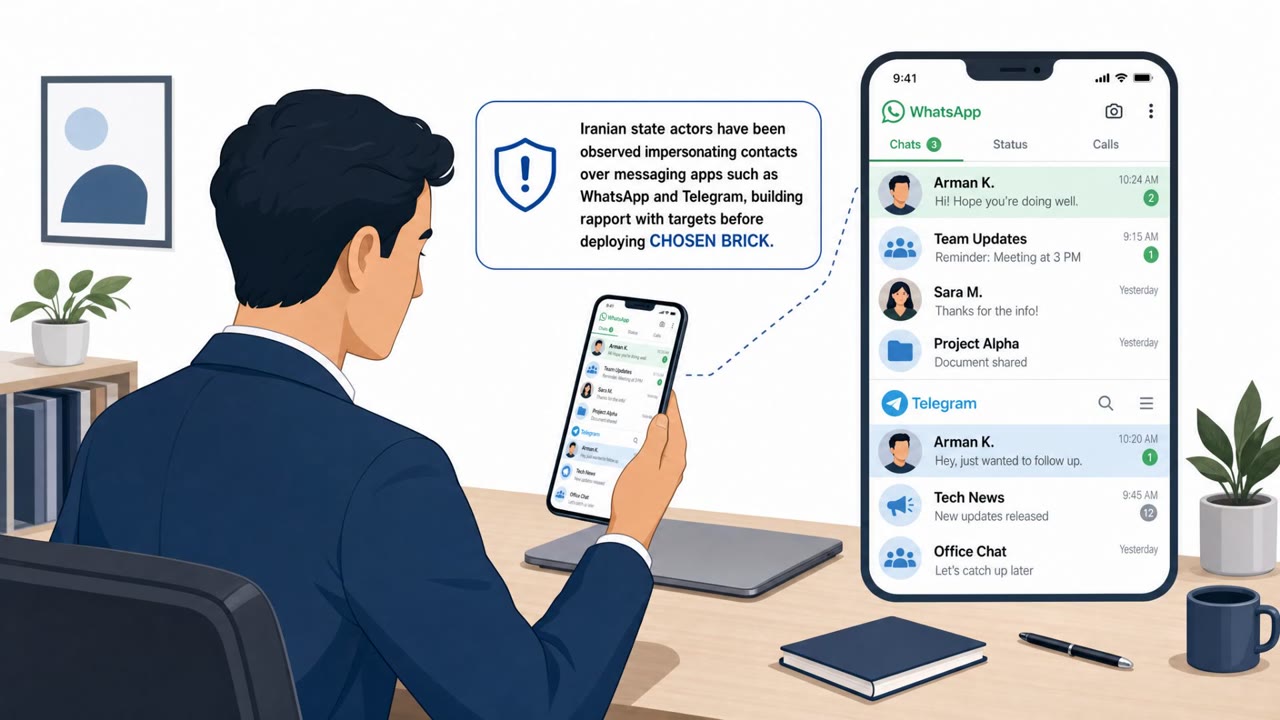
UK cyber authorities and international partners warned that Iranian state cyber actors have been tricking dissidents, activists, and journalists into installing spyware called CHOSEN BRICK. The campaign uses impersonation over messaging apps (such as WhatsApp and Telegram), rapport-building, and…

September 15, 2026
BlueMoon Phishing Uses Browser Zero-Days to Spy

BlueMoon Phishing Uses Browser Zero-Days to Spy

Multiple suspected China-linked espionage groups used a new exploit kit (“BlueMoon”) that starts with phishing emails and a malicious link to break into organizations in the US and Southeast Asia. Clicking the link can trigger browser and Windows vulnerabilities to install surveillance tools,…

September 9, 2026
Fake GitHub Lure Tricks macOS Users Into Stealer

Fake GitHub Lure Tricks macOS Users Into Stealer

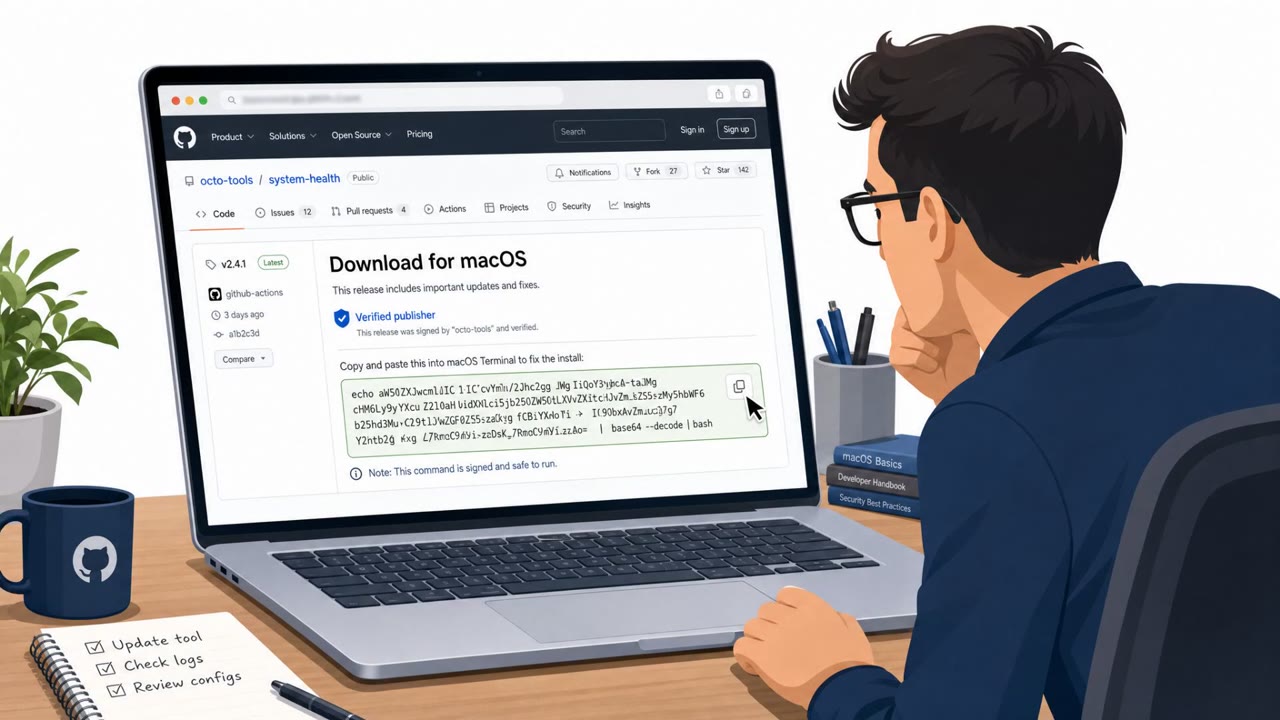
Researchers described AmnesiaStealer, a macOS info-stealer spread through a counterfeit “Download for macOS” page that tricks users into pasting a command into Terminal. The malware steals passwords and browser session data, and can even give an attacker live, hidden control of the victim’s browser…

August 17, 2026
Fake CCleaner Site Drops GhostDesk Chrome Spyware

Fake CCleaner Site Drops GhostDesk Chrome Spyware

Attackers are distributing a fake CCleaner installer from a convincing lookalike website to trick Windows users into installing spyware. The malware modifies Google Chrome and installs a malicious extension (“GhostDesk”) that can steal credentials, capture screenshots, and log keystrokes.

August 11, 2026
Phishers Exploit Microsoft 365 Outage Alerts

Phishers Exploit Microsoft 365 Outage Alerts

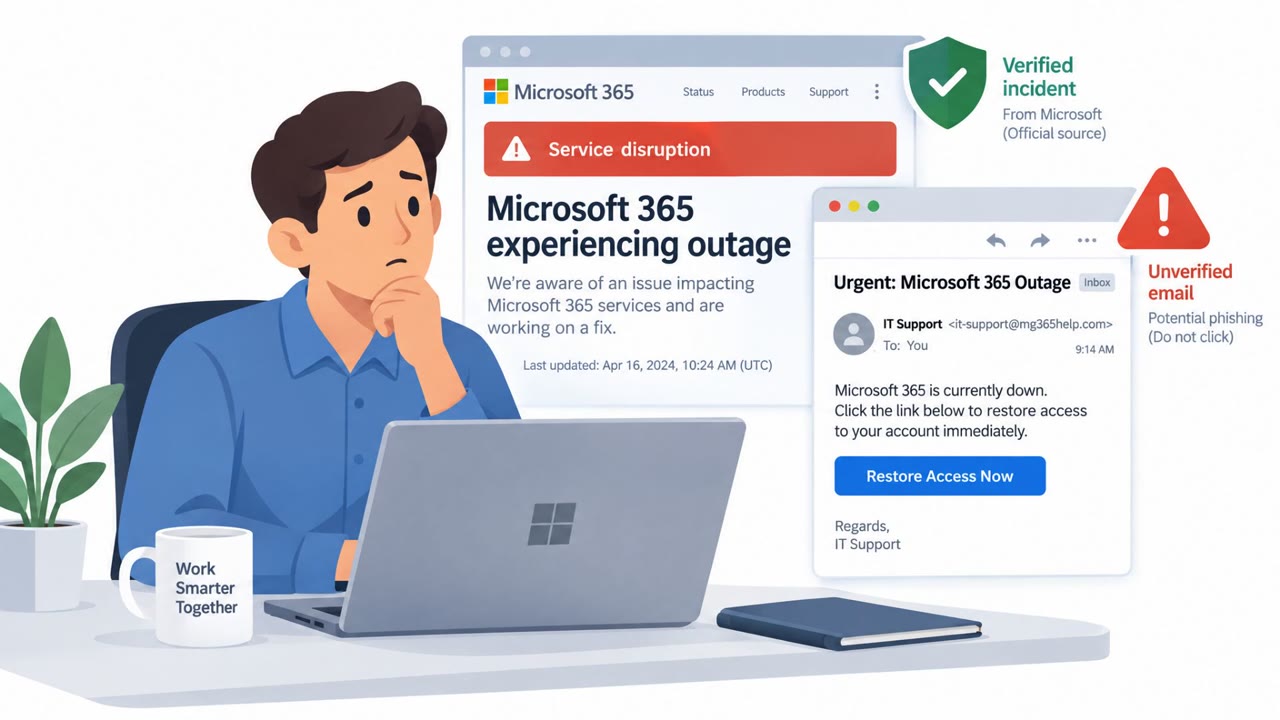
Attackers exploited a real Microsoft 365 outage by sending fake service-health emails that appeared to be Microsoft notifications. The messages warned recipients that emails delayed during the outage would be deleted within 24 hours unless they clicked a link, likely to steal credentials.

November 16, 2026