319 Chrome Extensions Quietly Hijack Searches

GB Hackers · Medium sophistication
Last updated October 29, 2026

Researchers identified 319 suspicious Chrome extensions tied to roughly 13.4 million reported users. The extensions were promoted as useful tools, such as PDF converters and safe-search utilities, but silently changed the browser’s default search provider to route searches through operator-controlled systems. This created an opportunity to observe search activity and redirect users through changing search-result paths.

Key findings

  • The investigation identified 319 suspicious extensions associated with approximately 13.4 million reported users over a decade.
  • Extensions were presented as helpful tools, including manual finders, PDF converters, safe-search utilities, and AI search tools.
  • The extensions could replace Chrome’s default search provider through manifest settings without requesting sensitive permissions or using executable extension logic.
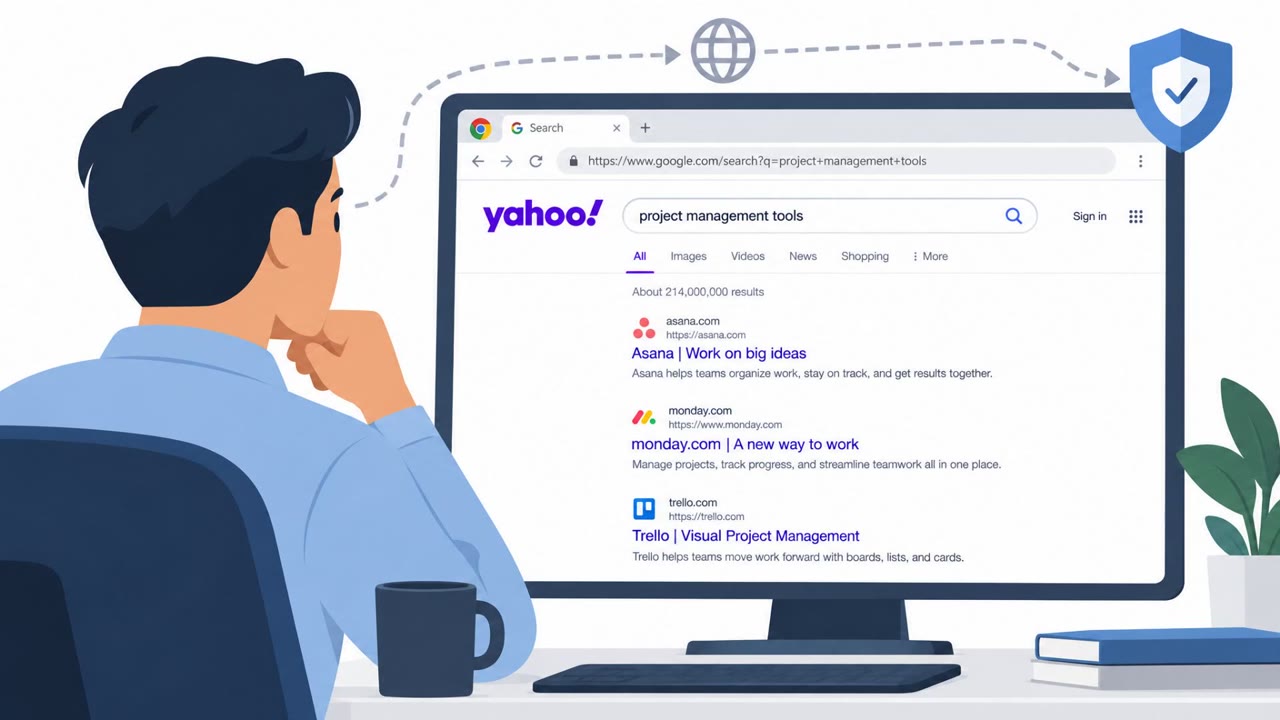
  • Searches were routed through operator-controlled infrastructure before users received Yahoo or Bing results.
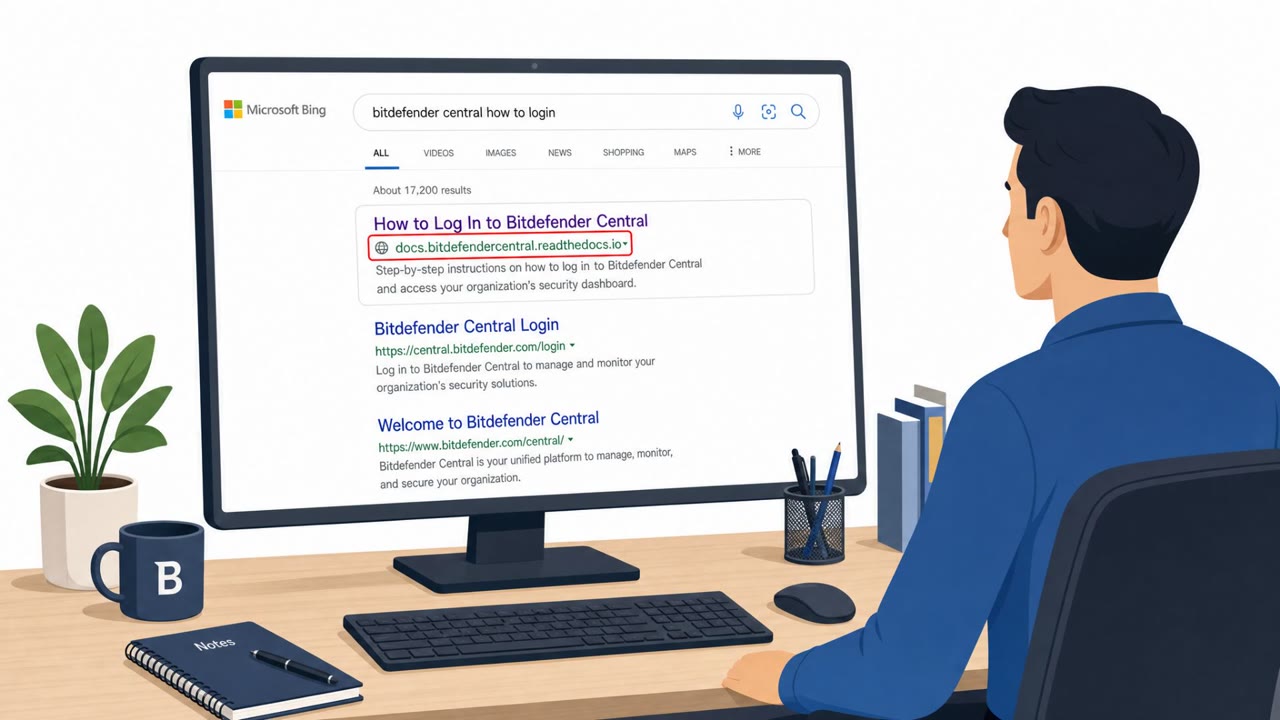
  • Google Ads and Bidbrain campaigns promoted branded landing pages that encouraged installation through popovers or popunders.
  • Most identified extensions were unlisted in the Chrome Web Store, making direct links and advertising important distribution channels.
  • Researchers linked groups of extensions through shared partner identifiers and synchronized updates, including clusters associated with Intango LTD and SecuryBrowse.

Who’s being targeted

  • Commonly targeted roles: All employees, Chrome users, IT support, Desktop engineering, Security operations, Procurement and software-approval teams.
  • Affected industries: Cross-industry, Consumer internet users, Organizations using Google Chrome.
  • Attack channels: website.
  • Impersonated: A legitimate-looking browser utility provider.

Awareness takeaways

  • Install browser extensions only through approved channels, and be especially cautious with add-ons promoted through advertisements, popups, or direct links.
  • Treat unexpected changes to your default search engine as a security warning and report them to IT or security.
  • Do not assume an extension is safe just because it requests few permissions or appears technically simple.
  • Remove unfamiliar browser add-ons and verify that your configured search engine is the one you selected.

Red flags to watch for

  • The extension is promoted from a direct advertising link rather than a trusted store listing.
  • The add-on promises a vague convenience feature but changes the browser’s search settings.
  • The extension is unlisted in the Chrome Web Store or has little visible functionality.
Try Mirage

Mirage safely runs attacks like this one against your own team, so you find out what happens before a real adversary does.

Get a demo
Read the video transcript

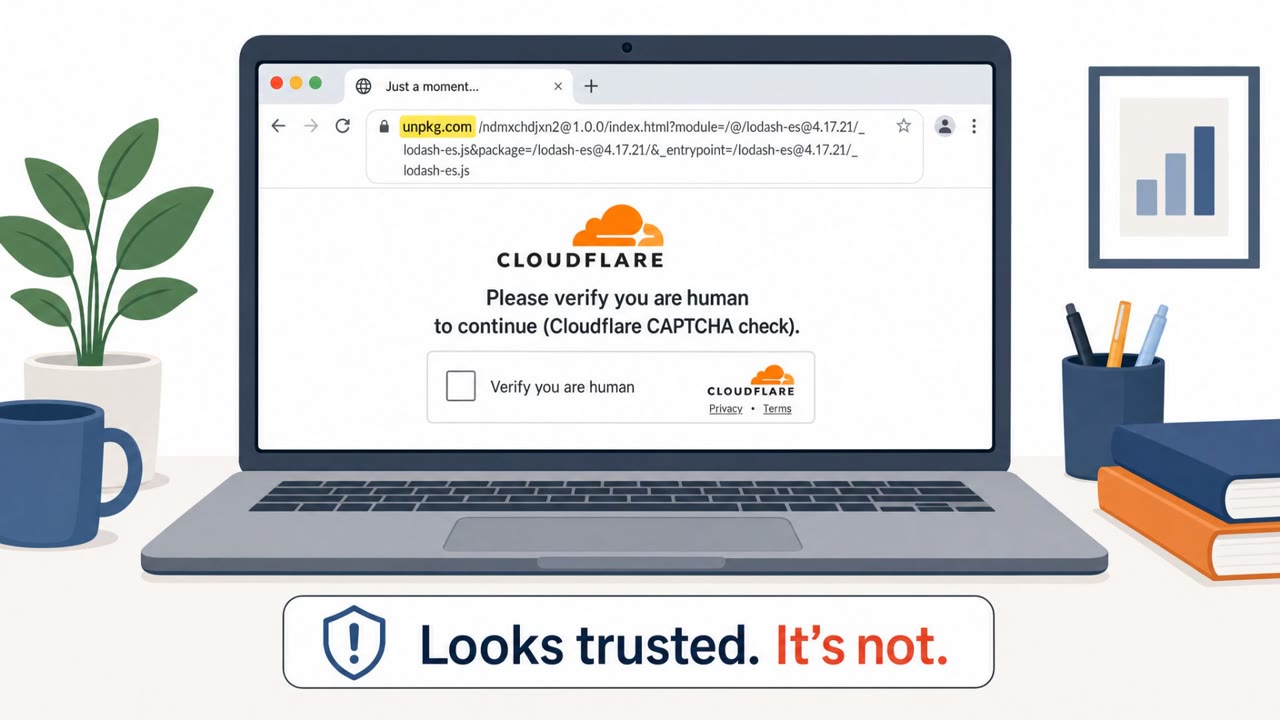
That handy PDF converter could be rerouting every search you make. Google Ads and Bidbrain promoted pages saying, 'Install our safe search utility for a better browsing experience.' A popover linked directly to an unlisted Chrome extension. Here's the trick: it can change Chrome's default search provider without asking for sensitive permissions. Your searches pass through its systems before Yahoo or Bing appears. Researchers found 319 such extensions. If your search engine changed unexpectedly, report it to IT.

MITRE ATT&CK techniques

T1176 - Browser ExtensionsT1036 - Masquerading

Categories

Similar attacks

319 Chrome Add-Ons Hijack User Searches

319 Chrome Add-Ons Hijack User Searches

Researchers linked 319 Chrome extensions to a long-running search-hijacking operation affecting roughly 13.4 million installs over time. The extensions were promoted as useful tools, such as PDF converters and safe-search helpers, but routed searches through operator-controlled servers to generate…

October 29, 2026
Hundreds of Fake Chrome VPNs Hijack Browsing

Hundreds of Fake Chrome VPNs Hijack Browsing

Researchers found 737 Chrome VPN/proxy extensions that impersonated well-known privacy brands and routed users’ browser traffic through attacker-controlled SOCKS5 proxies. The activity mainly targeted Russian-speaking users trying to access blocked services, putting the operator in a position to…

August 12, 2026
Fake Firefox Wallet Add-ons Steal Recovery Phrases

Fake Firefox Wallet Add-ons Steal Recovery Phrases

Researchers found 16 malicious Firefox browser extensions pretending to be Rabby or OKX crypto wallets. When a user imports a wallet, the fake add-ons capture the recovery phrase/private key and send it to attacker-controlled Cloudflare Workers, enabling wallet takeover and theft.

October 8, 2026
BengalSEO Tricks Bing Users Into Malware & Scam Calls

BengalSEO Tricks Bing Users Into Malware & Scam Calls

Researchers uncovered a long-running “SEO poisoning” operation that manipulates Bing search results to push people onto fake support and activation pages. Victims are steered through a chain of redirects to either download a malware-laced ZIP (MayaBot) or be pressured into calling a fake…

September 8, 2026
npm Mirrors Used for Fake Cloudflare CAPTCHA Phish

npm Mirrors Used for Fake Cloudflare CAPTCHA Phish

Researchers found a real phishing campaign abusing npm packages and unpkg mirrors to host a convincing fake Cloudflare CAPTCHA page on a trusted domain. Victims who click the mirrored link are redirected to attacker-controlled infrastructure that could deliver ClickFix-style prompts or credential…

August 25, 2026
Amatera Uses Fake AI Tools to Steal Data

Amatera Uses Fake AI Tools to Steal Data

Amatera is a subscription-based information stealer that affiliates distribute through fake AI-tool download pages, compromised websites, paid search ads, phishing, and deceptive ClickFix prompts. The scams convince people to copy and run a command to supposedly fix a CAPTCHA, browser error, or…

October 30, 2026