319 Chrome Add-Ons Hijack User Searches

Cybersecurity News · Medium sophistication
Last updated October 29, 2026

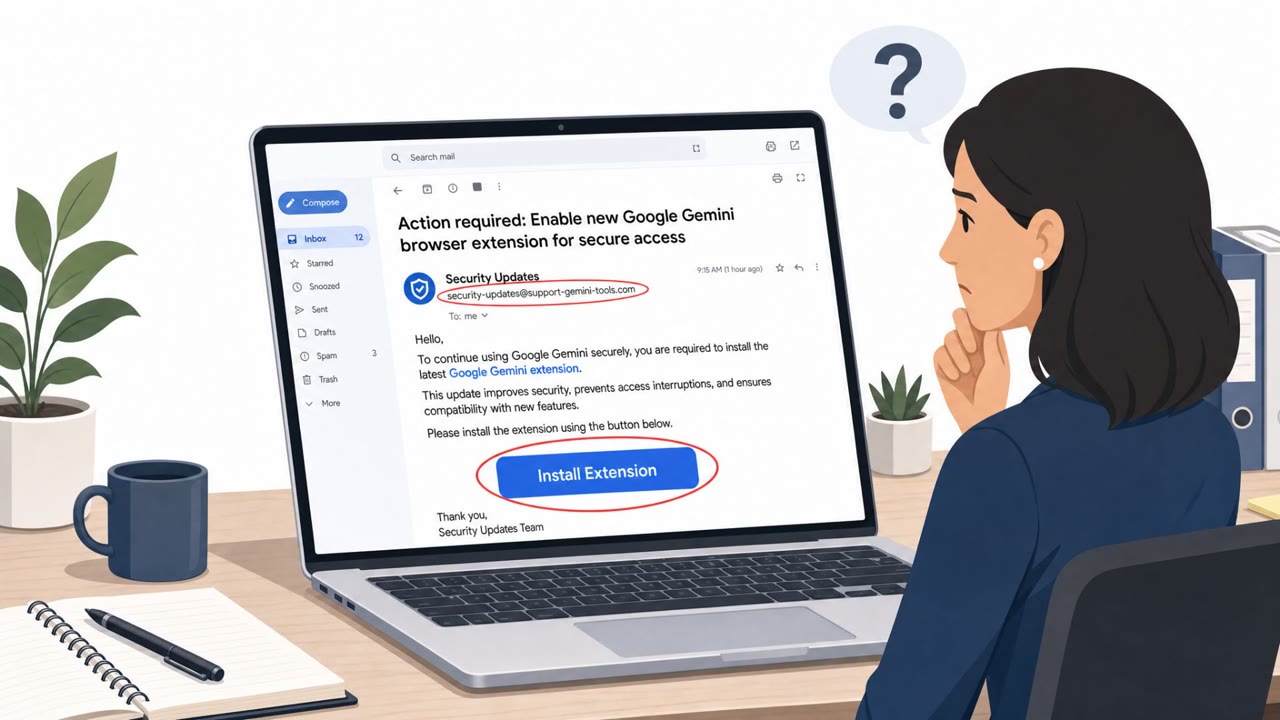
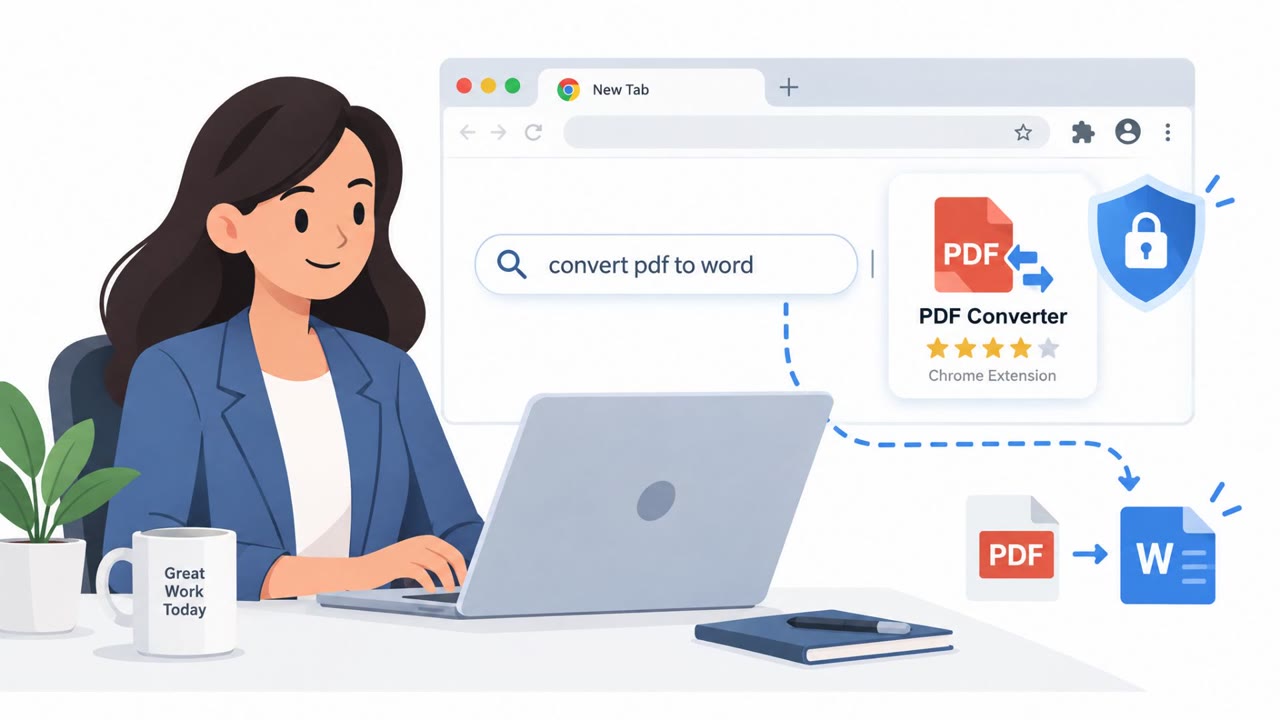
Researchers linked 319 Chrome extensions to a long-running search-hijacking operation affecting roughly 13.4 million installs over time. The extensions were promoted as useful tools, such as PDF converters and safe-search helpers, but routed searches through operator-controlled servers to generate referral revenue and expose users’ queries.

Key findings

  • The operation used 319 browser extensions and was linked to approximately 13.4 million installs across a decade; this does not mean all users remain affected today.
  • Extensions posed as useful utilities, including PDF converters, manual finders, safe-search tools, and AI search helpers.
  • Paid advertisements, popovers, and popunders directed users to landing pages that encouraged installation of the extensions.
  • The extensions abused Chrome’s search-provider override setting to route search queries through operator-controlled infrastructure before reaching Yahoo or Bing.
  • The intermediary infrastructure gave operators visibility into users’ searches and allowed them to alter destinations or redirect paths.
  • Many extensions were unlisted in the Chrome Web Store, making them accessible by direct link but harder to find through ordinary store searches.

Who’s being targeted

  • Commonly targeted roles: All employees, Chrome users, IT support, Endpoint management teams, Security awareness teams.
  • Affected industries: Cross-industry, Organizations using Google Chrome.
  • Attack channels: website.
  • Impersonated: A seemingly legitimate browser-extension publisher.

Awareness takeaways

  • Only install browser extensions from approved sources, and be especially cautious of utility extensions promoted through online advertisements.
  • Treat any request to change the default search engine as a security and privacy decision, not a routine browser setting.
  • Report unexpected search redirects and remove unfamiliar extensions instead of assuming a familiar Yahoo or Bing results page is safe.
  • Use managed browser extension allowlists and include search-provider settings in routine endpoint checks.

Red flags to watch for

  • The tool is reached through a paid ad, popover, or popunder rather than a trusted internal software catalog.
  • The extension requests or announces a search-engine change for a feature that does not clearly require it.
  • The extension is unlisted in the Chrome Web Store or is available only by direct link.
Try Mirage

Mirage safely runs attacks like this one against your own team, so you find out what happens before a real adversary does.

Get a demo
Read the video transcript

Yahoo results? Your search may have taken a detour. A paid ad offers “Safe Game Search.” Its landing page pushes a Chrome extension, then Chrome asks to change your default search provider. That’s the browser-hijacking step. The extension sends your query to its operator’s server before Yahoo or Bing. That familiar results page hides the detour. Some extensions were unlisted, reachable only by direct link. PDF converter, safe-search tool, AI helper, same trap. Install Chrome extensions only from your company’s approved catalog.

MITRE ATT&CK techniques

Similar attacks

319 Chrome Extensions Quietly Hijack Searches

319 Chrome Extensions Quietly Hijack Searches

Researchers identified 319 suspicious Chrome extensions tied to roughly 13.4 million reported users. The extensions were promoted as useful tools, such as PDF converters and safe-search utilities, but silently changed the browser’s default search provider to route searches through…

October 29, 2026

Fake Firefox Wallet Add-ons Steal Recovery Phrases

Fake Firefox Wallet Add-ons Steal Recovery Phrases

Researchers found 16 malicious Firefox browser extensions pretending to be Rabby or OKX crypto wallets. When a user imports a wallet, the fake add-ons capture the recovery phrase/private key and send it to attacker-controlled Cloudflare Workers, enabling wallet takeover and theft.

October 8, 2026
APT31 Phish Drops Fake “Gemini” Extension

APT31 Phish Drops Fake “Gemini” Extension

Multiple China-aligned espionage groups used phishing emails to deliver a “BlueMoon” exploit chain that abused three zero-day flaws in Chrome/Chromium and Windows. In observed campaigns, victims who clicked the phishing link ended up with a malicious browser extension disguised as Google Gemini,…

September 9, 2026
Fake AI Apps Use GitHub to Mine Crypto

Fake AI Apps Use GitHub to Mine Crypto

The Yoba malware campaign uses fake GitHub projects and search-result manipulation to make counterfeit ChatGPT and Claude downloads look trustworthy. Victims receive a real, signed installer alongside malware, so the application appears legitimate while the malicious software installs and…

October 30, 2026
Amatera Uses Fake AI Tools to Steal Data

Amatera Uses Fake AI Tools to Steal Data

Amatera is a subscription-based information stealer that affiliates distribute through fake AI-tool download pages, compromised websites, paid search ads, phishing, and deceptive ClickFix prompts. The scams convince people to copy and run a command to supposedly fix a CAPTCHA, browser error, or…

October 30, 2026
Campaign Spoofing Puts Donors at Risk

Campaign Spoofing Puts Donors at Risk

The FBI warns that scammers are impersonating political candidates and campaigns to solicit donations and steal personal information ahead of the midterms. Attackers use candidates’ names, logos, and AI-generated voices or messages, while weak email authentication can allow fraudulent messages to…

October 29, 2026