AI-Cloned Sheriff Voice Pushes Fake Warrants

404 Media · High sophistication
Last updated October 19, 2026

Scammers reportedly cloned Osceola County Sheriff Steve Moser’s voice and used his photo in a voicemail to make a fake arrest-warrant call appear legitimate. Similar police-impersonation scams involving alleged missed jury duty or outstanding warrants have been reported in several states, using fear and urgency to pressure residents.

Key findings

  • Scammers allegedly cloned Osceola County Sheriff Steve Moser’s voice and left a voicemail for a resident.
  • The scam also used the sheriff’s photograph to strengthen the impersonation.
  • The stated lures involve claims that a person missed jury duty or has an arrest warrant.
  • Related reports in Georgia and Pennsylvania suggest the police-impersonation pattern is spreading across states.
  • Voice cloning can add credibility to authority-based fraud and is also used to impersonate business leaders in payment scams.

Who’s being targeted

  • Commonly targeted roles: All employees, Front desk and customer service teams, Finance and payment-approval teams, Executive assistants, Older adults and family members.
  • Affected industries: Government and law enforcement, Residents and consumers, Financial services, Legal services.
  • Attack channels: vishing.
  • Impersonated: Osceola County Sheriff Steve Moser / local sheriff's office.

Awareness takeaways

  • Do not treat a familiar voice, official photo, or caller identity as proof that a caller is legitimate; independently contact the agency using a trusted public number.
  • Be skeptical of unexpected messages that claim you missed jury duty or face an arrest warrant, especially when they create fear or demand immediate action.
  • For payment or sensitive requests received by phone, use a second, known communication channel to verify the request with the person or organization.

Red flags to watch for

  • An unexpected voicemail uses threats of arrest or legal consequences to create urgency.
  • The caller's apparent voice and photo are not proof that the caller is a real law-enforcement official.
  • The message asks the recipient to act through an unverified phone number rather than independently contacting the sheriff's office.
Try Mirage

Mirage safely runs attacks like this one against your own team, so you find out what happens before a real adversary does.

Get a demo
Read the video transcript

A voicemail says you’ve got an arrest warrant. It sounds like the sheriff. In Osceola County, a voicemail allegedly used Sheriff Steve Moser’s cloned voice and photo. The message claimed an arrest warrant or missed jury duty, then pushed for a callback. That’s the trick: a familiar voice and official photo can both be faked. The rush to call back is the red flag, not proof the warrant is real. Don’t call the voicemail’s number. Look up the sheriff’s office public number and call that instead.

Similar attacks

Singapore Runs AI Scam Call “Fire Drills”

Singapore Runs AI Scam Call “Fire Drills”

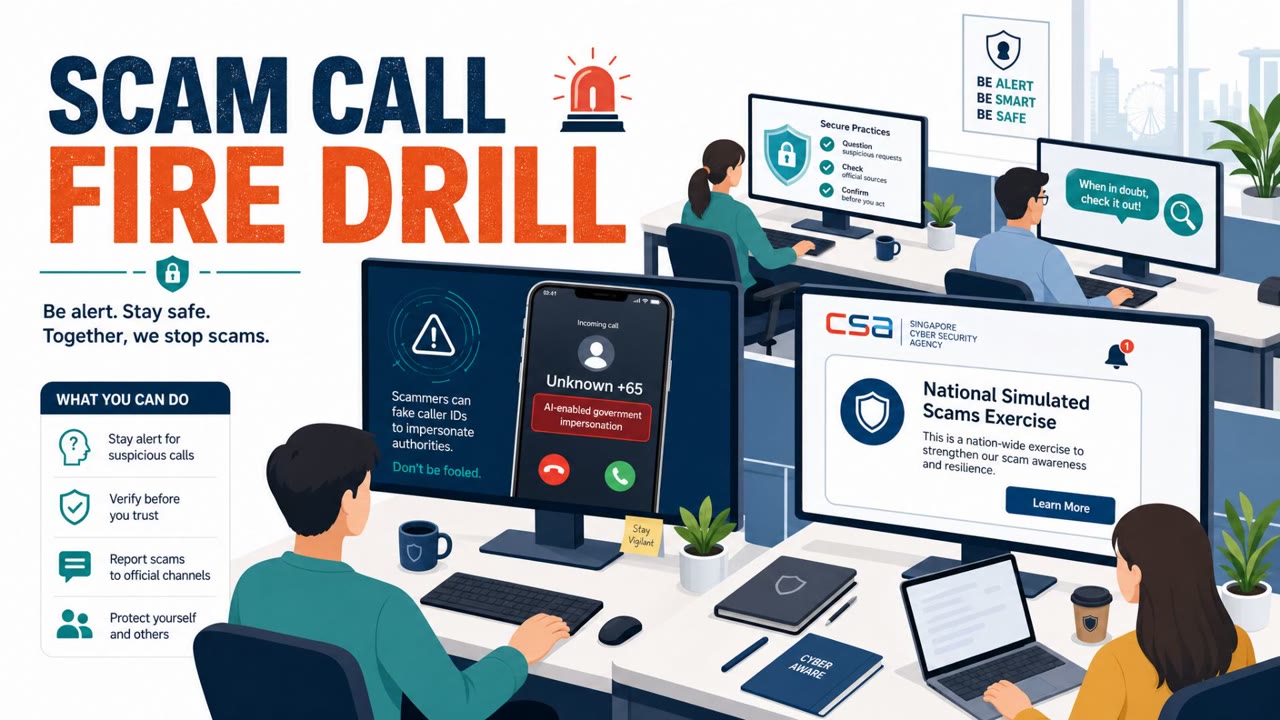
Singapore’s Cyber Security Agency is running a national exercise where volunteers receive simulated robocalls that mimic government impersonation scams, including AI-enabled calls. The article also points to real-world cases where criminals impersonated company executives on WhatsApp and even used…

August 15, 2026
Fake “FBI Agents” Target Scam Victims in DMs

Fake “FBI Agents” Target Scam Victims in DMs

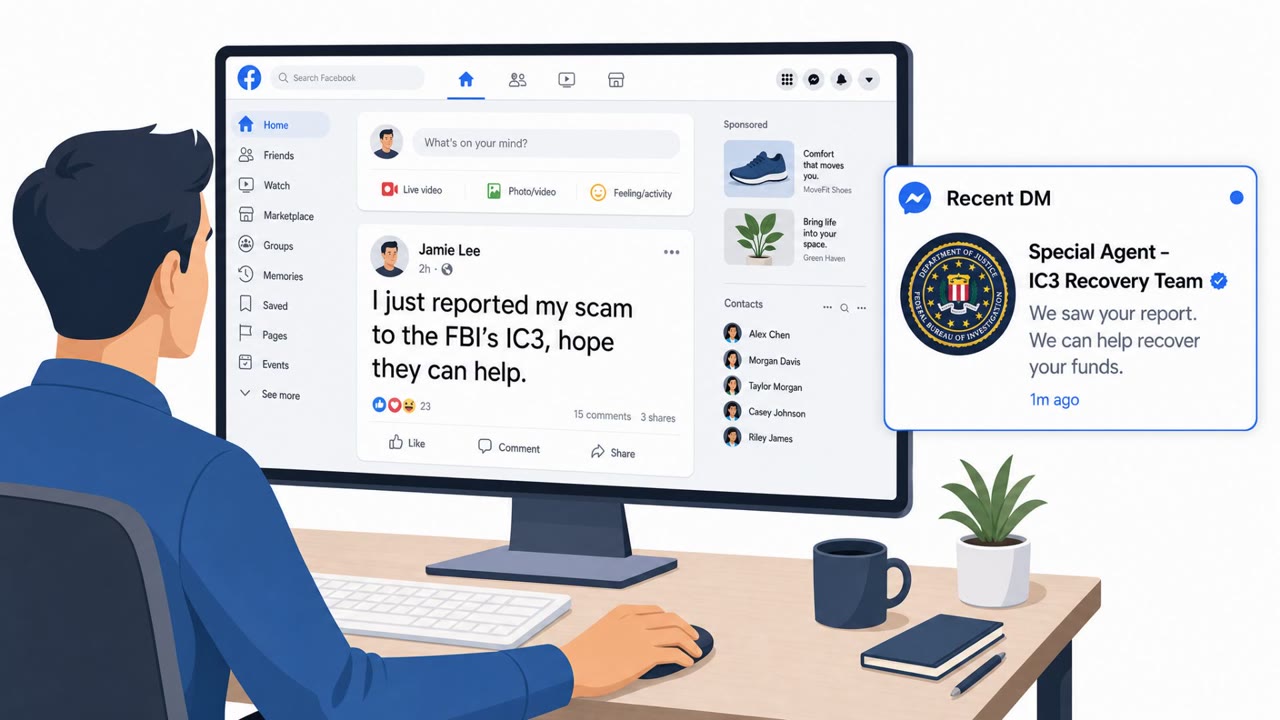
The FBI’s IC3 warns that scammers are impersonating FBI/IC3 staff on social media and messaging apps, especially targeting people who have already been scammed. The criminals use convincing branding (logos, fake reviews) and may even use AI-generated deepfake videos to pressure victims into…

July 21, 2026
Bitcoin ATM Payment Demand? It’s a Scam Script

Bitcoin ATM Payment Demand? It’s a Scam Script

The article describes a common fraud pattern where scammers impersonate police, government officials, or other trusted authorities over the phone to pressure victims into paying via a Bitcoin/crypto ATM. The victim is told their money is at risk, instructed to withdraw cash, and then directed to…

September 25, 2026
AI Voice Agents Fuel New Phone Fraud Wave

AI Voice Agents Fuel New Phone Fraud Wave

The article describes real-world cases where AI agents interacted with banks and contact centers, including an investment agent that nearly wired out a customer’s funds after encountering a scam offer. It also highlights AI voice agents calling enterprises at high volume, sometimes lying about…

September 18, 2026
Deepfake ‘Kidnapping’ Calls and the Safe Word Fix

Deepfake ‘Kidnapping’ Calls and the Safe Word Fix

The article describes how scammers use AI voice cloning to impersonate a loved one during a phone call and pressure relatives into paying money (often framed as a kidnapping emergency). It recommends a practical defense: a pre-agreed family “safe word” and a simple verification process (hang up and…

September 10, 2026
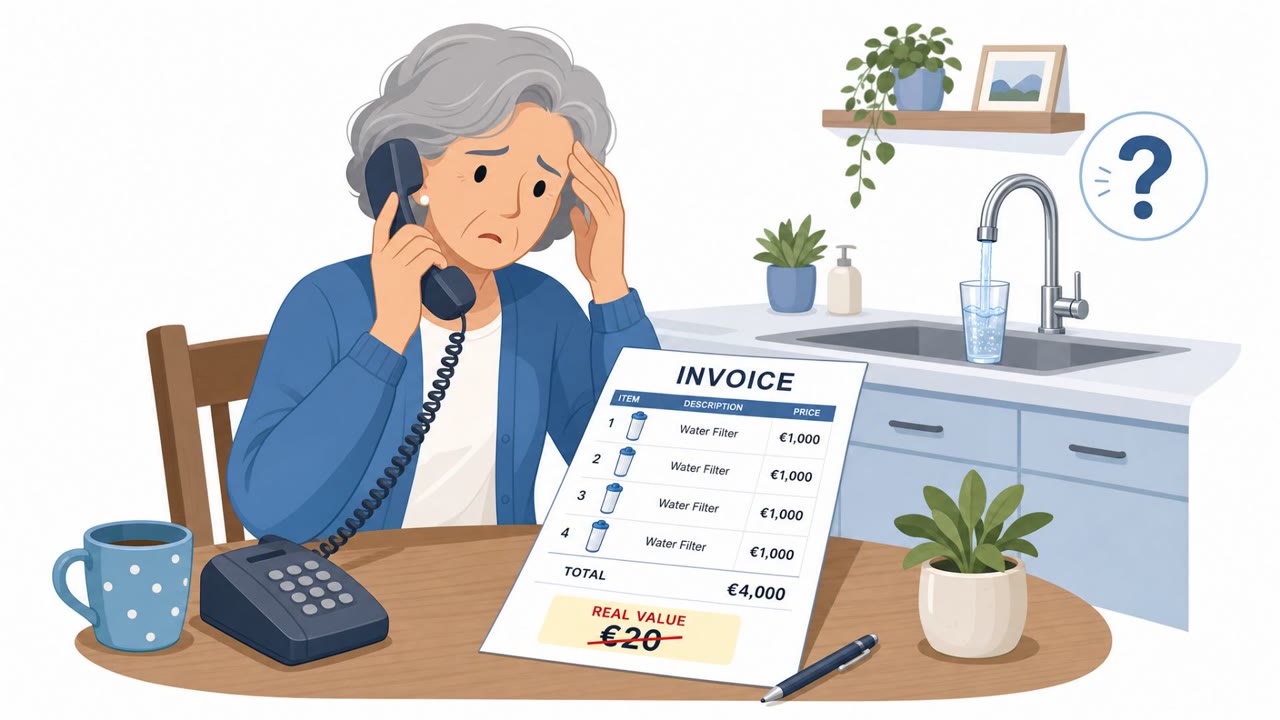
Phone Scammers Used Fear to Sell €4,000 of Fake Filters

Phone Scammers Used Fear to Sell €4,000 of Fake Filters

A real phone scam convinced an elderly woman that her drinking water was unsafe and pressured her into buying four overpriced “water filters,” costing about €4,000. The article also describes common Portugal-targeted scams, including “Hi Mum/Hi Dad, I lost my phone” money-transfer fraud and SMS…

August 14, 2026