Recent Law Firm Cyber Attacks

Attacks on law firms and legal service providers, where client confidentiality makes phishing and pretexting especially damaging. Each entry is broken down with an original video explainer, key findings, and the red flags your team should watch for. How we produce these.

Social Engineering Hits Two Major Law Firms

Social Engineering Hits Two Major Law Firms

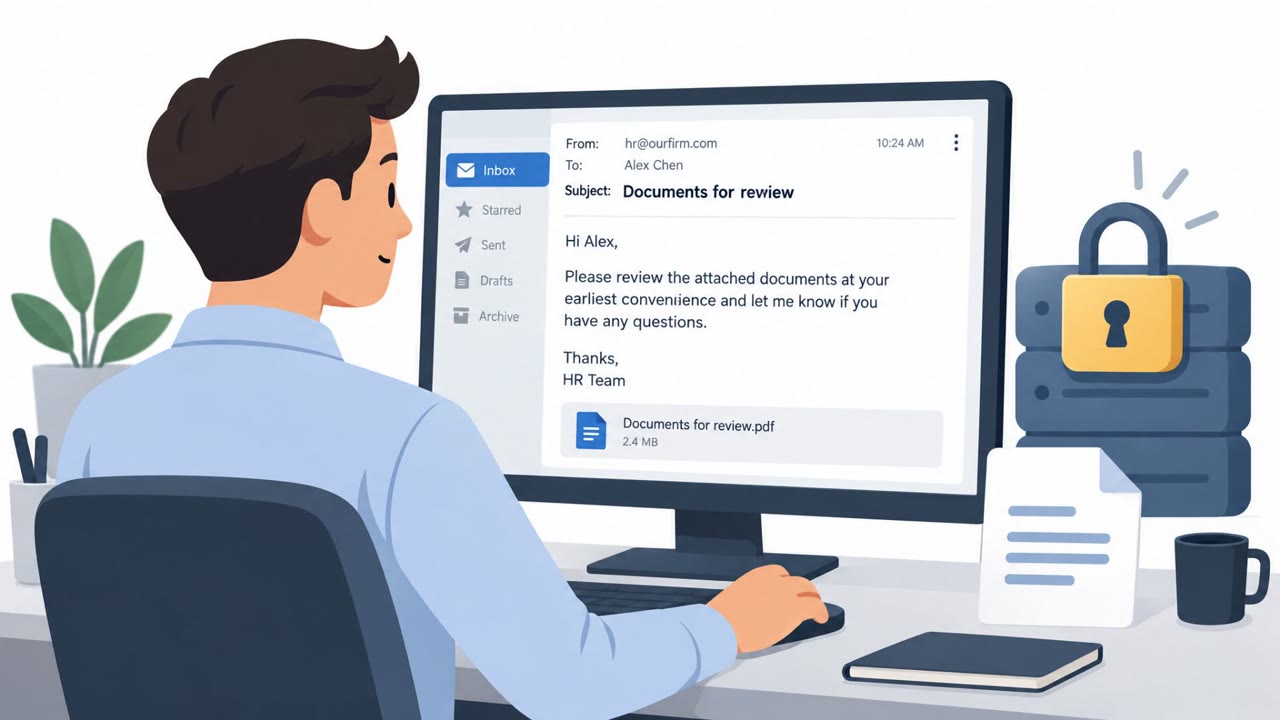
Baker McKenzie and Troutman Pepper Locke reported separate social-engineering incidents in which employees disclosed sensitive legal documents to unauthorized people. The attackers did not appear to break into either firm’s systems; instead, they relied on deceptive but credible-looking…

November 3, 2026
Fake Court Notices Spread LodaRAT

Fake Court Notices Spread LodaRAT

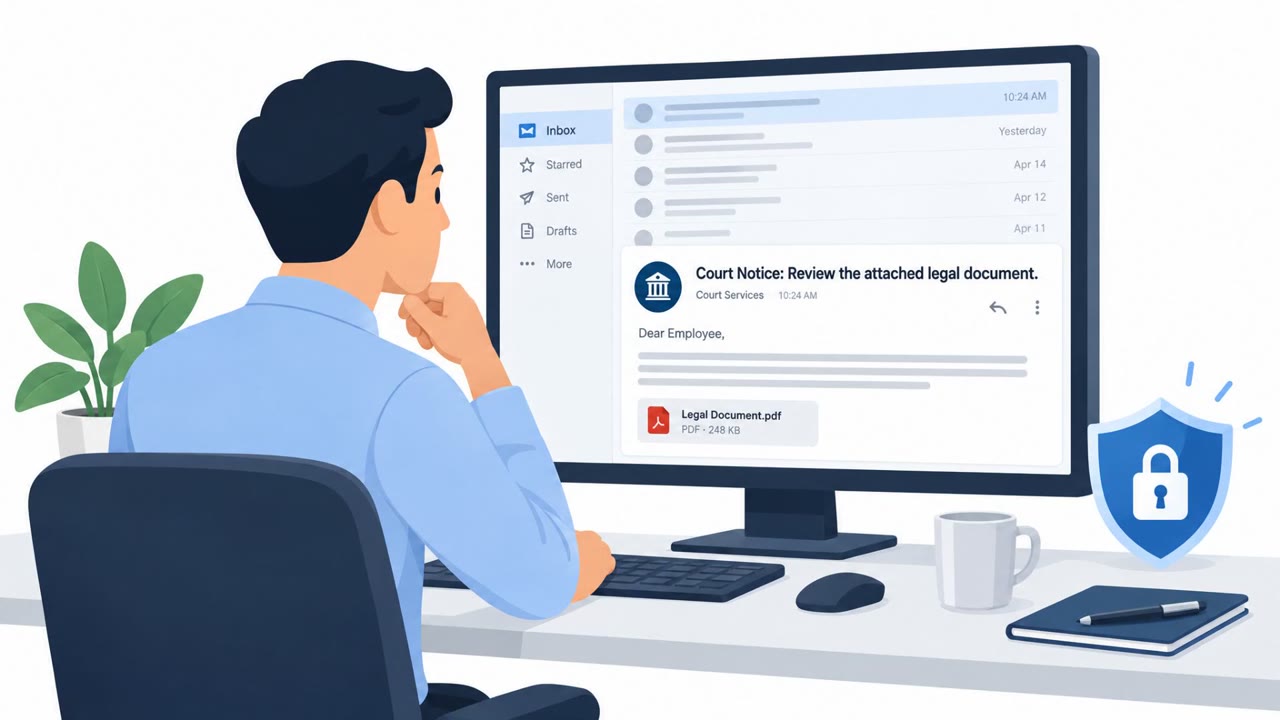
A real phishing campaign is using convincing court notices to trick recipients into opening attachments or downloading files that deliver LodaRAT malware. The malware can steal browser session cookies and give attackers remote control of Windows systems. Employees should verify unexpected legal…

October 30, 2026
Fake Court Notices Deliver LodaRAT

Fake Court Notices Deliver LodaRAT

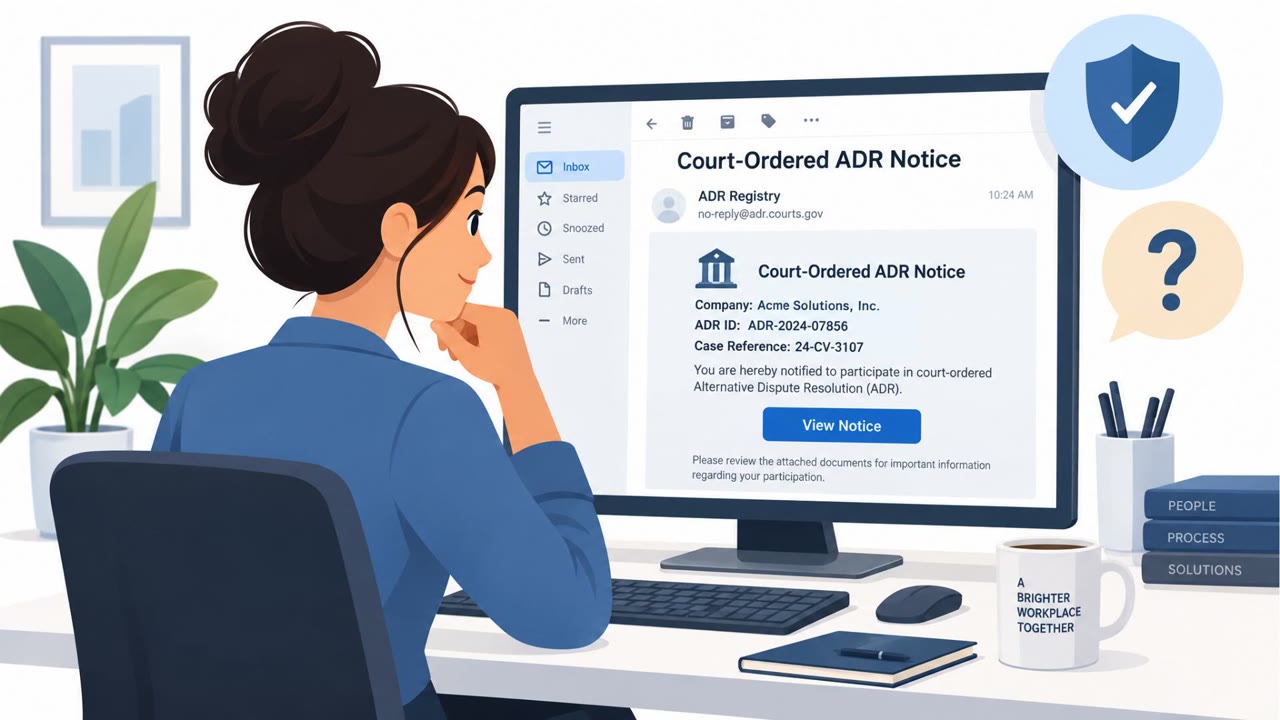
Attackers sent personalized fake federal court notices to more than 100,000 companies, impersonating the US District Court for the Southern District of Florida. The emails directed recipients to a counterfeit court website and offered a password-protected case file that ultimately installed…

October 28, 2026
Fake Court Notices Deliver XWorm

Fake Court Notices Deliver XWorm

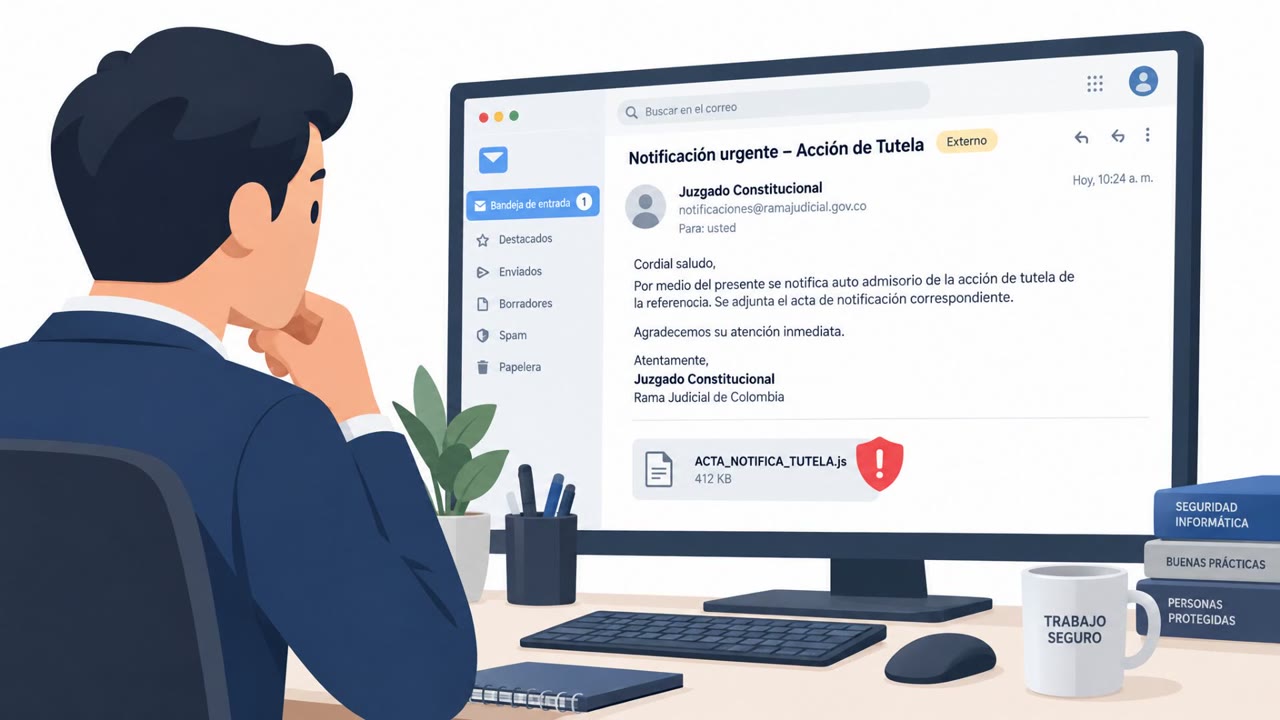
Attackers targeted Colombian organizations with Spanish-language emails posing as urgent court notices. The messages use legal-looking JavaScript or VBScript attachments, sometimes inside ZIP files, to install XWorm and give criminals remote control of the victim’s computer. Employees should…

October 28, 2026
Fake Legal Notices Hide Malware in VLC and VMware

Fake Legal Notices Hide Malware in VLC and VMware

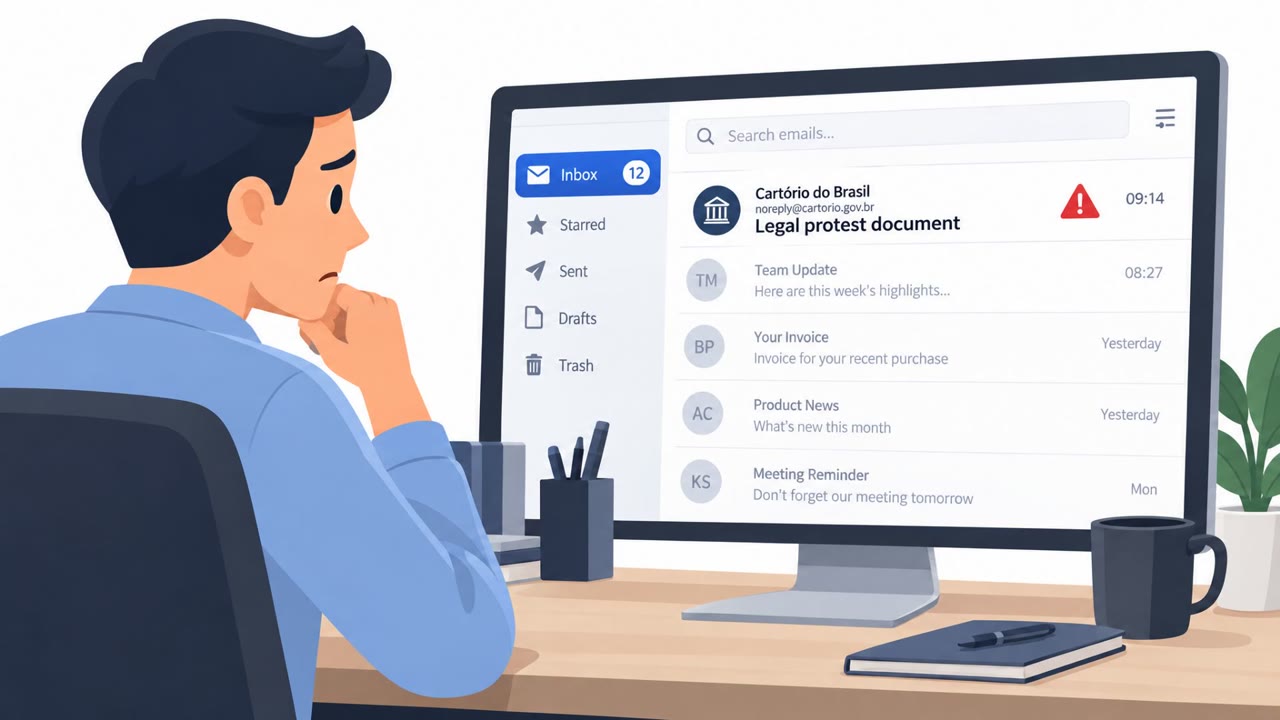
Three real malware campaigns targeted people in Brazil and Portugal with fake legal notices, invoice pages, and finance-themed documents. Victims were directed to scripts, installers, or an ISO file that abused trusted VLC, VMware, and Microsoft utilities to load malicious code. The most useful…

October 27, 2026
AI-Cloned Sheriff Voice Pushes Fake Warrants

AI-Cloned Sheriff Voice Pushes Fake Warrants

Scammers reportedly cloned Osceola County Sheriff Steve Moser’s voice and used his photo in a voicemail to make a fake arrest-warrant call appear legitimate. Similar police-impersonation scams involving alleged missed jury duty or outstanding warrants have been reported in several states, using…

October 19, 2026
Silent Ransom Group: $207M via Calls, Not Malware

Silent Ransom Group: $207M via Calls, Not Malware

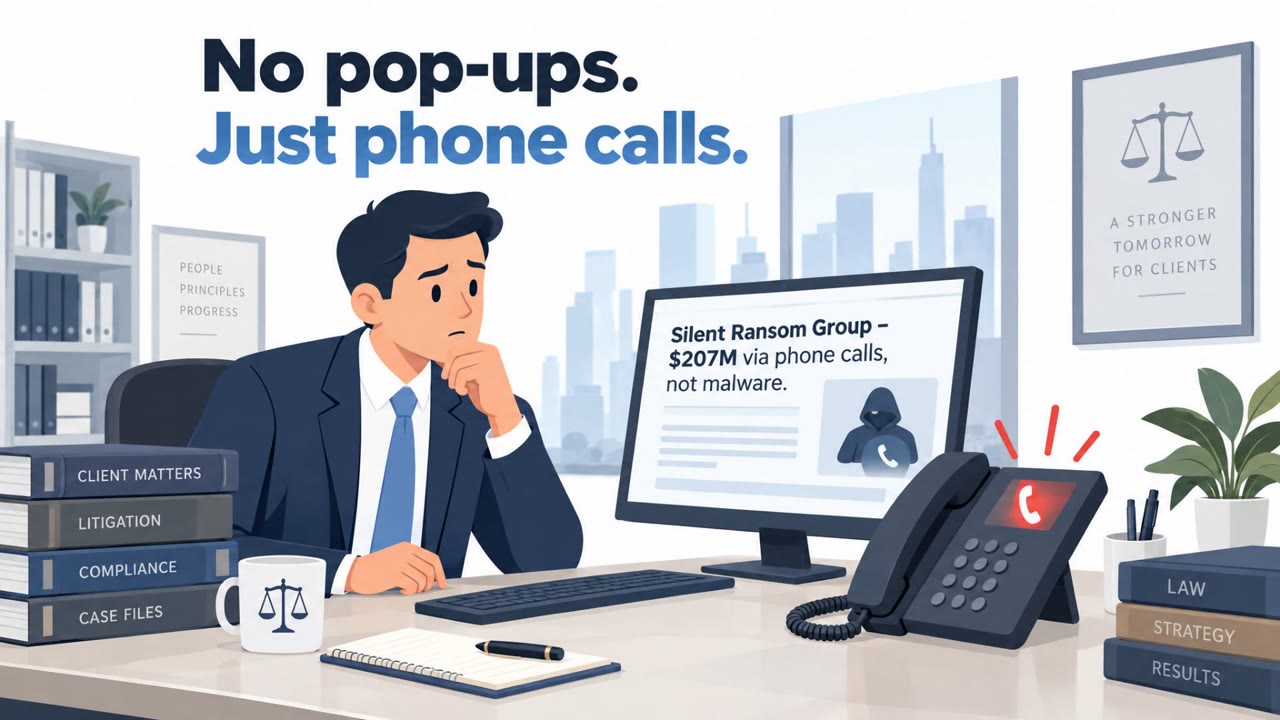
Silent Ransom Group allegedly extorted law firms by using phone calls and social engineering to trick employees into giving access or uploading sensitive files, without encrypting data. Leaked internal chats suggest 27 law firms paid roughly $207M in a six‑month span, with individual payments…

October 10, 2026
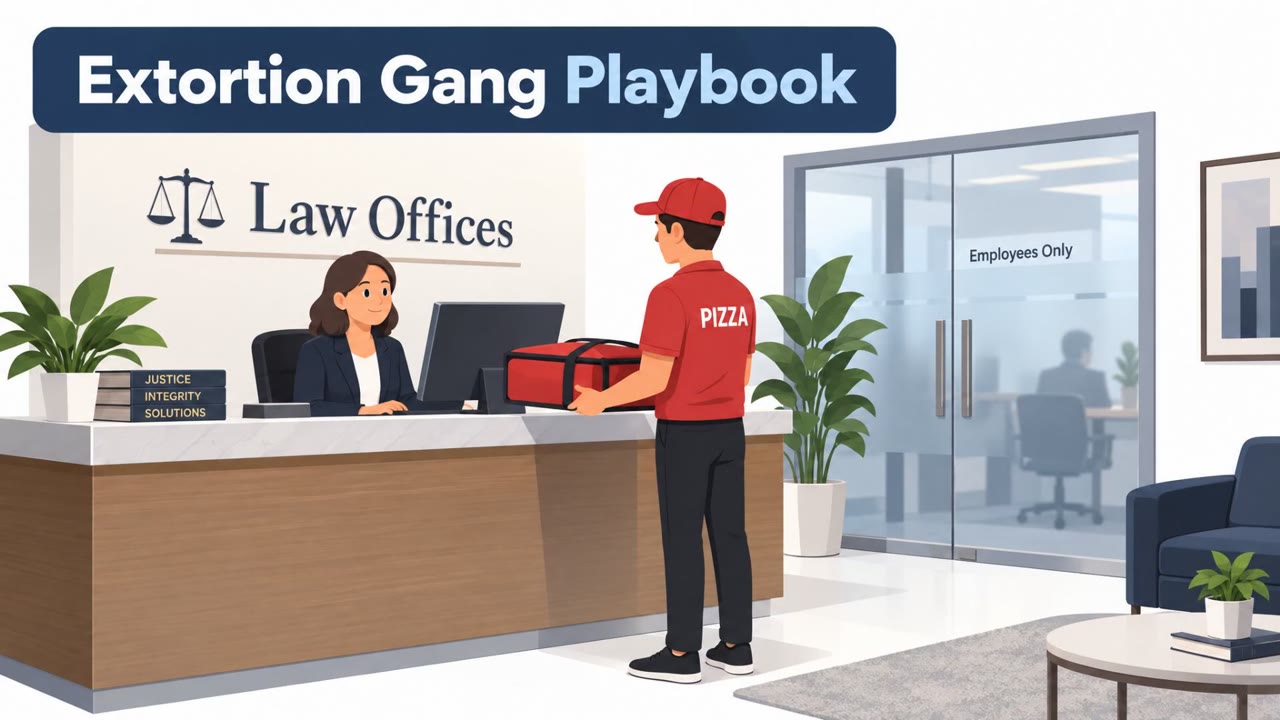
Extortion Gang Plots Office Infiltration of Law Firms

Extortion Gang Plots Office Infiltration of Law Firms

Leaked chat logs linked to the Silent Ransom Group describe efforts to pressure U.S. law firms through extortion and, unusually, by sending in-person “agents” to physically enter offices and copy data. The FBI previously warned that people tied to the group were posing as IT staff to gain access,…

October 8, 2026
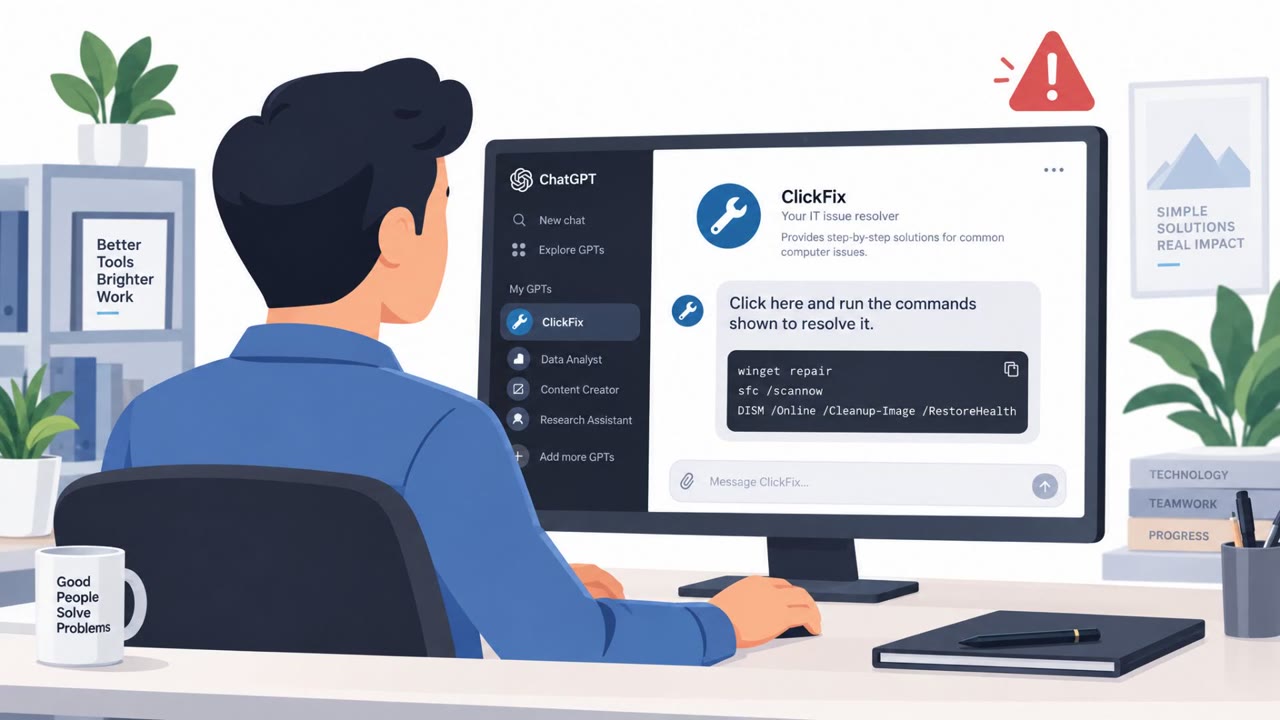
Custom GPT ‘ClickFix’ Lured Users to Run Malware

Custom GPT ‘ClickFix’ Lured Users to Run Malware

This weekly bulletin highlights multiple real-world incidents, including phishing and impersonation campaigns. Notably, researchers found attackers using malicious “Custom GPTs” on ChatGPT to redirect victims to a Google Sites page and trick them into running commands that install remote-access…

October 5, 2026
TA419 Phishes AI Policy Experts With Microsoft AitM

TA419 Phishes AI Policy Experts With Microsoft AitM

China-aligned threat actor TA419 ran real credential-phishing campaigns targeting U.S. AI policy experts at think tanks, universities, and law firms. The operation used trust-building outreach followed by a shortened link that redirected victims through checks to a fake Microsoft/OneDrive sign-in…

October 4, 2026
China-Linked TA419 Phishes US AI Policy Experts

China-Linked TA419 Phishes US AI Policy Experts

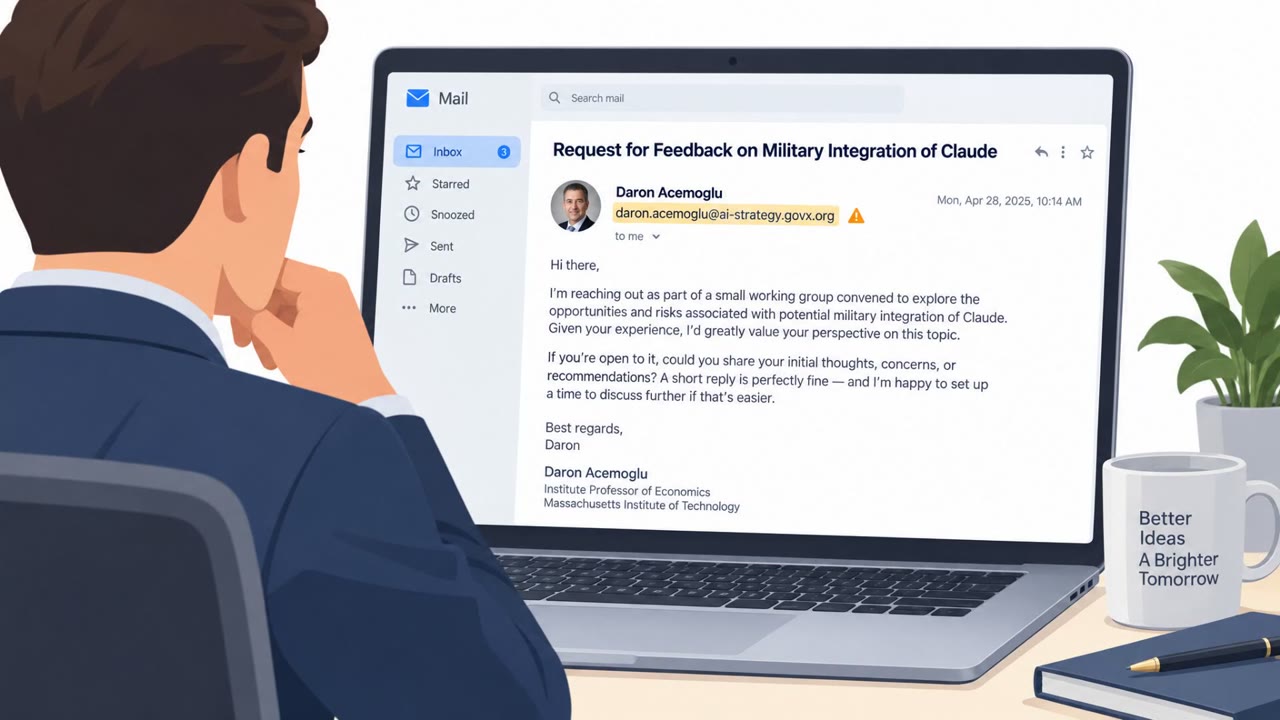
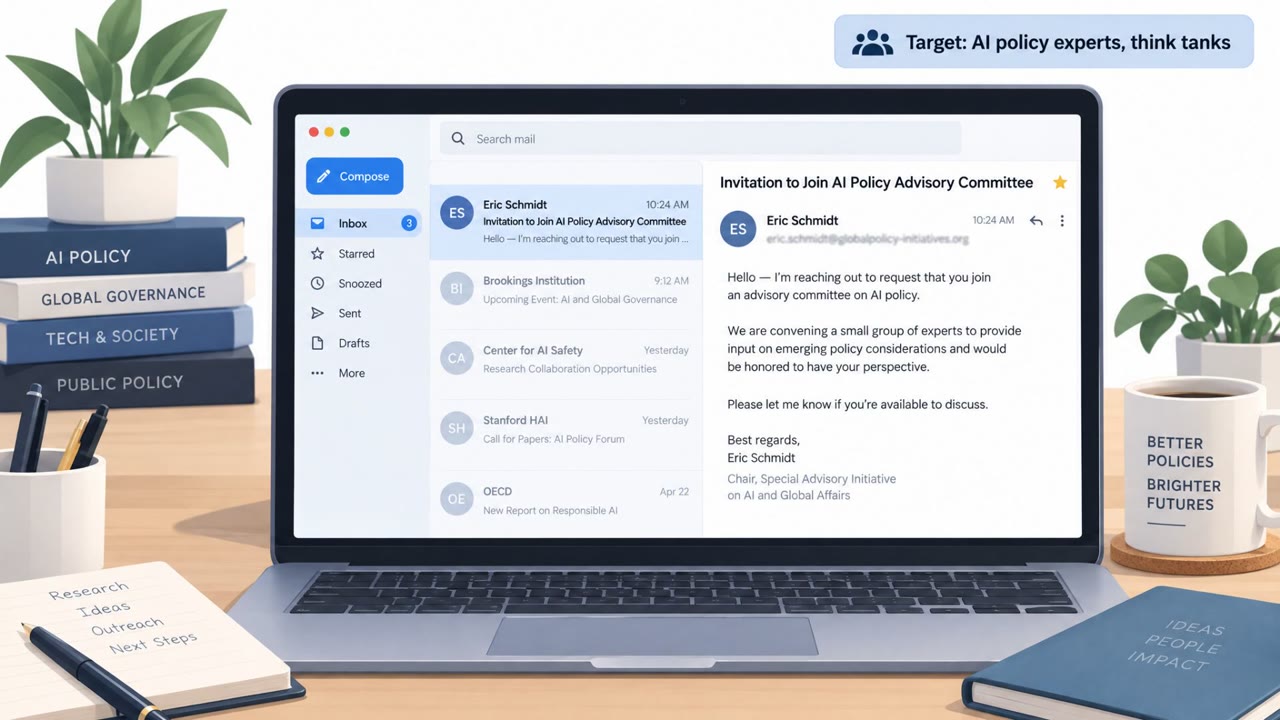
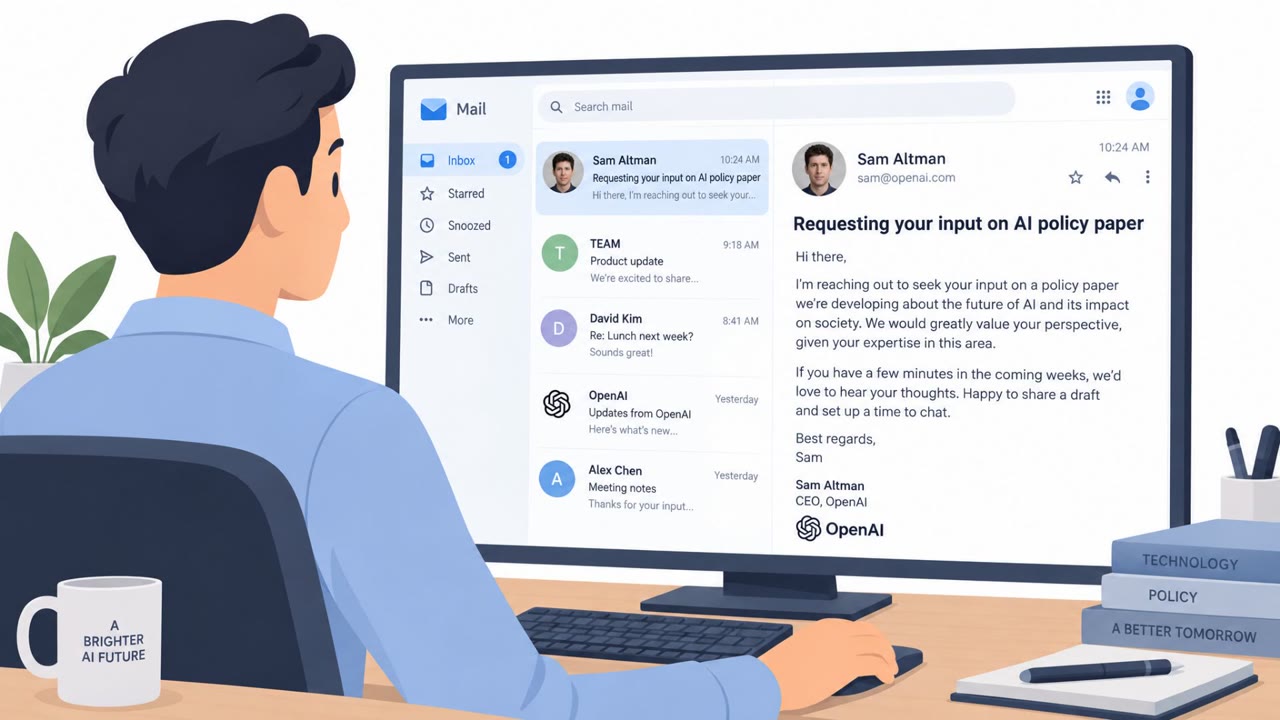
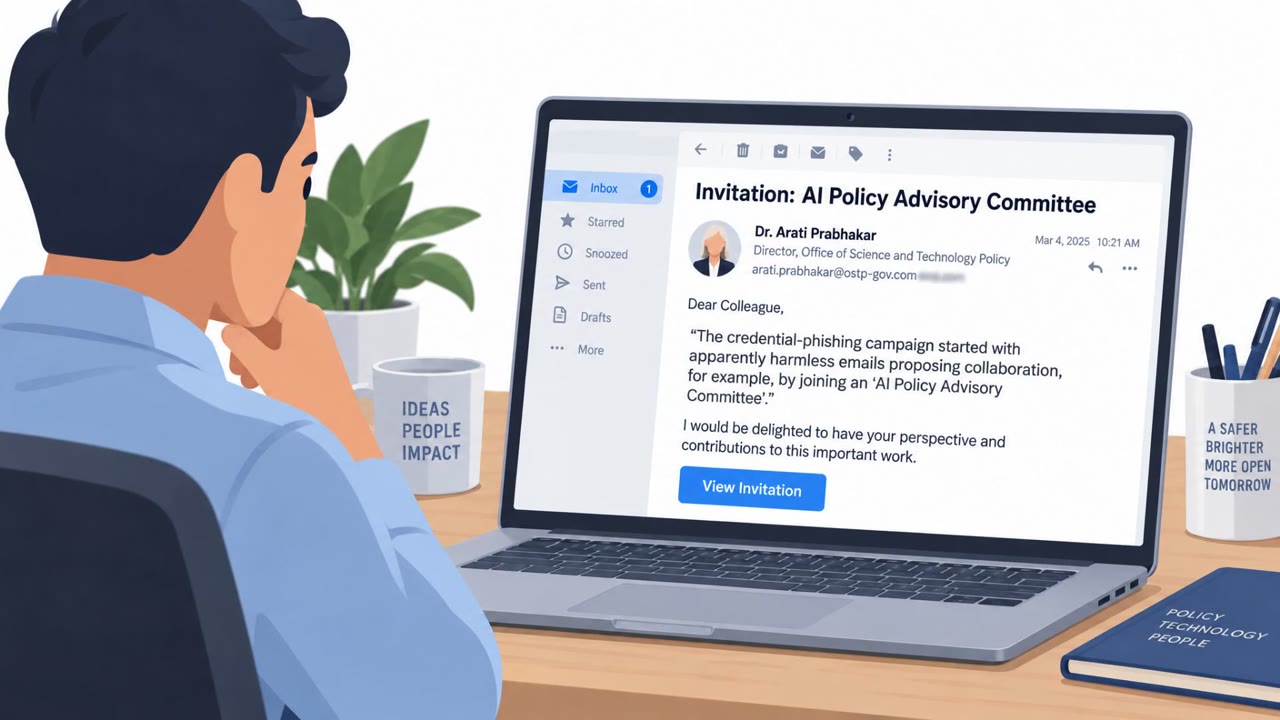
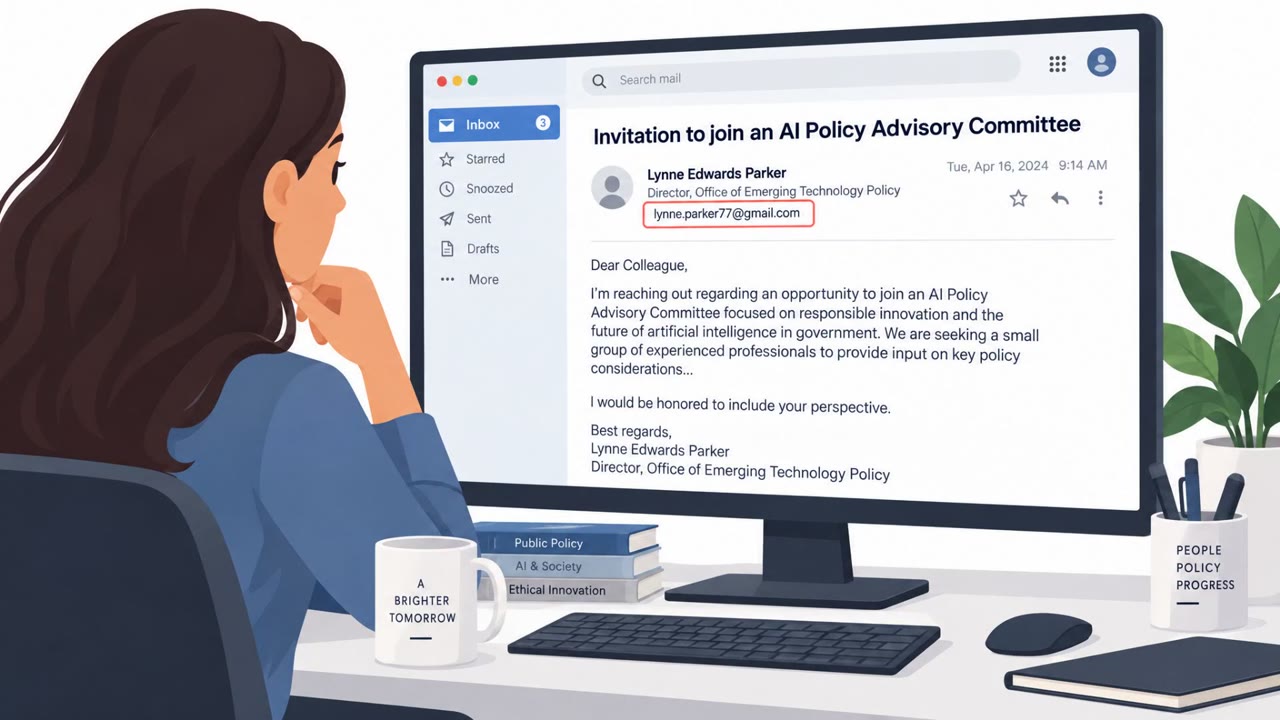
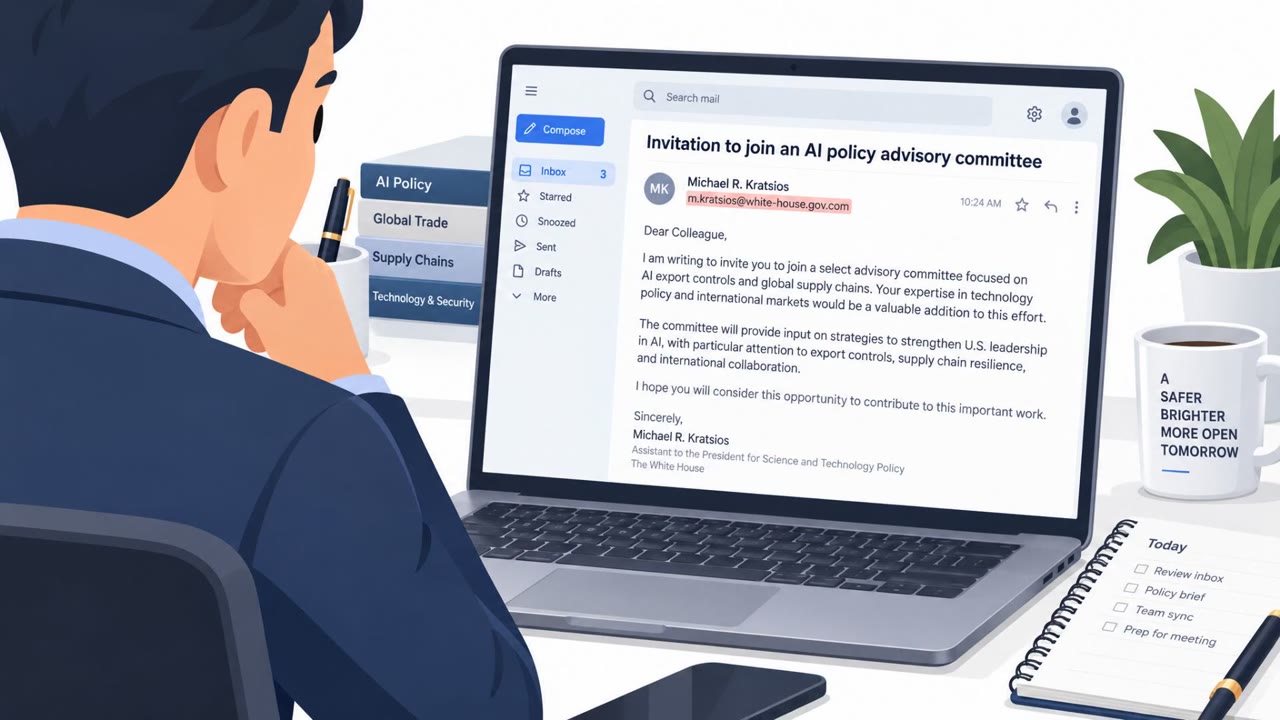
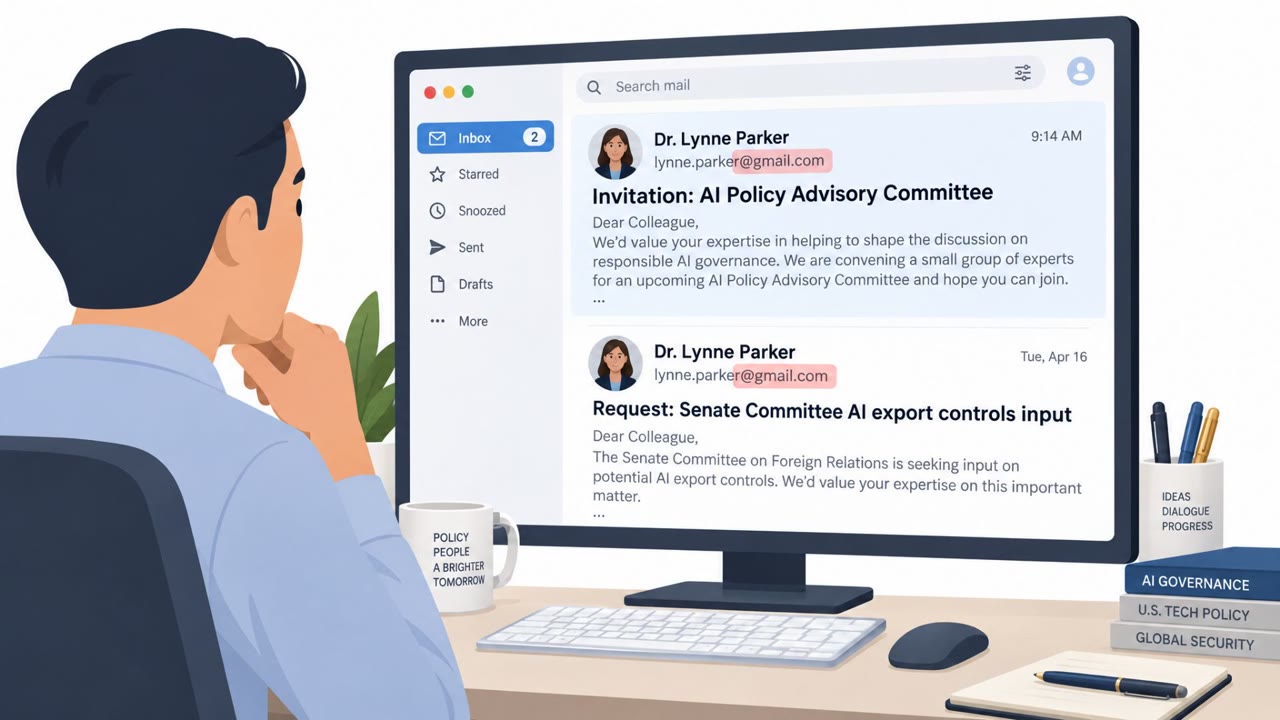
Proofpoint linked China-nexus actor TA419 to credential-phishing campaigns aimed at U.S. AI policy experts, including people at think tanks. The attacker impersonated well-known AI policymakers and an Anthropic executive, using believable “advisory committee” and “research questions” emails to draw…

October 2, 2026
Chinese Spy Phish + Airmen BEC Sentenced

Chinese Spy Phish + Airmen BEC Sentenced

A China-aligned group (TA419) impersonated well-known U.S. figures to lure AI policy experts into a fake OneDrive/Microsoft 365 login that could steal session cookies even when MFA is enabled. Separately, two U.S. airmen were sentenced for a multi-year business email compromise scheme where they…

October 2, 2026
Fake AI Experts Lure Think Tanks Into M365 Phish

Fake AI Experts Lure Think Tanks Into M365 Phish

A China-aligned group (TA419) targeted US AI policy experts by impersonating well-known AI and policy figures and sending friendly “collaboration” emails. If the target engaged, the attackers redirected them through multiple URLs to a fake Microsoft login pop-up designed to steal Microsoft 365…

October 2, 2026
China-Linked Phishers Target AI Policy Experts

China-Linked Phishers Target AI Policy Experts

Researchers reported two China-aligned campaigns that used phishing and impersonation to target AI policy experts and multiple Asian government organizations. One campaign built rapport with “AI policy” themed outreach before sending links to a OneDrive credential-harvesting page, while another…

October 1, 2026
Fake AI Advisory Invites Steal M365 Logins

Fake AI Advisory Invites Steal M365 Logins

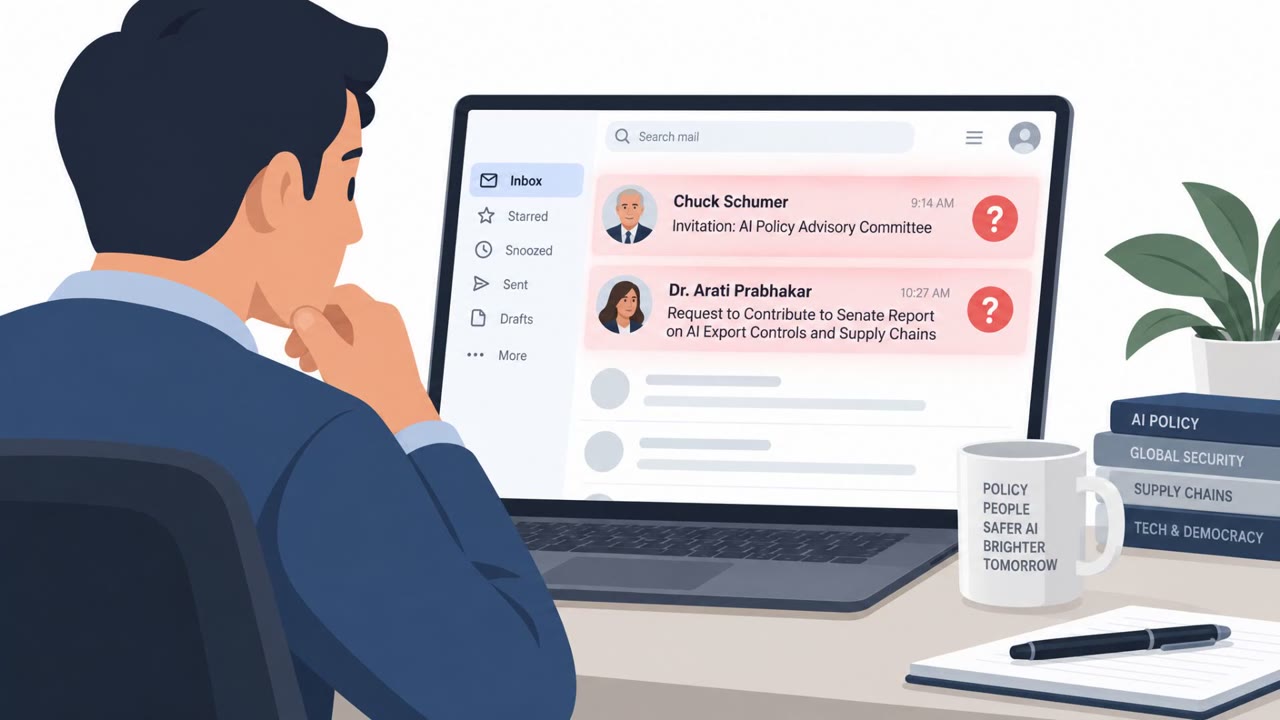
Researchers say a China-aligned group (TA419) impersonated well-known AI policy figures and an Anthropic executive to lure US AI policy experts into replying to emails about a fake advisory committee or Senate report. Once a target engaged, the attackers sent shortened links that led through a fake…

October 1, 2026
China-Linked Phish Targets AI Policy Experts

China-Linked Phish Targets AI Policy Experts

Proofpoint reports a China-aligned espionage group (TA419) targeted U.S. AI policy experts at think tanks, universities, and law firms using phishing emails that impersonated well-known officials and AI industry figures. The attackers tried to start a conversation first, then sent a shortened link…

October 1, 2026
Fake AI Advisory Invites Lure US Policy Targets

Fake AI Advisory Invites Lure US Policy Targets

A China-aligned group (tracked as TA419) impersonated real AI policy figures and sent benign-sounding outreach to people working on AI policy at US and Japanese organizations. Once targets replied, the attackers sent a shortened link that ultimately led to a fake OneDrive/Microsoft 365 login page…

October 1, 2026
Revolut Tricked by Stolen Govt Email

Revolut Tricked by Stolen Govt Email

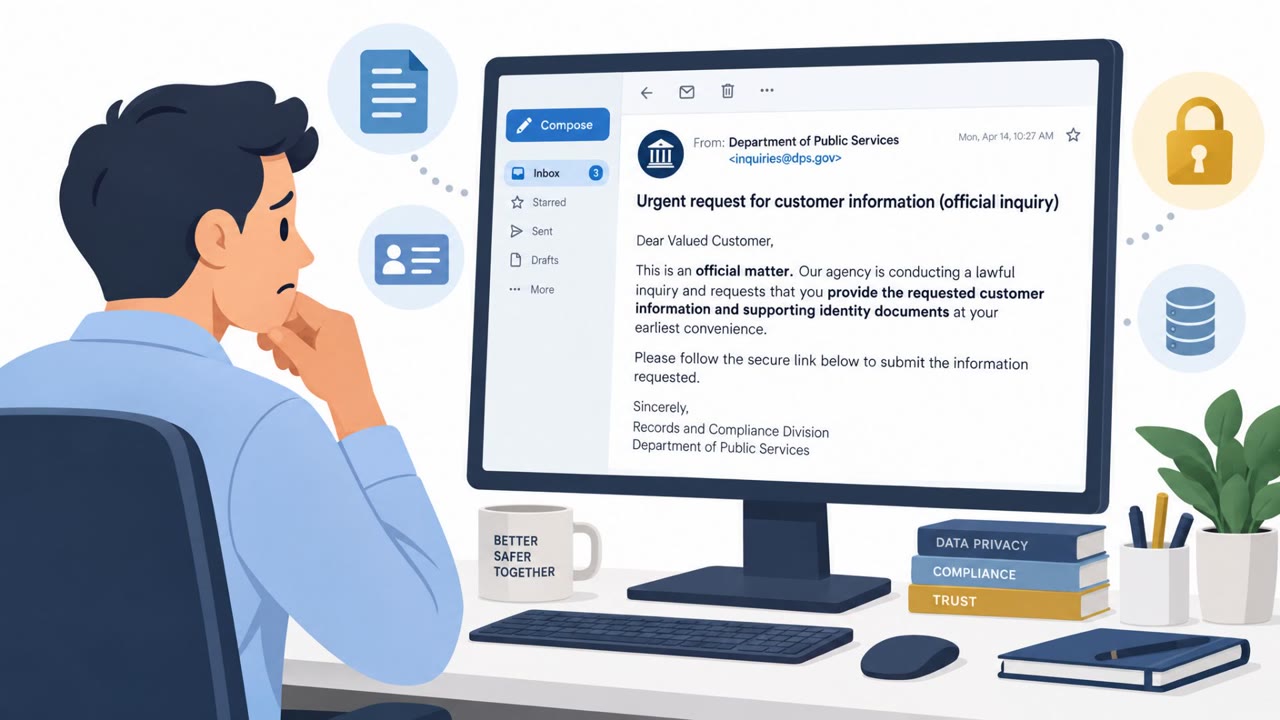
Attackers used a compromised government email account to pose as authorities and request customer records from Revolut. Employees believed the requests were legitimate and voluntarily sent sensitive customer information, exposing data for nearly 700 people. The incident highlights how “trusted”…

September 18, 2026
Fake M&A Wire Fraud and Trezor Phishing Alert

Fake M&A Wire Fraud and Trezor Phishing Alert

This bulletin describes multiple real-world scams where attackers manipulate trust to steal money or sensitive data. Notably, attackers impersonated executives to pressure legal teams into moving M&A discussions to WhatsApp/personal email to trigger international wire transfers, and Trezor users…

September 10, 2026
Hidden Prompts Hijack ChatGPT Connected Apps

Hidden Prompts Hijack ChatGPT Connected Apps

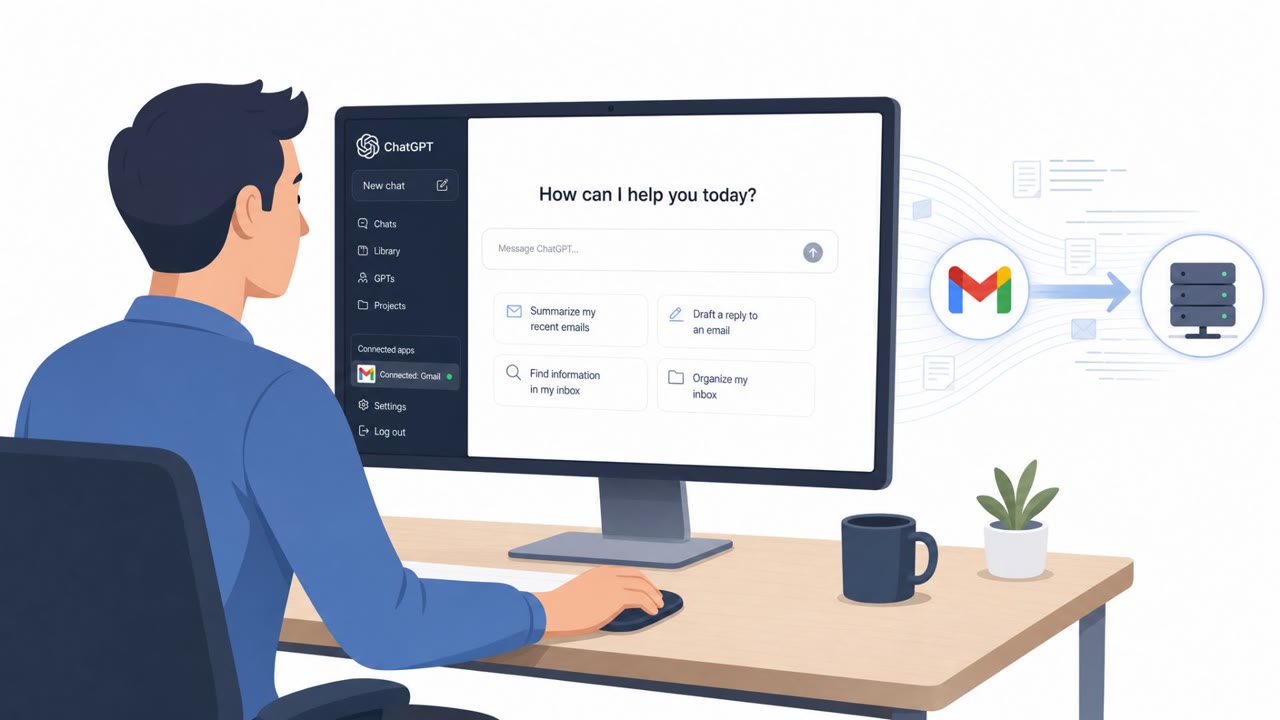
Check Point demonstrated a prompt-injection technique where a hidden instruction inside ChatGPT can make a user’s session quietly run extra tasks using the session’s existing permissions. In the proof of concept, the victim’s ChatGPT (with Gmail connected) pulled email data and relayed it to an…

September 9, 2026
Try Mirage

Mirage simulates attacks like these against your own team, live and safely, so you can measure how your people actually respond.

Get a demo