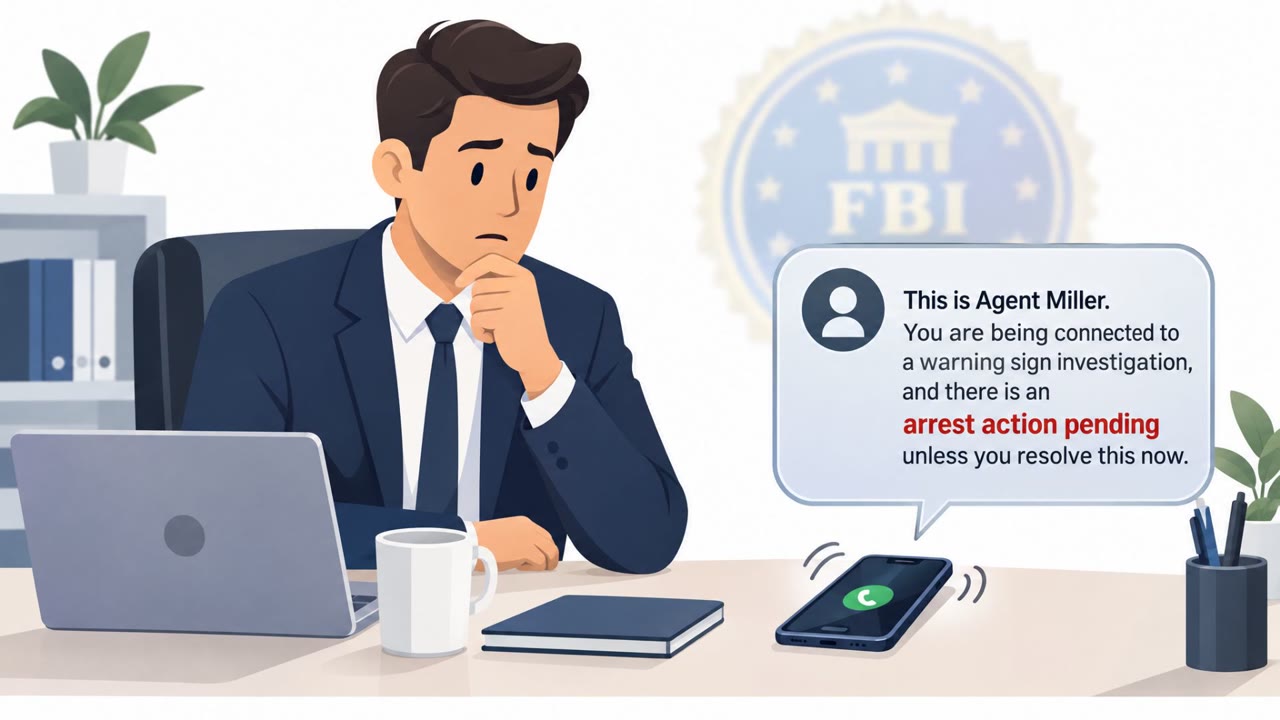
A real phone scam convinced an elderly woman that her drinking water was unsafe and pressured her into buying four overpriced “water filters,” costing about €4,000. The article also describes common Portugal-targeted scams, including “Hi Mum/Hi Dad, I lost my phone” money-transfer fraud and SMS impersonation of the national health service demanding a small, specific payment.
How the water filter scam worked
A phone scammer called an elderly woman and claimed her drinking water was unsafe. The caller used emotional pressure, suggesting she was putting her family at risk by continuing to use the water, and pushed her toward an urgent solution: buying water filters on the spot. She ended up purchasing four filters at around €1,000 each, a price roughly 50 times their actual value of about €20. No hacking or technical exploit was involved. The entire scam relied on manufactured fear and urgency delivered over a phone call.
Why the pretext succeeded
The scam worked because it targeted a basic safety instinct rather than a technical vulnerability. Claims about contaminated water and harm to grandchildren and children created immediate emotional stress, which made it harder for the victim to pause and verify the claim through an official source. This pattern shows up across the other scams described alongside it: family impersonation texts and fake healthcare payment demands both use urgency and plausible framing to short-circuit normal skepticism.
Other common patterns to watch for
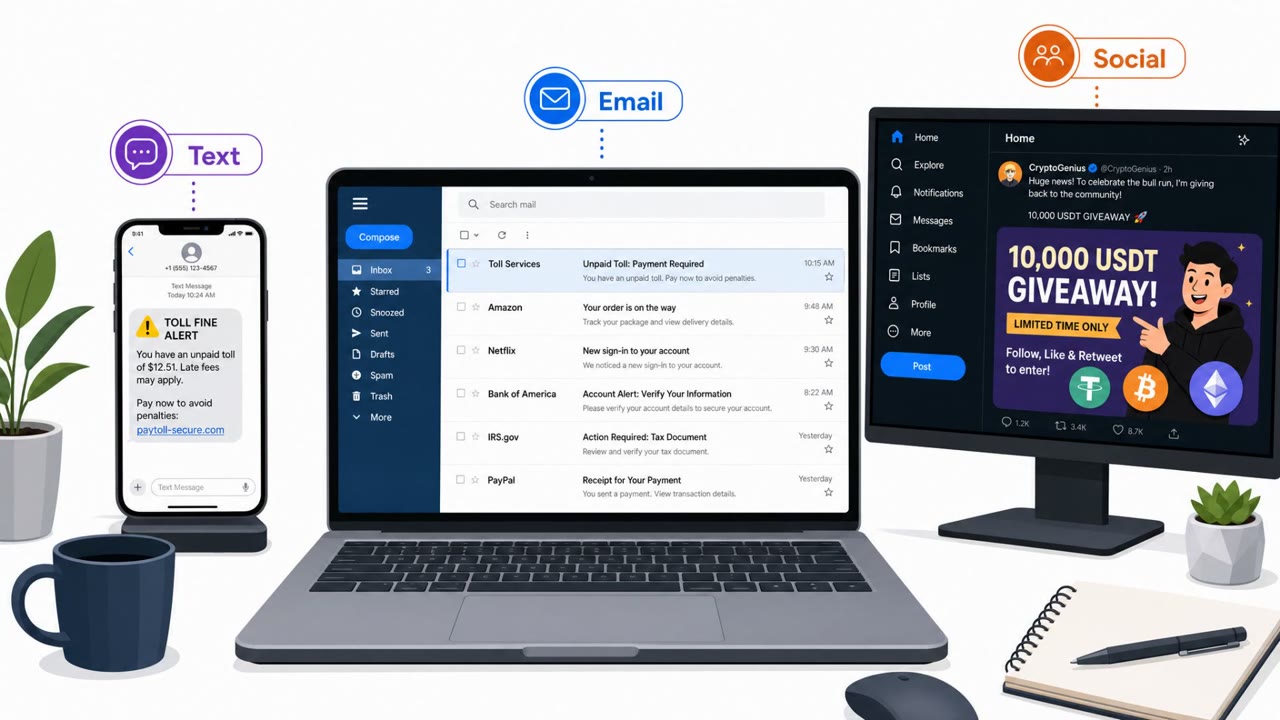
- Family impersonation texts: a message appears to come from a child claiming they lost their phone and are texting from a new number, then quickly asks a parent to transfer money or pay a bill on their behalf.
- Fake healthcare payment demands: a text impersonating the national healthcare service claims an outstanding payment of a specific amount, such as €46 or €47, banking on the fact that many recipients have recently visited a doctor and won't question it.
- Unsolicited safety warnings tied to a sales pitch: any unexpected call claiming an urgent health or safety issue that conveniently has a product for sale attached should be treated with suspicion.
Building resistance to these tactics
Defenses against this type of social engineering are less about spotting a specific script and more about recognizing manipulation patterns: artificial urgency, emotional pressure, and pressure to act before verifying. Practical steps include:
- Verify unexpected safety claims by contacting the relevant authority or company directly using a known, official number, not one provided by the caller.
- Treat any request for money from a family member on an unfamiliar number as unverified until confirmed through an existing contact method.
- Question specific but unexplained payment amounts in text messages, especially ones tied to plausible recent events like a doctor visit.
- Encourage employees to apply the same scrutiny to personal calls and texts as they would to suspicious workplace emails, since these tactics translate directly to business email compromise and vishing attempts against organizations.
Key findings
- A phone scam used fear and emotional manipulation to sell four water filters for ~€1,000 each, though they were worth ~€20.
- Common local scam patterns in Portugal include family-member impersonation (“Hi Mum/Hi Dad… lost my phone”) that pushes urgent money transfers.
- Another frequent lure impersonates the national healthcare service via message, claiming an “outstanding payment” of “€46 or €47.”
- The described scams rely on urgency, emotional pressure, and impersonation rather than technical hacking.
Who’s being targeted
- Commonly targeted roles: All employees (personal device scam awareness), Finance teams (personal payment/wire vigilance), Customer support/call center staff, Executives and assistants, Employees with elderly relatives/caregiver responsibilities.
- Affected industries: Consumers/Households, Banking/Financial services, Telecommunications, Healthcare (impersonated brand/government service).
- Attack channels: vishing, smishing.
- Impersonated: Water safety authority / water company representative (implied), Portuguese national healthcare service, Family member (victim’s child).
Red flags to watch for
- Creates fear about health/safety without evidence (“water… wasn't safe”)
- Uses emotional pressure about harming family (“contaminating… grandchildren and children”)
- Product price wildly out of line with typical value
- Unexpected payment demand via text
- Uses oddly specific, repeated amounts (“€46 or €47”)
- Relies on plausibility (“may have gone to the doctor recently”) to reduce scrutiny
- Message from a new number claiming a sudden device loss
- Urgency to move money quickly
- Pushes money transfer instead of normal verification
Frequently asked questions
How did the water filter phone scam work?
Callers told the victim her drinking water was unsafe and used emotional pressure about contaminating her family to push her into buying four water filters at around €1,000 each, though each was worth about €20.
What is the Hi Mum, Hi Dad scam?
It is a smishing scam where fraudsters impersonate a victim's child texting from a new number, claiming they lost their phone, then create urgency to get the parent to transfer money or pay a bill.
How can I spot a fake healthcare payment text?
Watch for messages claiming an outstanding payment of a specific small amount, such as €46 or €47, since scammers rely on people assuming it relates to a recent doctor visit rather than verifying with the official service.
Were these scams technically sophisticated?
No, the article notes these scams relied on urgency, emotional pressure, and impersonation rather than technical hacking.
Read the video transcript
In Portugal, one call scared a woman into buying four “water filters” for €4,000… filters worth about €20 each. The caller told her, “your water isn’t safe, you’re contaminating your grandchildren” and pushed her to buy filters immediately. Same playbook as “Hi Mum, I lost my phone, I need money” and fake health SMS saying, “You must pay €46 or €47.” Here’s the trick: they don’t hack systems, they hack feelings. They use health fear, family panic, or small believable bills to rush you so you don’t check who’s really asking for money. Your move: if a call or message mixes urgency with money or safety, hang up or close it, and call the official number you already trust to check if it’s real.