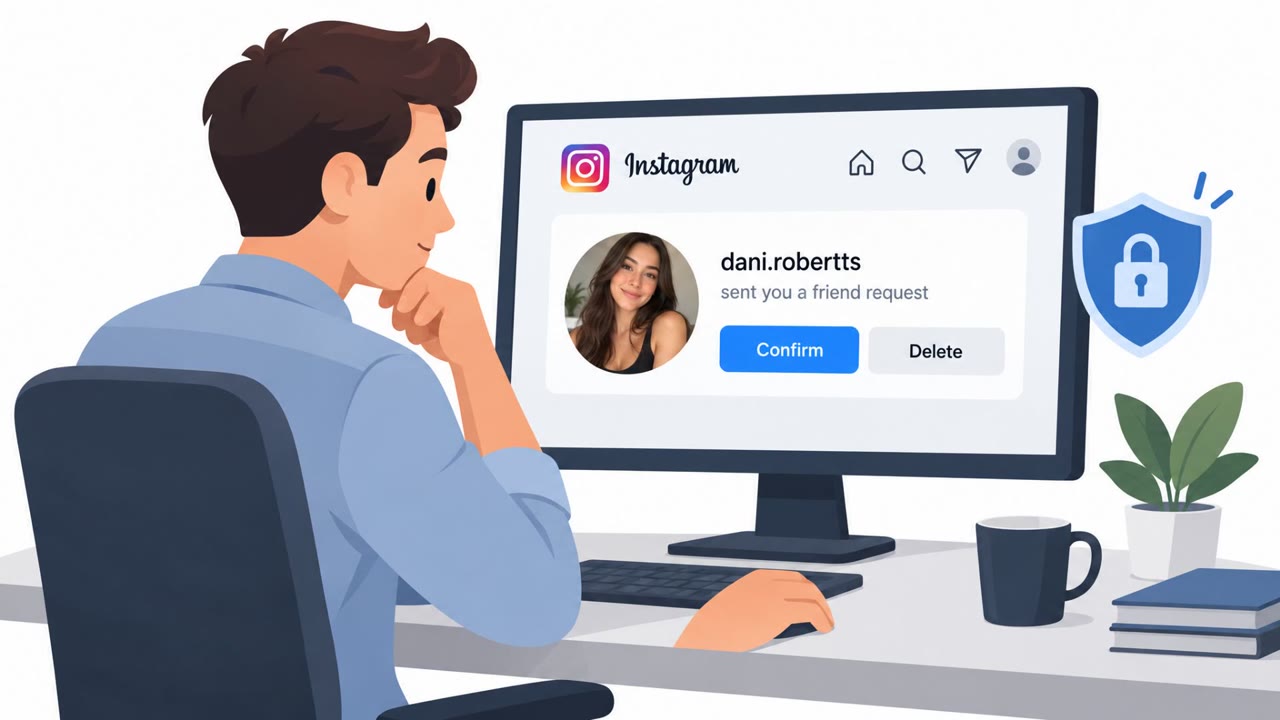
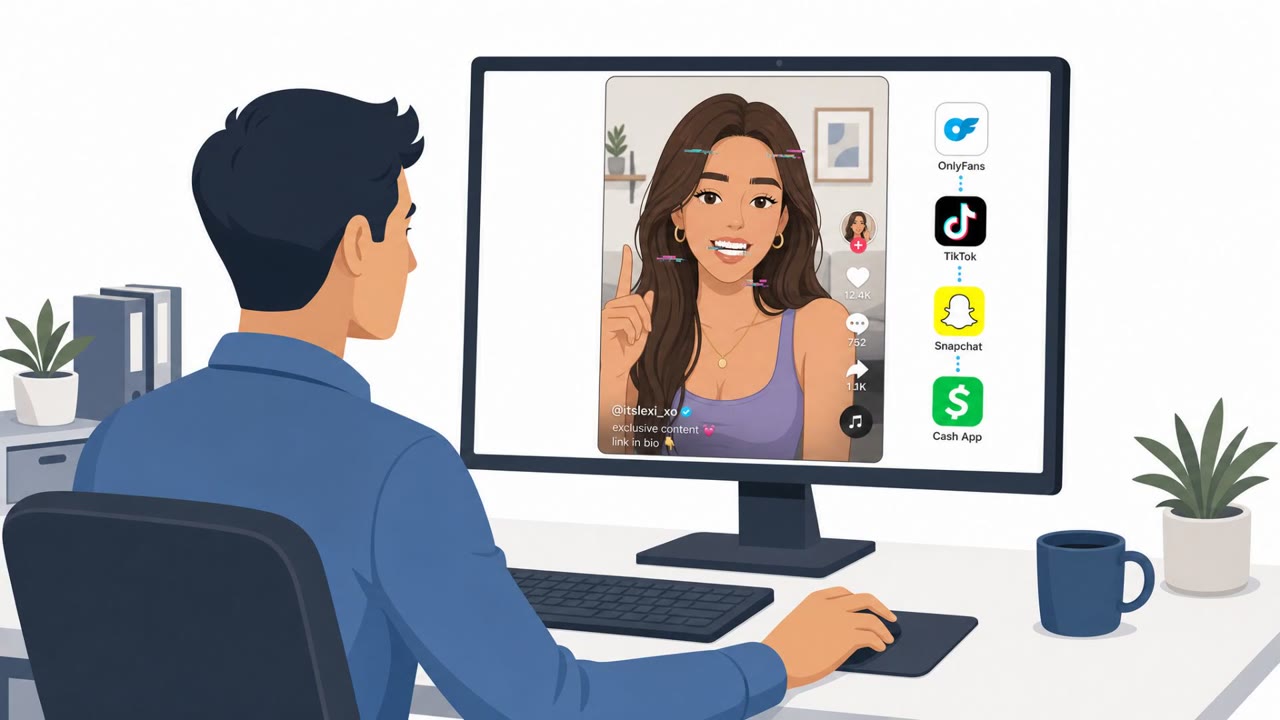
A Brazilian bricklayer traveled 2,000 km after an AI-generated social-media persona offered him a serious relationship, a place to live, and payment for his trip. The case shows how public videos that simulate personal conversations can create a convincing romance-style lure, even when there is no proven direct contact or confirmed crime.
Key findings
- Edimar Rocha Martins sold his belongings and took a 2,000 km bus journey to meet “Jéssica Fazendeira,” a social-media influencer persona that did not exist as a real person.
- The AI persona used a relationship and lifestyle lure: it invited a “simple man” to build something real, live on a farm, and reportedly offered to fund travel.
- The account operator denied private contact with Martins and said the character was created for engagement and affiliate-product sales; police had not established whether a crime occurred.
- Other men reportedly traveled to Belo Horizonte after seeing similar farm-woman videos that appeared to offer employment, romance, or both.
- The article notes that public videos can simulate personal conversations, causing viewers to believe a fictional character is speaking directly to them.
Who’s being targeted
- Commonly targeted roles: All employees, Social media users, Employees experiencing loneliness or seeking relationships online, HR and employee-assistance teams.
- Affected industries: Social media platforms, Consumer online safety.
- Attack channels: website.
- Impersonated: “Jéssica Fazendeira,” an AI-generated female farmer and online influencer, Unidentified farm-woman social-media persona.
Awareness takeaways
- Independently verify a person’s identity and location before spending money or traveling to meet someone known only online.
- Do not treat video content or a video call as proof that a person is real, because AI-generated personas and deepfake calls can be convincing.
- Confirm whether communication is truly private and direct, rather than assuming a public video is personally addressed to you.
- Before making a major emotional or financial decision, ask a trusted friend or family member to review the situation with you.
Red flags to watch for
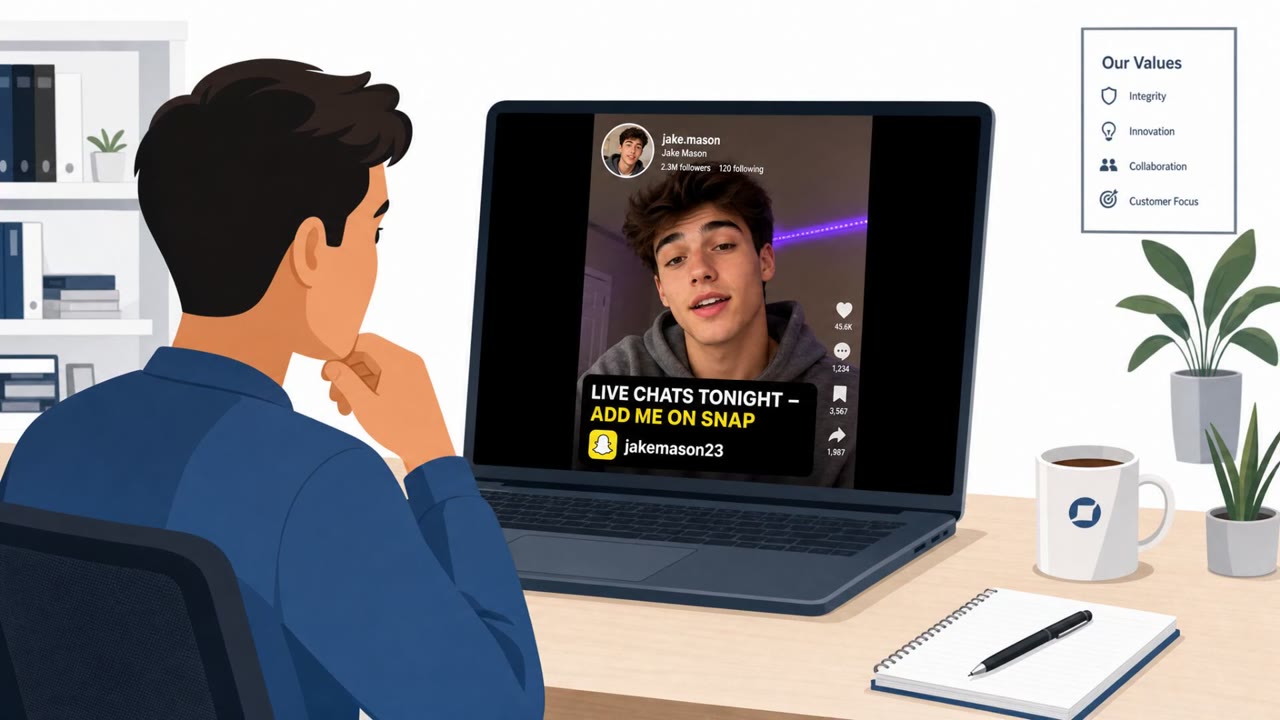
- The relationship invitation comes from a public social-media video rather than verified private contact.
- The person’s identity, farm, and location cannot be independently confirmed.
- The offer combines emotional commitment with a rapid request to travel or relocate.
- A job offer is blended with a personal or romantic proposition.
- The opportunity is presented through social-media videos rather than a verifiable employer or formal hiring process.
- Travel is encouraged before the person, job, or location has been independently checked.
Read the video transcript
Edimar sold his belongings and traveled 2,000 kilometers for Jéssica Fazendeira. Her video said, 'I want to build something real,' offering a farm home and reportedly paid travel. But Jéssica was AI-generated. Here’s the catch: the video sounded personal, but anyone could watch it. No verified private invitation, no confirmed farm. No crime was established. Before you book a trip for someone you know only online, independently verify who and where they are.