Scammers are using AI deepfakes to impersonate real OnlyFans creators on social media and trick fans into paying for “live chats” or exclusive interactions. Victims are funneled from TikTok to private messages (e.g., Snapchat) and then pressured to send money via Cash App, after which the scam accounts disappear or block the victim.
How the Scam Operates
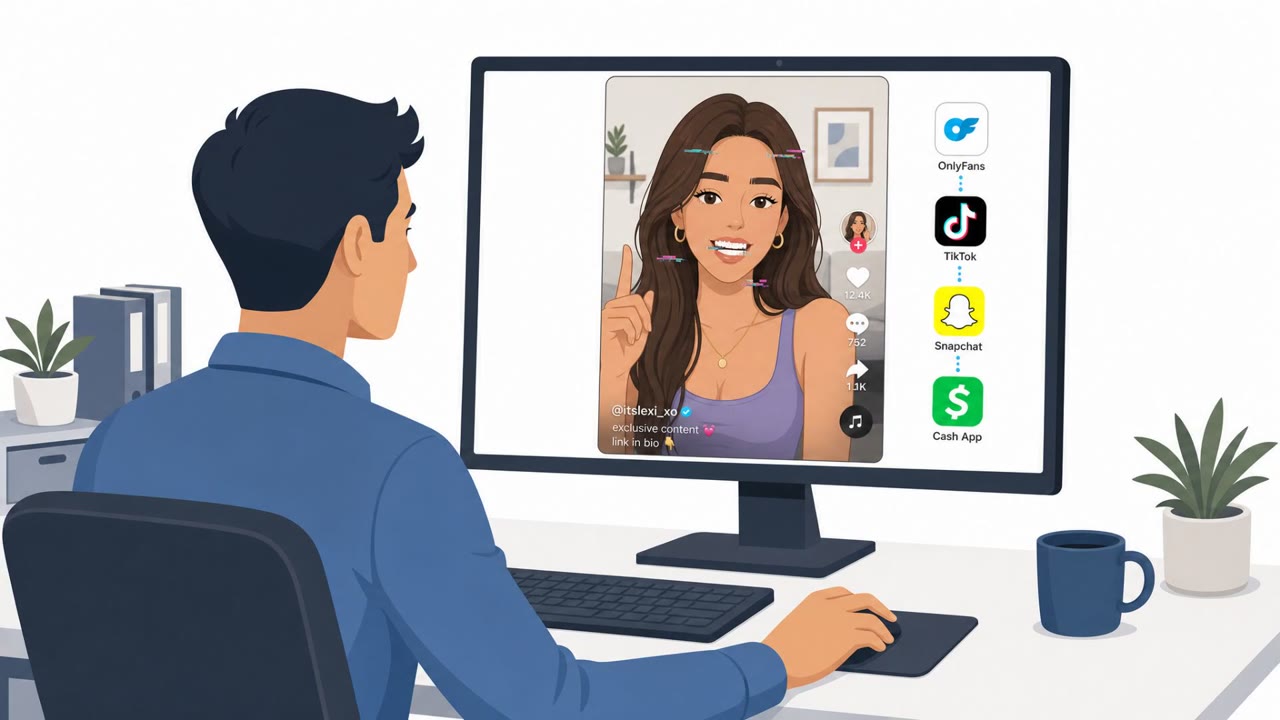
This attack chain relies on AI deepfakes to impersonate real OnlyFans creators using stolen photos combined with synthetic or cloned voice. Fake accounts appear on TikTok, where they draw attention with promises of live chats or exclusive interactions. Once a follower engages, the conversation is pushed into a private channel, typically Snapchat direct messages, away from public view. From there, the scammer requests payment through Cash App to unlock the promised content. After the payment clears, the account either goes silent or blocks the victim outright.
Why the Platform Chain Matters
Each platform used in this scheme has a legitimate, everyday purpose, which is part of why the flow feels unremarkable to victims. TikTok is used for discovery, Snapchat for conversation, and Cash App for payment. None of these steps look unusual in isolation. The critical detail is that Cash App is a peer-to-peer tool meant for informal transfers between friends, not a commerce platform with buyer protections. Because transfers clear instantly, once money is sent it is effectively gone, leaving victims with no recourse.
Detection Clues and Red Flags
A few patterns should raise suspicion before any money changes hands:
- Being nudged from a public or verified profile into a private DM conversation
- Payment requests routed through a peer-to-peer app rather than an official storefront or platform checkout
- Visual deepfake artifacts such as distorted teeth or frozen eyebrows in video content
- The account disappearing or blocking the user immediately after payment is sent
These signals are most useful when checked in combination, since any single one could have an innocent explanation.
Impact Beyond the Victim
The harm from this scam extends past the person who loses money. Real creators whose likeness is stolen for these deepfakes lose income opportunities and can face harassment or accusations from people who believe the creator personally scammed them, even though the creator had no involvement in the fraud.
Building Resistance
Awareness efforts should emphasize verifying identity through a creator's official, verified accounts before engaging in any payment conversation initiated through a third-party platform. Treat any move from a trusted, public platform into a private messaging app as a signal to slow down, particularly once money is mentioned. Finally, anyone asked to pay through an instant peer-to-peer transfer app for exclusive access should assume the payment is irreversible and weigh that risk before sending anything.
Key findings
- Scammers create fake social accounts using stolen creator photos plus synthetic/cloned voice deepfakes.
- The workflow described is TikTok for discovery, Snapchat for direct messaging, and Cash App for payment.
- Cash App transfers are peer-to-peer and clear instantly, making funds difficult/impossible to recover once sent.
- Creators are also harmed: they lose income and may face harassment from people who believe they were scammed.
- Deepfake artifacts (e.g., distorted teeth, frozen eyebrows) were observed in an impersonation video and can help with detection.
Who’s being targeted
- Commonly targeted roles: All employees (general awareness), Customer support / Trust & Safety teams, Social media/marketing teams.
- Affected industries: Adult content creation / creator economy, Social media platforms, Consumer payments / P2P payment apps.
- Attack channels: website.
- Impersonated: A real OnlyFans creator (impersonated using AI deepfake video/voice).
Red flags to watch for
- Being pushed off a public/verified platform into a private DM channel
- Request for payment through peer-to-peer Cash App (informal transfers, not commerce protections)
- Account blocks/disappears immediately after payment
Frequently asked questions
How does the deepfake OnlyFans scam work?
Scammers use AI-generated deepfake video and cloned voice to impersonate real OnlyFans creators, luring fans on TikTok, moving them to Snapchat DMs, then requesting payment via Cash App for a promised live chat before disappearing.
Why is Cash App used in this scam?
Cash App is a peer-to-peer platform designed for informal transfers, and transfers clear instantly, so once a victim sends money it is effectively impossible to recover.
How can I tell if a creator's video is a deepfake?
Reported artifacts include distorted teeth and frozen eyebrows in the impersonation video, which can be visual clues that something is synthetic rather than a live feed.
Are real creators harmed by this scam too?
Yes, creators lose income and can face harassment from people who believe they were personally scammed by them, even though the creator was impersonated without their involvement.
Read the video transcript
You see your favorite OnlyFans creator on TikTok offering paid “live chats” and a private add on Snapchat. Looks legit, right? Here’s the scam: scammers deepfake real creators with cloned voices, hook fans on TikTok, move them into Snapchat DMs, then demand instant Cash App payments for an “exclusive live chat” before vanishing. Aha moment: that “creator” can be a complete AI fake. Look for weird details, teeth that warp, eyebrows that don’t move, and the big tell: they push you off a public or verified profile into private Snapchat before money even comes up. If someone asks you to jump to Snapchat and pay via Cash App for “exclusive access,” stop. Close the chat and only pay through the creator’s official, verified links you can reach yourself.