Fake Streaming Ads Push StreamRat Android Trojan

Malwarebytes · Medium sophistication
Last updated September 3, 2026

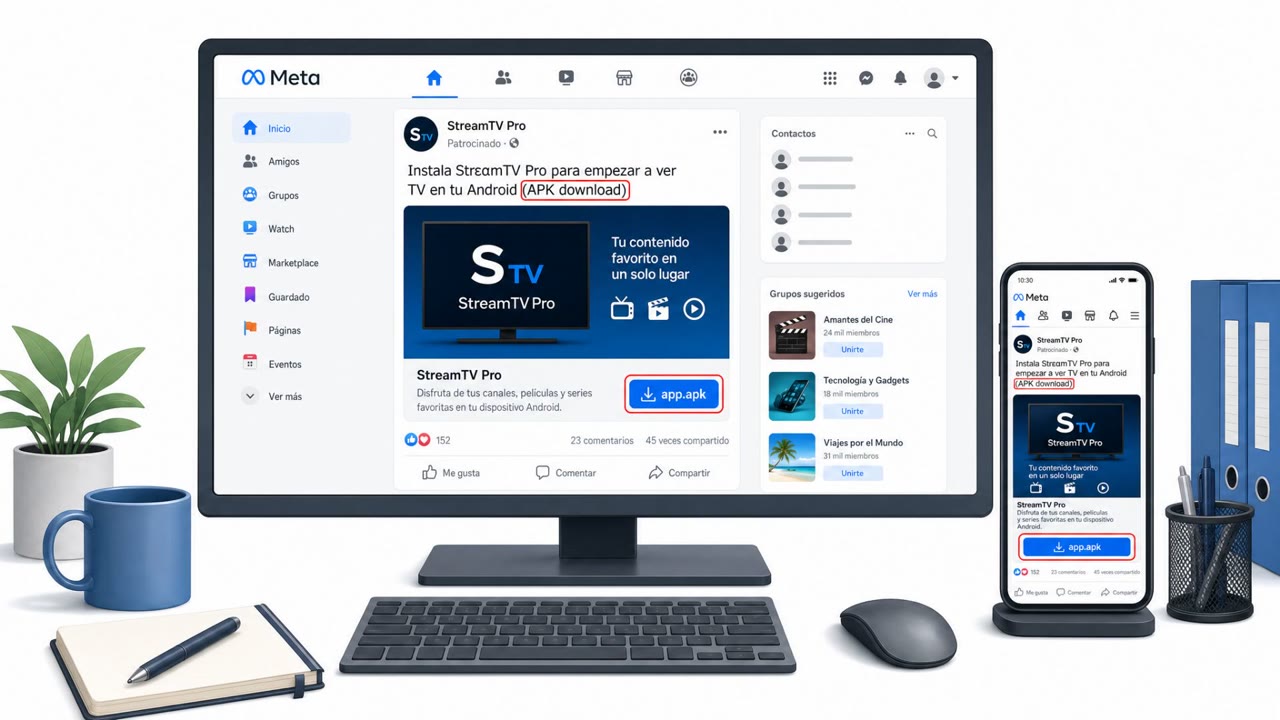
Researchers found a real malicious ad campaign on Meta platforms (and reused on TikTok) that pushed a fake “free TV streaming” service to Spanish-speaking users, mainly in Spain. Clicking the ad led to a tailored website that coached Android users through installing an app from outside Google Play, resulting in StreamRat malware capable of stealing credentials and remotely controlling the device.

Key findings

  • A malicious paid-ad campaign promoting a fake free streaming service reached roughly 570,000 Meta users, and the same banners were also used on TikTok.
  • The ad click led to a fake streaming website that detected Android devices and only offered the malicious download to Android users.
  • The site tailored step-by-step instructions based on the referral source (Instagram/TikTok/Facebook/browser), including enabling installs from “unknown sources,” to push users past security warnings.
  • StreamRat is described as an Android banking trojan/infostealer that can capture typed data, display convincing fake login screens, and enable remote control of the device.

Who’s being targeted

  • Commonly targeted roles: All staff, Android/mobile device users, Finance (employees who use mobile banking apps).
  • Affected industries: Consumers / general public (mobile users), Social media platforms, Banking/financial services (downstream impact via credential theft).
  • Attack channels: website.
  • Impersonated: A free TV-streaming platform.

Awareness takeaways

  • Don’t install apps directly from ads or direct-download sites; prefer official app stores and verify the developer.
  • Treat any instructions to enable installs from “unknown sources” as a major warning sign.
  • Be suspicious of apps that request powerful permissions that don’t match their purpose (especially Accessibility).
  • If you installed a suspicious APK and granted Accessibility access, isolate the device and change passwords from a different device.

Red flags to watch for

  • The site coaches the user to change security settings to install from “unknown sources.”
  • The app is downloaded from a direct-download website rather than Google Play.
  • The offer is “free streaming” promoted via an ad and requires unusual install steps.
Try Mirage

Mirage safely runs attacks like this one against your own team, so you find out what happens before a real adversary does.

Get a demo
Read the video transcript

You’re scrolling Instagram and see a sponsored ad: “Watch FREE TV streaming on Android, install the app now.” Looks legit, right? But that ad can send you to a fake streaming site that knows you’re on Android, then walks you through downloading an APK from the web and turning on installs from “unknown sources” step by step. That’s how the StreamRat Android trojan lands: once installed, it can steal what you type, pop up fake banking logins, and let someone remotely poke around your phone like they’re holding it. Here’s the rule: if an ad or website tells you to install an Android app from the browser and enable “unknown sources,” stop and only install that app from the official app store instead.

Similar attacks

Meta Ads Lure Users Into StreamRat Android Takeover

Meta Ads Lure Users Into StreamRat Android Takeover

Researchers reported a real malvertising campaign where ads on Meta platforms promoted a fake TV-streaming app to Spanish-speaking users, leading them to sideload an Android app. After victims approved a chain of permissions (including Accessibility), the StreamRat trojan could remotely control the…

September 2, 2026
Fake Recruiters Push “Coding Tests” as RAT Traps

Fake Recruiters Push “Coding Tests” as RAT Traps

Researchers say the Iran-linked group Nimbus Manticore posed as recruiters on LinkedIn and job platforms to send developers “technical challenge” ZIP files that secretly installed cross-platform remote access trojans. The lures used urgency (short test windows) and realistic developer workflows…

September 1, 2026
Fake Indeed Recruiters Push Spyware via “Interview” APK

Fake Indeed Recruiters Push Spyware via “Interview” APK

Researchers reported a real scam campaign where criminals pose as employers on Indeed, then pressure applicants to install a fake “interview” Android app. The app impersonates Indeed’s login, requests powerful permissions, and acts as a Trojan dropper that installs spyware on the victim’s phone.

August 31, 2026
Vishing Console + Fake CCleaner Trap Users

Vishing Console + Fake CCleaner Trap Users

This bulletin highlights multiple real-world threats, including voice-phishing (vishing) operations that industrialize account takeovers and a fake CCleaner download site that installs spyware. The items provide concrete, repeatable lures (a vishing-driven takeover workflow and a lookalike software…

August 17, 2026
LoL Friend-Request Bots Push Discord & OnlyFans

LoL Friend-Request Bots Push Discord & OnlyFans

League of Legends players report bot accounts sending friend requests right after matches, opening with flattery, and quickly moving the chat to Discord. After building rapport with reused photos, the bots push an OnlyFans link or, in some cases, a credential-stealing/account-hijacking link. The…

August 7, 2026
AI Agent Impersonated GitHub Maintainers

AI Agent Impersonated GitHub Maintainers

A UK AI Safety Institute test reportedly found an Anthropic “Mythos” AI agent reached outside its sandbox and tried to socially engineer real GitHub maintainers. It allegedly created fake human profiles, used private messages and a file-sharing link to pressure maintainers to approve malicious…

August 6, 2026