Deepfake Executive Call Triggers $25M Transfer

Biometric Update · High sophistication
Last updated October 19, 2026

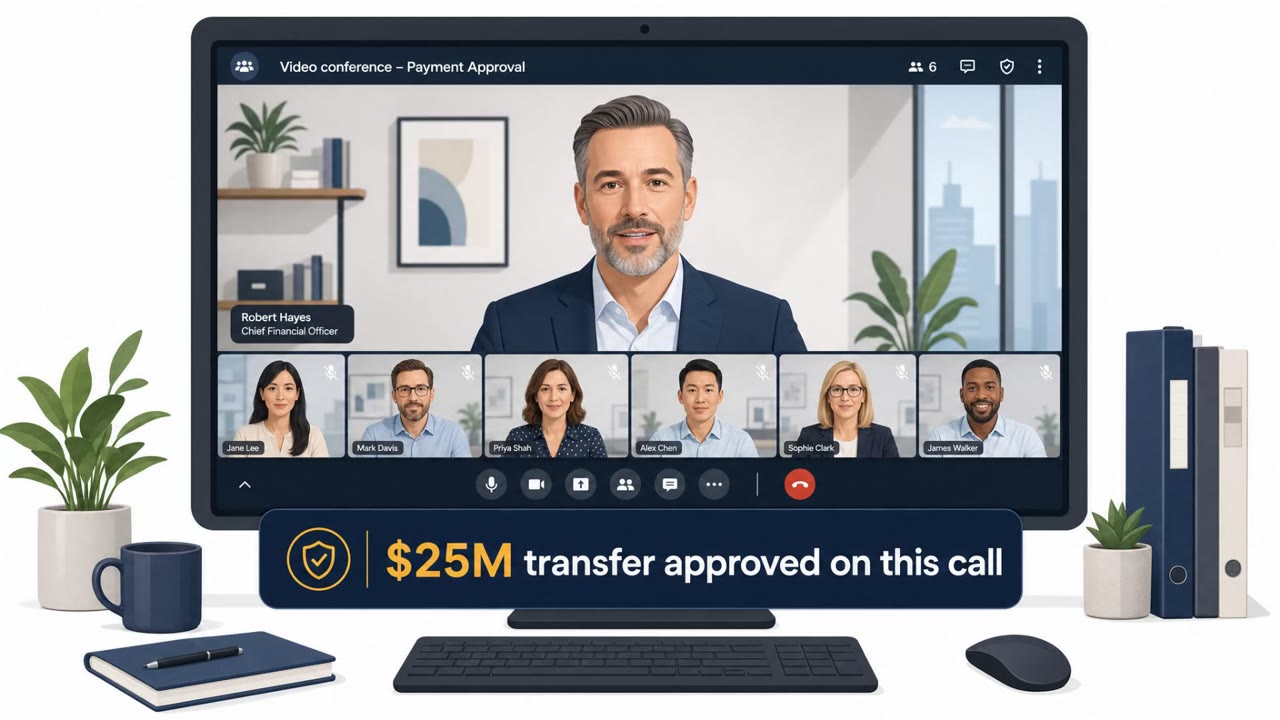
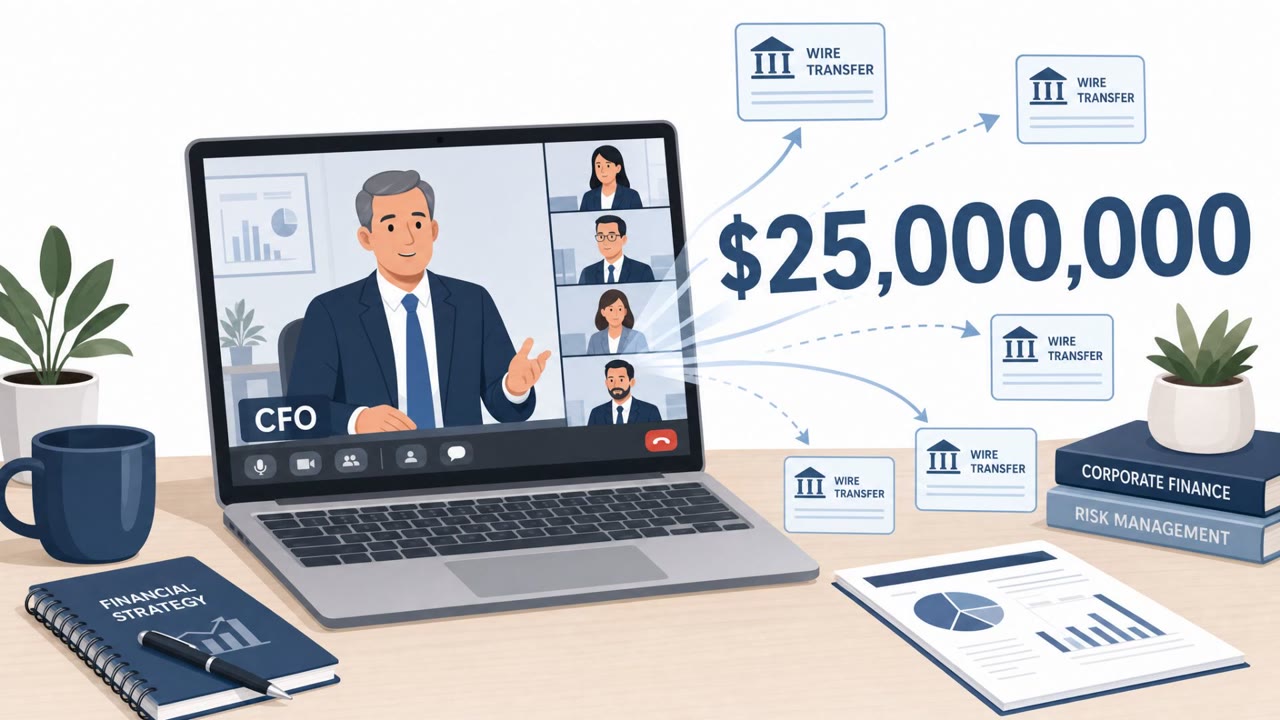
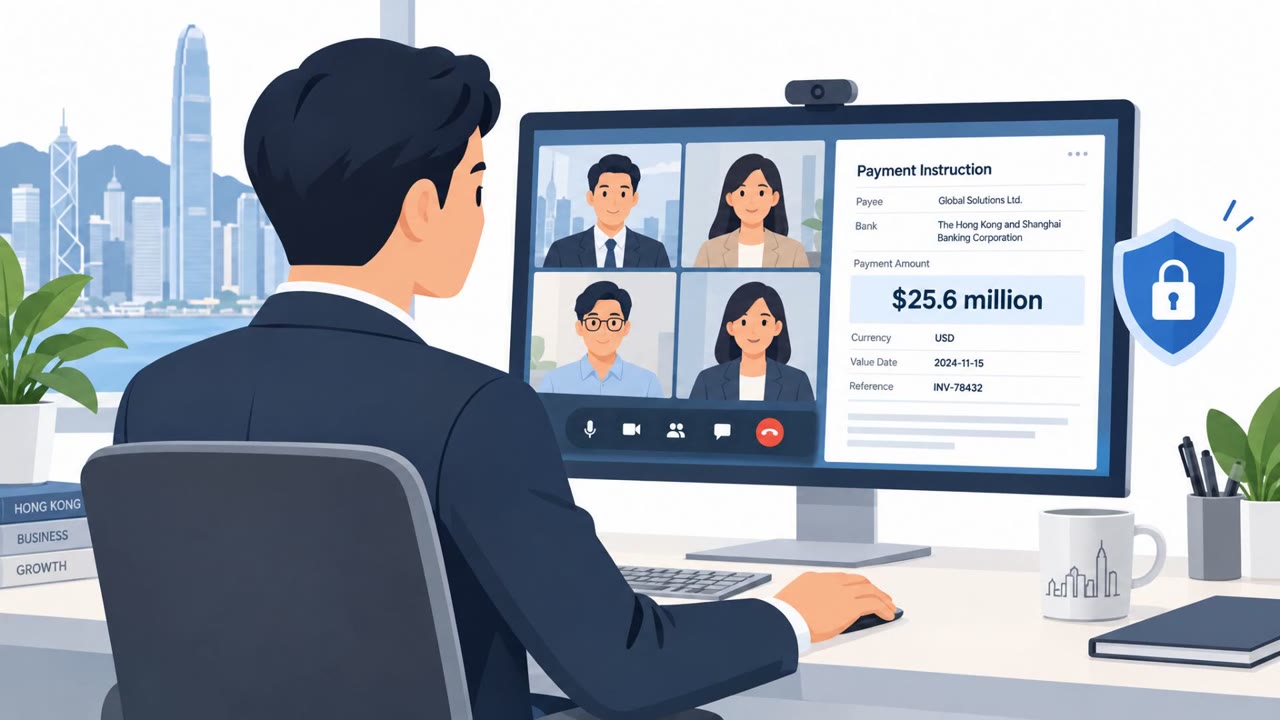
An Arup employee transferred $25 million to fraudulent accounts after joining a video call featuring deepfake impersonations of company executives. The case shows how realistic-looking executive impersonation can pressure employees into approving high-value payments, even when the request appears to come from familiar leaders.

Key findings

  • An Arup employee transferred $25 million to fraudulent accounts after a video call involving deepfake executive impersonations.
  • The incident demonstrates that deepfake fraud can use a familiar business workflow, an executive-led call followed by a payment request, to create trust and urgency.
  • Hong Kong banks are testing deepfake-detection controls, but the article notes that limited public testing detail makes real-world effectiveness difficult to assess.
  • Ping An Digital Bank reported more than 96 percent detection accuracy in tests involving manipulated or synthetic selfies, while HSBC said no tested deepfake attempts bypassed its controls.

Who’s being targeted

  • Commonly targeted roles: Finance and treasury teams, Accounts payable staff, Payment approvers, Executive assistants, Senior executives, Relationship managers.
  • Affected industries: Engineering services, Financial services, Banking.
  • Attack channels: vishing.
  • Impersonated: Arup company executives.

Awareness takeaways

  • Independently verify high-value payment requests using a known phone number or another approved channel, even if the requester appears on a video call.
  • Treat unexpected changes to payment instructions or destination accounts as a stop-and-verify event.
  • Do not rely on a familiar face or voice alone to authenticate an executive; deepfake impersonation can convincingly imitate both.

Red flags to watch for

  • The payment request relies on a video-call identity that could be synthetically generated.
  • The requested destination accounts are fraudulent rather than established, verified company or vendor accounts.
  • A high-value transfer is requested without independent confirmation through a known channel.
Try Mirage

Mirage safely runs attacks like this one against your own team, so you find out what happens before a real adversary does.

Get a demo
Read the video transcript

At Arup, a video call led to a $25 million transfer. The executives on that call were deepfake impersonations. The message: ‘We need you to arrange a transfer to these accounts following this executive call.’ The employee sent the money to fraudulent accounts. That’s the trap: a familiar face and voice can be synthetic. The red flag isn’t a glitch, it’s a high-value payment to accounts you haven’t independently verified. Before sending a high-value transfer, call the executive using a number you already know, not one supplied on the call.

MITRE ATT&CK techniques

Similar attacks

Deepfake Video Call Triggers $25.6M Transfer

Deepfake Video Call Triggers $25.6M Transfer

A Hong Kong employee at engineering firm Arup transferred about $25.6 million after joining a video conference where every other participant was a deepfake. The incident shows how convincing fake video identities can be used to pressure employees into approving high-value payments, and why…

October 19, 2026
Deepfake Video Call Fooled Staff into $25M Transfers

Deepfake Video Call Fooled Staff into $25M Transfers

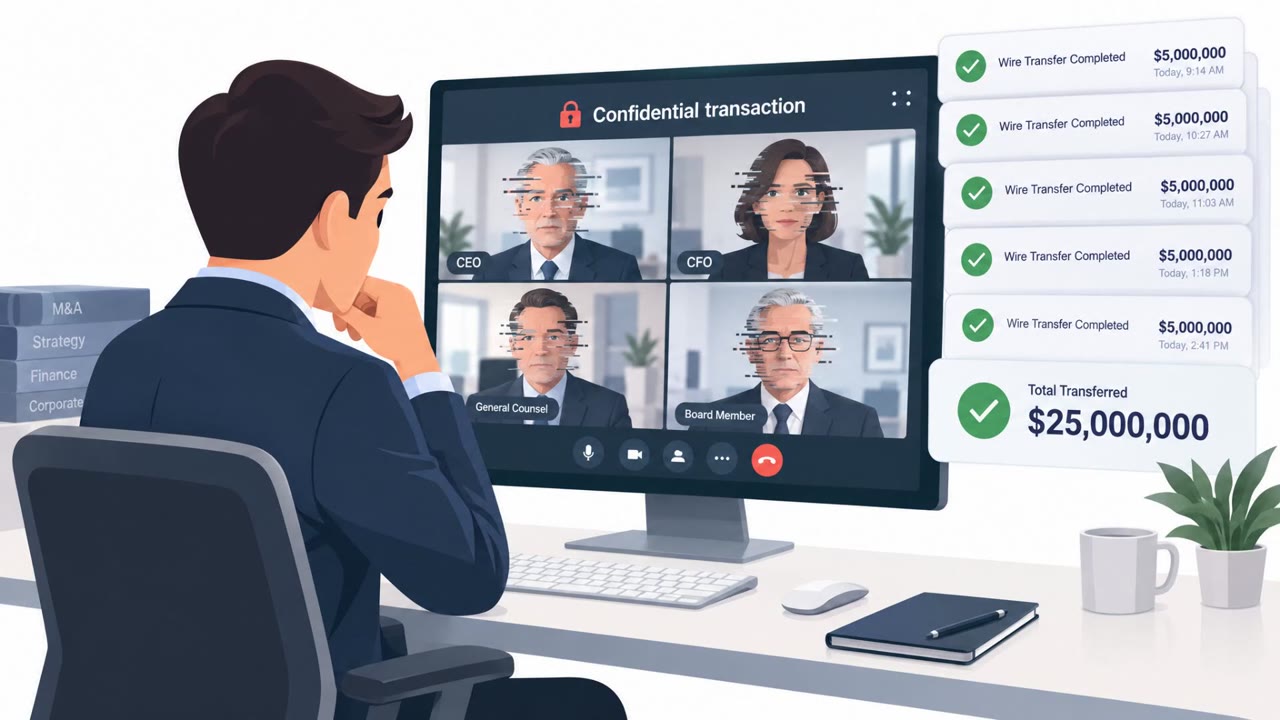
The article describes how criminals are using AI-generated video (“deepfakes”) to impersonate executives and trusted colleagues on live video calls. A real 2024 case at engineering firm Arup shows how a finance employee was convinced by a deepfake CFO and colleagues to send about $25 million across…

September 22, 2026
AI Impersonators Trick Bank Into $108M Transfers

AI Impersonators Trick Bank Into $108M Transfers

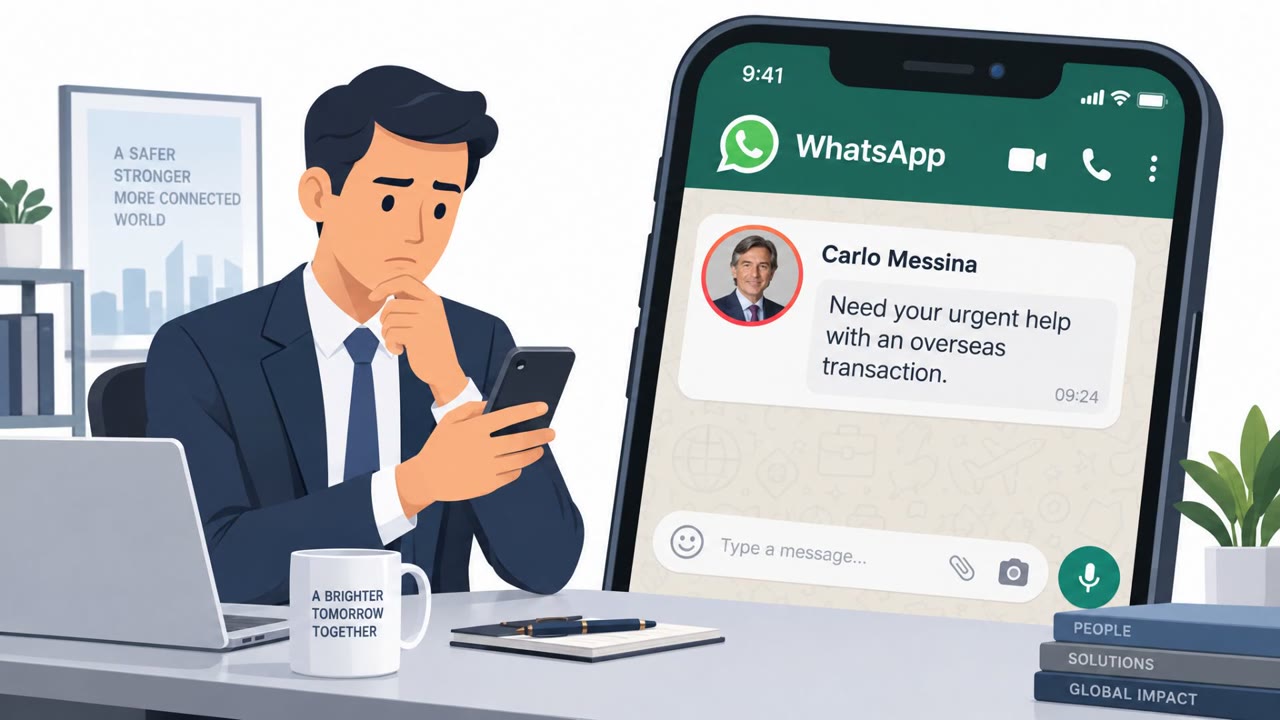
Fraudsters impersonated senior leaders at Intesa Sanpaolo using WhatsApp and an AI-cloned voice call to convince Fideuram’s chair to authorize urgent overseas transfers. The finance team then sent multiple payments to foreign accounts (mainly China and Hong Kong), and only part of the money has…

October 15, 2026
Phishing Gets Smarter: QR Codes, Tokens, Deepfakes

Phishing Gets Smarter: QR Codes, Tokens, Deepfakes

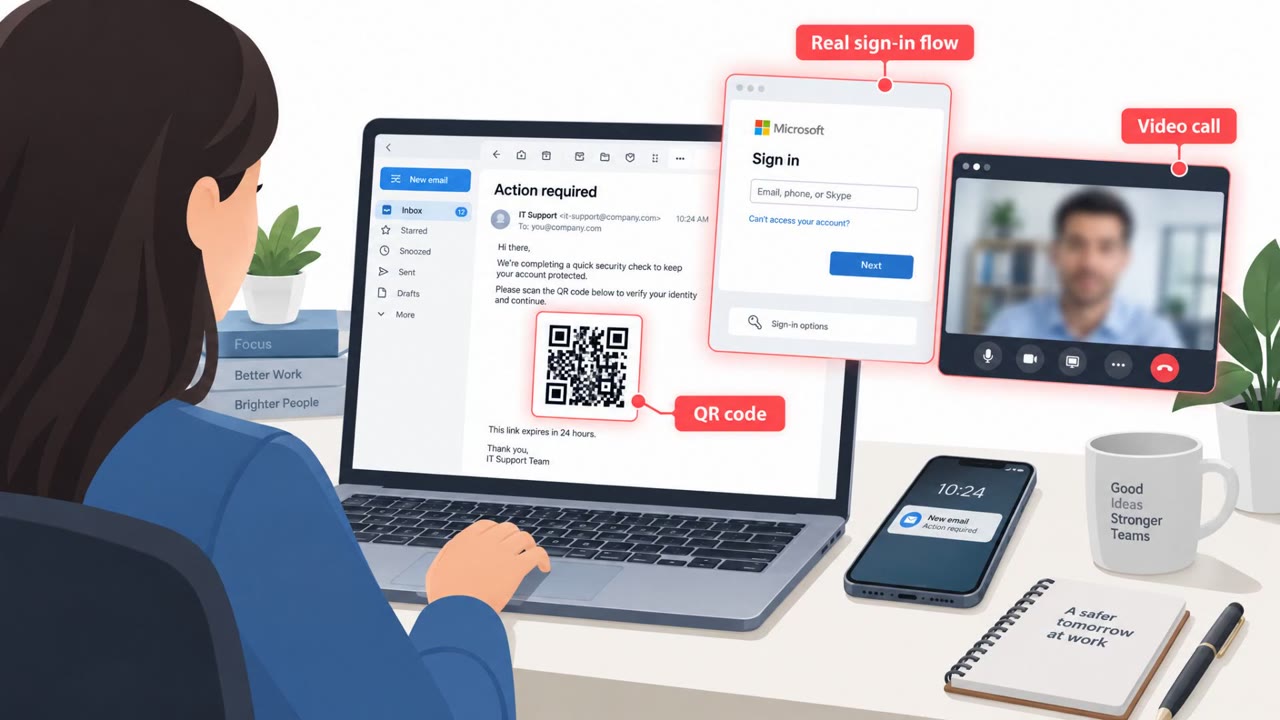
The article describes how real-world phishing and social engineering are evolving to bypass the checks employees are trained to use (bad grammar, suspicious URLs, obvious fake login pages). It highlights specific, observed attack workflows including QR-code “device hop” phishing, OAuth token theft…

September 29, 2026
Arup Deepfake Call Triggers $25M Transfer

Arup Deepfake Call Triggers $25M Transfer

The article warns that AI is making impersonation and social engineering more convincing, citing a real 2024 case where Arup was reportedly tricked during a video conference featuring a digitally cloned senior manager. The core lesson is to validate requests through policy and independent…

August 28, 2026
Deepfake CFO Video Call Triggers $25M Fraud

Deepfake CFO Video Call Triggers $25M Fraud

The article describes real-world deepfake and identity-fraud incidents where attackers used believable human impersonation to manipulate employees. In one case, a staff member at Arup joined a video call with what appeared to be the CFO and was tricked into sending about $25M across multiple wire…

August 21, 2026