Fake Anthropic Preview Steals Work Logins

Cofense · High sophistication
Last updated October 29, 2026

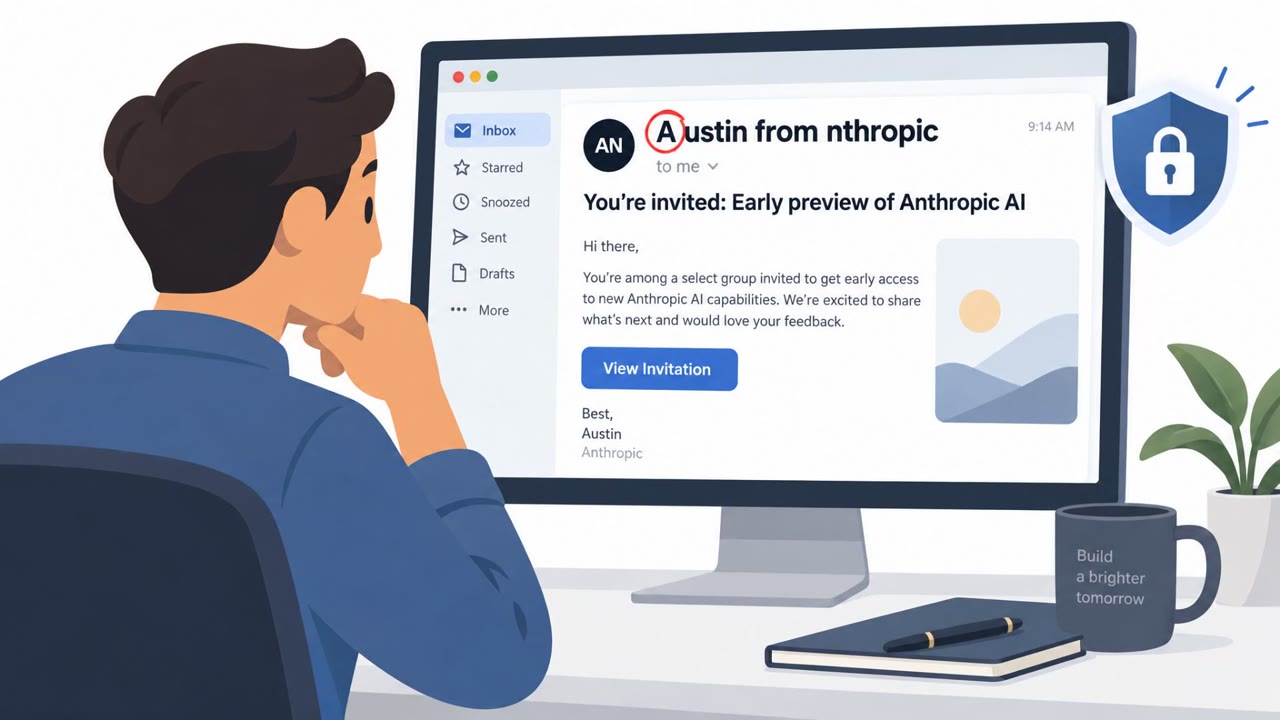
Threat actors sent fake invitations to an exclusive Anthropic AI preview to steal Google and Microsoft work credentials. The campaign abused trusted services, including GoTo Webinar and a URL shortener, then used CAPTCHA pages and convincing fake login screens to make detection harder. Employees were asked to register for a supposed meeting using their work account.

Key findings

  • The lure was an exclusive invitation to preview a new Anthropic AI tool.
  • The phishing email appeared to abuse the legitimate GoTo Webinar service and used GoTo Webinar branding.
  • Attackers used Zapier's zpr.io URL shortener to help evade email security controls.
  • Recipients encountered a Cloudflare CAPTCHA and then a second custom sliding CAPTCHA before reaching the fake login pages.
  • The landing page used Zoom branding despite the email using GoTo Webinar branding, creating a detectable brand mismatch.
  • The Microsoft replica collected usernames and passwords, while the Google replica reportedly collected usernames only.
  • Deceptive subdomains imitated Google, Office, and SharePoint branding to make fraudulent login pages appear legitimate.

Who’s being targeted

  • Commonly targeted roles: All employees, Google Workspace users, Microsoft 365 users, Employees evaluating AI tools, Marketing and business teams, Executives and managers.
  • Affected industries: Cross-industry organizations using Google Workspace or Microsoft work accounts, Organizations evaluating or using AI tools.
  • Attack channels: email, website.
  • Impersonated: Anthropic, using apparent GoTo Webinar and Zoom meeting branding, Microsoft sign-in page.

Awareness takeaways

  • Check that the organization and service branding remain consistent throughout a meeting invitation and registration process.
  • Verify the actual domain before entering work credentials; familiar logos and words within a URL do not make a site legitimate.
  • Treat unexpected CAPTCHA checks as a reason to slow down and independently verify the invitation, not as proof that a website is safe.
  • Do not enter work credentials into an event-registration page reached through an unsolicited email link; navigate to the provider independently if the invitation seems legitimate.

Red flags to watch for

  • The sender name is “Austin from nthropic,” missing the “A” in Anthropic.
  • GoTo Webinar branding in the email changes to Zoom branding on the meeting page.
  • The URL uses misleading subdomains and dashes rather than an official company domain.
  • A CAPTCHA appears before a routine event registration and again before sign-in.
  • The domain “office.com-access-sharepoint.com” is not an official Microsoft domain.
  • After credentials are entered, the browser does not redirect to the real Microsoft login page or show confirmation.
Try Mirage

Mirage safely runs attacks like this one against your own team, so you find out what happens before a real adversary does.

Get a demo
Read the video transcript

An exclusive Anthropic AI preview? Check the sender: “Austin from nthropic.” Missing A. The link runs through Zapier’s zpr.io shortener, then a Cloudflare CAPTCHA and a sliding CAPTCHA. Suddenly, that GoTo Webinar invitation becomes a Zoom registration page. That mismatch is the tell. “Continue with Microsoft” opens a replica that steals your username and password. And office.com-access-sharepoint.com? That’s not Microsoft. A CAPTCHA doesn’t make it safe. Got an unexpected preview invite? Open Anthropic’s website yourself, not the email link.

Similar attacks

Fake Anthropic Preview Steals Work Logins

Fake Anthropic Preview Steals Work Logins

Attackers are sending fake, exclusive Anthropic AI-event invitations that use familiar GoTo Webinar branding to lure enterprise employees. Victims who register are routed through CAPTCHA checks, a fake Zoom-style event page, and spoofed Google or Microsoft sign-in pages designed to steal work…

October 29, 2026
Calendar Invites Used to Steal Logins

Calendar Invites Used to Steal Logins

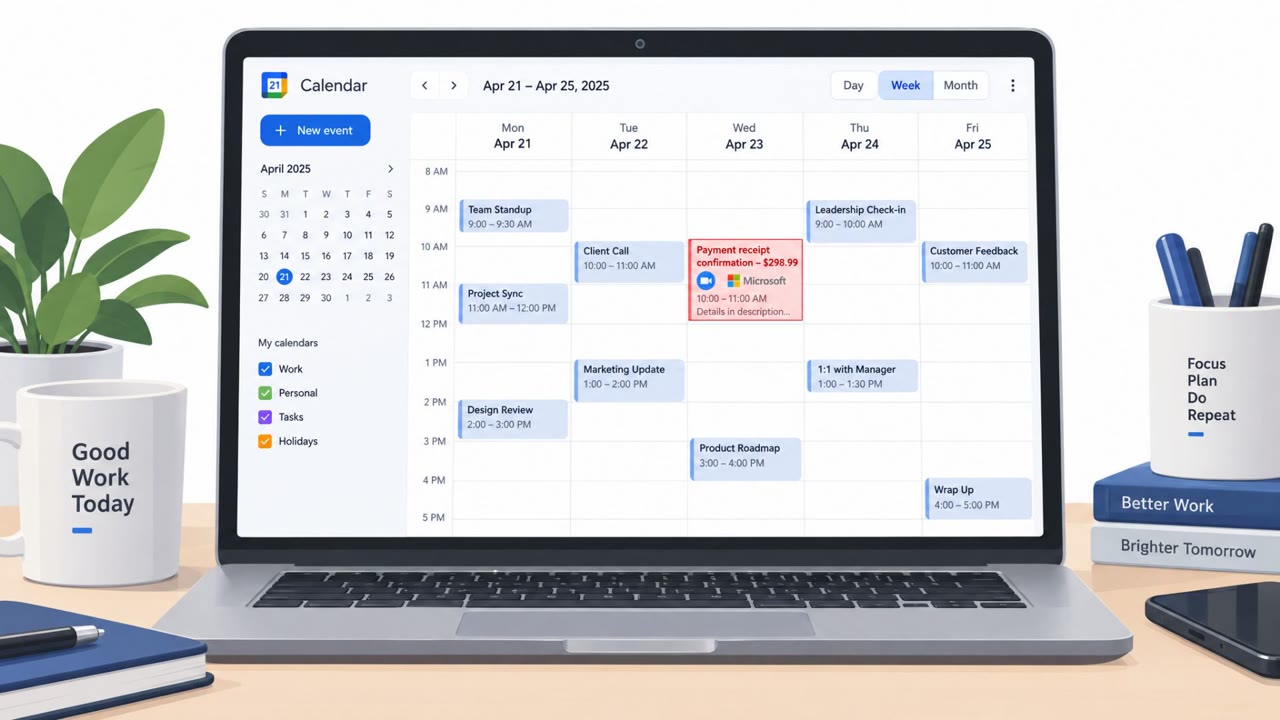
Attackers are sending calendar invitations that auto-appear in tools like Google Calendar, tricking people into clicking links or calling “support” numbers. The calendar event often mimics voicemails, payment receipts, or auto-renewals and leads to fake login pages (Microsoft/Google/PayPal) or…

October 11, 2026
Chinese Spy Phish + Airmen BEC Sentenced

Chinese Spy Phish + Airmen BEC Sentenced

A China-aligned group (TA419) impersonated well-known U.S. figures to lure AI policy experts into a fake OneDrive/Microsoft 365 login that could steal session cookies even when MFA is enabled. Separately, two U.S. airmen were sentenced for a multi-year business email compromise scheme where they…

October 2, 2026
Fake ChatGPT Invoice Email Steals Logins

Fake ChatGPT Invoice Email Steals Logins

Attackers are sending fake ChatGPT billing emails that pressure people to “update payment” within 48 hours to avoid service interruption. The message links to a convincing look‑alike ChatGPT login page via a Google redirect, aiming to steal OpenAI credentials.

September 18, 2026
Job Offer & Doc-Link Phishing Drive Real Breaches

Job Offer & Doc-Link Phishing Drive Real Breaches

This weekly threat bulletin describes real incidents where attackers used human manipulation to break in, including social engineering at Levi Strauss and a Microsoft 365 credential-theft phish at defense supplier IEH. It also highlights a Lazarus-linked campaign using fake job offers and…

August 17, 2026
GhostAction Phishes Developers With Fake GitHub Alert

GhostAction Phishes Developers With Fake GitHub Alert

GhostAction attackers sent a fake GitHub security alert to an open-source maintainer, claiming a login from Moscow and directing the victim to secure their account. The fake site stole the victim’s password and two-factor code, then silently approved a powerful GitHub OAuth connection that let the…

October 19, 2026