China-aligned attackers targeted Philippine government officials with a fake Laos–Philippines meeting agenda tied to the ASEAN Summit. The document asked recipients to confirm details before the summit, but delivered PlugX remote-access malware while showing a decoy agenda. A separate campaign against Southeast Asian government entities also used phishing emails with PDF decoys and lookalike domains.
How the attack worked
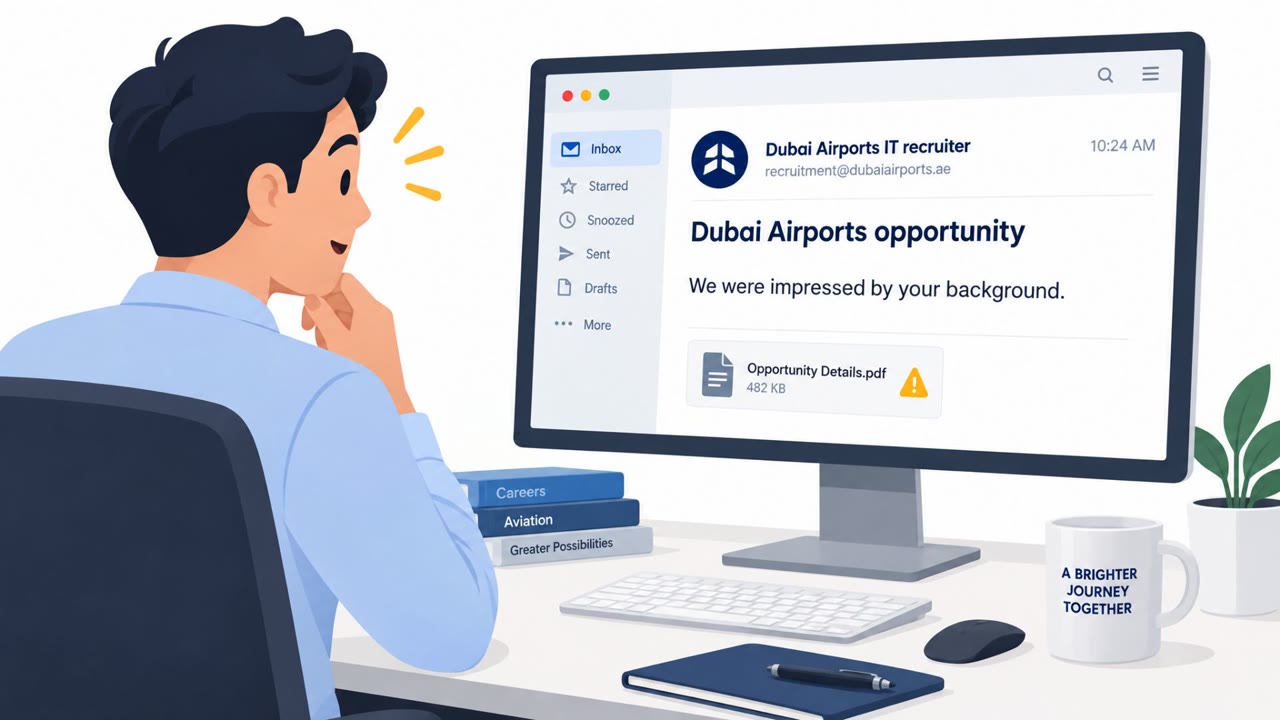
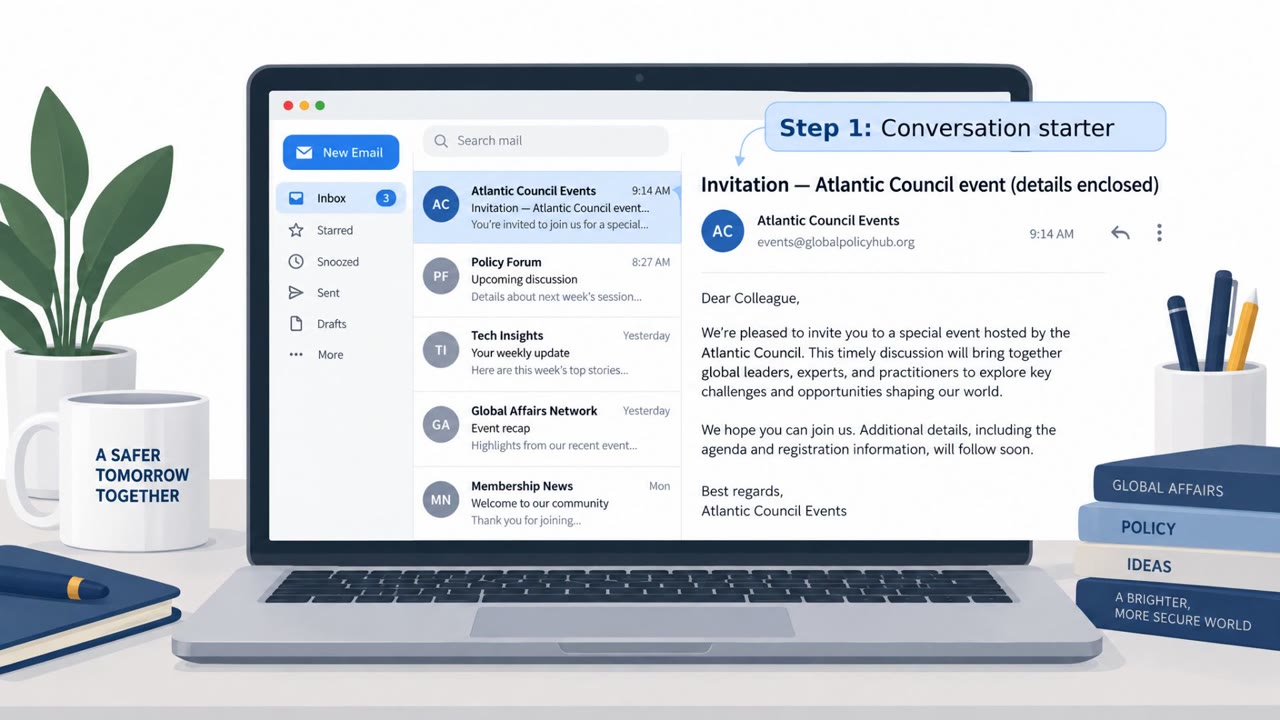
The campaign targeted Philippine government officials with a document impersonating an agenda for a Laos-Philippines bilateral meeting tied to the ASEAN Summit. The lure named five officials and referenced plausible diplomatic priorities, asking the recipient to provide confirmation before the summit. Opening the package installed PlugX remote-access malware while displaying a decoy agenda to the victim, so the deception continued even after the file was opened.
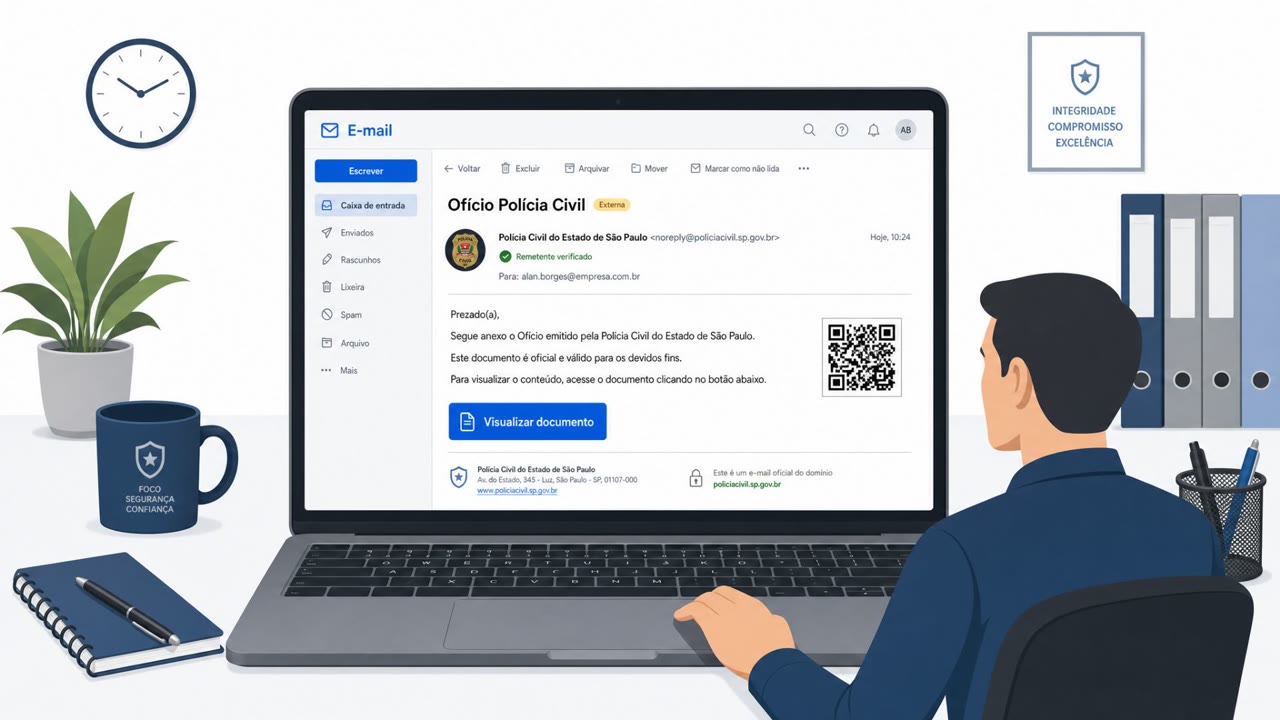
A separate but related campaign, attributed to Earth Alux, used phishing emails with decoy PDFs and lookalike domains against Southeast Asian government entities. In that case, executable files were disguised as PDF documents. Launching the file opened what looked like a legitimate PDF while malware ran silently in the background.
Why it succeeded
Both campaigns relied on context that made the request feel routine and official. A diplomatic agenda referencing real officials and plausible priorities gives a recipient little reason to question it, especially when it is framed around a known, time-bound event like an ASEAN Summit. The request to confirm details before the summit added a sense of urgency that discourages the kind of pause needed to verify a sender through another channel.
The technical layer reinforced the social engineering. Because the malicious file displayed a believable decoy document after execution, a recipient who opened it would see exactly what they expected, an agenda or a PDF, with no obvious indication that anything else had happened in the background.
What to watch for
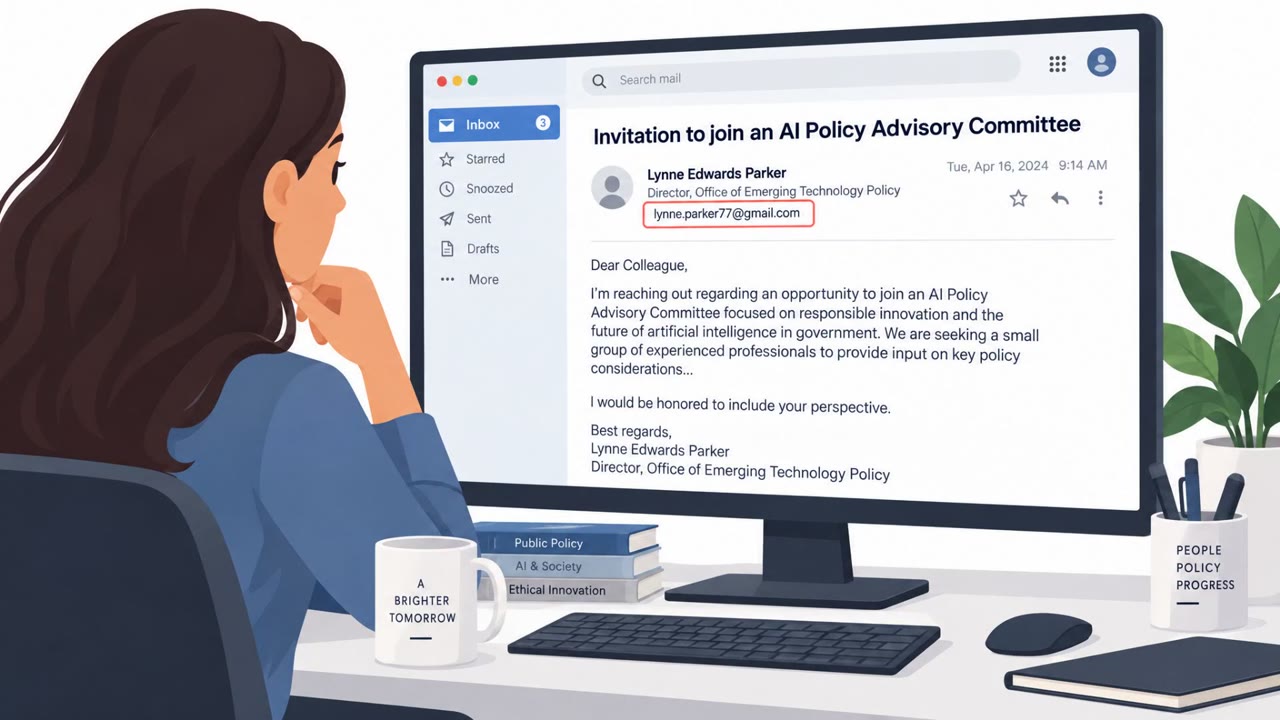
- Unexpected requests for confirmation tied to a high-profile event such as a summit or bilateral meeting
- Attachments claiming to be official agendas, meeting notes, or government documents from an unfamiliar or unverified sender
- Pressure to respond or act before a specific date or event
- Sender domains that closely resemble, but do not exactly match, a legitimate organization's domain
- File attachments that behave like documents but are actually executables
How to build resistance
Organizations handling diplomatic or government correspondence should treat unexpected summit, diplomatic, or executive-event documents as untrusted until the sender and request are verified through a known contact method, not through the contact details in the message itself. Staff should not assume an attachment is safe simply because it opens a believable document; unusual file types, senders, or requests should be reported rather than dismissed. Reviewing sender domains carefully, particularly for messages using official-looking documents or urgent government themes, can help catch lookalike domains before a file is opened. These habits apply to government IT and security teams as well as the administrative and executive staff most likely to receive these lures directly.
Key findings
- Mustang Panda targeted Philippine government officials with ASEAN Summit-themed lures.
- The malicious package impersonated an agenda for a Laos–Philippines bilateral meeting from the Lao Ministry of Foreign Affairs.
- The lure named five officials, referenced plausible diplomatic priorities, and asked the recipient to provide confirmation before the summit.
- Opening the package installed PlugX remote-access malware while displaying a decoy agenda.
- Earth Alux also used phishing emails with decoy PDFs and lookalike domains against Southeast Asian government entities.
- In the Earth Alux campaign, executable files were disguised as PDF documents; launching one opened a decoy PDF while malware ran in the background.
Who’s being targeted
- Commonly targeted roles: Government officials, Foreign affairs and diplomatic personnel, Executive assistants, Administrative staff, Government IT and security teams.
- Affected industries: Philippine government, Southeast Asian government entities, Diplomatic and foreign affairs organizations.
- Attack channels: email.
- Impersonated: Lao Ministry of Foreign Affairs, Unspecified government-related sender.
Red flags to watch for
- An unexpected request for confirmation tied to a high-profile event.
- An attachment claiming to be an official bilateral-meeting agenda.
- Pressure to act before an upcoming summit.
- The attachment is an executable masquerading as a PDF.
- A document opens normally, but software may also run silently in the background.
- The sender domain may closely resemble, rather than exactly match, a legitimate organization.
Frequently asked questions
What was the fake ASEAN agenda attack?
Attackers sent Philippine government officials a document impersonating a Laos-Philippines bilateral meeting agenda tied to the ASEAN Summit, which installed PlugX remote-access malware while showing a decoy agenda.
Who was targeted in this campaign?
The lure named five officials and was sent to government officials, diplomatic staff, foreign affairs personnel, and executive assistants in the Philippines.
How did the Earth Alux campaign differ?
Earth Alux used phishing emails with executable files disguised as PDFs and lookalike domains against Southeast Asian government entities, so opening the file showed a decoy PDF while malware ran in the background.
What are the warning signs of these lures?
Red flags include unexpected confirmation requests tied to high-profile events, attachments claiming to be official agendas, pressure to act before a deadline, and sender domains that closely resemble but don't exactly match a legitimate organization.
Read the video transcript
An ASEAN Summit agenda lands in your inbox. It names five officials. It claims to be from the Lao Ministry of Foreign Affairs: ‘Please provide confirmation before the summit.’ Open the package, and a believable agenda appears while PlugX installs behind it. That’s the trick: a document opening doesn’t mean it’s safe. In a related campaign, Earth Alux disguised executables as PDFs and used lookalike sender domains. The PDF opened; malware ran too. Unexpected summit agenda asking for confirmation? Before opening it, call your known contact to verify the request.