Microsoft reports that North Korean threat actors are using AI to make job scams, fake recruiter outreach, fraudulent worker identities, and targeted phishing campaigns faster and more convincing. One group posed as recruiters for a spoofed AI blockchain company and scheduled software-engineer interviews, while another rapidly produced large volumes of tailored PDF lures for South Korean targets.
How the attack worked
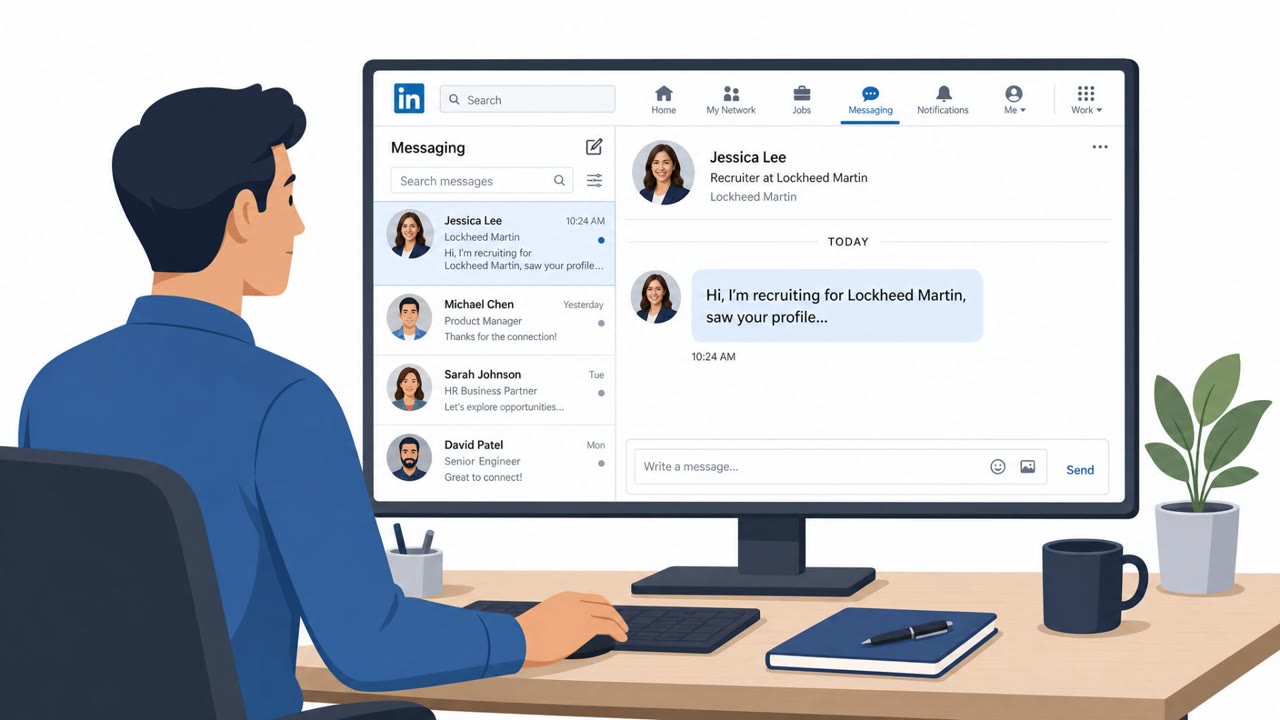
Microsoft describes several distinct North Korean threat groups using AI to accelerate job-themed social engineering. Jade Sleet impersonated recruiters for a spoofed AI-powered blockchain intelligence company, using tailored domains, social media profiles, and industry-specific knowledge to initiate contact with software engineers and schedule interviews with people who engaged. Onyx Sleet took a different approach, generating over 100 target-specific PDF lure files aimed at South Korean users, with metadata showing dozens of files created within minutes, a pace consistent with AI-assisted output. Diamond Sleet built entirely fake communications-technology companies, complete with websites and personas, to approach telecommunications firms with proposed business partnerships. Jasper Sleet used AI-assisted resume and persona workflows to make fraudulent remote-worker identities appear more credible during hiring.
Why it succeeded
Each of these campaigns relies on a convincing surface layer: a believable company name, a plausible job opportunity, a personalized document, or a polished partnership pitch. AI lowers the effort needed to produce these details at scale and with more natural language, including translated or tone-adjusted content for foreign-language targets. Microsoft notes that these actors use AI primarily to speed up existing human-led tradecraft rather than to replace it, meaning the social engineering fundamentals, trust, curiosity, and urgency around career or business opportunities, remain the same even as the supporting material becomes harder to distinguish from legitimate outreach.
What to watch for
- Unsolicited recruiter messages tied to a company that is spoofed or difficult to independently verify.
- Recruiter profiles that are newly created or have little established history.
- Unexpected PDF attachments that contain personal or organization-specific details.
- Business partnership outreach from a company with no verifiable registration, leadership, or references.
- Communications that read unusually polished, natural, or well-tailored to the recipient's background.
How to build resistance
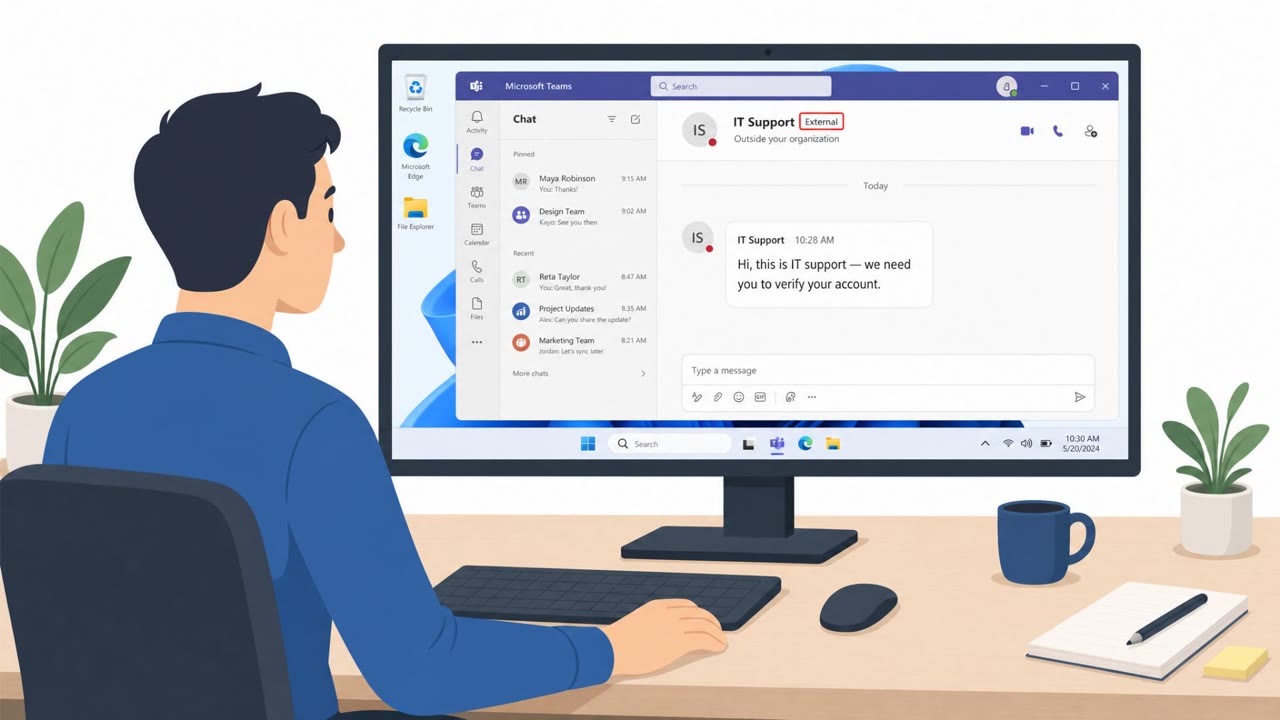
Organizations and individuals can reduce exposure by treating unsolicited recruiter outreach and interview invitations as unverified until confirmed through known company channels. Unexpected PDF attachments should be checked with a known contact before opening, especially when they contain unusually specific personal details. Partnership proposals from unfamiliar companies warrant independent checks of business registration, leadership, and customer references rather than reliance on a polished website alone. Because AI narrows the gap between convincing and suspicious communications, verification habits matter more than spotting obvious errors in grammar or formatting.
Key findings
- Jade Sleet used tailored domains, social-media profiles, and industry knowledge to impersonate recruiters for a fake AI-powered blockchain intelligence company.
- The fake recruiter outreach used software-engineer opportunities to start conversations and arrange interviews with people who responded.
- Onyx Sleet created more than 100 target-specific PDF lure files and generated dozens within minutes, supporting high-volume phishing against South Korean users.
- Jasper Sleet uses AI-assisted resume and persona workflows to make fraudulent remote-worker identities more credible during hiring processes.
- Diamond Sleet built fake communications-technology companies, websites, and personas to approach telecommunications firms as a purported business partner.
- North Korean actors use AI primarily to accelerate existing human-led operations rather than run fully autonomous attacks.
Who’s being targeted
- Commonly targeted roles: Software Engineers, Developers, Cybersecurity Teams, Recruiters and HR Teams, Hiring Managers, Telecommunications Partnership Teams, Business Development, Procurement, Cryptocurrency and Blockchain Teams, Executives.
- Affected industries: Cybersecurity, Artificial intelligence, Blockchain and cryptocurrency, Talent recruitment, Telecommunications, Oil and gas, Defense, Financial services, Government, Education, Software development.
- Attack channels: linkedin, email, website.
- Impersonated: Recruiter for a spoofed AI-powered blockchain intelligence company, Not specified in the article, Fake communications technology company.
Red flags to watch for
- The company is spoofed rather than independently verifiable.
- The recruiter relies on a newly created or weakly established social-media profile.
- The opportunity is unusually tailored to the recipient’s industry background.
- An unsolicited PDF is tailored with personal or organization-specific details.
- Many similar documents can be rapidly regenerated with small changes.
- The sender’s identity and the document’s expected business purpose cannot be independently verified.
- The company, website, and personas may have been created solely to support outreach.
- The partnership proposal comes from an organization with little independently verifiable history.
- Contact details, business registration, leadership, and customer references do not stand up to independent checks.
Frequently asked questions
How are North Korean threat actors using AI in job scams?
According to Microsoft, groups like Jade Sleet use AI to pose as recruiters with tailored domains and social media profiles, while Onyx Sleet uses AI to rapidly generate target-specific PDF phishing lures.
What roles are being targeted by these fake recruiter campaigns?
Software engineers, cybersecurity professionals, AI and blockchain professionals, and recruiters themselves have been targeted through job-themed outreach, mainly on LinkedIn.
How can someone verify if a recruiter message is legitimate?
Treat unexpected recruiter messages and interview invitations as untrusted until the employer and recruiter identity are independently confirmed through known company channels.
Are these attacks fully automated by AI?
No, Microsoft reports that North Korean actors primarily use AI to accelerate existing human-led operations, such as generating lures and personas faster, rather than running fully autonomous attacks.
Read the video transcript
A recruiter knows your exact background. That’s not proof they’re real. Jade Sleet posed as recruiters for a fake AI-powered blockchain intelligence company. They used tailored profiles and domains to offer software-engineer roles, then scheduled interviews with people who replied. The aha moment: a perfect match can be manufactured. AI helps tailor the pitch, while a polished profile and company website can still be fake. Before booking that interview, find the company’s official website yourself and confirm the recruiter through its listed contact.