Iran-aligned DarkBlinders used convincing recruitment offers while posing as Dubai Airports recruiters to target a high-value job seeker in Iraq. The victim was asked to complete what appeared to be a coding assessment, but the assessment package installed malware. The group also used lookalike government, webmail, cloud-storage, and videoconferencing sites to steal credentials or distribute malicious software.
How the fake recruiter lure worked
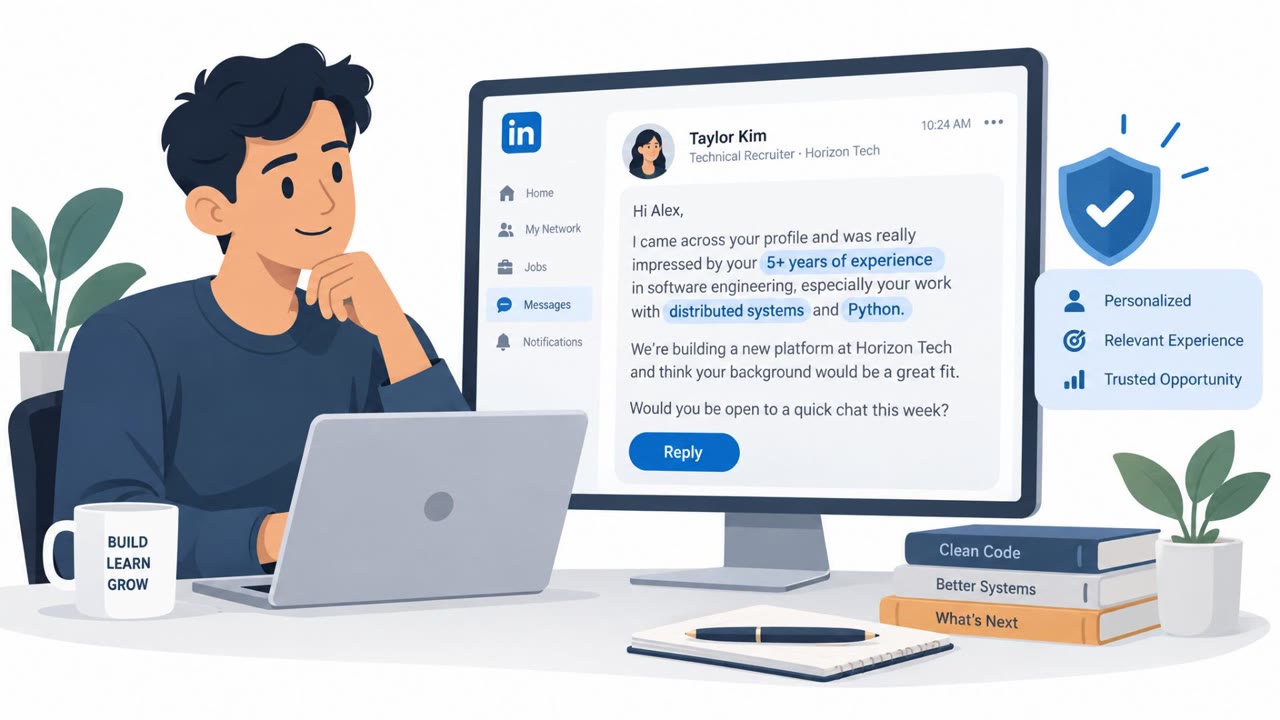
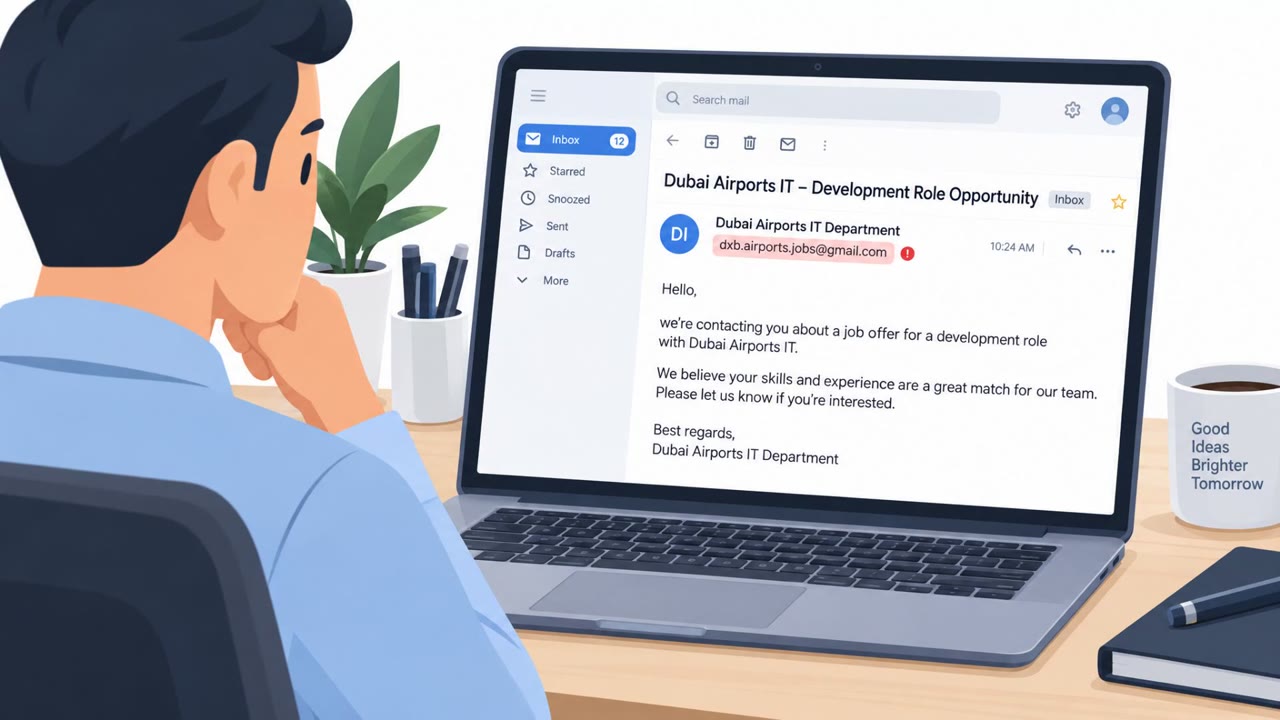
A group referred to as DarkBlinders approached a high-value job seeker in Iraq while posing as recruiters for Dubai Airports. The pretext involved a lucrative job offer and a request to complete what looked like a standard coding assessment. The assessment itself initially appeared harmless, a tactic meant to build credibility with the target before the real payload arrived. That payload came in the form of a Microsoft Visual Studio project archive, which deployed ShelbyLoader and the SHELBYC2 backdoor once opened.
Why the approach succeeded
The lure worked because it mirrored a legitimate hiring process that software developers and IT professionals regularly encounter. Coding assessments, project files, and development tools are routine parts of a job application, which made the malicious archive far less likely to raise suspicion than a typical phishing email with a link. The attackers also layered in credibility by impersonating a well-known aviation brand and framing the initial file as a harmless decoy before escalating to the actual malware stage.
A second front: fake meeting software
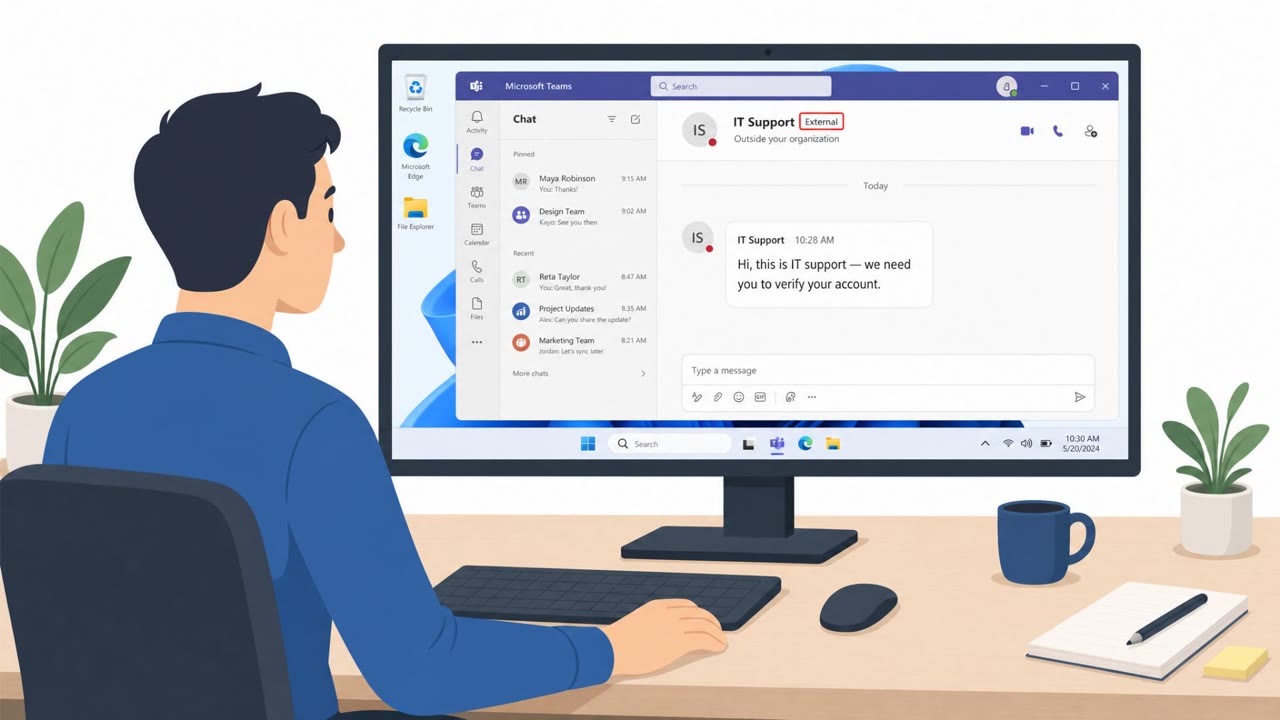
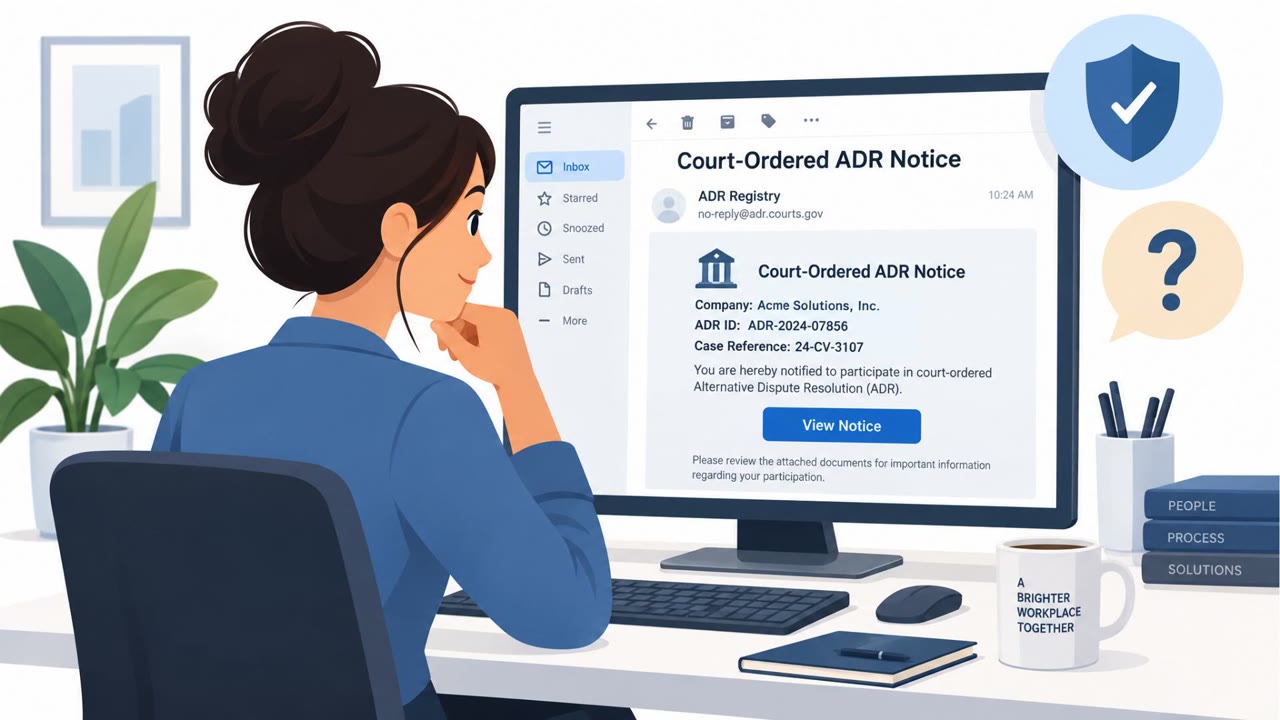
Beyond the recruiting lure, the same group registered multiple lookalike domains for a fake videoconferencing service called StarkMeet, including stark-meet[.]com, stark-meet[.]online, and stark-meet[.]website. Users who downloaded and launched the counterfeit application triggered the same ShelbyLoader and SHELBYC2 malware chain. The group also maintained lookalike government, webmail, and cloud-service domains to harvest credentials or serve malicious downloads, showing a pattern of combining credential phishing with direct malware delivery across multiple pretexts.
What to watch for
- An unsolicited recruiter who asks you to download and run a project archive or application instead of using a standard hiring platform.
- A coding assessment or questionnaire packaged as a self-contained executable rather than delivered through a known assessment platform.
- Meeting or collaboration software offered through an unfamiliar or newly registered domain.
- Login pages or file downloads hosted on domains that closely resemble government, webmail, or cloud-service sites but are not the official address.
Building resistance to this pattern
Treat any unexpected recruiting contact that requires downloading or running code as suspicious, and verify the recruiter and employer independently using contact details from the real organization rather than information in the message. Avoid executing developer files, project archives, or assessment packages from unverified sources, and install meeting or collaboration software only from approved internal sources or confirmed vendor sites. These habits reduce exposure to lures that mix a credible pretext with a technical delivery mechanism designed to bypass routine suspicion.
Key findings
- DarkBlinders compromised a high-profile Israeli individual and a government cloud environment in Iraq's Kurdistan Region.
- The group posed as Dubai Airports recruiters and used lucrative job offers to persuade a high-value target to run a fake coding assessment.
- The malicious assessment was disguised as a Microsoft Visual Studio project archive and ultimately deployed ShelbyLoader and the SHELBYC2 backdoor.
- The group used government, webmail, and cloud-service lookalike domains for credential collection and malicious file downloads.
- DarkBlinders also registered fake StarkMeet videoconferencing domains; installing the purported application executed malware.
Who’s being targeted
- Commonly targeted roles: Government employees, Executives and high-profile individuals, Software developers, IT and engineering staff, Recruiting and HR teams, Cloud-service administrators, Remote workers.
- Affected industries: Government, Aviation infrastructure, Telecommunications, Cloud services.
- Attack channels: email, website.
- Impersonated: Dubai Airports IT department recruiter, StarkMeet videoconferencing service.
Red flags to watch for
- An unexpected recruiter asks the recipient to run a project archive rather than use a normal hiring platform.
- The assessment is a self-contained application that imitates a career portal.
- A job offer or assessment creates urgency to run unfamiliar code on a work device.
- The meeting software is hosted on an unfamiliar or newly registered lookalike domain.
- The user is asked to install software rather than join through an established corporate conferencing platform.
- The application is branded as StarkMeet but comes from domains such as stark-meet[.]com rather than a verified supplier site.
Frequently asked questions
How did the fake recruiter attack work?
Attackers posed as Dubai Airports recruiters and offered a high-value job seeker a lucrative role, asking them to complete a coding assessment delivered as a Microsoft Visual Studio project archive that actually deployed malware.
What malware was delivered through the fake job offer?
The trojanized coding assessment ultimately deployed ShelbyLoader and the SHELBYC2 backdoor on the victim's device.
What other lures did the group use besides job offers?
The group also set up lookalike government, webmail, and cloud-service domains for credential theft, and a fake StarkMeet videoconferencing app that installed malware when launched.
How can job seekers avoid this kind of attack?
Independently verify any recruiter and employer through official channels before running coding tests, and avoid executing project archives or developer files sent as part of an unsolicited job offer.
Read the video transcript
A Dubai Airports recruiter offers you a great job. Then comes the coding test. The email asks you to open a Microsoft Visual Studio project archive. First, a career-portal questionnaire builds trust. Then the coding assessment runs ShelbyLoader and the SHELBYC2 backdoor. Here's the tell: a recruiter wants you to run code on your work device, not use a hiring platform. The same campaign pushed fake StarkMeet downloads from stark-meet dot com. Before opening any job-test package, contact the employer through its official website and verify the recruiter.