Microsoft identified a real campaign that tricks people into downloading cracked software, free games, activators, and unofficial utilities. The fake installers silently add multiple unwanted programs that can use the victim’s internet connection, computing power, or device for advertising-related software. The clearest prevention message is simple: avoid untrusted software downloads and treat “free” cracked tools as a high-risk lure.
How the attack worked
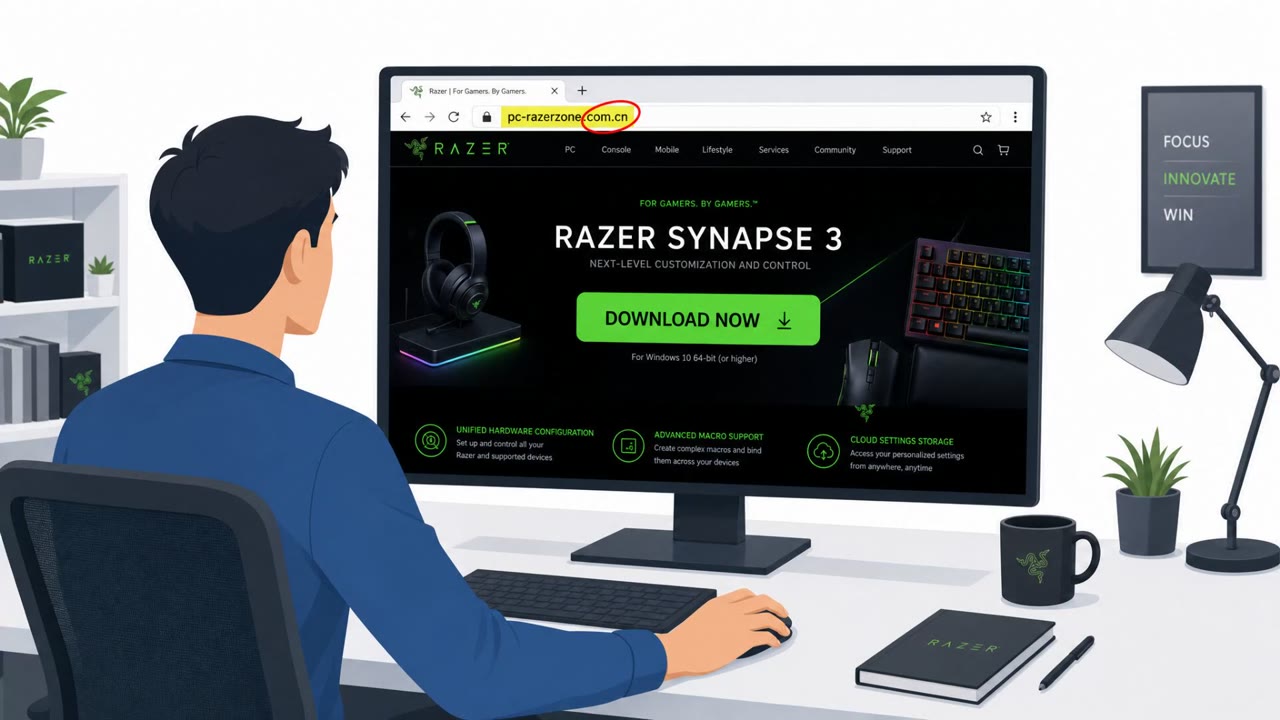
Microsoft identified a real campaign built around fake downloads promoted as cracked commercial software, free games, activators, plugins, executors, and unofficial utilities. Once a user downloads and runs one of these fake installers, a trojanized Inno Setup-style package can deliver several monetization payloads in a single installation session, often without informed user consent. Confirmed payload branches included WorldProxyPool proxyware, CharityEngine or BOINC distributed-computing software, and AW Manager or Windows Manager utility-style adware. The installer used recurring offer-execution callbacks and rotating domains to select and deliver downstream payloads, and WorldProxyPool specifically created SYSTEM-level scheduled tasks for startup, watchdog, and updater activity, giving the unwanted software persistent access to the device (T1053.005).
Why it succeeded
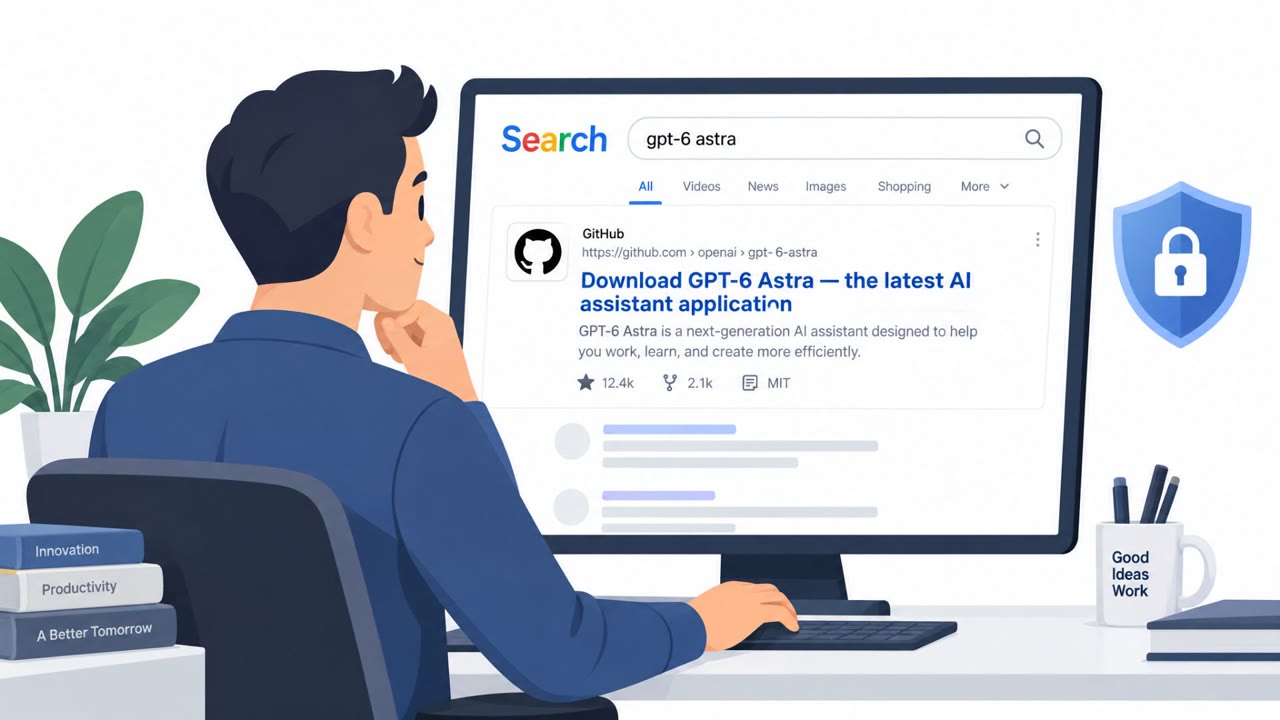
The lure relies on everyday curiosity: users searching for a free game, an audio plugin, a Roblox executor, an auto-clicker, or a driver tool land on a polished download page offering what looks like a normal installer (T1204.002). Because these products and components can have legitimate uses, the installer masquerades as something routine while silently bundling additional software (T1036). The execution chain varied by session, and different offers could succeed or fail independently, so blocking one unwanted component did not guarantee the rest of the bundle was stopped.
What to watch for
- Offers that promote cracked, free, or unofficial versions of paid software
- Installers sourced from unofficial download sites rather than an approved internal catalog or the official publisher
- Unexpected new scheduled tasks, startup entries, or watchdog-style processes appearing after a software install
- Unexplained changes in device performance or network activity that could indicate traffic is being routed through the device or computing resources are being used by an unrelated platform (T1071.001)
How to build resistance
Employees across all roles, especially developers, creative staff, and anyone downloading utilities or plugins, should only install software from approved internal catalogs or official publisher sites and avoid cracked software, key generators, or activation tools on work devices. Treat any free download that requests running an installer as a security decision, particularly for game cheats, executors, auto-clickers, driver tools, or commercial plugins. Organizations can reduce exposure by preventing use of untrusted software sources, enabling potentially unwanted application protection, and monitoring for unexpected software installations and persistence mechanisms. Employees should also report unexpected installations or unusual device behavior promptly, since unwanted software may consume bandwidth or computing resources without an obvious warning sign.
Key findings
- Attackers used fake downloads promoted as cracked commercial software, free games, activators, plugins, executors, and unofficial utilities.
- Trojanized Inno Setup-style installers delivered several monetization payloads in one installation session, often without informed user consent.
- Confirmed payload branches installed WorldProxyPool proxyware, CharityEngine/BOINC distributed-computing software, or AW Manager/Windows Manager utility-style adware.
- The installer used recurring offer-execution callbacks and rotating domains to select, deliver, and track downstream payloads.
- WorldProxyPool created SYSTEM-level scheduled tasks for startup, watchdog, and updater activity, giving the unwanted software persistent access to the device.
Who’s being targeted
- Commonly targeted roles: All employees, IT helpdesk, Endpoint security teams, Software developers, Creative teams, Employees who download utilities or plugins.
- Affected industries: All industries, Consumer software users, Organizations with unmanaged or lightly managed endpoints.
- Attack channels: website.
- Impersonated: A software-download site or unofficial software distributor, A game, utility, plugin, or driver download provider.
Red flags to watch for
- The offer promotes cracked, free, or unofficial software.
- The download is an installer rather than a verified vendor download.
- The software source is not the official publisher or approved internal software catalog.
- The tool claims to unlock paid software or provide an activator.
- The installer may silently add unrelated software.
- Free executors, activators, and unofficial utilities are common malware delivery lures.
Frequently asked questions
What is the fake download campaign Microsoft identified?
It is a campaign where trojanized Inno Setup-style installers promoted as cracked software, free games, activators, or utilities silently deliver multiple monetization payloads in one installation session.
What payloads were delivered through these fake installers?
Confirmed payload branches installed WorldProxyPool proxyware, CharityEngine or BOINC distributed-computing software, or AW Manager and Windows Manager utility-style adware.
How does the installer persist on a device?
WorldProxyPool created SYSTEM-level scheduled tasks for startup, watchdog, and updater activity, giving the unwanted software persistent access to the device.
How can organizations reduce exposure to this type of campaign?
Organizations can prevent use of untrusted software sources, enable potentially unwanted application protection, and monitor for unexpected software installations and persistence mechanisms.
Read the video transcript
“Download Echo Client.” Free utility, polished page. Tempting? Run its Inno Setup-style installer, and one install can quietly add several extras: WorldProxyPool, CharityEngine/BOINC, or AW Manager. No clear permission, no obvious warning. Here’s the catch: “free” can mean your bandwidth or computing power pays instead. WorldProxyPool can even create SYSTEM-level tasks to keep running. A blocked extra doesn’t stop the rest. Need software for work? Get it from our approved catalog or the publisher’s official site, not a cracked-download page.