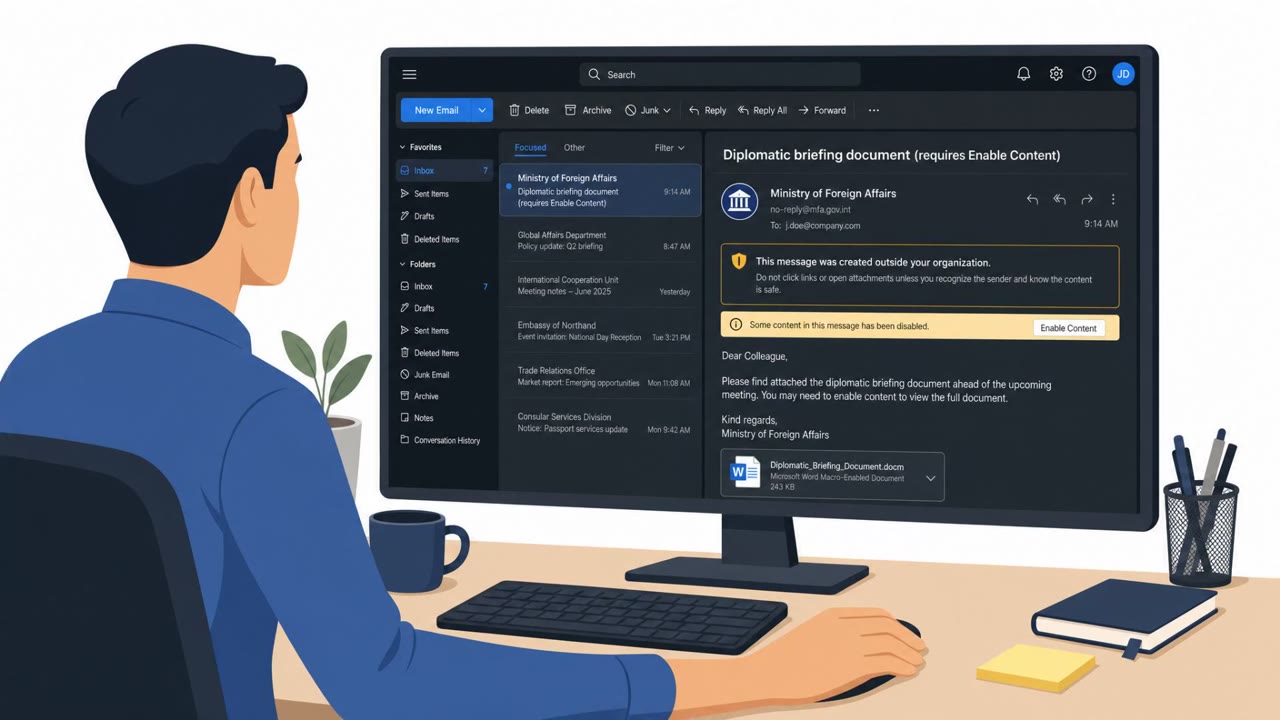
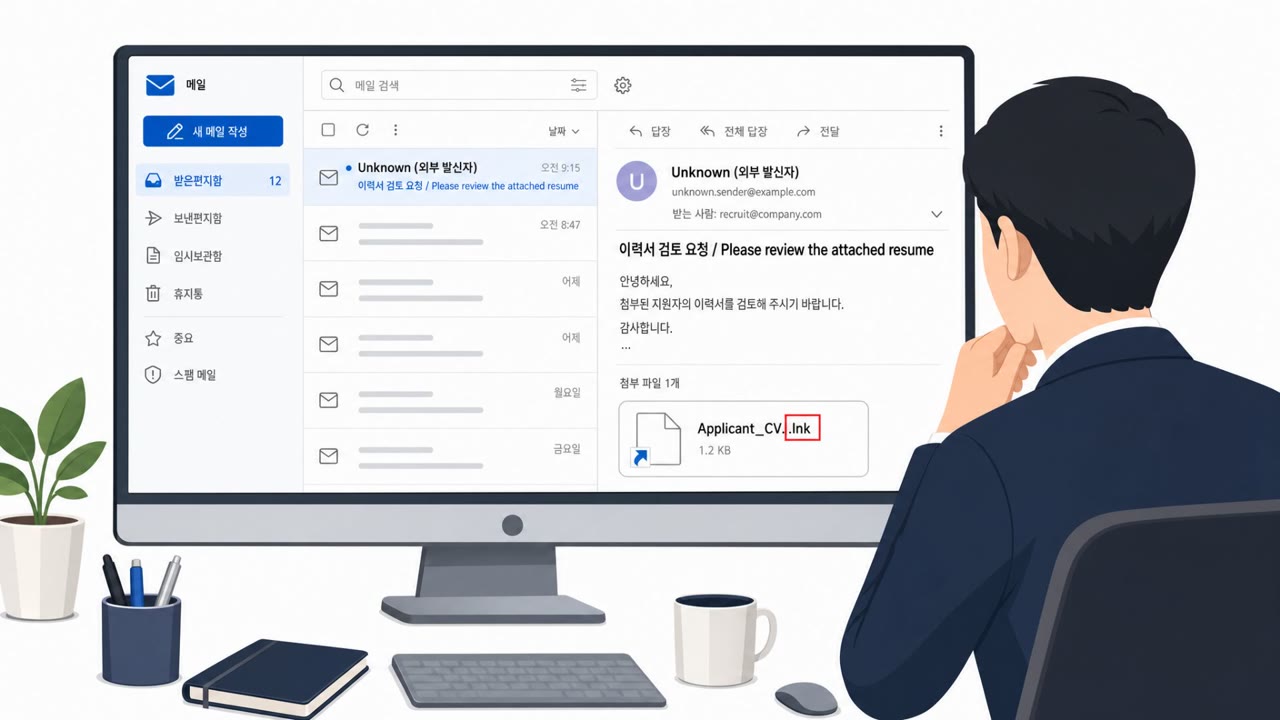
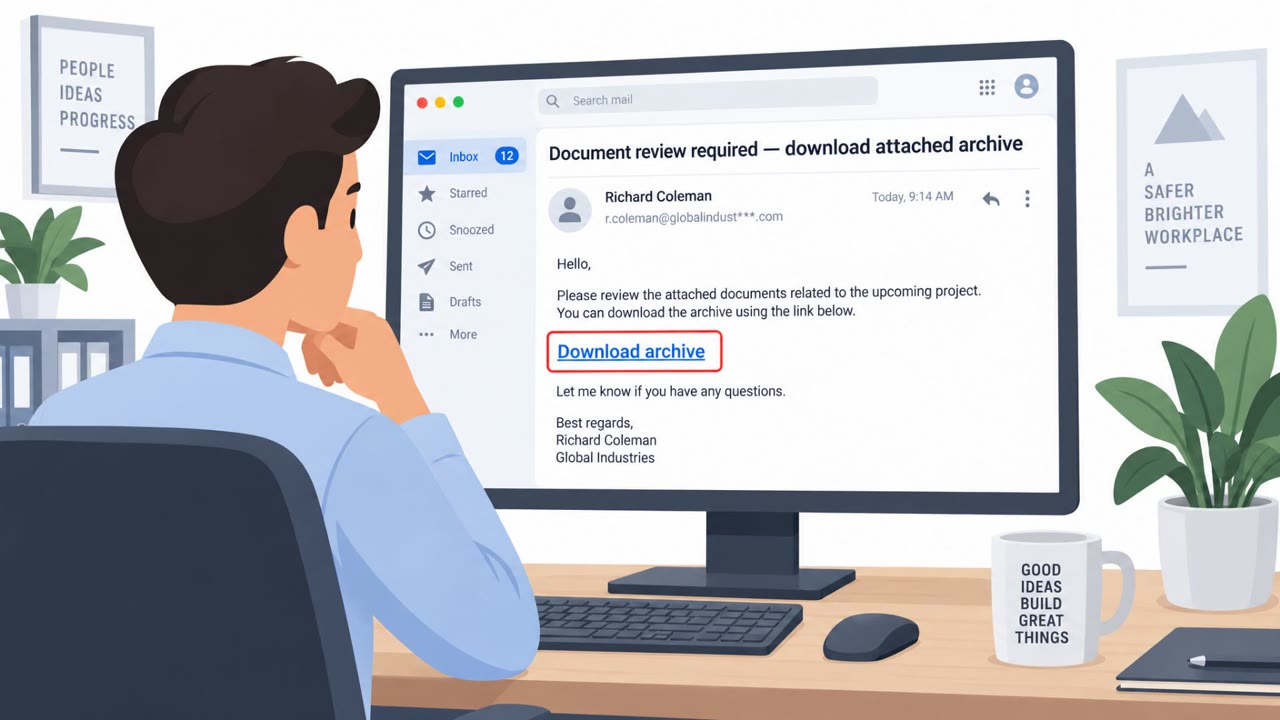
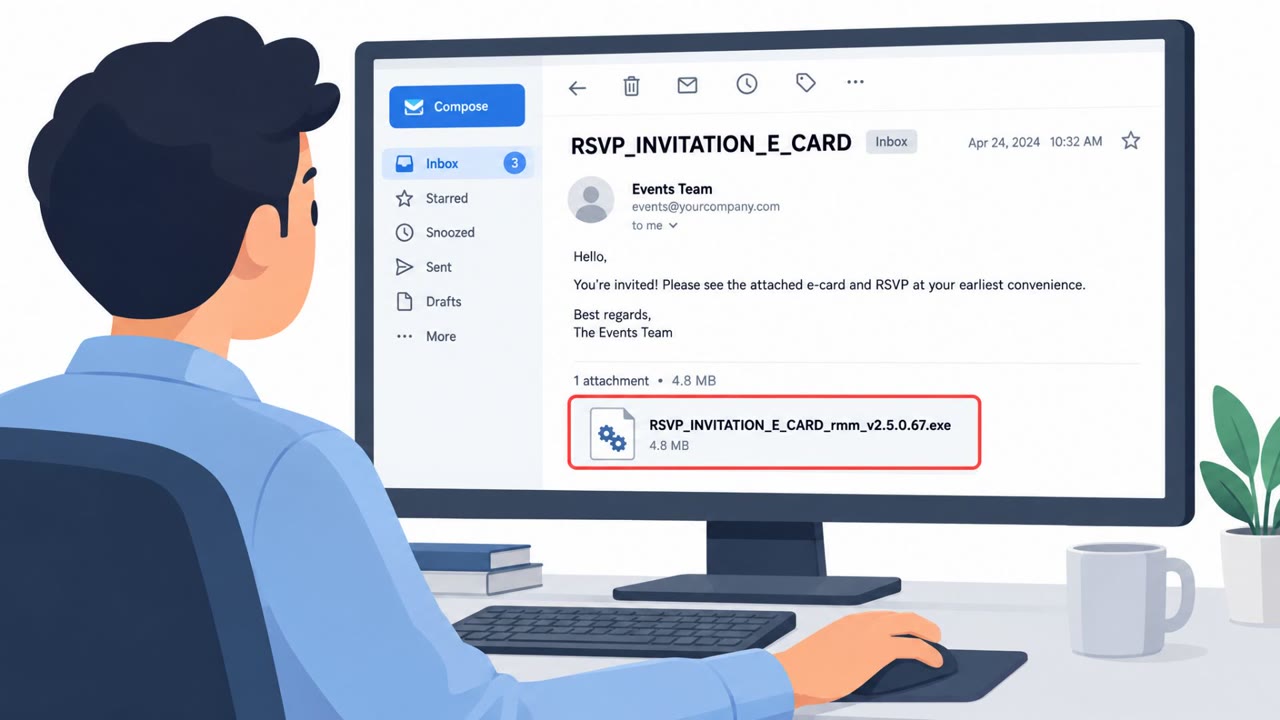
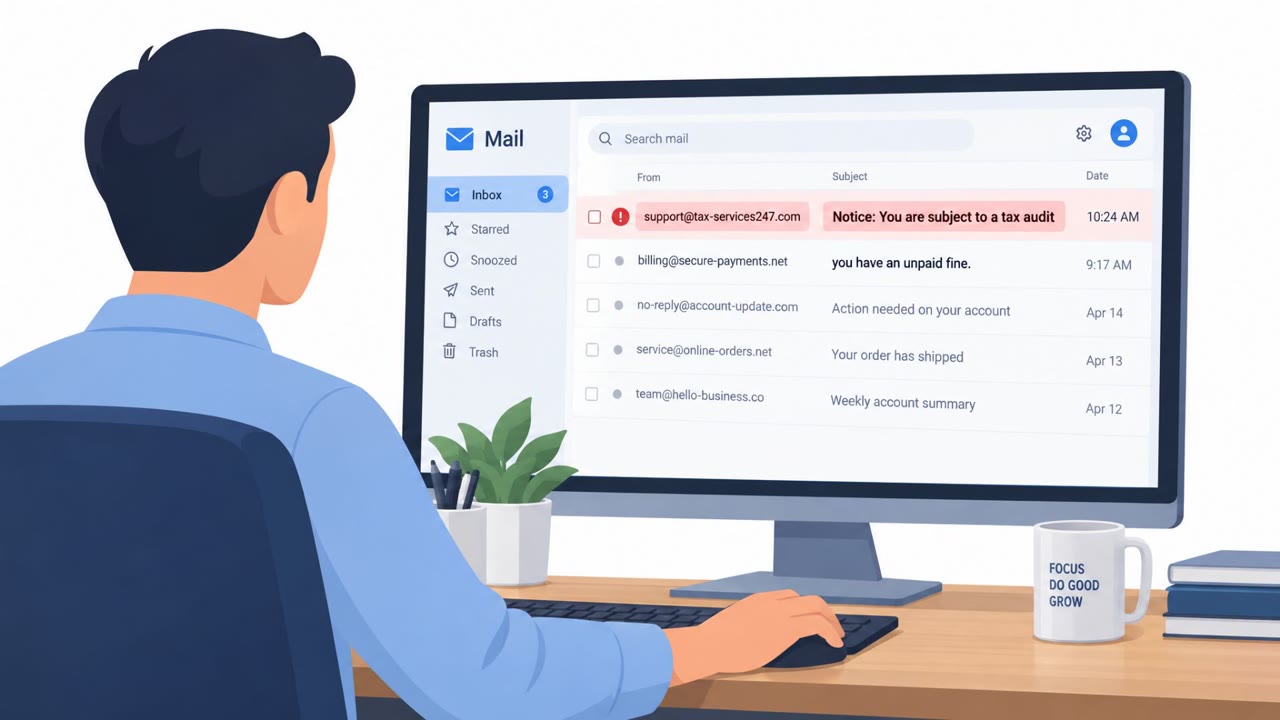
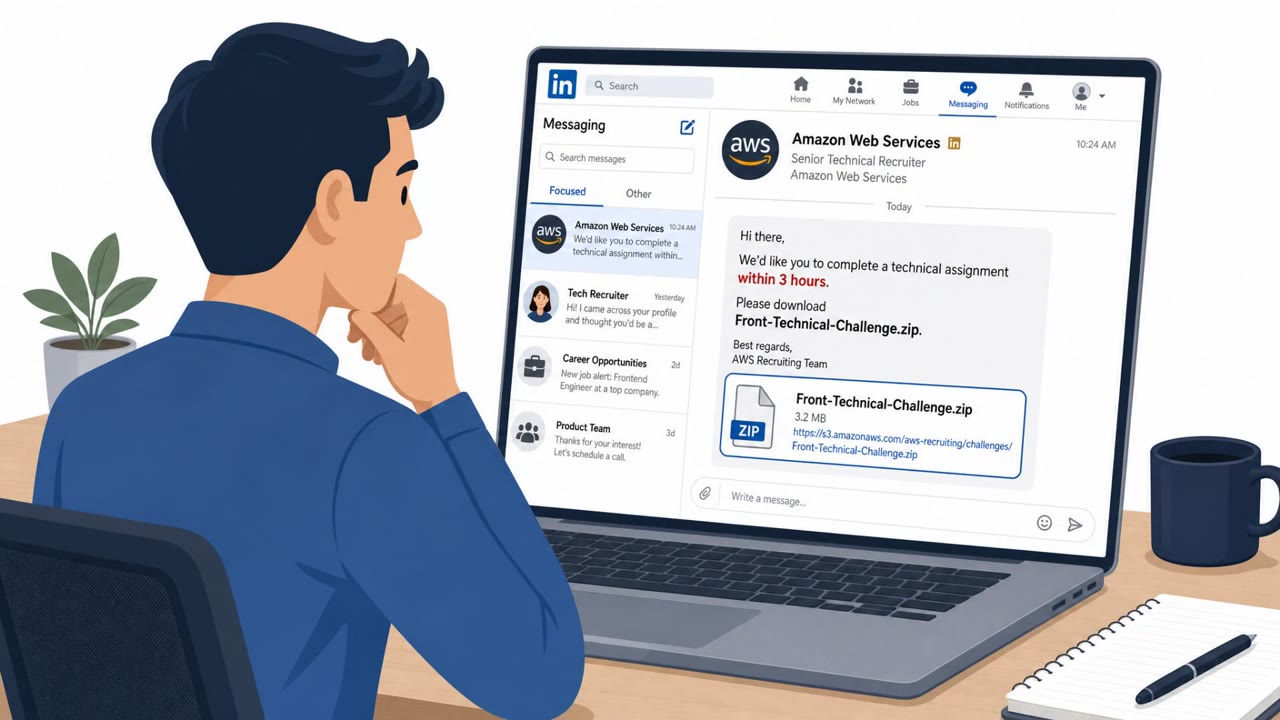
A Ukraine-based grain logistics company was breached through a spearphishing email carrying a malicious attachment. UAC-0099 used the access to install backdoors, then handed access to Sandworm, which later deployed a data-wiping attack. The initial email attachment is a realistic awareness-training scenario, especially for logistics organizations handling sensitive operational data.
How the Attack Unfolded
The intrusion began with a simple spearphishing email sent to a Ukrainian grain logistics company. The message carried a malicious attachment that, once opened, triggered the execution chain for the MATCHWOK backdoor. Within a day, the attackers tracked as UAC-0099 deployed a previously undocumented backdoor called MythicRatatoskr, which communicated with its command-and-control server through the Yggdrasil mesh network and could upload files and capture screenshots from infected machines.
From there, the attackers expanded their foothold. Additional MythicRatatoskr samples were pushed to other systems within the organization using an OpenSSH SFTP server, showing the compromise was not contained to a single device. Approximately two months later, researchers detected data-wiping activity at the same company. Sandworm is assessed to have used Active Directory Group Policy to deploy the SDelete utility, wiping data across the environment on September 17, 2025.
Why the Attack Succeeded
The initial email relied on a pretext that appeared relevant enough for staff in logistics or operations to open the attachment without hesitation. The sender's identity could not be independently verified, yet the message pressured the recipient to open a file directly rather than pointing to a known business portal. This kind of business-relevant framing is effective because it blends into routine daily communication for coordinators, dispatchers, and supply-chain administrators.
The attackers also used legitimate-sounding Windows service names, such as ieupdate, updater.exe, and WindowsDefenderSvc.exe, to persist on compromised machines without drawing immediate attention.
What to Watch For
- Unexpected attachments from senders whose identity cannot be confirmed through a separate channel.
- Messages urging immediate action to open a file rather than referring to a known internal system.
- Unusual processes, permission prompts, or new Windows services appearing after opening an attachment.
- Signs of lateral movement, such as unexpected file transfer activity across internal systems.
Building Resistance
Organizations handling operational data, particularly in logistics and supply-chain roles, benefit from treating every unsolicited attachment as suspicious until verified. Employees should be encouraged to report odd attachments or unexpected system prompts immediately rather than investigating them alone. Because a single opened attachment enabled a chain that eventually led to data destruction, security teams should prepare for phishing incidents as potential business-disruption events, not just email hygiene issues, and ensure monitoring can catch unusual service creation or internal file transfer activity early.
Key findings
- UAC-0099 gained access to a Ukrainian grain logistics company on July 16, 2025 through a spearphishing email with a malicious attachment.
- The malicious attachment led to the MATCHWOK backdoor, followed by deployment of the previously undocumented MythicRatatoskr backdoor.
- MythicRatatoskr used the Yggdrasil mesh network to communicate with its command-and-control server and could upload files and screenshots.
- Additional malware was deployed to other systems using an OpenSSH SFTP server, indicating expansion beyond the initially compromised device.
- Sandworm later used Active Directory Group Policy to deploy the SDelete utility and wipe data on September 17, 2025.
- Researchers assess with high confidence that UAC-0099 handed access to Sandworm during the intrusion.
Who’s being targeted
- Commonly targeted roles: Logistics coordinators, Operations staff, Dispatchers, Supply-chain administrators, Finance teams, General office staff, IT support, System administrators, Security operations teams.
- Affected industries: Grain logistics, Transportation and warehousing, Agriculture supply chain, Government, Financial services, Media.
- Attack channels: email.
- Impersonated: Unspecified sender posing as a legitimate business contact.
Red flags to watch for
- An unexpected attachment from a sender whose identity cannot be independently verified.
- The message pressures the recipient to open a file rather than directing them to a known business portal.
- The attachment or its contents launches an unusual process or requests permission to run content.
Frequently asked questions
How did the attackers first gain access?
UAC-0099 gained initial access to a Ukrainian grain logistics company on July 16, 2025 through a spearphishing email containing a malicious attachment, which led to the MATCHWOK backdoor execution chain.
What happened after the initial backdoor was installed?
The attackers deployed a previously undocumented backdoor called MythicRatatoskr, which communicated with its command-and-control server over the Yggdrasil mesh network and spread to other machines using an OpenSSH SFTP server.
What was the final outcome of the intrusion?
Researchers assess with high confidence that UAC-0099 handed off access to Sandworm, which used Active Directory Group Policy to deploy the SDelete utility and wipe data on September 17, 2025.
Who should be most concerned about this kind of attack?
Logistics coordinators, operations staff, dispatchers, supply-chain administrators, and IT or security teams at organizations handling sensitive operational data are the most relevant audience for this scenario.
Read the video transcript
A grain logistics company got an email: “Please review the attached document.” The sender looked like a business contact, but couldn't be verified. In this real case, opening the attachment installed MATCHWOK, then MythicRatatoskr, backdoors that gave access beyond that inbox. Here's the part to remember: one file opened in July led to Sandworm wiping company data in September. A routine-looking document became a business shutdown. Unexpected attachment, even about today's shipment? Before opening it, call the contact using a number you already know.