Scammers are creating TikTok-branded “rewards” websites that promise big cash payouts for simple actions like daily check-ins and small tasks. The sites show large balances and use countdown timers to rush users, but when users try to withdraw, the site keeps adding new requirements (referrals, offers, or downloading an app). The goal is to harvest personal/banking details or drive installs and clicks that make the scammer money, without ever paying out.
Key findings
- Scam sites impersonate TikTok branding and mimic a loyalty/rewards app experience (check-ins, tasks, referrals, redeem screen).
- They display large fake balances and use an expiring countdown timer to pressure quick action.
- Withdrawal attempts trigger an endless sequence of new requirements (refer friends, watch videos, complete sponsored offers, or download an app to 'verify' identity).
- The scam often monetizes via CPA/affiliate funnels (getting paid for clicks, sign-ups, and installs) rather than paying victims.
- Victims risk handing over banking/ID details or installing unwanted software (potential adware).
Who’s being targeted
- Commonly targeted roles: All employees, Mobile users, Social Media/Marketing teams, Anyone who uses personal devices for work (BYOD).
- Affected industries: Consumers/end users, Social media platforms, Mobile app ecosystem / affiliate advertising.
- Attack channels: website.
- Impersonated: TikTok (fake rewards/loyalty program), TikTok rewards verification (fake).
Awareness takeaways
- Treat TikTok-branded rewards websites as suspicious unless rewards are managed inside TikTok’s official tools.
- Don’t trust on-screen balances or countdown timers as proof money is real; they can be fabricated to rush decisions.
- Never enter banking details, card numbers, or ID information to ‘unlock’ a payout on an unfamiliar rewards site.
- Avoid installing apps pushed by payout/verification prompts; uninstall and scan if you already did.
Red flags to watch for
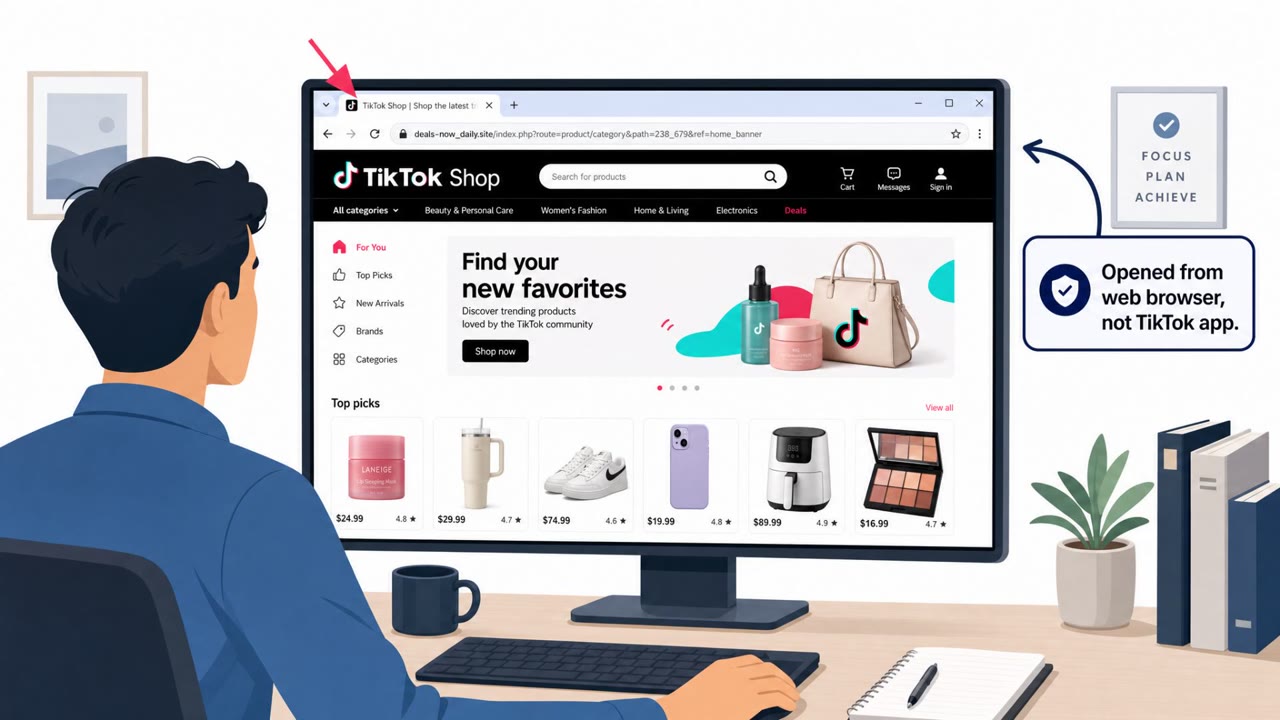
- A separate TikTok-branded rewards website (not inside the TikTok app) offering unusually large, easy cash payouts
- Pressure tactics like a countdown timer saying your balance will expire
- Withdrawal requires unrelated extra steps (referrals, sponsored offers, or sharing sensitive banking/ID details)
- Being pushed to install an app outside of TikTok to receive money
- Verification is tied to ad-style installs rather than official in-app settings
- The promised payout keeps moving after each completed step
Read the video transcript
You land on a TikTok-looking rewards page saying, “Welcome back, your balance is about to expire.” And it shows you hundreds of dollars. You do the daily check-ins, hit the tasks, the balance keeps climbing. But when you tap withdraw, it always wants one more thing, refer friends, complete offers, or download an app to “verify” your identity. Here’s the trap: those on-screen dollars and timers are just graphics. Nothing on these pages reflects a real ledger, but they’ll happily take your banking details or push you to install adware. If a TikTok “rewards” site is outside the real TikTok app and wants extra tasks or your bank info to unlock cash, kill the tab. Don’t chase the payout.