Microsoft reports that the Russia-linked group Star Blizzard expanded from small, highly targeted spear-phishing to larger “mass-mailing” email campaigns aimed at governments, think tanks, and nonprofits, especially those connected to Ukraine. The lures often promise exclusive events or warn about tax audits, payment notices, or fines, and the attack chain is designed to succeed with just one click from the victim.
How the Attack Worked
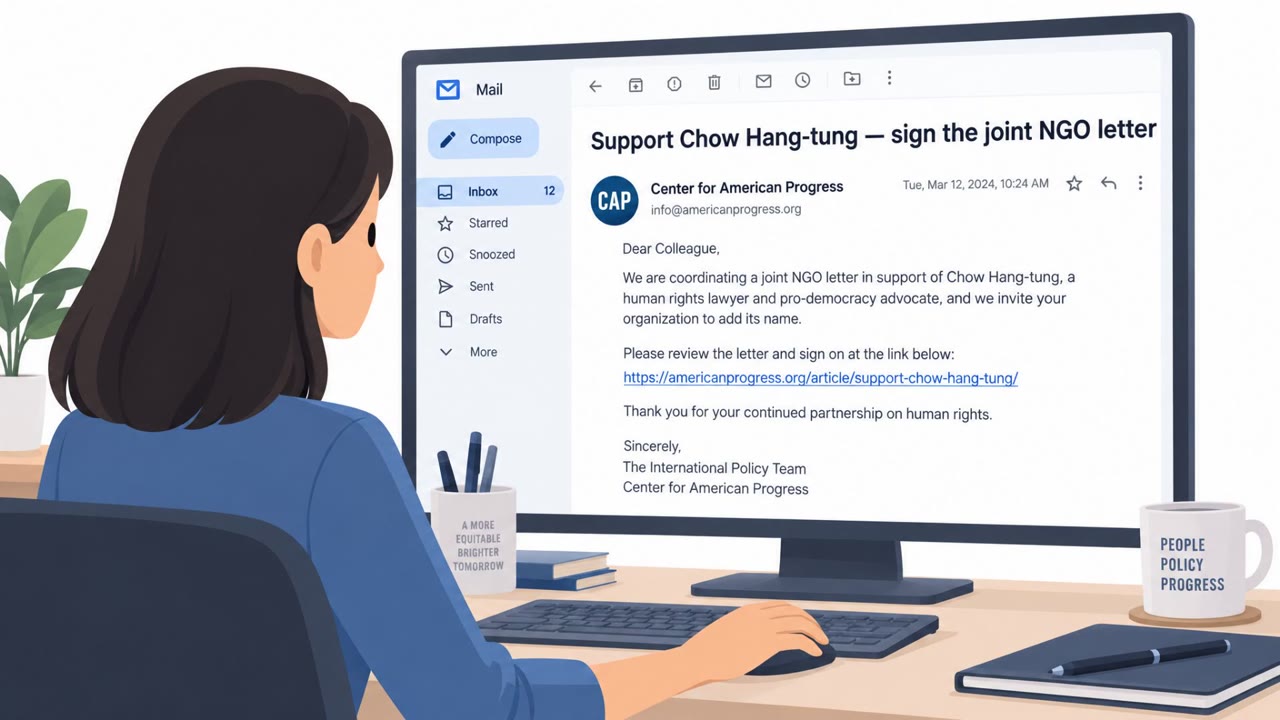
Microsoft reported that Star Blizzard has expanded beyond narrowly targeted spear-phishing into larger mass-mailing campaigns, sending tens to hundreds of emails per operation. These messages typically impersonate an exclusive event organizer or a policy/NGO event host, inviting recipients to view details or RSVP through a single link. A second pretext leans on financial and compliance fear, warning of a supposed tax audit, payment notice, or fine to pressure quick action. In both cases, the attack chain is built so that only one click is needed to begin the compromise, reducing the number of steps a victim has to take before the attacker gains a foothold.
Why It Succeeded
The campaigns worked because they combined scale with a low-friction infection flow. Microsoft observed activity at a volume not previously seen from this actor, and the requirement for only a single user interaction meant that even a brief moment of inattention could result in compromise. The lures also exploited two strong psychological triggers: the appeal of an exclusive opportunity and the anxiety created by financial or legal threats. Targeting government staff, think tank researchers, NGO leadership, and finance or accounts payable teams put the lures in front of people who routinely handle invitations, notices, and payment-related correspondence, making the pretexts feel plausible.
What to Watch For
- Unsolicited invitations to “exclusive” or VIP events, especially those creating urgency or a sense of prestige
- Emails referencing a tax audit, payment notice, or fine that the recipient was not expecting
- Requests to click a single link to “view details,” “RSVP,” or see audit/payment information
- Messages that appear generic or part of a larger batch rather than personally tailored
- Links routing through unfamiliar domains before displaying sensitive-looking content
Building Resistance
Organizations in government, nonprofit, think tank, and financial sectors, especially those connected to Ukraine-related work, should treat unexpected event invitations and financial compliance notices as verification triggers rather than click triggers. Staff should confirm event invitations through a known contact channel before clicking any link, and route unexpected tax, payment, or fine notices to finance or security teams for verification instead of acting on them directly. Because Microsoft noted that a single click can be enough to start the infection flow, awareness training should reinforce that clicking a link, not just entering credentials, carries real risk. Recognizing techniques mapped to spearphishing links (T1566.002), user execution via malicious links (T1204.001), and account compromise (T1656) can help defenders align detection and training priorities with how this activity actually unfolds.
Key findings
- Microsoft observed Star Blizzard shifting from only targeted spear-phishing to larger-scale phishing campaigns (tens to hundreds of emails per campaign).
- Campaigns targeted Ukrainians and also governments/financial institutions supporting Ukraine; Microsoft saw impact across 100+ organizations primarily in the U.S. and U.K.
- The phishing lures commonly invited targets to “exclusive events,” and also used tax audit, payment notice, and fine themes.
- Microsoft stated the infection flow required only a single user interaction, increasing success rates.
Who’s being targeted
- Commonly targeted roles: Government employees, NGO/nonprofit staff, Think tank analysts/researchers, Finance/AP teams, Executive assistants.
- Affected industries: Government, Nonprofits/NGOs, Think tanks, Financial institutions.
- Attack channels: email.
- Impersonated: Exclusive event organizer / policy or NGO event host, Tax authority / compliance office / payments processor.
Red flags to watch for
- Unsolicited “exclusive” invitation creating urgency or prestige pressure
- Unexpected link/attachment to “view details” or “RSVP”
- Message sent as part of a high-volume campaign (many recipients, generic wording)
- Threatening financial/legal language pushing immediate action
- Unexpected “audit,” “payment notice,” or “fine” for an organization/person not expecting it
- Links that route to nonstandard domains or require only a single click to ‘view’ sensitive documents
Frequently asked questions
What is Star Blizzard's phishing tactic?
Star Blizzard sends lures inviting recipients to exclusive events, or warning of tax audits, payment notices, and fines, to get a single click that starts the infection chain.
Who is being targeted by these campaigns?
Microsoft observed targeting of governments, think tanks, NGOs, and financial institutions, particularly those connected to Ukraine, with impact seen across more than 100 organizations mainly in the U.S. and U.K.
Why is a single click enough to cause compromise?
Microsoft noted that the infection flow only requires a single user interaction, which reduces friction in the compromise process and increases the campaign's success rate.
How large are these phishing campaigns now?
Microsoft observed a shift from small, targeted spear-phishing to larger campaigns ranging from tens to hundreds of email messages per campaign, a scale not previously seen from this actor.
Read the video transcript
You get an email: “Invitation to an exclusive event.” Looks legit, right? That’s Star Blizzard’s new favorite trick. Microsoft says Star Blizzard scaled up from a few spear-phishing emails to mass campaigns, tens to hundreds at a time, offering VIP events or warning about tax audits, payment notices, and fines. Here’s the scary part: their RedFlick infection flow only needs a single click. You don’t have to type a password, just hitting that RSVP or “view audit details” link can be enough to compromise you. If you get an unexpected “exclusive event” or scary tax or payment notice, don’t click anything, forward it to the security team and let us check it first.