AI Catfishing Turns Trust Into a Trap

Malwarebytes · Medium sophistication
Last updated October 27, 2026

The article describes real survey respondents who encountered AI-enabled deception in intimate contexts, including a dating profile built with fake pictures and false personal information, and AI-generated fake nudes used in threats. These examples show how AI can make catfishing, impersonation, and sextortion-style coercion more convincing for people using dating and social platforms.

Key findings

  • A respondent reported engaging with a dating profile that used fake pictures and completely false information.
  • A respondent reported that someone made AI-generated fake nudes from their social-media photos and threatened to post them on Facebook.
  • AI can fabricate a person's photos, backstory, messages, and voice, making online identity deception more convincing.
  • Two-thirds of respondents worried that an online friend or romantic interest could use AI-generated content to deceive them.
  • One in ten respondents said AI had been used to create sexually explicit imagery of them without permission, and one in ten said they had been threatened with its release.

Who’s being targeted

  • Commonly targeted roles: All employees, Social media users, Employees who use dating apps, Public-facing staff, HR and employee wellbeing teams.
  • Affected industries: Consumer online dating and social media users.
  • Attack channels: website.
  • Impersonated: A prospective romantic partner, An online extortionist using the victim’s likeness.

Awareness takeaways

  • Treat dating profiles, online friends, and romantic interests as unverified until key identity details can be independently confirmed through trusted means.
  • Do not assume that a photo, video, or voice proves someone’s identity; use independent verification before trusting high-stakes claims or requests.
  • If someone uses explicit AI-generated imagery to threaten or shame you, preserve evidence and report the account and threat instead of treating the content as proof of wrongdoing.
  • Limit unnecessary public personal information and photos, since ordinary images can be repurposed into deceptive or abusive AI-generated content.

Red flags to watch for

  • Profile photos and biographical details cannot be verified elsewhere.
  • The person’s profile uses fabricated images and completely false personal information.
  • The interaction relies on an online identity that may not belong to a real person.
  • The imagery is claimed to be based on ordinary public photos rather than authentic intimate material.
  • The sender threatens public posting to create fear and urgency.
  • The sender uses fabricated sexual content to damage the victim’s reputation.
Try Mirage

Mirage safely runs attacks like this one against your own team, so you find out what happens before a real adversary does.

Get a demo
Read the video transcript

“Hi, I saw your profile.” Sounds normal, right? One real dating profile had fake pictures and a completely invented backstory. AI can fake the messages, even the voice, while the conversation builds trust. And here’s the twist: someone used ordinary social-media photos to make fake nudes, then threatened to post them on Facebook. A convincing image proves nothing. Before you trust a profile, or react to a threat, verify what you can independently.

MITRE ATT&CK techniques

Similar attacks

Instagram Sextortion Trap Targeted Teen

Instagram Sextortion Trap Targeted Teen

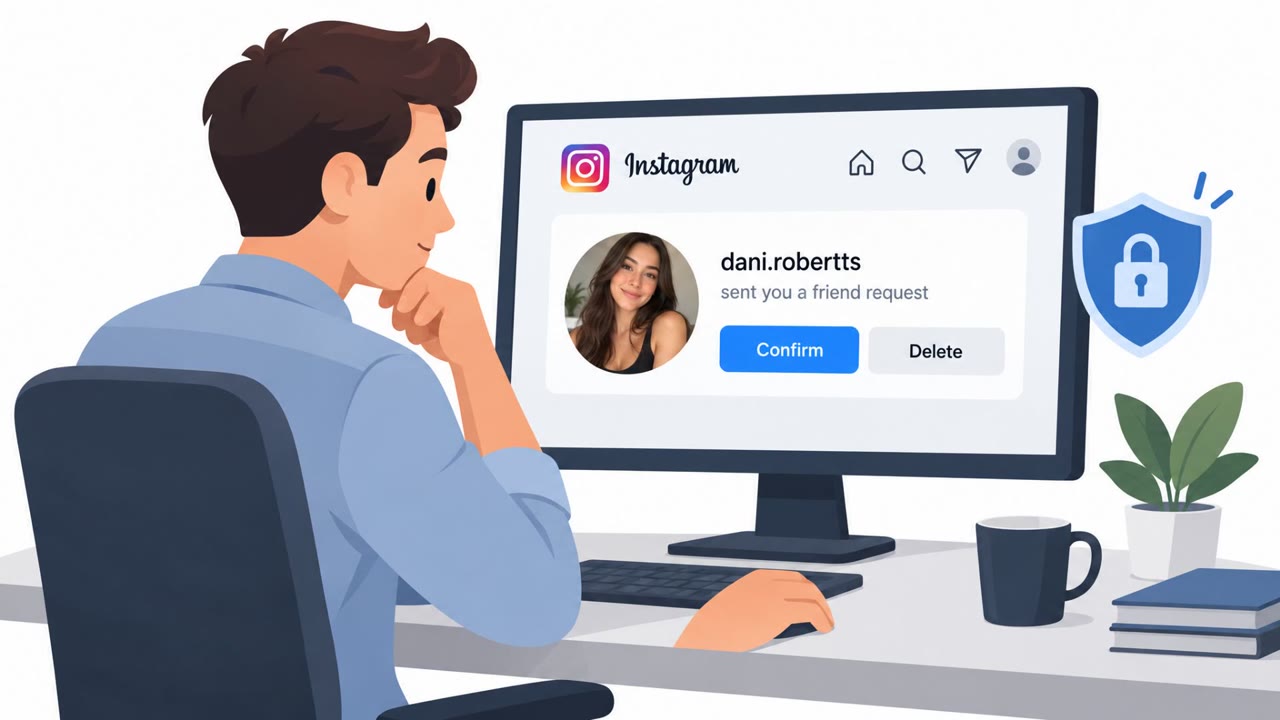
A group of men in Lagos, Nigeria used a fake Instagram profile posing as an attractive young woman to build trust with 17-year-old Jordan DeMay. After exchanging messages and a purported nude image, Jordan sent an explicit photograph, exposing him to a sextortion scheme designed to pressure victims…

October 19, 2026
Deepfake OnlyFans Catfish Scam Hits Fans

Deepfake OnlyFans Catfish Scam Hits Fans

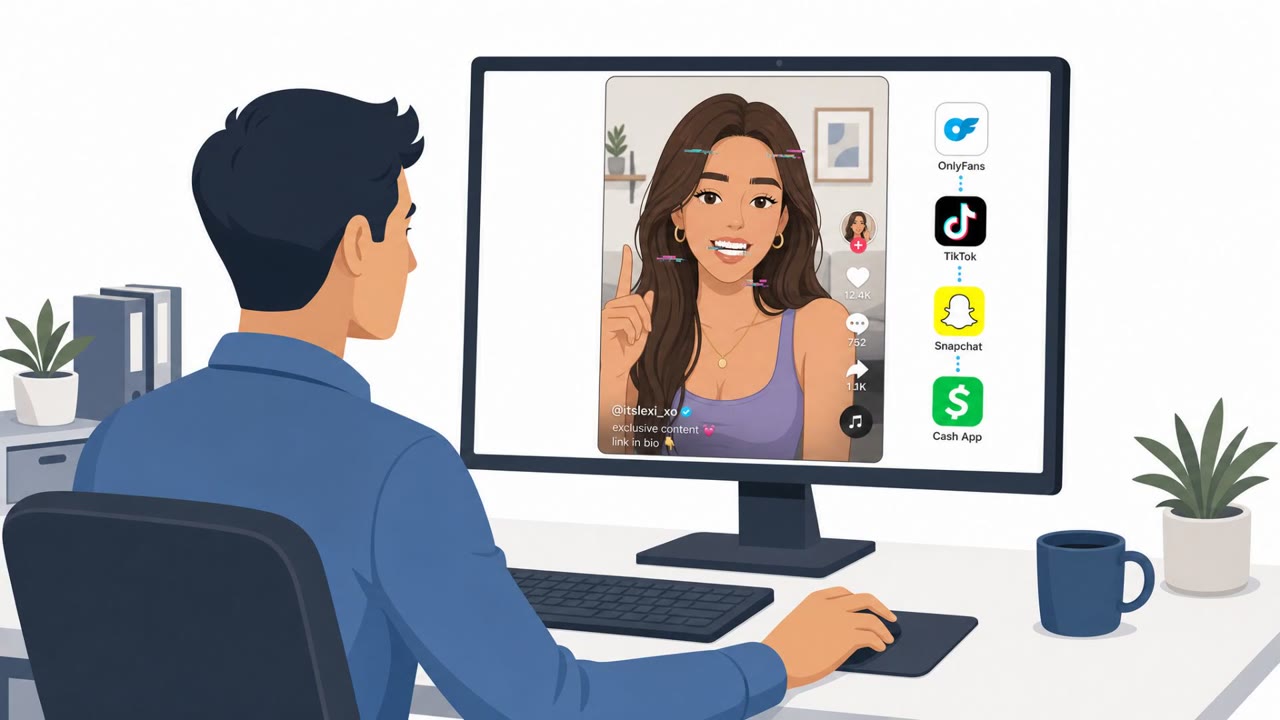
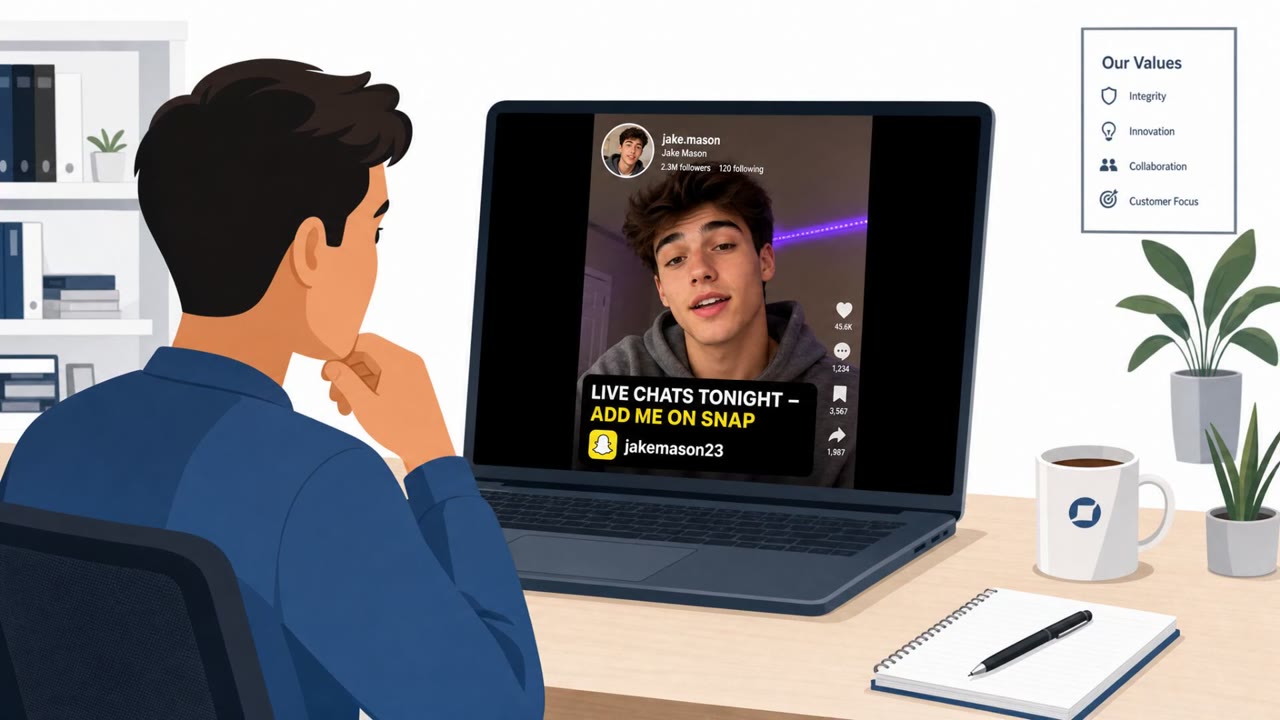
Scammers are using AI deepfakes to impersonate real OnlyFans creators on social media and trick fans into paying for “live chats” or exclusive interactions. Victims are funneled from TikTok to private messages (e.g., Snapchat) and then pressured to send money via Cash App, after which the scam…

August 7, 2026
Deepfake Catfish Scam Hits OnlyFans Fans

Deepfake Catfish Scam Hits OnlyFans Fans

Criminals are impersonating OnlyFans creators using AI-generated deepfake videos and cloned voices to trick fans into paying for “exclusive” chats or content. The scam typically starts on TikTok, moves victims into direct messages on Snapchat, then pushes instant Cash App payments, after which the…

August 6, 2026
Fake “FBI Agents” Target Scam Victims in DMs

Fake “FBI Agents” Target Scam Victims in DMs

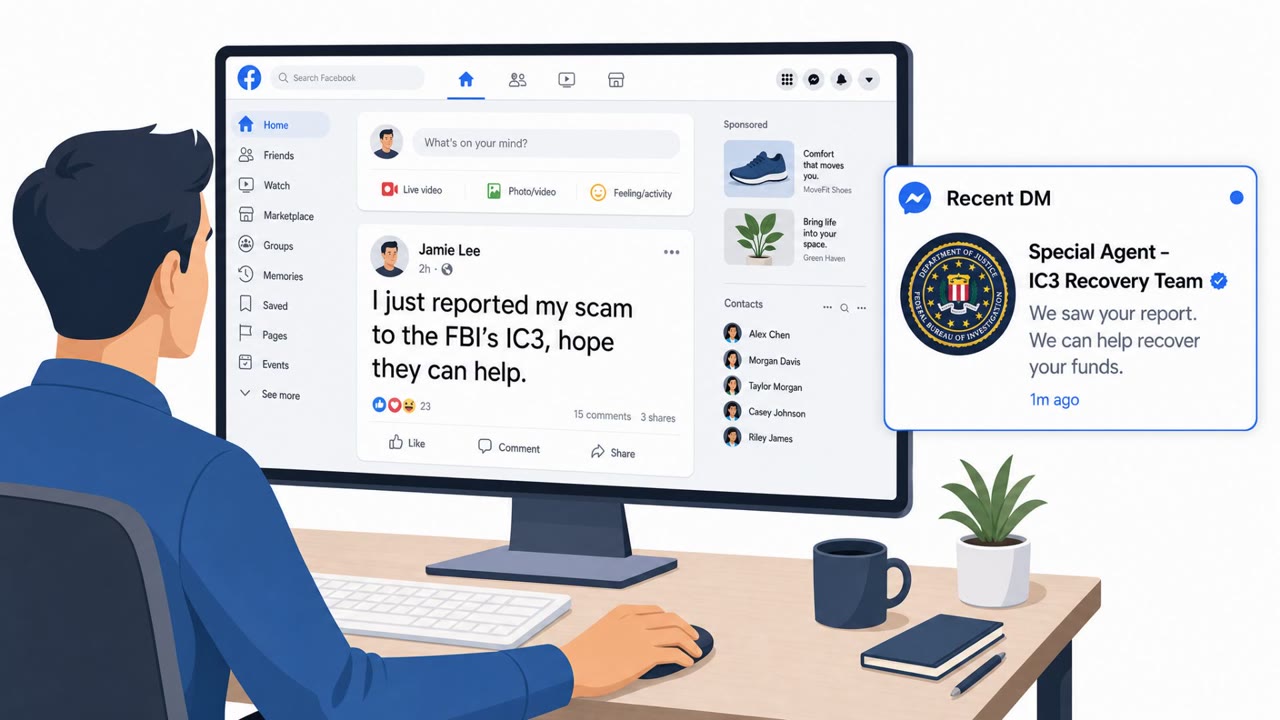
The FBI’s IC3 warns that scammers are impersonating FBI/IC3 staff on social media and messaging apps, especially targeting people who have already been scammed. The criminals use convincing branding (logos, fake reviews) and may even use AI-generated deepfake videos to pressure victims into…

July 21, 2026
Five Election Scams Target Voters

Five Election Scams Target Voters

This article describes real election-themed scams that use fake voter-support messages, political donation appeals, survey prizes, official-looking penalty notices, and bogus campaign merchandise. The scams pressure voters to click fraudulent links, share personal or payment information, download…

October 27, 2026
AI Bank Calls Enabled $425K NFC ATM Theft

AI Bank Calls Enabled $425K NFC ATM Theft

Dutch police arrested two suspects accused of using AI-generated bank fraud calls to steal more than €380,000 from 170 victims. The callers falsely warned of suspicious account activity, then posed as bank employees and persuaded victims to download an app and tap their debit card to their phone,…

October 26, 2026