Scammers are targeting people who post missing-pet appeals online, sending AI-generated images that make it appear they have found the animal. They demand a reward or emergency veterinary payment and may threaten to sell or harm the pet unless the owner pays immediately. The scam uses emotional pressure, urgency, and impersonation to extort distressed pet owners.
How the scam works
Scammers monitor missing-pet appeals posted on social media or local community sites, pulling photos and contact details directly from those posts. They then reach out to the owner claiming to have found the pet, often attaching an AI-generated image of the animal to make the claim look credible. The request for money is usually framed as either a reward for the pet's safe return or as funds needed for emergency veterinary treatment.
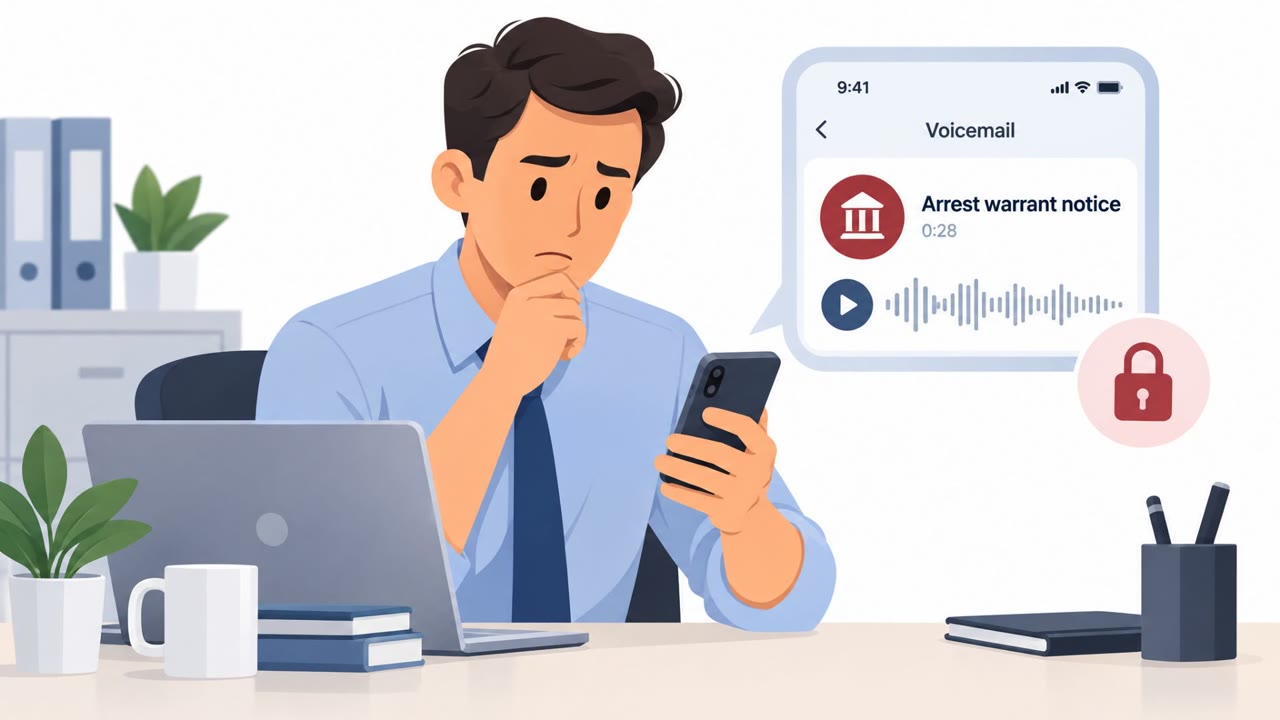
Reported variants include a direct message with a fabricated photo, a voicemail callback lure asking the owner to call a supplied number, and a phone call impersonating the Humane Society that pressured the victim into making successive Zelle payments.
Why it succeeds
This scam works because it exploits genuine emotional distress. Pet owners who have posted a missing-pet appeal are already anxious and motivated to act quickly. The combination of a seemingly real photo, urgency, and threats to sell or harm the animal pushes victims to pay before thinking the situation through. Because the scammer initiates contact in response to a public post, the approach can feel organic rather than suspicious.
Red flags to watch for
- The sender demands payment before allowing the owner to see or verify the animal.
- The image looks convincing but is not actual proof the sender has the pet.
- The sender refuses to meet in person or creates urgency with threats to sell or harm the pet.
- A caller requests payment through a service like Zelle before any independently verifiable confirmation.
- A callback number or payment link comes from the scammer rather than a source the owner found independently.
Building resistance
Pet owners and anyone who manages missing-pet or lost-item appeals online can reduce their exposure with a few habits:
- Leave a distinctive identifying detail out of the public post, and ask any claimed finder to describe it before engaging further.
- Never send money in advance; arrange any legitimate handover in a safe, public location and confirm it is the right animal before paying a reward.
- If someone claims the pet is receiving veterinary care, find the hospital's contact details yourself and call directly rather than using a number or link provided by the caller.
- Treat urgent payment demands and threats as extortion tactics, not evidence that the person actually has the pet.
These same verification habits, confirming claims through independently sourced contact information and refusing to pay before confirmation, apply broadly to other impersonation and extortion attempts that rely on urgency and emotional pressure.
Key findings
- Criminals monitor missing-pet appeals posted on social media or local sites, using the photos and contact details included in those posts.
- They send AI-generated images of the missing animal to make a false claim that they found it seem credible.
- The payment demand may be framed as a reward or as money needed for emergency treatment.
- Scammers add urgency by refusing to meet before payment or by threatening to sell or harm the animal.
- Reported variants included photo-based messages, a voicemail callback lure, and a caller impersonating the Humane Society who requested successive Zelle payments.
Who’s being targeted
- Commonly targeted roles: All employees, Employees who use social media, Pet owners, Customer service teams, Finance and payments teams.
- Affected industries: Consumers, Animal welfare and veterinary services.
- Attack channels: email, vishing.
- Impersonated: A member of the public who supposedly found the pet, Humane Society.
Red flags to watch for
- The sender demands payment before allowing the owner to see the animal.
- The image may look convincing but is not proof that the sender has the pet.
- The sender creates urgency with threats to sell or harm the pet.
- The caller requests payment through Zelle before independently verifiable confirmation.
- The claimed animal hospital or organization should be contacted through a number found independently.
- Successive payment demands are a sign of an extortion attempt.
- The callback number comes from an unsolicited voicemail rather than a verified source.
- Do not treat a claim of finding a pet as proof without independently verifying identifying details.
- A callback may lead to immediate payment pressure or threats.
Frequently asked questions
How do scammers use AI images in missing pet scams?
They monitor missing-pet appeals posted online, then send AI-generated photos claiming to have found the animal to make the false claim appear credible before demanding payment.
What payment methods are used in these pet ransom scams?
Reported cases included demands framed as a reward or emergency veterinary treatment, with one variant involving a caller impersonating the Humane Society and requesting successive Zelle payments.
How can pet owners protect themselves from this scam?
Keep a distinctive identifying feature out of public posts so you can test a claimed finder, never pay before verifying the pet in person at a safe public location, and independently verify any veterinary claims using contact details you find yourself.
What are the warning signs of this type of extortion attempt?
Red flags include refusal to meet before payment, threats to sell or harm the pet, urgent successive payment requests, and reliance on a phone number or payment link supplied by the person contacting you.
Read the video transcript
You post about your missing cat. Then: “We found her.” The email includes a convincing photo and demands a reward before you can meet. But AI can make a pet photo from the pictures you posted. That photo isn’t proof. Neither is a caller claiming to be the Humane Society, saying your cat needs surgery and asking for Zelle payments. Before paying, verify the pet yourself: ask for a private identifying detail or call the hospital using a number you find.