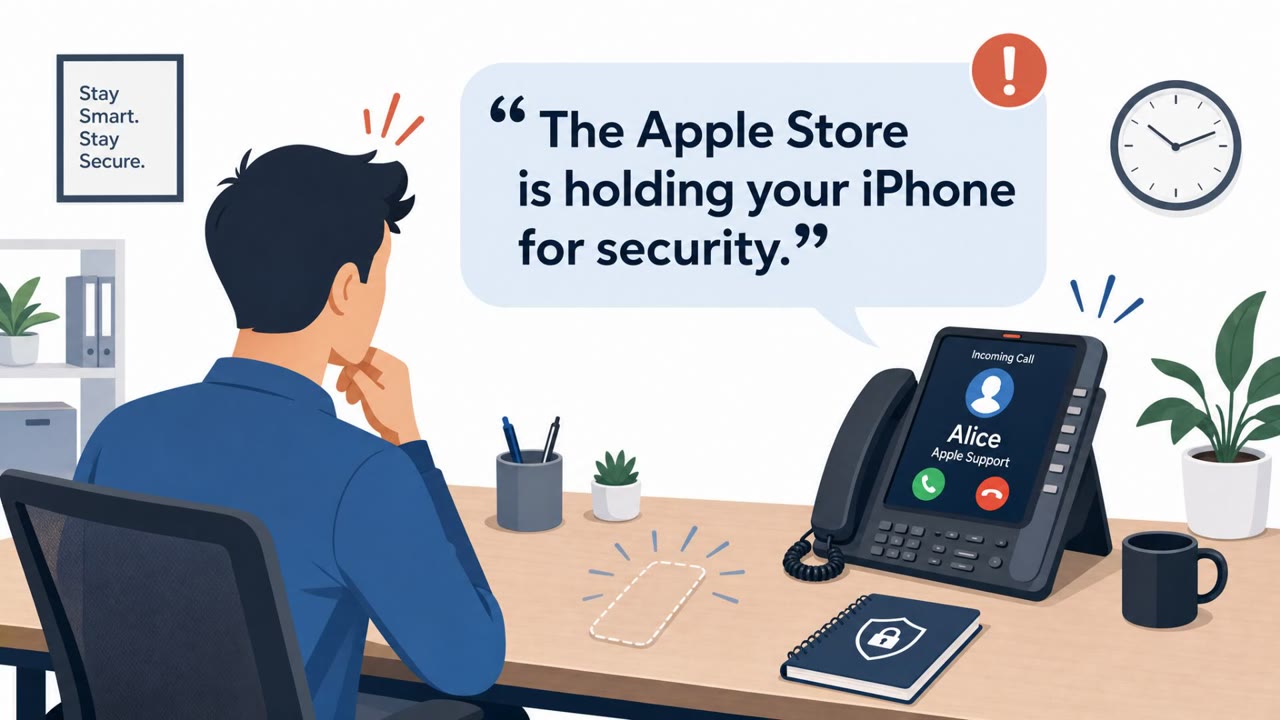
Researchers tested AI and human voice scam calls and found people comply mainly because the caller’s script is persuasive, not because the voice sounds perfectly human. Even when listeners correctly suspect the voice is synthetic, many still continue the conversation and may hand over sensitive information. The article argues security training should focus on verification procedures (callbacks, identity checks) rather than trying to “hear” deepfakes.
How the Attack Worked
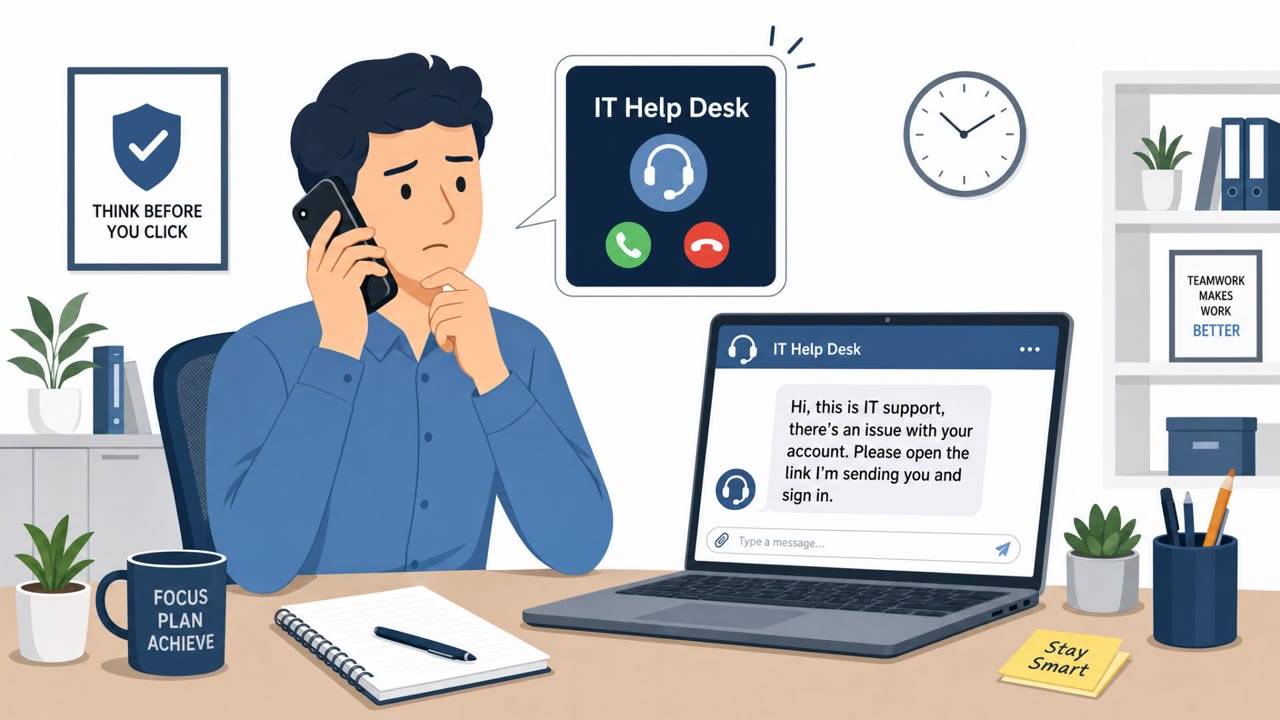
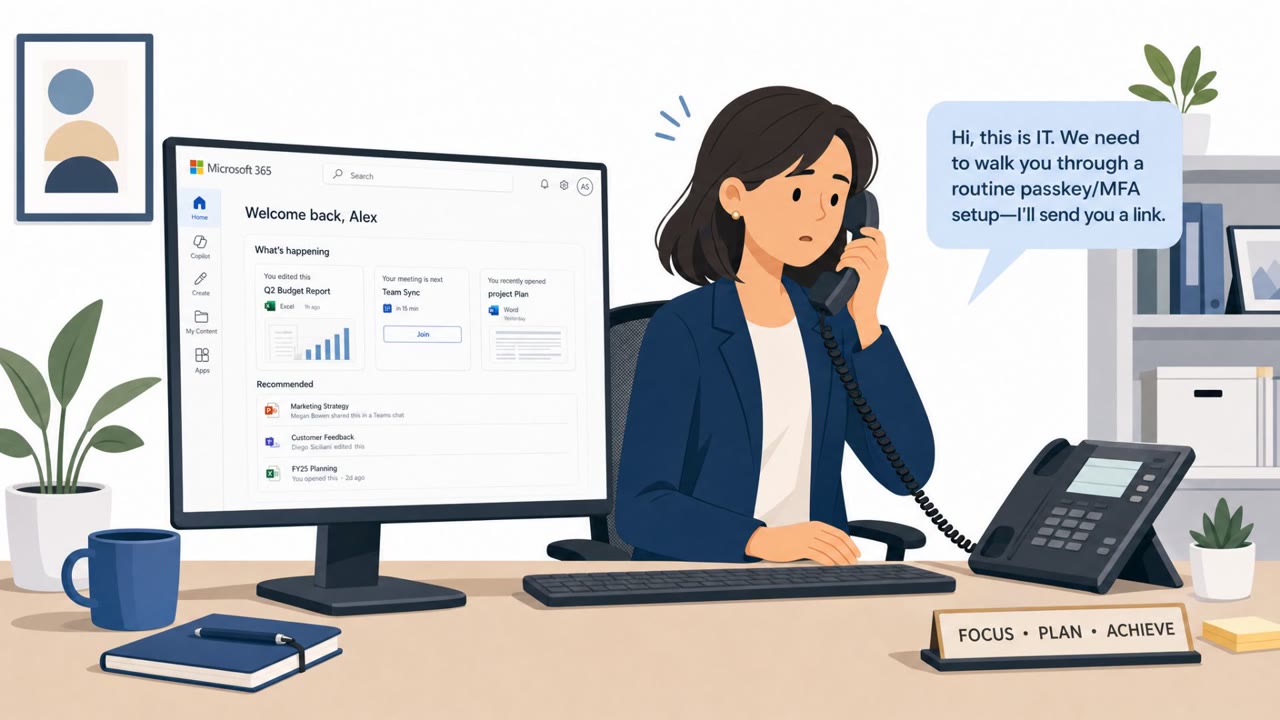
Researchers examined AI and human voice scam calls across several pretexts, including an urgent help desk password reset requested by someone posing as a senior manager rushing to catch a flight, a bank or fraud-team caller asking for a credit card security code, and a fake relative-in-trouble emergency call designed to trigger fast emotional action. In each case, the caller relied on urgency, partial identity details, or emotional pressure rather than any technical exploit. The help desk scenario used a Friday-afternoon timing and a caller who supplied the last four digits of a badge number, banking on the target wanting to help quickly rather than verify carefully.
Why It Succeeded
The key finding is that persuasiveness, not vocal realism, predicted whether someone complied. Even participants who correctly identified a voice as likely synthetic often continued the conversation and, in some cases, still handed over sensitive information like a card security code. Some listeners even reinterpreted robotic-sounding speech as a nervous human call center worker rather than a red flag. This suggests that training people to listen for artifacts of AI speech targets a skill that doesn't reliably protect them, since a well-written script can win compliance regardless of how the voice sounds.
What to Watch For
- Urgency paired with a deadline, such as needing something done before travel or before the weekend
- Use of partial or plausible-sounding identifiers instead of full verification
- Authority framing, where the caller claims to be a manager or executive to push past normal exception handling
- Requests for one-time codes or card security numbers over the phone
- Emotionally charged emergency stories involving a relative, which produced the highest stated compliance among tested scenarios
Building Resistance
Because suspicion alone does not stop compliance, defenses need to be procedural rather than perceptual. Recommended controls include:
- Out-of-band verification, such as calling back a known number before acting on any request
- Help desk identity proofing that does not depend on recognizing a caller's voice
- Written procedures ensuring an inbound caller alone can never trigger a password reset, wire transfer, or credential change
- Pre-agreed family code words for relative-in-distress scenarios, paired with a habit of hanging up and calling back
Service desks, finance teams, and executive support staff are the most exposed groups, since they handle the kinds of requests, resets, wires, and account changes, that these pretexts specifically target. Reinforcing verification steps rather than voice-detection skills is the more durable fix.
Key findings
- A realistic “urgent help desk reset” pretext was used as an example scenario: a Friday afternoon call from someone who sounds like a senior manager requesting a password reset before a flight.
- People may correctly suspect a voice is AI but still comply because the script is persuasive: “A caller can sound synthetic, get pegged as synthetic, and still walk away with a credit card security code.”
- In the study, persuasiveness strongly predicted compliance; human-likeness of the voice did not once other factors were considered.
- Across multiple scam scenarios, a meaningful minority indicated potential compliance (including “maybe” responses), and the “fake relative in trouble” scenario produced the highest stated compliance.
- The article recommends procedural controls: out-of-band verification, stronger help desk identity proofing, and rules so an inbound caller alone can’t trigger sensitive changes (resets, wires, credential changes).
Who’s being targeted
- Commonly targeted roles: Service Desk / IT Support, Finance, Fraud/Risk teams, All employees, Executives and executive assistants.
- Affected industries: Banking / financial services, IT help desks / corporate services, General consumers / households.
- Attack channels: vishing.
- Impersonated: Senior manager (internal employee), Bank/fraud team representative or payment verification caller, Family member (or someone claiming to be calling on their behalf).
Red flags to watch for
- Urgency pressure (“before a flight”) right before the weekend
- Relies on partial identifiers instead of strong verification
- Uses authority (senior manager) to push exception handling
- Asks for sensitive one-time or card security information over the phone
- Relies on persuasive talk-track rather than verifiable process
- Pushes to keep the target on the line and continue despite doubts
- Emotionally charged urgency and secrecy
- Pressure to act immediately without verification
- No agreed family verification step (code word)
Frequently asked questions
Can people tell if a voice on a call is AI-generated?
Sometimes, but research found that even when listeners correctly suspected a voice was synthetic, many still continued the call and complied with requests like sharing a credit card security code.
Why does AI vishing still work if people suspect it's fake?
Compliance was driven by how persuasive the caller's script was, not by how human the voice sounded. A convincing story can override doubts about the voice itself.
What is the most effective defense against AI voice phishing?
Out-of-band verification such as callbacks to known numbers, help desk identity checks that don't rely on voice recognition, and rules preventing an inbound caller alone from triggering resets, wires, or credential changes.
Which scam pretext got the highest compliance rate in the research?
A fake relative-in-trouble emergency call produced the highest stated compliance among the scenarios tested, reaching 36.1%.
Read the video transcript
It’s 4:40 on a Friday. You get a call: a senior manager needs a password reset before her flight. The voice might even sound a bit synthetic. Doesn’t matter. What moves people is the script: polite, urgent, last four of her badge number ready to go. Researchers saw people peg a voice as AI and still stay on the line, even hand over credit card security codes, because the talk-track felt convincing. So don’t argue with the voice. Follow the process: hang up, then call back using our official number before doing any reset or sharing any codes.