ClickFix CAPTCHA Lures Users Into Running Malware

CSO Online · Medium sophistication
Last updated October 19, 2026

This article describes a real and growing social-engineering technique called ClickFix, where attackers disguise malicious instructions as a familiar CAPTCHA or verification step. In one documented case, a fake free image-editing tool prompted victims to run code that installed malware designed to steal browser credentials, cryptocurrency-wallet data, and Telegram sessions.

Key findings

  • ClickFix attacks abuse trust in CAPTCHA and human-verification workflows to persuade users to copy and paste malicious commands onto their own devices.
  • The technique has appeared across phishing sites, compromised webpages, and other social-engineering campaigns.
  • Huntress recorded a ClickFix lure in April that presented itself as a free image-editing tool.
  • That attack used CastleLoader and ultimately deployed NetSupport RAT and a custom .NET information stealer.
  • The reported goal of the documented ClickFix campaign was theft of browser credentials, wallet-extension data, and Telegram session files.
  • AI is also helping attackers produce phishing text and more convincing impersonation attempts at greater speed and scale.

Who’s being targeted

  • Commonly targeted roles: All employees, Marketing and creative teams, Social media teams, Remote workers, IT support teams, Security operations teams.
  • Affected industries: Cross-industry end-user organizations, Healthcare, Critical infrastructure.
  • Attack channels: website.
  • Impersonated: Free image-editing tool.

Awareness takeaways

  • Never copy, paste, or run a command as part of a CAPTCHA, human-verification check, or request to access an online tool.
  • Treat free online tools that request unusual device actions as suspicious, especially when they claim the action is needed for verification.
  • Report unexpected verification pages or instructions to run commands to the security team rather than trying to complete the requested action.
  • Use approved software sources and avoid downloading or using unvetted free tools that may be designed to steal credentials and session data.

Red flags to watch for

  • A CAPTCHA or verification page asks the user to copy and paste a command.
  • A website asks the user to run PowerShell or another system command as part of normal verification.
  • A free tool requires unusual device-level actions rather than a standard checkbox or image challenge.
Try Mirage

Mirage safely runs attacks like this one against your own team, so you find out what happens before a real adversary does.

Get a demo
Read the video transcript

A free image editor says, ‘Verify you are human.’ Sounds normal? Then it tells you to copy a command into PowerShell. That’s ClickFix: the ‘CAPTCHA’ gets you to run the malware yourself. In one case, that command launched CastleLoader, then NetSupport RAT and a .NET stealer targeting browser passwords, wallet data, and Telegram sessions. Remember: a real CAPTCHA doesn’t need PowerShell. If one asks, don’t run it, report the page to security.

MITRE ATT&CK techniques

T1656 - ImpersonationT1204.002 - User Execution: Malicious File · User Execution

Categories

Similar attacks

Fake “ChatGPT” GPT Uses ClickFix to Drop RAT

Fake “ChatGPT” GPT Uses ClickFix to Drop RAT

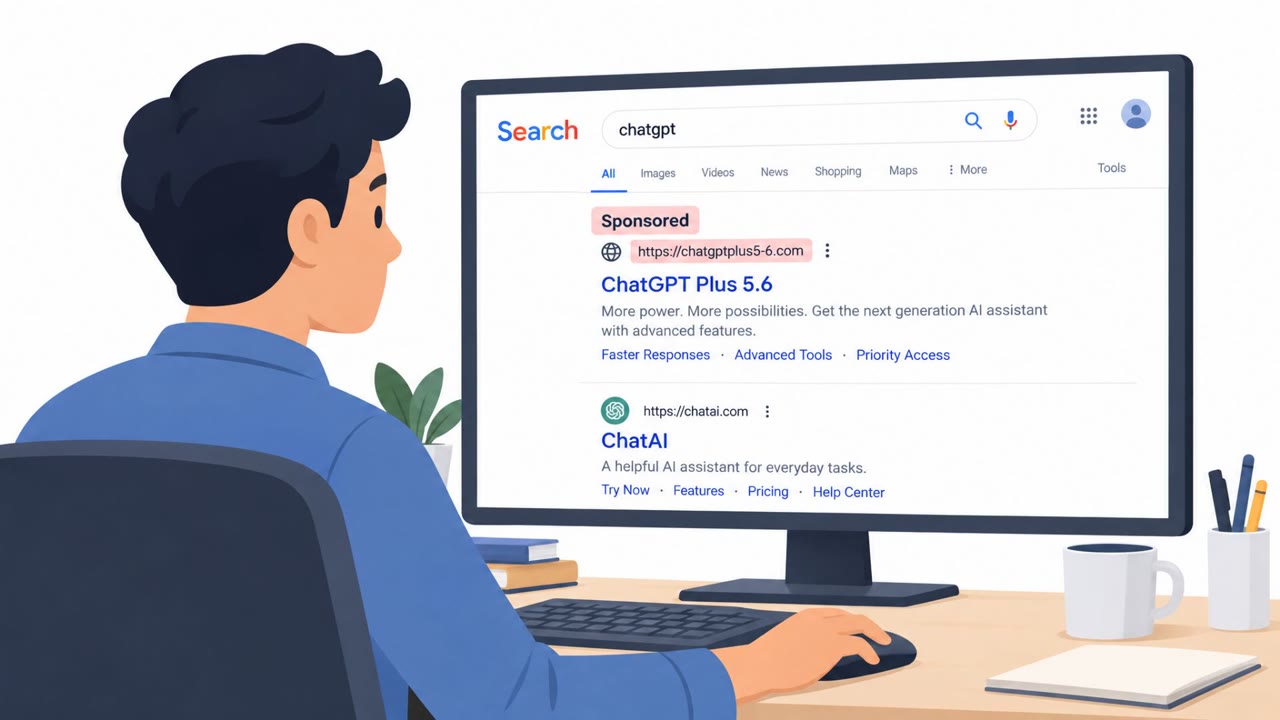
Researchers found a real malware campaign where attackers abused ChatGPT “CustomGPTs” and Google sponsored search results to funnel victims to a fake ChatGPT experience. Victims are shown a fake “Service Availability Notice” and pushed to a “backup domain” that looks like a Cloudflare CAPTCHA,…

September 30, 2026
OAuth Phishing Turns MFA Into a Bypass

OAuth Phishing Turns MFA Into a Bypass

Attackers are using real OAuth sign-in and consent flows to steal access tokens or trick users into authorizing malicious apps. Because the victim signs in through a legitimate identity provider and completes MFA, attackers can gain durable access that may survive password resets. The article…

October 22, 2026
Attackers Hide Malware in Trusted Email Threads

Attackers Hide Malware in Trusted Email Threads

Threat actors are hijacking existing email conversations, or patiently starting new ones, to build trust before sending a malicious reply. The final message commonly poses as a meeting invitation, secure message, shared file, or important document and leads to credential theft or remote-access…

October 21, 2026
Discord RAT Spread via Fake Docs and LNK Files

Discord RAT Spread via Fake Docs and LNK Files

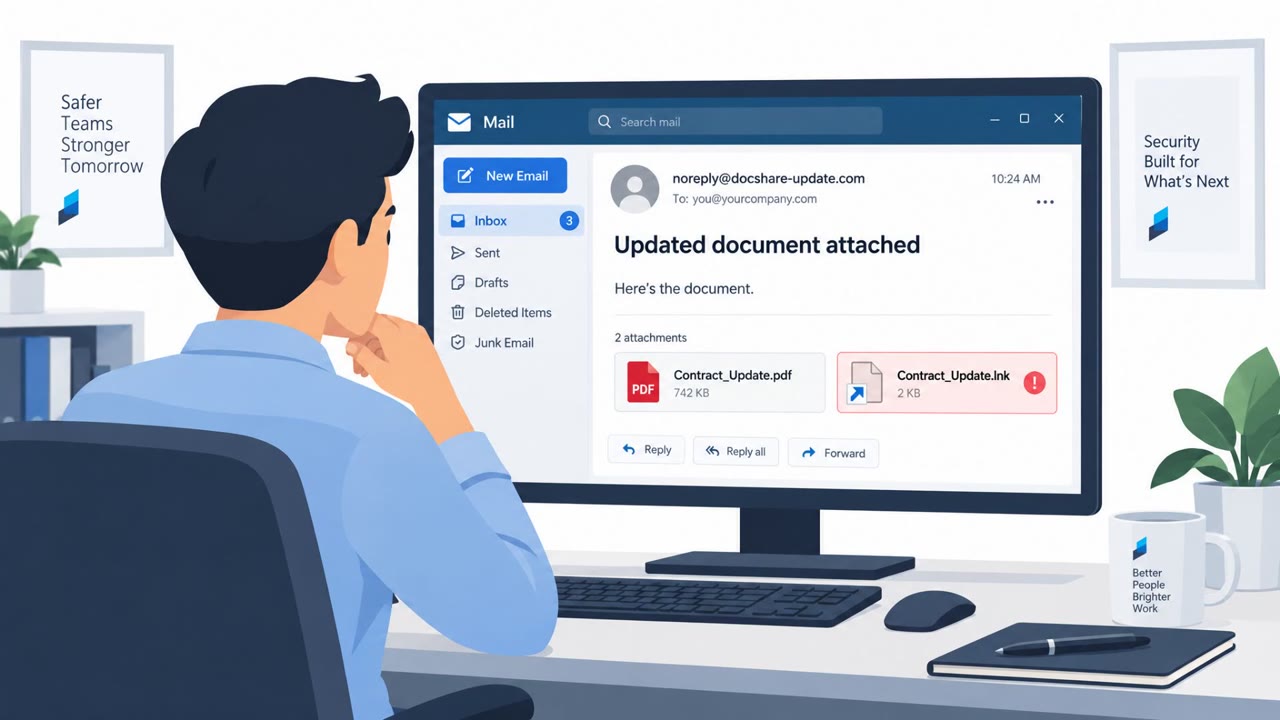
A Rust-based remote access trojan (CikaBika Bot) was delivered using a document-themed lure that included a malicious Windows shortcut (LNK) and a PDF containing an embedded payload. Once installed, it used Discord as its command-and-control channel to run commands, collect information, and steal…

October 15, 2026
Fake CAPTCHAs Trick Staff Into Running Malware

Fake CAPTCHAs Trick Staff Into Running Malware

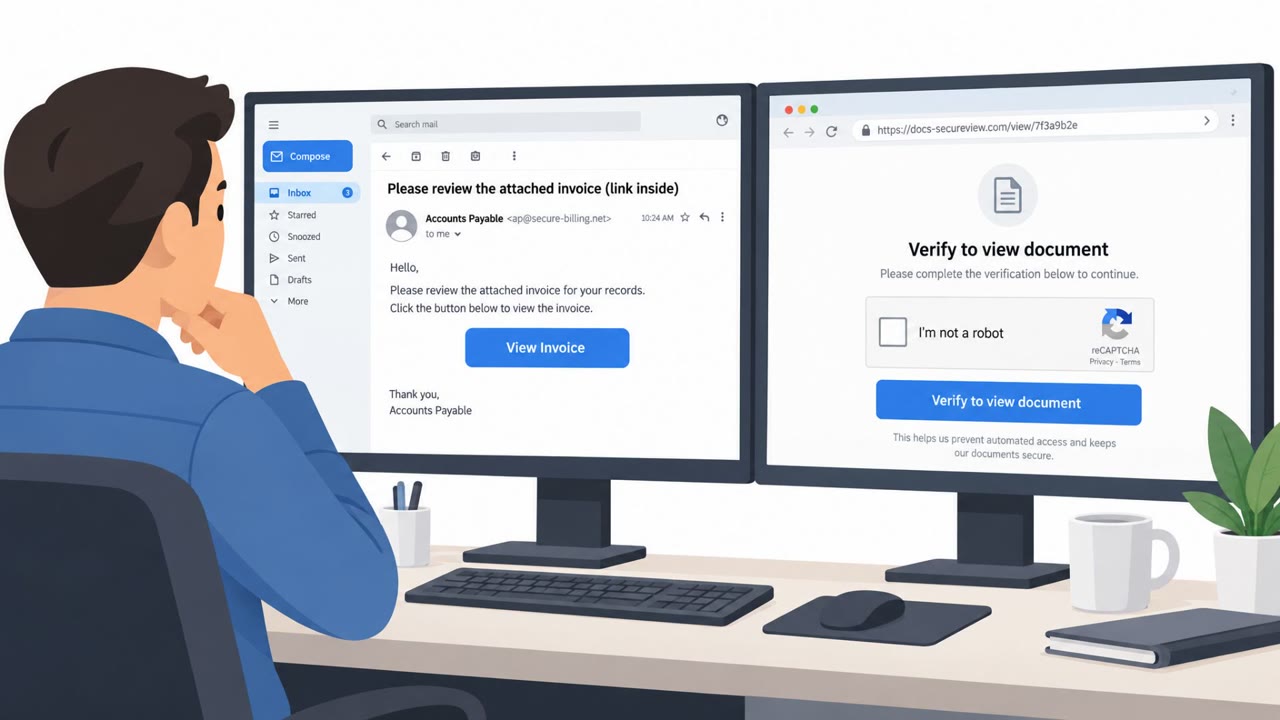
Barracuda reports attackers are abusing fake CAPTCHA pages as a “trust step” to push victims into credential theft, malware downloads, and enabling malicious browser notifications. In some “ClickFix” variants, the CAPTCHA flow tricks users into pasting and running a command on their own Windows…

October 15, 2026
Power BI Phish Pushes ScreenConnect Downloads

Power BI Phish Pushes ScreenConnect Downloads

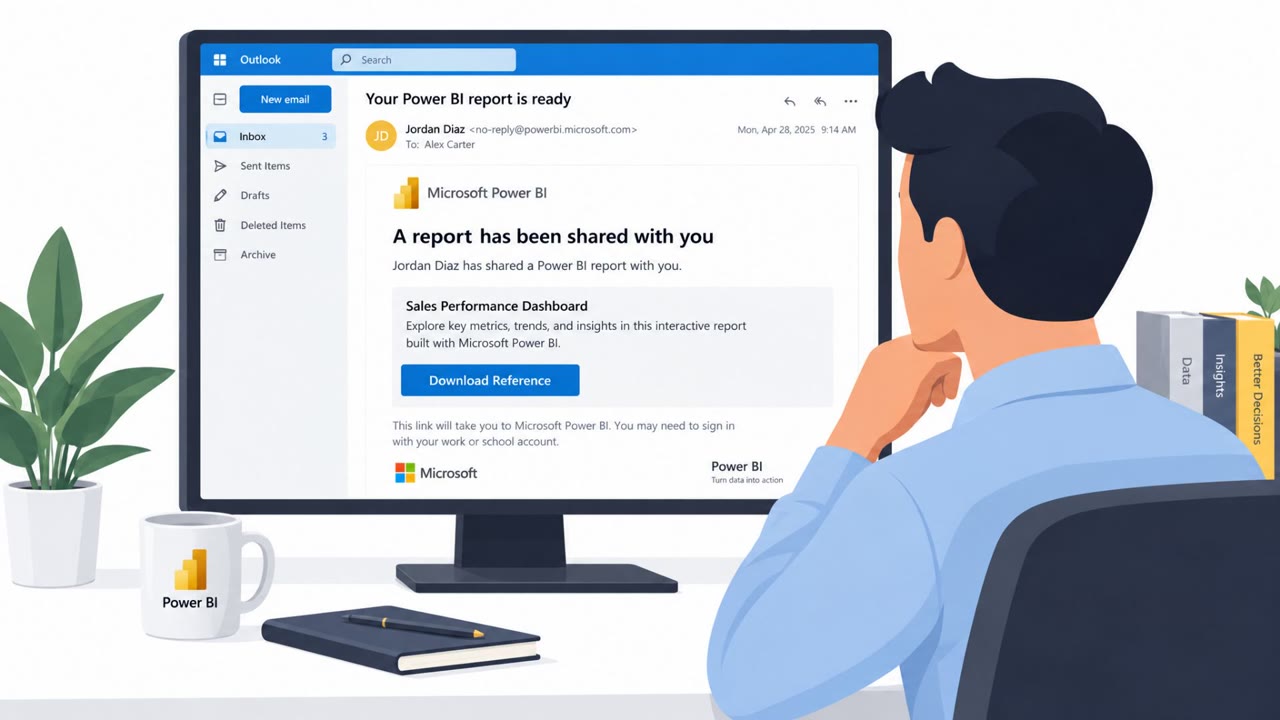
A weekly threat roundup includes multiple real-world social engineering campaigns, including a phishing operation that abuses legitimate Power BI domains to look trustworthy and trick users into downloading a remote-access tool installer. It also describes a WhatsApp-delivered lure that tricks…

October 8, 2026