Researchers tracked a real ClickFix-style social engineering campaign where victims are persuaded to paste and run a command that installs a fake “Spotify” Windows installer. The installer deploys a Node.js-based remote access trojan (ChainScript) that gives attackers interactive control, while hiding and rotating its command server by querying a Polygon blockchain smart contract.
Key findings
- Attack begins with a ClickFix-style trick where the victim is convinced to paste/run a command that launches msiexec.exe to download/install a trojanized app.
- Malware was observed disguised as legitimate software (Spotify, Zoom Workplace, Microsoft Teams).
- ChainScript uses a Polygon blockchain smart contract as a rotating ‘resolver’ to discover its current WebSocket command server (EtherHiding technique).
- The agent provides full remote control features (interactive shell, file access, screenshots, additional payload delivery, self-update, cleanup).
- Defenders are advised to focus on process chains/behavior (msiexec → wscript/VBScript → node.exe, plus blockchain RPC calls followed by WebSocket connections) rather than only blocking domains/IPs.
Who’s being targeted
- Commonly targeted roles: All employees, IT support/helpdesk, Security operations (SOC), Endpoint engineering/EDR team.
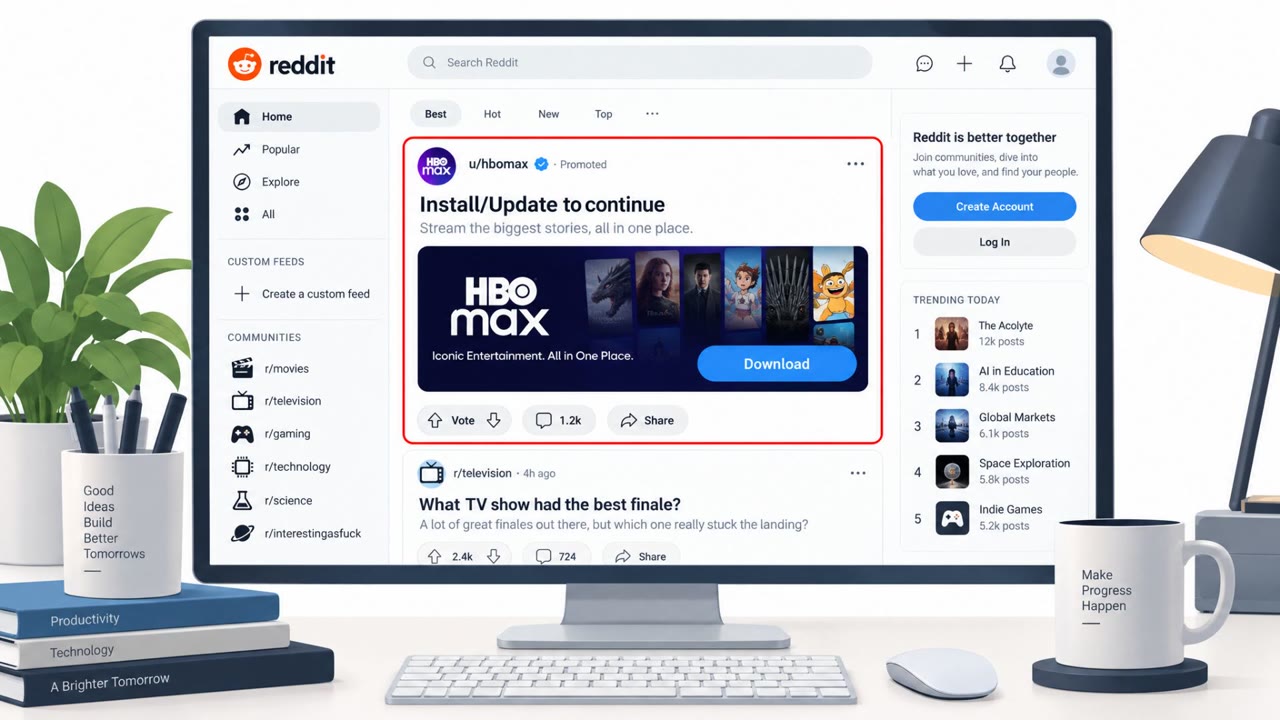
- Attack channels: website.
- Impersonated: Spotify (legitimate software installer branding), Zoom Workplace or Microsoft Teams.
Awareness takeaways
- Treat any instruction to copy/paste and run a command as a major red flag, pause and verify with IT before proceeding.
- Only install common apps (Spotify/Zoom/Teams) from official sources; look-alike installers are a common delivery method for malware.
- Security teams should look for suspicious process chains (msiexec → script engines → node.exe), not just blocked domains/IPs, because attackers can rotate infrastructure quickly.
- Escalate unusual behavior where a user workstation’s node.exe makes blockchain RPC calls and then opens a WebSocket connection, this combination can indicate compromise.
Red flags to watch for
- Being told to copy/paste and run a command (unusual for normal software installs)
- Installer is ‘dressed up as Spotify’ rather than coming from an official app store/vendor site
- Unexpected system scripting chain after install (PowerShell/VBScript/node.exe activity)
- Software installer obtained via an unusual prompt rather than official vendor download flow
- Installer runs entirely in the user profile (no admin prompt) but still launches multiple scripts
- Unfamiliar background processes (node.exe) appear after installing a common app
Read the video transcript
You land on a site to install Spotify, and it tells you: “Paste this command to install.” That one step can hand over your PC. This ClickFix trick fires up msiexec, pulls down an installer dressed up as Spotify, Zoom, or Teams, then quietly spins up scripts and node.exe to drop a remote access tool called ChainScript. ChainScript even hides its command server by checking a Polygon blockchain smart contract before opening a WebSocket backchannel, so blocking a single domain won’t save you once it’s in. If any site tells you to copy and run a command to install Spotify, Zoom, or Teams, stop and call IT first, do nothing until they say it’s safe.