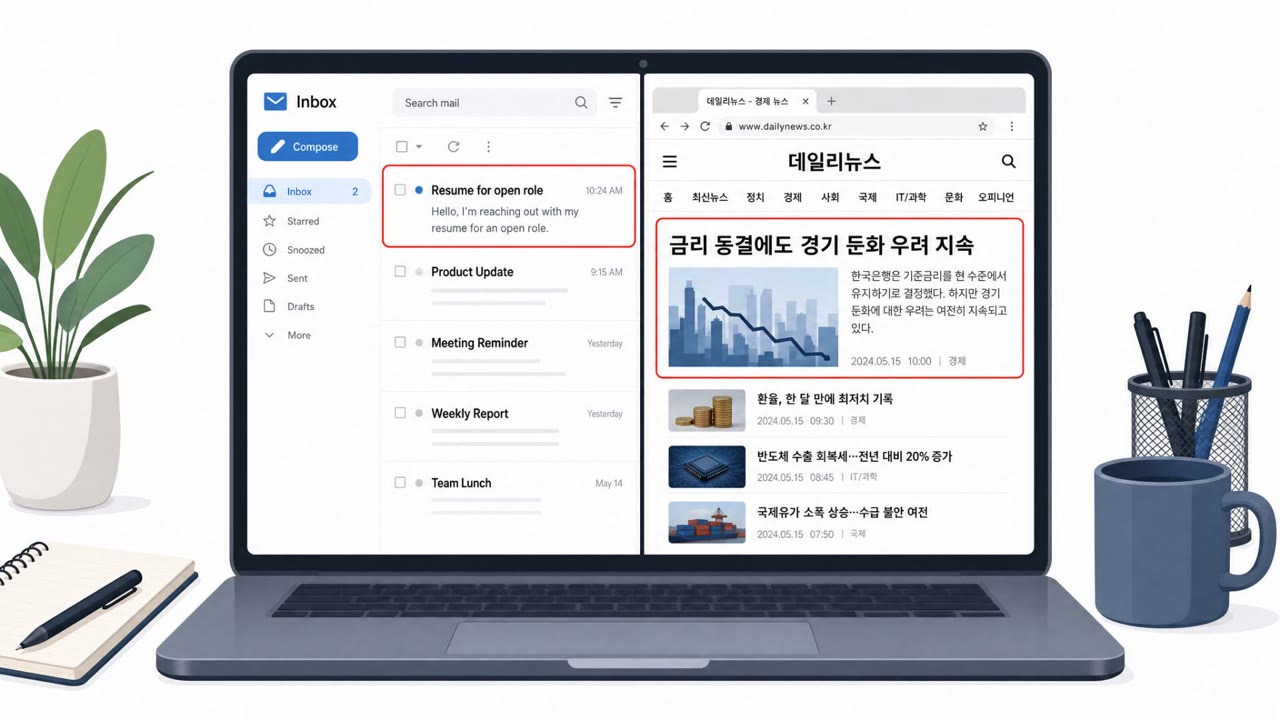
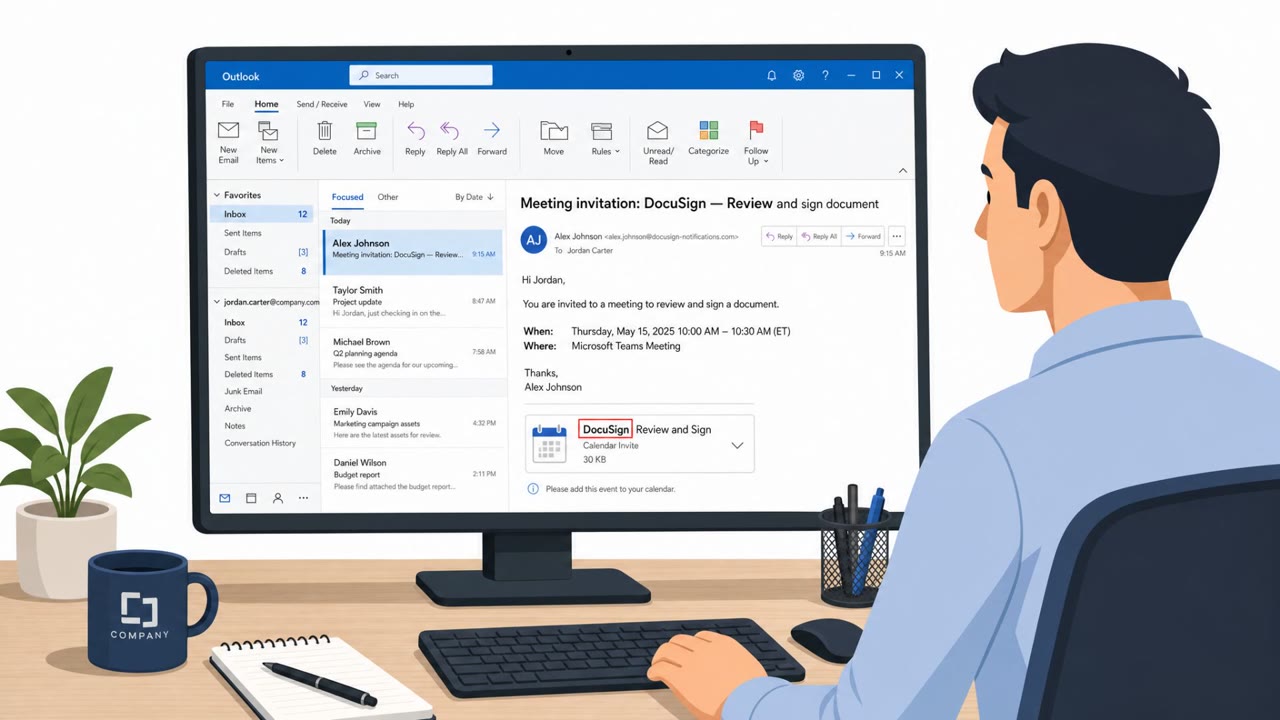
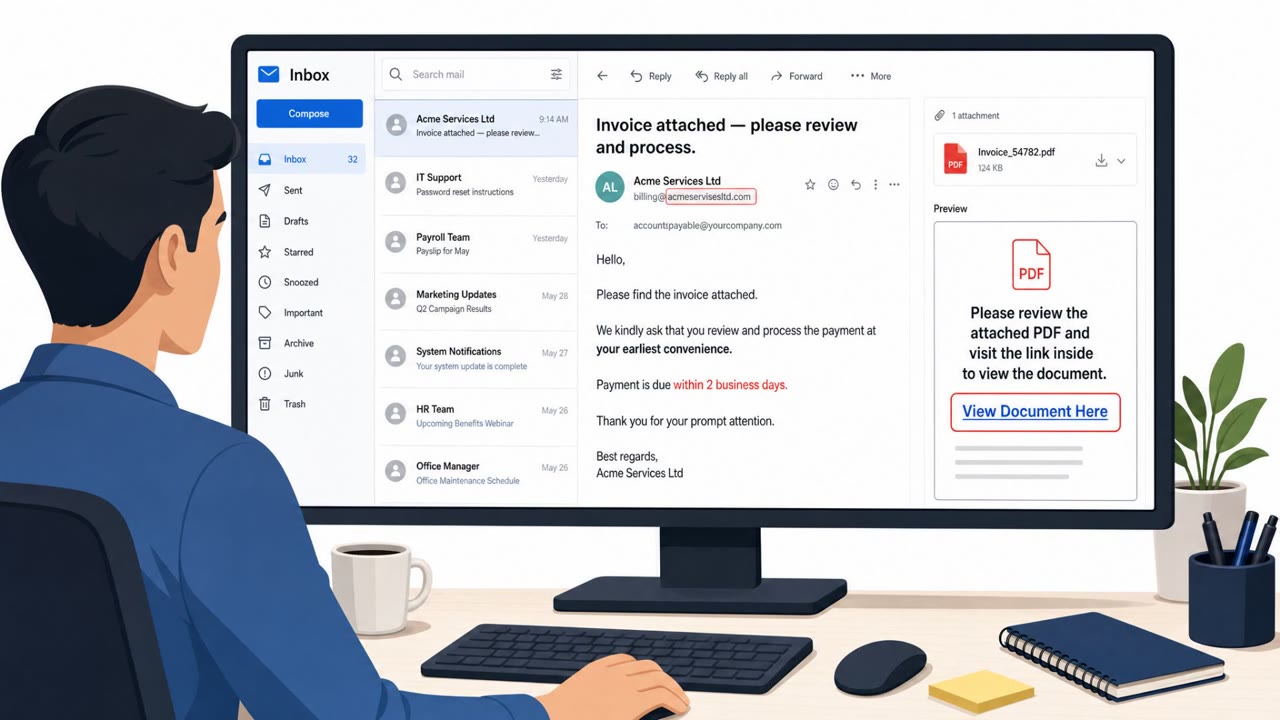
South Korean agencies warned that a state-backed hacking group is actively targeting citizens and businesses using job-themed phishing emails and “watering hole” attacks on legitimate websites. The phishing lures include fake job applicants sending resume links and impersonated recruiters sending password-protected ZIP “job offers” that infect devices when opened. In watering hole attacks, victims can be infected just by visiting a trusted site if their PC has vulnerable, unpatched security software installed.
How the Attack Worked
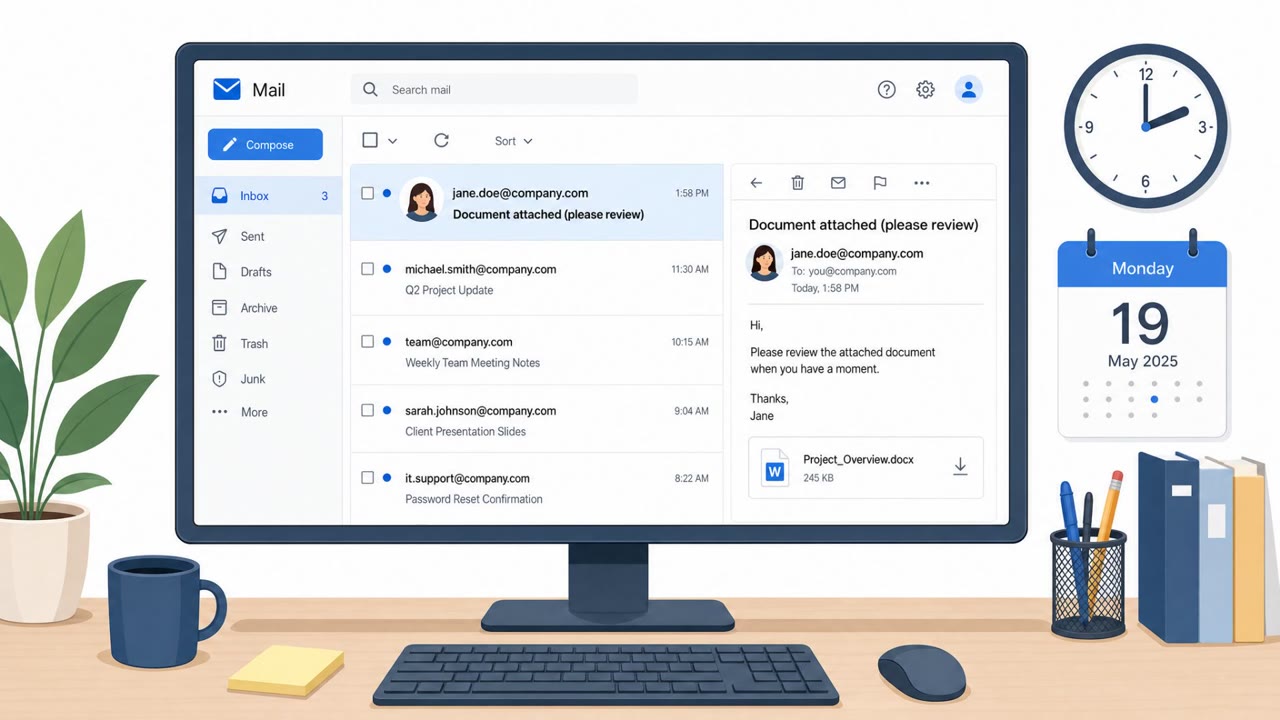
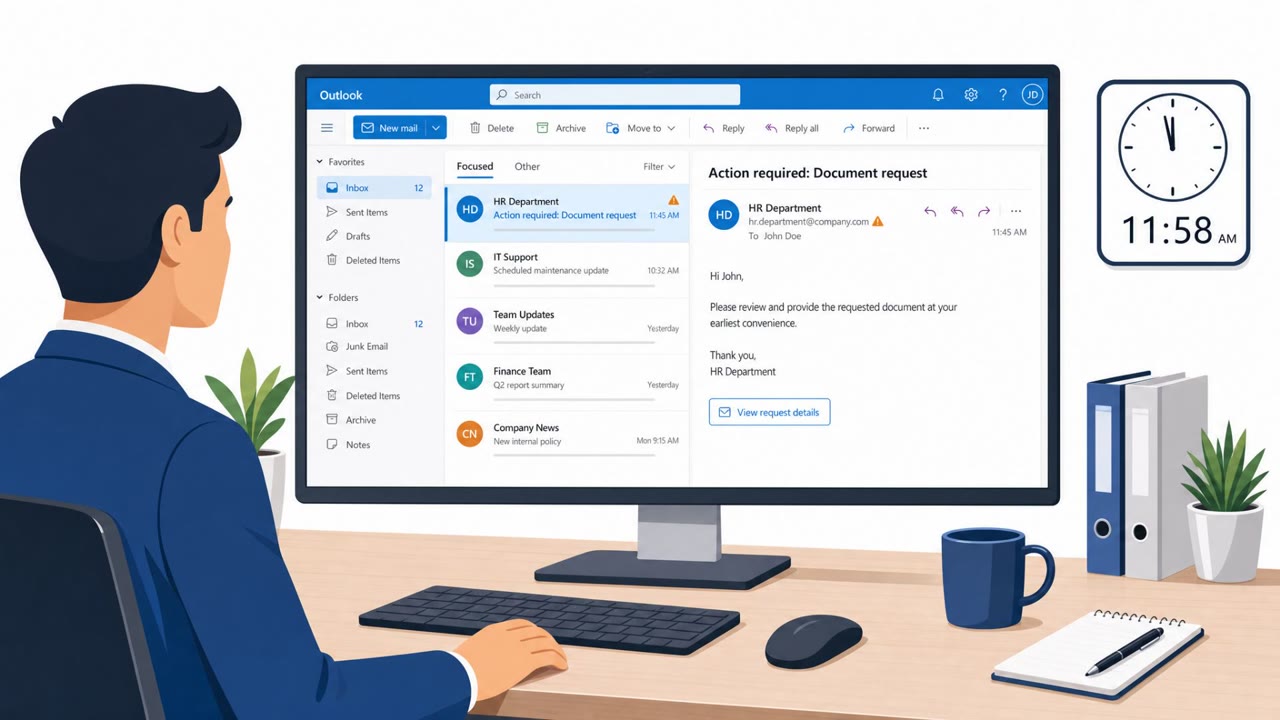
South Korean agencies warned that a state-backed hacking group is actively targeting citizens and businesses through two primary paths. The first is job-themed phishing, where attackers pose as job applicants sending a resume email with a link (instead of an attachment) pointing to a blog or GitHub page they control. A second variant impersonates an actual recruiter, sometimes hijacking a real headhunter's email account, and attaches a password-protected ZIP file labeled as a job offer that infects the machine the moment it's opened.
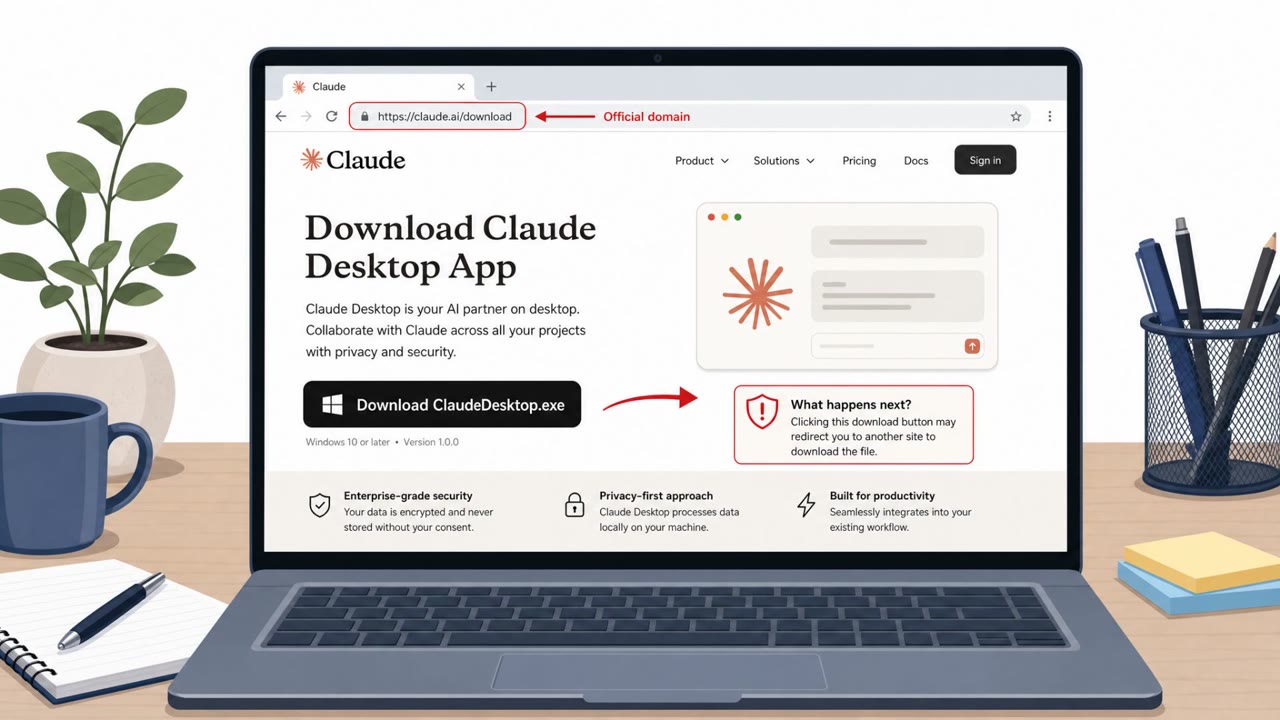
The second path is a watering hole attack. Attackers compromise legitimate sites people already trust, including news portals and hospital websites. Visiting the site alone can be enough to trigger an infection if the visitor's PC has an old, unpatched vulnerability in security software already installed, often software required for banking or government access.
Why It Succeeded
These lures work because they exploit routine, expected behaviors. HR and hiring managers regularly review resumes and links from unfamiliar senders, and job seekers expect recruiter contact and attachments. The watering hole method is especially effective because no prompt appears, no warning shows up, the page looks completely normal, and the infection happens silently in the background. Victims have no reason to suspect anything went wrong, since the compromise happens on a site they already trust and use regularly.
What to Watch For
- A resume delivered as a link to a personal blog or GitHub page rather than a standard attachment or applicant tracking system
- An unsolicited password-protected ZIP labeled as a job offer, even if it appears to come from a familiar recruiter thread
- Unusual or unexpected behavior after visiting a familiar news or healthcare-related website, even without clicking anything
- Reliance on older, unpatched security software required for banking or government site access
Building Resistance
Organizations and individuals can reduce exposure by treating job-application and recruiter emails as high-risk, verifying unfamiliar senders through an official channel before clicking links or opening attachments. Password-protected ZIP files tied to job offers deserve extra scrutiny or a safer review process rather than direct opening. Keeping security software updated is critical, since watering hole attacks can succeed without any user action if vulnerable software is present. Finally, turning on two-factor authentication and avoiding saved browser passwords limits the damage if credentials are ever exposed, since saved and manually typed credentials are a direct target of this activity.
Key findings
- South Korean agencies say a state-backed group is “actively targeting South Korean citizens and businesses.”
- Two main initial-access paths are described: job-themed phishing emails and compromised websites (watering holes).
- Phishing lures include (1) “job applicants” sending a resume email with a link to attacker-controlled content and (2) impersonated recruiters sending a password-protected ZIP “job offer” that infects when opened.
- Watering hole attacks compromise trusted sites (e.g., “news portals and hospital websites”) and can infect users just by visiting.
- The infection can occur silently by exploiting “an old, unpatched vulnerability” in locally required security software (often used for banking/government access).
- AhnLab reports the same approach across “15 compromised Korean websites between 2025 and mid-2026,” including targeting that triggered only on “Naver’s Whale browser.”
- Impacts include theft of saved/typed credentials, document/photo theft, lateral spread across networks, and extortion threats to publish stolen business data.
Who’s being targeted
- Commonly targeted roles: All staff, HR/Recruiting, Hiring managers, IT/Security teams, Executives, Employees who access Korean banking/government sites.
- Affected industries: Media/News portals, Healthcare (hospitals), Manufacturing, Finance/Banking users, Government service users, General public/consumers.
- Attack channels: email, website.
- Impersonated: Job applicant (candidate), Recruiter / headhunter (including from a hijacked real recruiter account), Legitimate website (news portal / hospital website).
Red flags to watch for
- Unexpected resume delivered as a link (not a normal attachment or known ATS portal)
- Link goes to a personal blog/GitHub page controlled by an unknown sender
- Pressure to review quickly without normal hiring workflow/verification
- Password-protected ZIP job offer sent unexpectedly
- Recruiter email thread/account seems real but is unsolicited or out of band
- Attachment requires enabling steps to view content (common malware delivery pattern)
- No obvious prompt or warning even though infection occurs (“page looks completely normal”)
- Use of outdated required banking/government security plugins/software increases risk
- Targeting that only triggers under specific conditions (e.g., particular browser) can make incidents harder to notice
Frequently asked questions
What attack methods did South Korean agencies warn about?
They flagged two main initial-access paths: job-themed phishing emails (fake resumes and password-protected ZIP job offers) and watering hole attacks on compromised legitimate websites like news portals and hospital sites.
Can visiting a website really infect a computer without clicking anything?
Yes, according to the advisory, visiting a compromised trusted site can be enough to trigger an infection if the visitor's PC has an old, unpatched vulnerability in installed security software, with no prompt or warning appearing.
What should HR and recruiting teams watch for?
Be wary of unsolicited resume emails that link to an external blog or GitHub page instead of a normal attachment, and treat password-protected ZIP job offers as high-risk even if they appear to come from a real recruiter.
How can employees reduce their risk from these attacks?
The advisory recommends verifying unfamiliar senders through official channels before clicking links or opening attachments, turning on two-factor authentication, and avoiding saving passwords in the browser.
Read the video transcript
Right now in Korea, a state-backed group is going after companies using fake job emails and booby‑trapped websites. They pose as job applicants with a resume link to a blog or GitHub, or as recruiters sending a password‑protected ZIP 'job offer' that infects your PC the moment it’s opened. It gets worse: just visiting a trusted news or hospital site with old, unpatched security software can silently install malware that steals saved passwords, documents, and company data. Aha moment: any job email with a resume link or password‑protected ZIP is treat-as-hostile. Before you click or open, stop and verify the person through an official channel.