Researchers say scammers are using Google Play’s “Early Access” listings to push deceptive Android apps that don’t show public ratings or warnings. Victims are lured by TikTok/Facebook ads promising cash rewards or free casino spins, but the apps primarily bombard users with ads and never deliver the promised payout.
Key findings
- Attackers exploit Google Play Early Access because it lacks public ratings/reviews that would warn users.
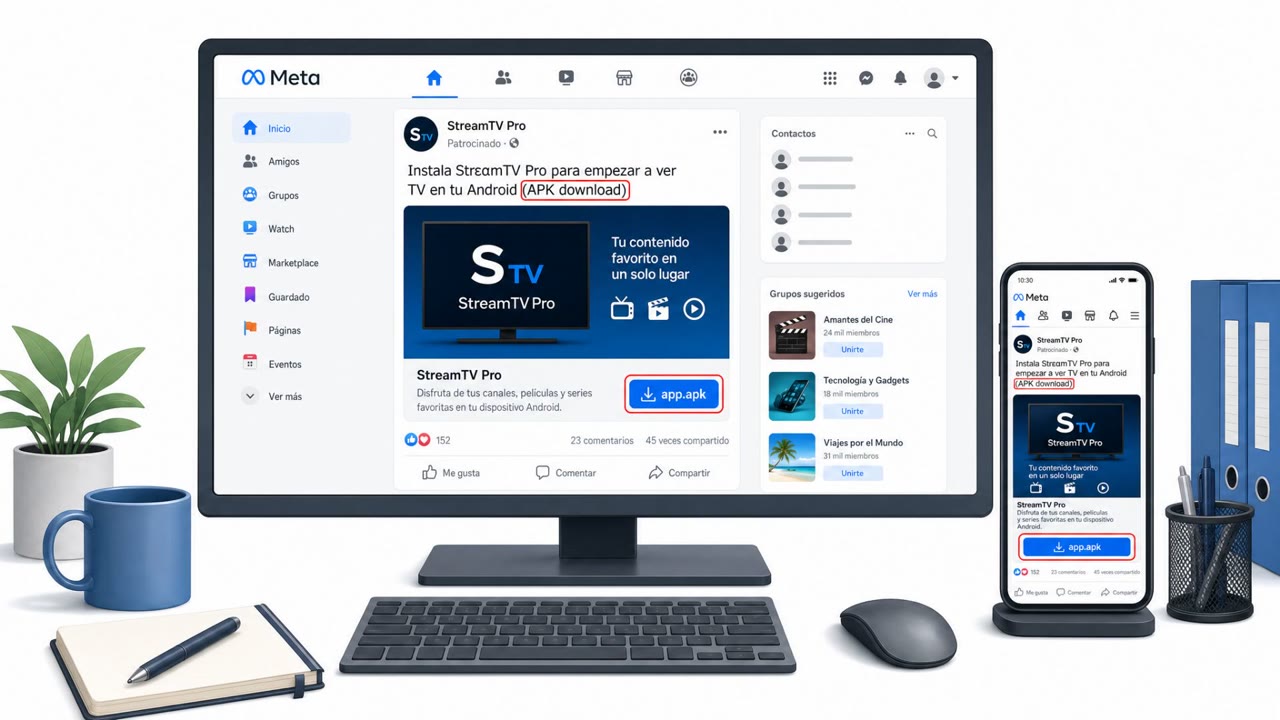
- Users are driven from external ads (TikTok/Facebook) directly into Early Access app installs.
- Ads promise rewards (PayPal payouts, crypto earnings, gift cards) or gambling-style incentives (free spins/jackpots), but payouts don’t arrive.
- Some ads use deepfakes of celebrities/public figures to add credibility (e.g., claims of “250 spins for free”).
- Trademark abuse is used to capture search traffic (e.g., uploading as “Grand Theft Auto V (Early Access)”, then renaming after Google Search indexing).
- The reported activity is characterized as deceptive ad-farming rather than malware delivery.
Who’s being targeted
- Commonly targeted roles: All employees (mobile device users), IT / Helpdesk (mobile app guidance), Security awareness team, Procurement / Mobile device management stakeholders.
- Affected industries: Mobile app marketplaces, Gaming, Online gambling-style apps, Consumers / end users.
- Attack channels: tiktok, website, facebook.
- Impersonated: An app/game advertiser claiming payouts (e.g., PayPal/crypto/gift cards), Famous athlete/actor/public figure shown in a deepfake endorsement, A well-known game brand listing (e.g., Grand Theft Auto).
Awareness takeaways
- Treat “too good to be true” reward ads (cash, crypto, gift cards, free spins) as a scam signal and don’t install apps based on social media ads.
- Be extra cautious with Early Access / unreleased apps because you may not see the normal public warnings (ratings/reviews).
- Do not trust celebrity endorsement videos in ads; they may be deepfakes designed to pressure quick installs.
- Watch for brand/trademark bait-and-switch tactics (app name changes, misleading screenshots) when installing apps found via search.
Red flags to watch for
- Big reward promise with no clear terms (cash/crypto/gift cards)
- Traffic driven from social media ads directly to an unreleased app listing with limited public feedback
- App behavior focused on showing ads rather than delivering the promised reward
- Celebrity endorsement delivered via ad video (potential deepfake)
- Overly generous gambling offer (free spins/jackpots)
- Casino-style app presented as casual game to bypass scrutiny
- Well-known brand offered as “Early Access” without clear publisher verification
- App name changes after indexing (bait-and-switch)
- Screenshots appear AI-generated or not representative of gameplay
Read the video transcript
You see a TikTok ad: “Install this Early Access app, get PayPal cash and 250 free spins.” Looks official, right? Here’s the trick: the ad jumps you straight into a Google Play Early Access app with no ratings or reviews. You install it… and it just blasts ad after ad. No PayPal payout, no crypto, no gift cards. Some even run deepfake-style celebrity promos for a ‘ghost casino’, “you’re getting 250 spins for free”, or call themselves “Grand Theft Auto V (Early Access)” to grab search traffic, then quietly rename later. Aha moment: if an ad promises cash, crypto, gift cards, or free spins for installing an Early Access app, don’t do it. Close the ad and search Google Play yourself for legit, well‑rated apps.