Email Bombing Hides Fraud Alerts in Inbox Chaos

We Live Security · Medium sophistication
Last updated October 17, 2026

A reported case involved a Virginia woman receiving hundreds of automated sign-up emails in a day. The flood was used to hide a legitimate bank alert about a fraudulent laptop purchase, showing how inbox overload can conceal account fraud or unauthorized transactions.

Key findings

  • Attackers can use automated tools to register a victim's email address for hundreds or thousands of legitimate newsletters, subscriptions, and free trials.
  • The resulting flood of legitimate welcome messages may bypass spam filters and bury a critical fraud, password-reset, or account-change alert.
  • In the reported Virginia case, the email flood concealed a bank warning about a fraudulent laptop purchase.
  • Attackers may follow an email bomb with a fake technical-support contact that seeks payment or asks the victim to install remote-access software.
  • Victims should search for the hidden security alert and check sensitive accounts before deleting the unwanted messages.

Who’s being targeted

  • Commonly targeted roles: All employees, Finance and accounts-payable teams, Customer support teams, IT service desk, Security operations teams.
  • Affected industries: Banking and financial services, Consumer online accounts, Technology and email services.
  • Attack channels: email.
  • Impersonated: Legitimate newsletters, promotions, and online services.

Awareness takeaways

  • Treat a sudden flood of sign-up emails as a possible fraud warning, not merely as spam. Search for the important alert the attacker may be trying to conceal before deleting messages.
  • Check high-value accounts directly for unauthorized activity, including payment methods, new devices, password changes, and altered recovery details.
  • Do not trust unsolicited callers who offer to fix an email-bombing problem; use known support contacts instead.
  • Secure accounts after suspected compromise by changing passwords, enabling two-factor authentication, and verifying recovery contact details.

Red flags to watch for

  • A sudden burst of hundreds of messages from services the recipient never joined.
  • Many welcome, confirmation, newsletter, or promotional emails arriving within a short period.
  • A legitimate-looking bank or payment alert is buried among the sign-up messages.
Try Mirage

Mirage safely runs attacks like this one against your own team, so you find out what happens before a real adversary does.

Get a demo
Read the video transcript

Hundreds of welcome emails overnight? That’s not just spam. It’s called email bombing. Automated sign-ups flood you with real newsletters and free trials. In Virginia, they buried a bank alert about a fraudulent laptop purchase. That’s the trick: the welcome emails can be legitimate. The danger is what they hide. And a surprise support call offering to fix the flood? Don’t trust it. Before deleting anything, open your bank app directly and check for unauthorized purchases.

MITRE ATT&CK techniques

Similar attacks

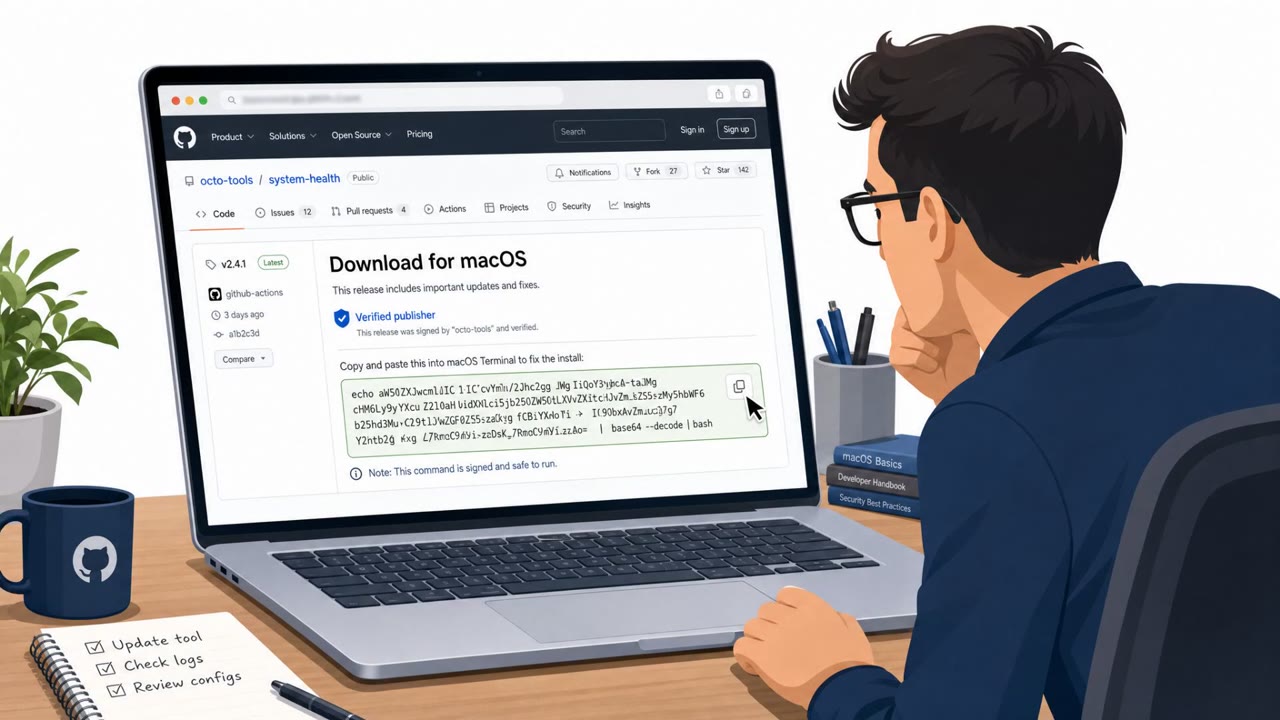
Fake GitHub Lure Tricks macOS Users Into Stealer

Fake GitHub Lure Tricks macOS Users Into Stealer

Researchers described AmnesiaStealer, a macOS info-stealer spread through a counterfeit “Download for macOS” page that tricks users into pasting a command into Terminal. The malware steals passwords and browser session data, and can even give an attacker live, hidden control of the victim’s browser…

August 17, 2026
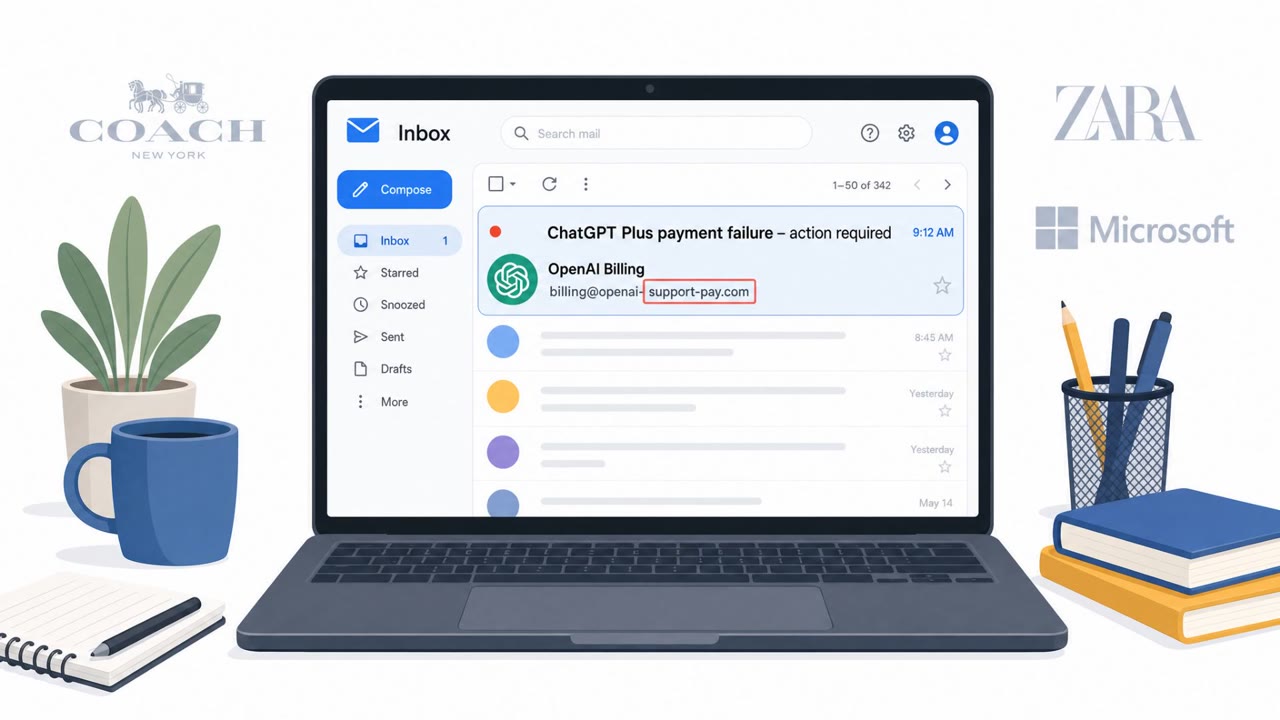
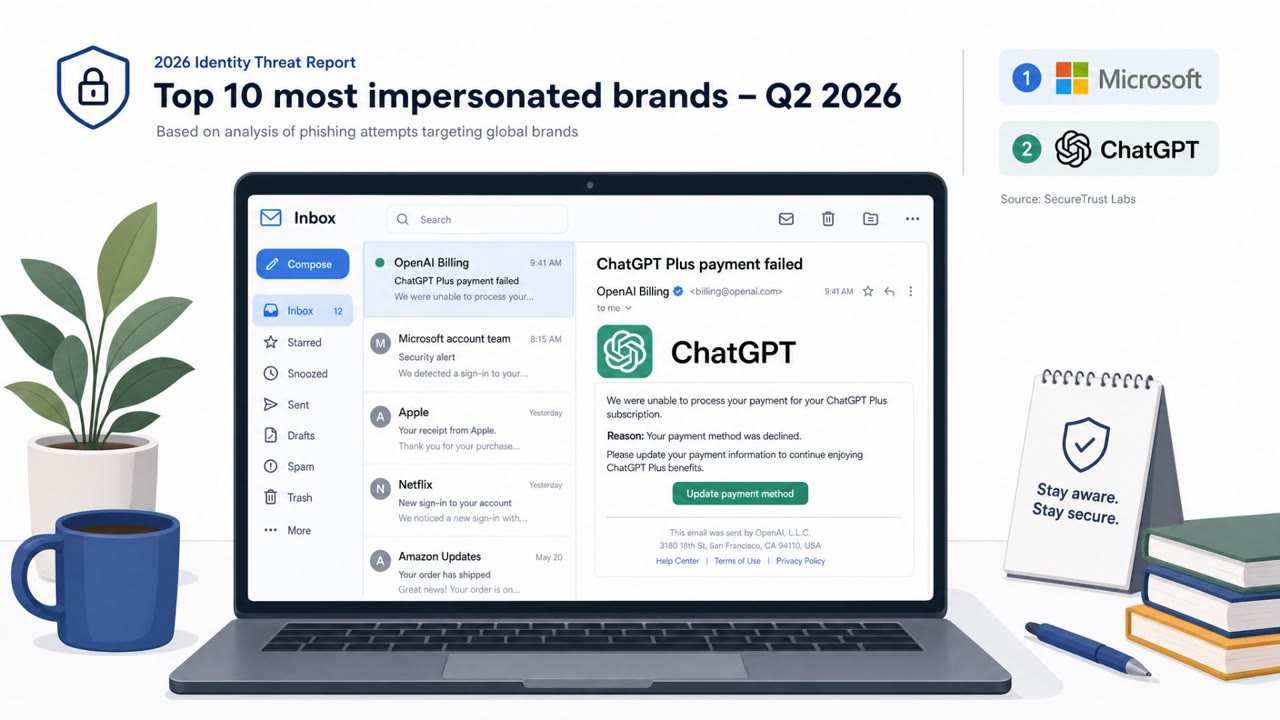
Fake ChatGPT Billing Emails Steal Card Details

Fake ChatGPT Billing Emails Steal Card Details

Check Point reports that scammers are now impersonating ChatGPT/OpenAI in phishing campaigns, reflecting how mainstream the service has become. One documented example used a fake “ChatGPT Plus payment failure” notice that sent victims to a fraudulent payment page designed to capture full credit…

July 28, 2026
Fake ChatGPT Billing Emails Steal Card Details

Fake ChatGPT Billing Emails Steal Card Details

Check Point reports that OpenAI’s ChatGPT became a top-10 most impersonated brand in Q2 2026 phishing. One observed example used a fake “ChatGPT Plus payment failed” billing email to drive victims to a credit-card theft page. The report also notes other brand-impersonation scams using cloned stores…

July 24, 2026
Trusted Channels Hijacked for Phishing and Malware

Trusted Channels Hijacked for Phishing and Malware

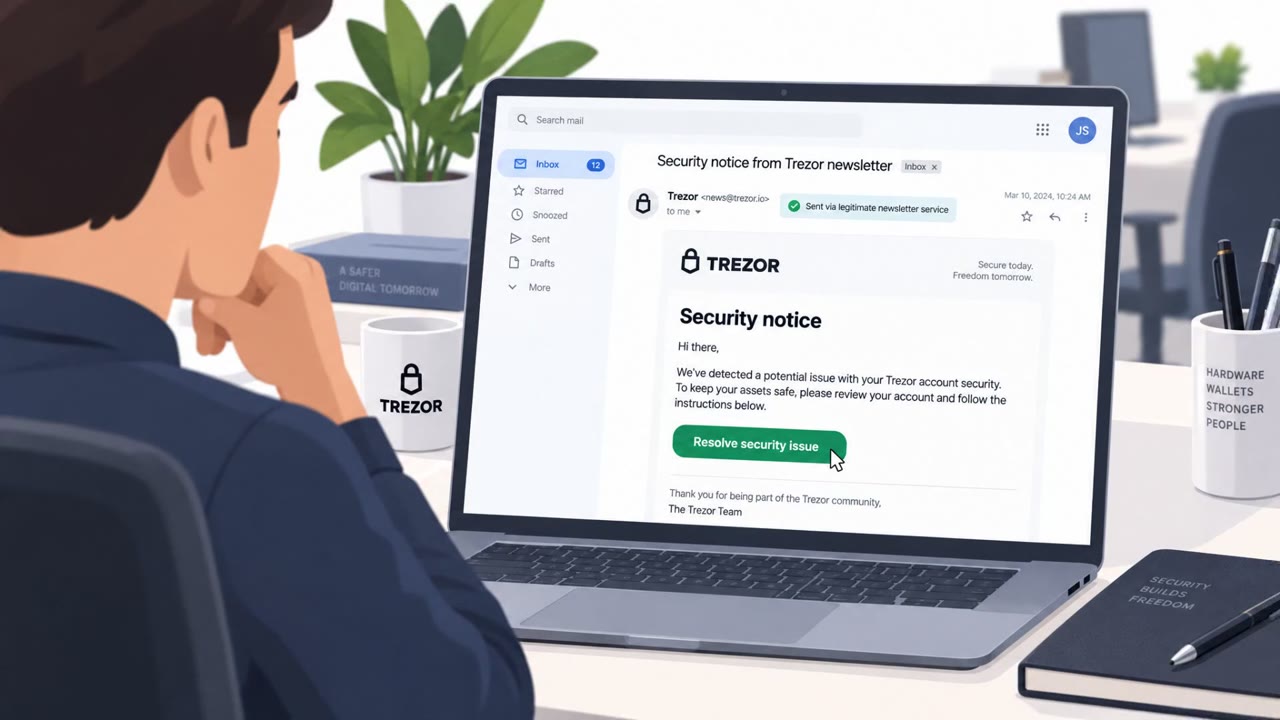
The article describes multiple real-world social engineering operations this week, including phishing sent from a legitimate Trezor newsletter channel and malware pushed through a verified HBO Max Reddit ad account. It also highlights a large-scale network of fake online stores impersonating real…

September 18, 2026
Fake SSO + MFA Push Used in Real Breaches

Fake SSO + MFA Push Used in Real Breaches

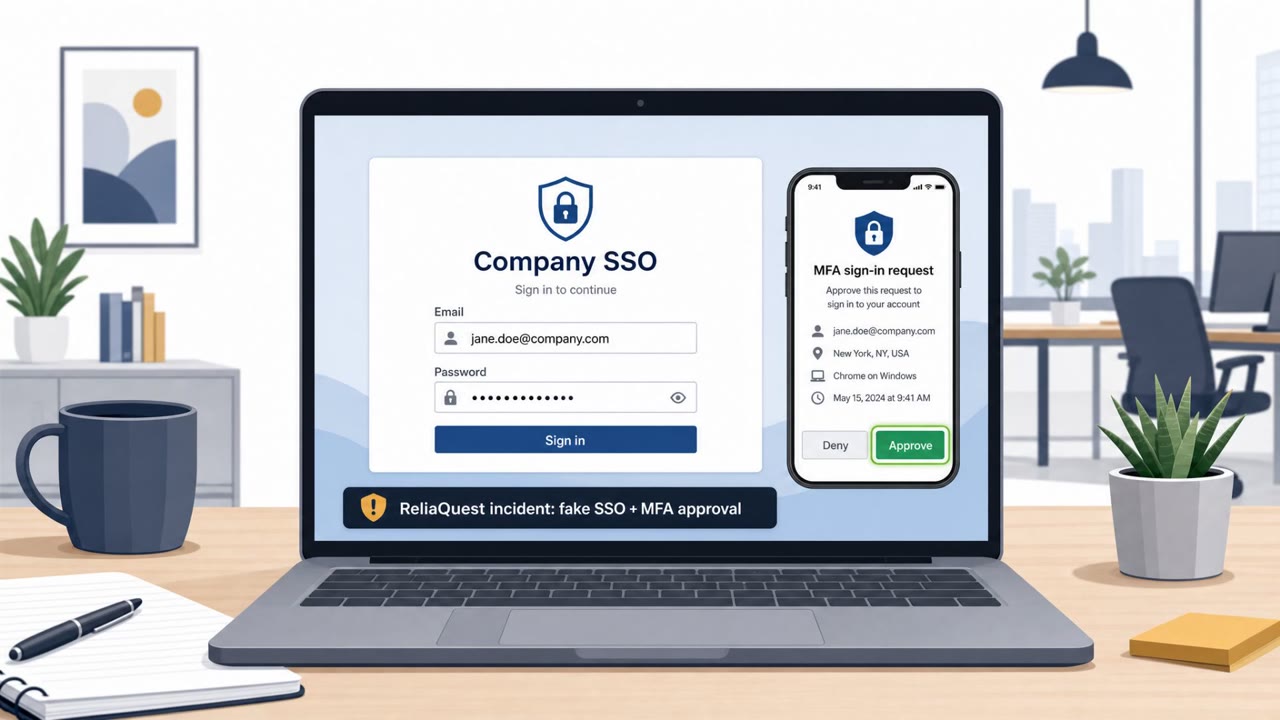
This weekly roundup includes two real social-engineering-driven incidents. Attackers used social engineering to access Apollo Global Management’s cloud platforms and steal sensitive personal data, and separately attempted a ShinyHunters phishing attack against ReliaQuest using a fake SSO login page…

August 28, 2026
Antidetect Browsers Fuel Stealth Phishing Fraud

Antidetect Browsers Fuel Stealth Phishing Fraud

The report documents how criminals use antidetect browsers to make stolen sessions and phishing logins appear to come from legitimate, local devices. A commercially available Browser-in-the-Middle workflow can relay a victim’s login details to real services such as Google, Microsoft, Facebook, and…

October 20, 2026