This weekly roundup includes two real social-engineering-driven incidents. Attackers used social engineering to access Apollo Global Management’s cloud platforms and steal sensitive personal data, and separately attempted a ShinyHunters phishing attack against ReliaQuest using a fake SSO login page and an MFA prompt approval to gain limited access.
How the attack worked
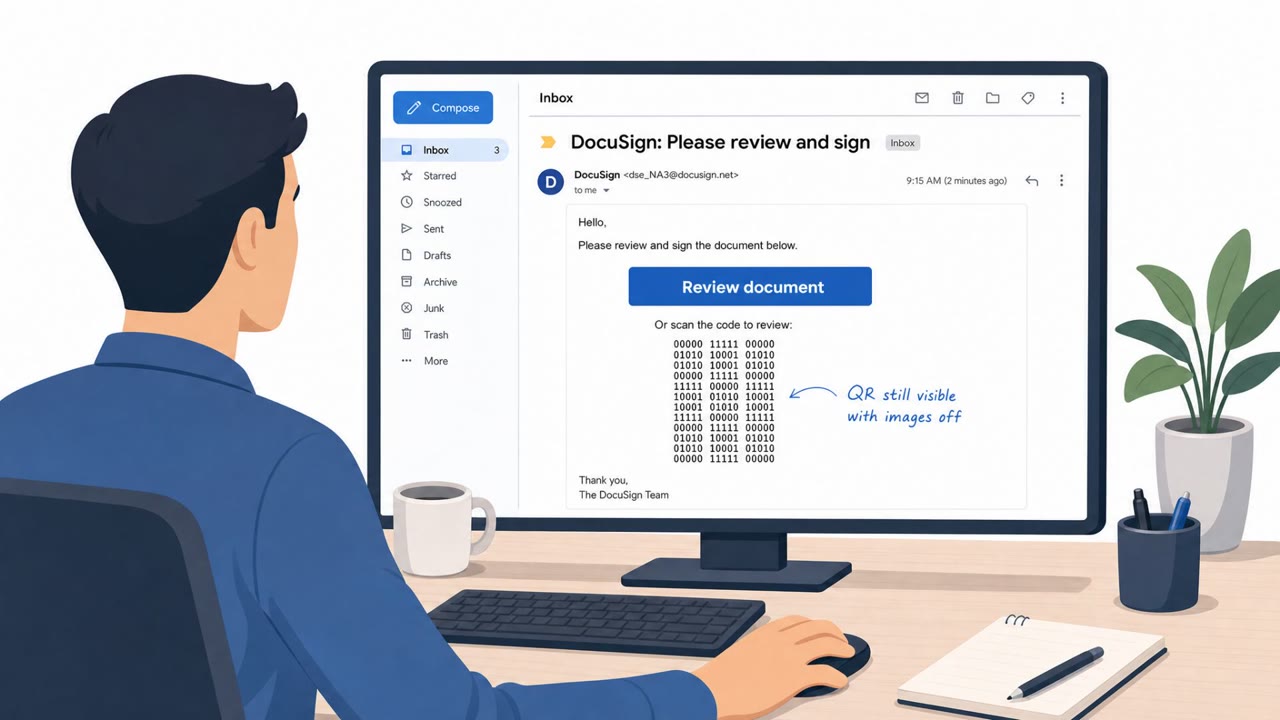
Two separate incidents show how social engineering continues to bypass technical defenses even when multi-factor authentication is in place. In the ReliaQuest case, an employee was presented with a fake single sign-on (SSO) login page. After the employee entered credentials, the attacker triggered an MFA push request, and the employee approved it. This combination, credential theft followed by MFA approval, gave the attacker temporary, view-only access to a dashboard.
Separately, Apollo Global Management's cloud platforms were accessed through social engineering, resulting in the theft of sensitive personal information, including names, addresses, dates of birth, and Social Security numbers. The exact method used to gain access to Apollo's cloud environment was not detailed, but it fits a broader pattern of attackers targeting account access and cloud platforms rather than exploiting software vulnerabilities directly.
Why it succeeded
The ReliaQuest attempt succeeded at the initial step because the fake SSO page looked convincing enough that an employee entered real credentials, and because the follow-up MFA prompt was approved rather than questioned. This reflects a known weakness in push-based MFA: it depends on the user correctly identifying an unexpected authentication request as suspicious in the moment, which is not always intuitive under time pressure.
In the Apollo case, social engineering targeting cloud platform access again points to how attackers look for the human decision point, whether that's a help desk process, an account recovery flow, or a login request, rather than trying to break through technical barriers directly.
What limited the damage
At ReliaQuest, the impact was contained by controls that did not depend solely on the login step:
- Device-trust controls restricted what the attacker could reach, keeping sensitive systems and customer information out of scope.
- The compromised credentials were revoked quickly.
- A follow-up check found no evidence of persistence.
This illustrates that stopping credential theft entirely is difficult, but limiting what a stolen credential can actually do is achievable through layered access controls.
What to watch for and how to build resistance
Defenders across all employee levels, help desk, IT, cloud administration, and security operations should treat the following as red flags:
- An SSO login page that appears in an unexpected context or looks slightly different from normal
- An MFA push notification the employee did not initiate
- Login or access requests tied to account recovery that try to bypass normal verification
Recommended steps include strengthening help-desk and account-recovery verification procedures, applying device-trust and least-privilege principles to dashboards and cloud platforms, and training employees to pause and verify through a separate trusted channel before approving any unexpected MFA prompt. When credentials are suspected of being entered into a phishing page, revoking them immediately and checking for persistence, as ReliaQuest did, is an effective containment step.