Fake Court Notices Push LodaRAT to Businesses

About DFIR · High sophistication
Last updated October 29, 2026

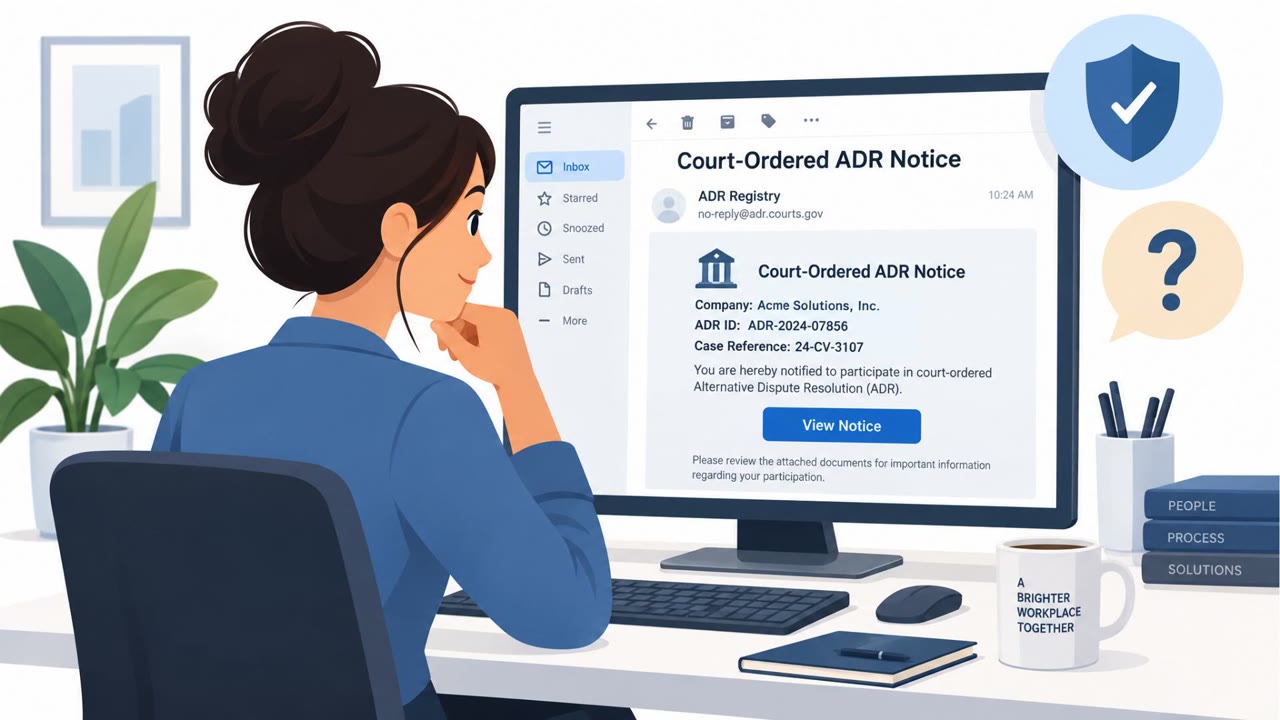
A phishing campaign impersonated a U.S. federal court and targeted more than 100,000 businesses with fake Alternative Dispute Resolution notices. Victims who followed the link reached a personalized fake court portal and were urged to download an archive that installed remote-access malware capable of stealing credentials and monitoring victims.

Key findings

  • Attackers impersonated the U.S. District Court for the Southern District of Florida in fake Alternative Dispute Resolution notices.
  • The campaign targeted more than 100,000 businesses and used unique civil case identifiers to make notices appear credible.
  • Links opened fraudulent court portals personalized with the target company’s details.
  • The site only served content to Microsoft Edge visitors, an evasion tactic intended to avoid security scanners.
  • Victims were prompted to download a password-protected archive containing an ISO file with multiple launch options.
  • The downloaded LodaRAT malware can log keystrokes, steal browser credentials and Wi-Fi passwords, record audio and video, enable RDP, and spread through local networks.

Who’s being targeted

  • Commonly targeted roles: Legal, Executive leadership, Finance, Office administration, IT, All employees who handle external notices.
  • Affected industries: Businesses across industries.
  • Attack channels: website.
  • Impersonated: U.S. District Court for the Southern District of Florida.

Awareness takeaways

  • Treat unexpected legal notices, especially those demanding a download, as suspicious until verified through independently sourced court contact details or a known legal representative.
  • Do not open password-protected archives or ISO files received through unsolicited notices; escalate them to the security team instead.
  • Personalized company information is not proof that a request is legitimate; attackers can use it to make fake portals and notices look convincing.

Red flags to watch for

  • An unexpected legal notice asks the recipient to download an archive rather than use a known court channel.
  • The site tailors details to the recipient company to create false legitimacy.
  • The download is a password-protected archive containing an ISO file rather than a standard court document.
Try Mirage

Mirage safely runs attacks like this one against your own team, so you find out what happens before a real adversary does.

Get a demo
Read the video transcript

A federal court notice names your company and a civil case. Convincing? That fake Alternative Dispute Resolution notice links to a court portal customized for your company. It shows content only in Microsoft Edge, dodging some security scanners. Here's the giveaway: court documents shouldn't arrive as a password-protected archive containing an ISO. Open it, and LodaRAT can steal passwords and log keystrokes. A company name isn't proof. Send unexpected court download notices to your security team.

Similar attacks

Fake Court Notices Deliver LodaRAT

Fake Court Notices Deliver LodaRAT

Attackers sent personalized fake federal court notices to more than 100,000 companies, impersonating the US District Court for the Southern District of Florida. The emails directed recipients to a counterfeit court website and offered a password-protected case file that ultimately installed…

October 28, 2026
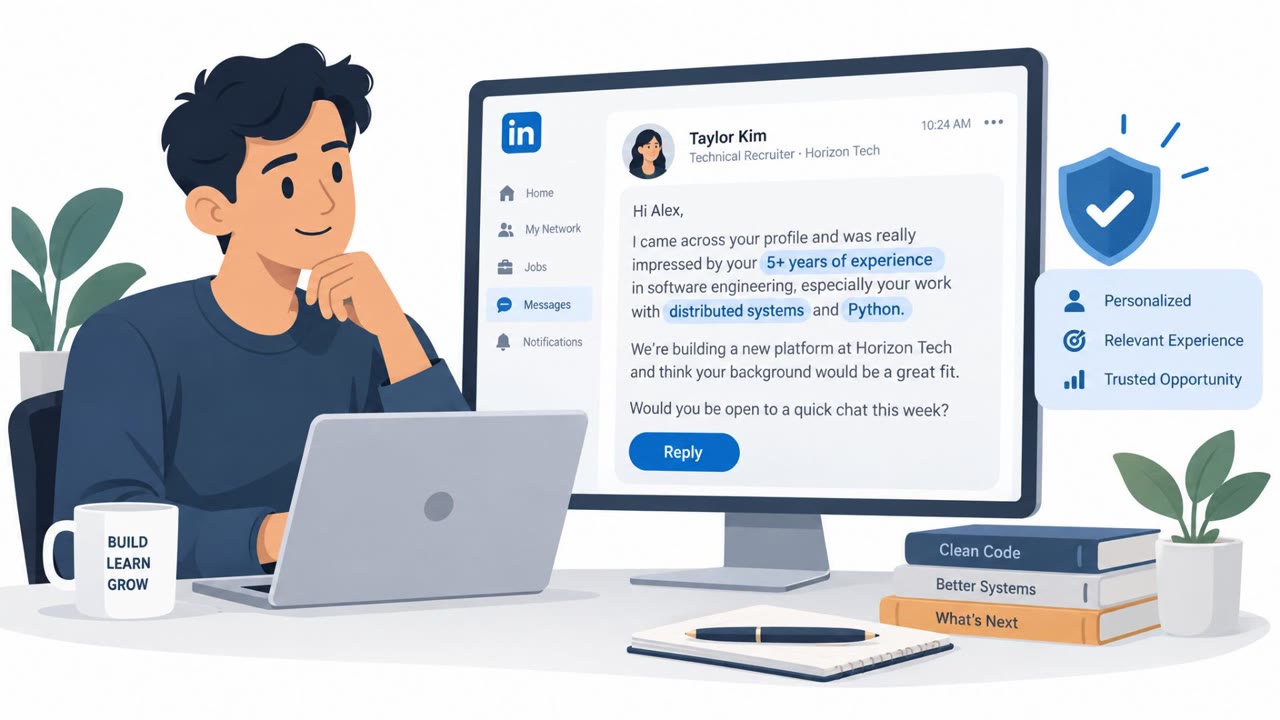
North Korea Scales AI-Powered Job Scams

North Korea Scales AI-Powered Job Scams

Microsoft reports that North Korean threat actors are using AI to make job scams, fake recruiter outreach, fraudulent worker identities, and targeted phishing campaigns faster and more convincing. One group posed as recruiters for a spoofed AI blockchain company and scheduled software-engineer…

October 29, 2026
Booking.com Scams Put Travelers and Hotels at Risk

Booking.com Scams Put Travelers and Hotels at Risk

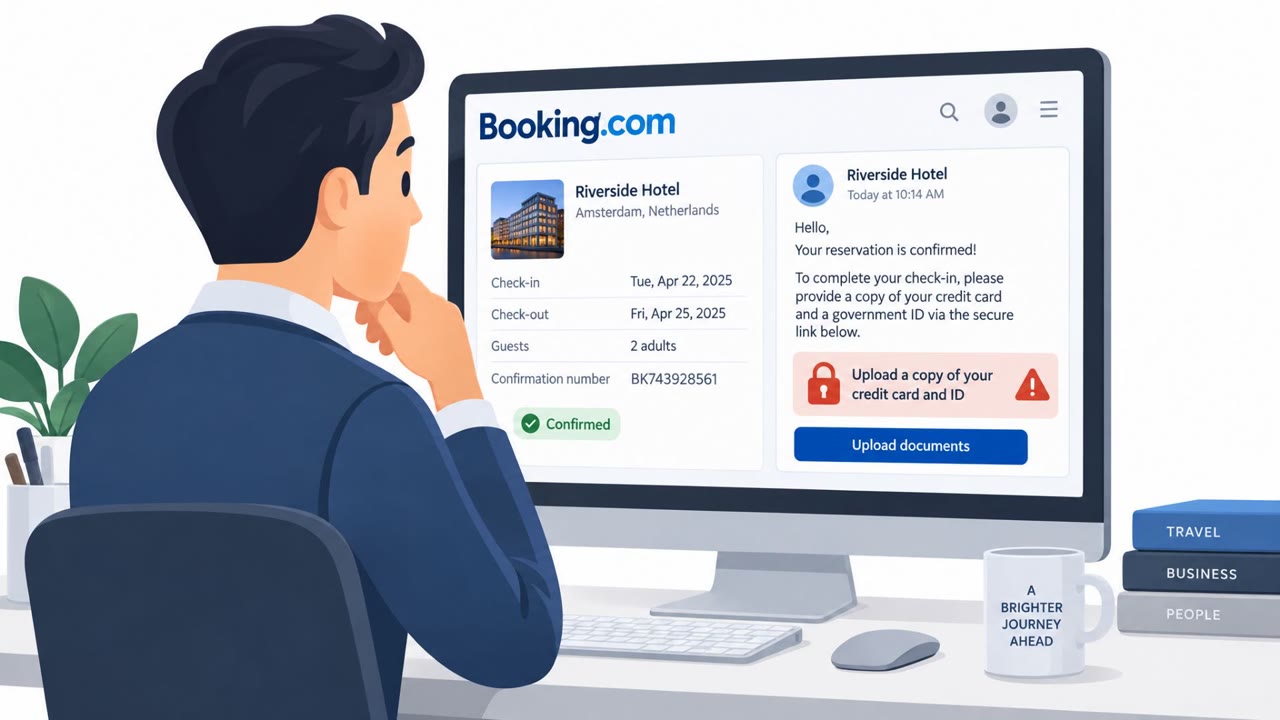
EU regulators are investigating Booking.com over phishing, fraudulent listings, and impersonation scams affecting travelers and accommodation partners. The article describes several real campaigns, including fake Booking.com messages that sought payment details from customers and complaint-themed…

October 22, 2026
Fake Calendar Invites Fuel Phishing Surge

Fake Calendar Invites Fuel Phishing Surge

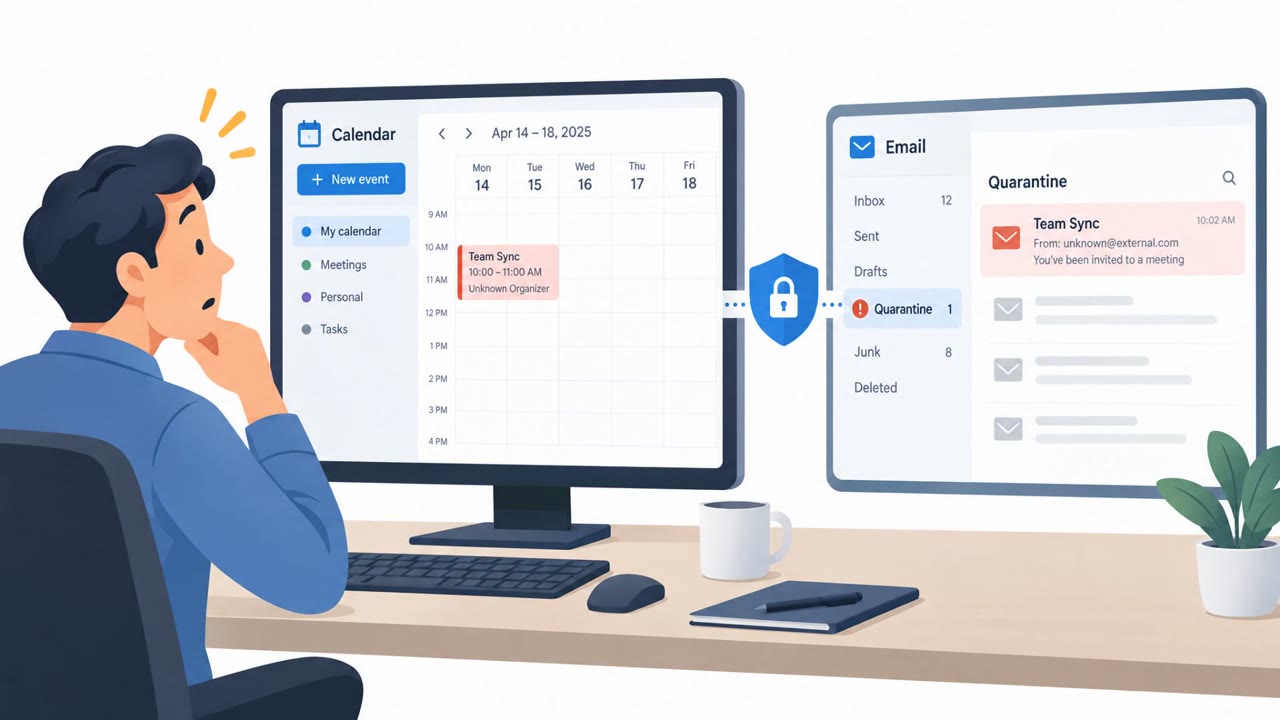
Attackers are using fake calendar invitations to bypass normal email defenses and lure people into credential theft or malware downloads. The invites may appear in a user’s calendar even when the related phishing email is quarantined, making unexpected meeting entries a new route for account and…

October 20, 2026
Malicious Calendar Invites Surge With Malware Links

Malicious Calendar Invites Surge With Malware Links

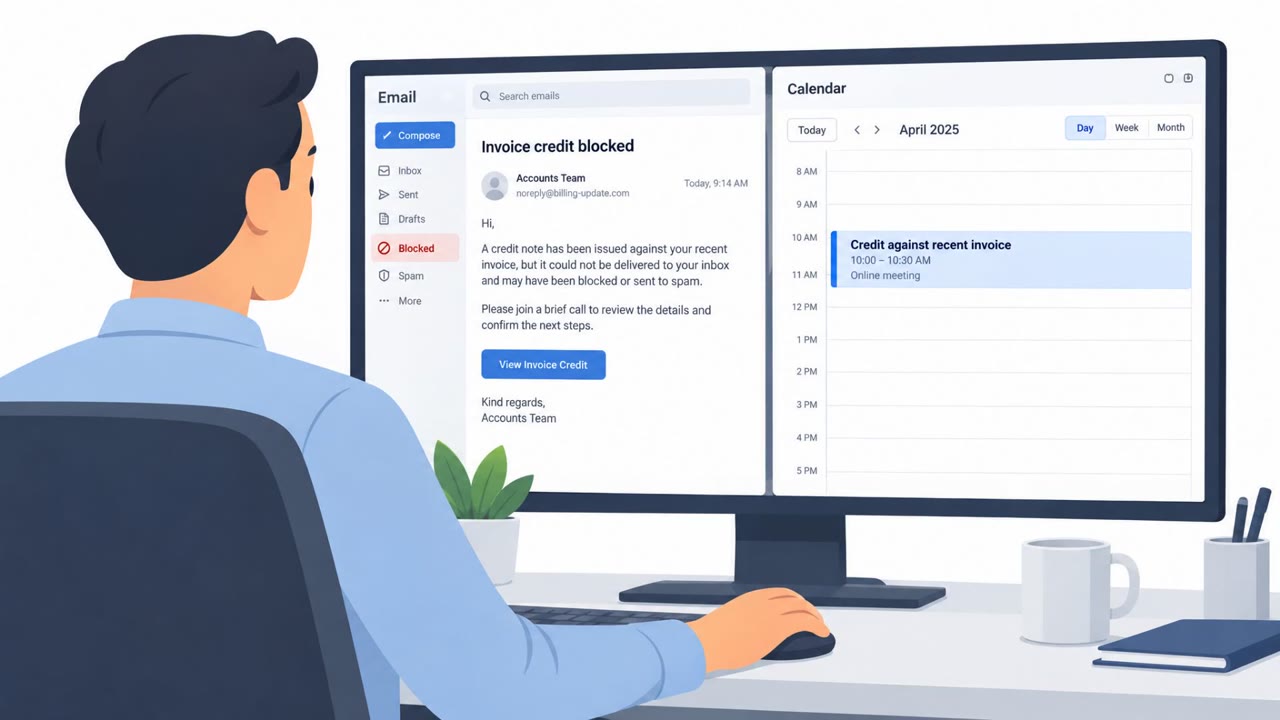
Attackers are sending fake calendar meeting invites that can be automatically added to a victim’s calendar, even if the email is blocked. A documented example used a Google Calendar invite with a financial “invoice credit” lure to drive victims to a hosted webpage and download a malicious…

September 18, 2026
Fake AI Trading Bot Steals Crypto Wallet Passwords

Fake AI Trading Bot Steals Crypto Wallet Passwords

Researchers observed real campaigns where a fake “AI crypto trading agent” website tricked victims into downloading malware that silently replaces browser wallet extensions and steals the wallet password when it’s typed. The same reporting also describes invoice emails using QR codes to push…

September 17, 2026