Fake Court Notices Spread LodaRAT

eSecurity Planet · Medium sophistication
Last updated October 30, 2026

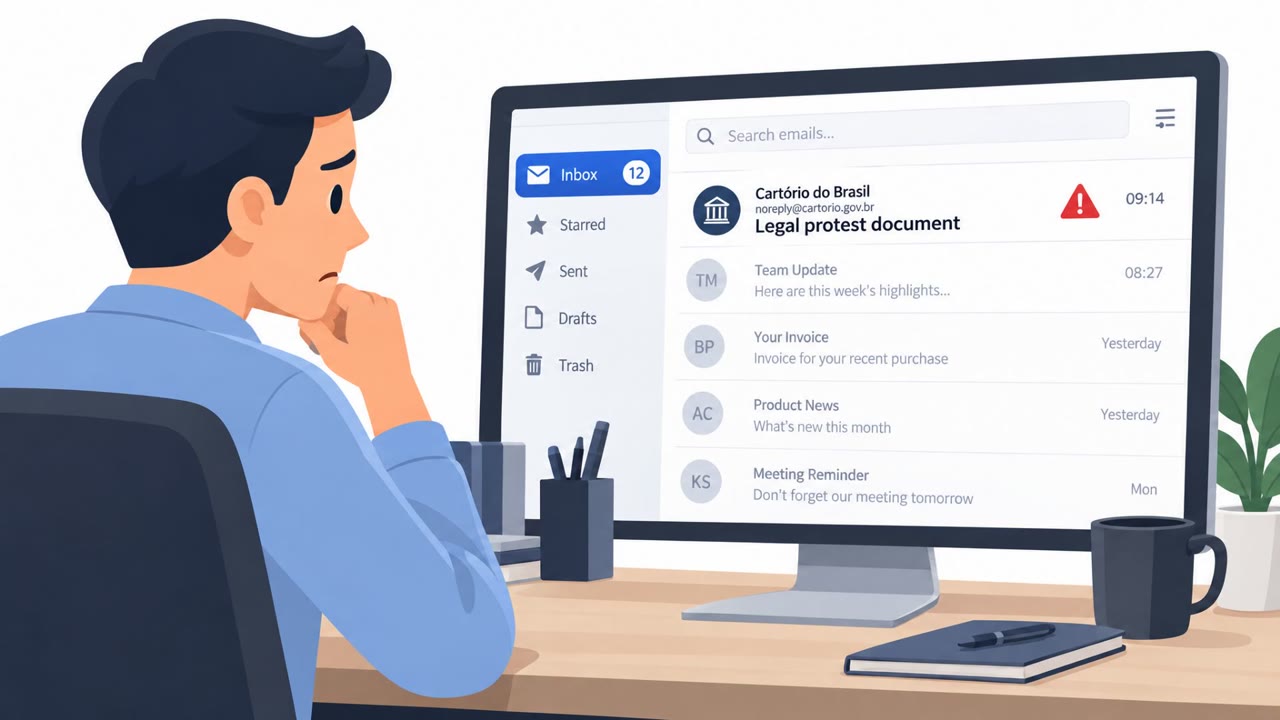
A real phishing campaign is using convincing court notices to trick recipients into opening attachments or downloading files that deliver LodaRAT malware. The malware can steal browser session cookies and give attackers remote control of Windows systems. Employees should verify unexpected legal notices through trusted, independent channels before taking action.

Key findings

  • A phishing campaign is using convincing court notices to distribute LodaRAT.
  • LodaRAT can steal session cookies and remotely control Windows systems.
  • Unexpected legal notices should be independently verified through trusted channels before recipients open attachments or download files.
  • The broader weekly report warns that breached customer and order data can make later phishing messages appear more convincing.

Who’s being targeted

  • Commonly targeted roles: All employees, Legal teams, Executive assistants, Finance teams, Customer support teams.
  • Affected industries: Cross-industry, Organizations receiving legal or regulatory correspondence.
  • Attack channels: email.
  • Impersonated: A court or legal authority.

Awareness takeaways

  • Independently verify an unexpected court notice through an official, known contact method before opening its attachment or downloading a file.
  • Treat unexpected legal, regulatory, and other high-pressure messages as potential phishing, especially when they demand immediate review of a document.
  • Report suspected phishing quickly, because a successful attachment-based infection may lead to stolen active sessions and remote control of a work computer.
  • Warn customers after a breach that attackers may use leaked order or transaction details to make phishing messages look credible.

Red flags to watch for

  • The legal notice is unexpected.
  • The message asks the recipient to open an attachment or download a file before independently verifying the matter.
  • The sender or court details cannot be confirmed using trusted contact information.
Try Mirage

Mirage safely runs attacks like this one against your own team, so you find out what happens before a real adversary does.

Get a demo
Read the video transcript

“Court Notice: Review the attached legal document.” Got that email? It claims to be from a court and pushes you to open an attachment or download a file. That file can deliver LodaRAT. Here’s the catch: LodaRAT can steal your browser’s active session cookies and remotely control your Windows PC. A convincing notice isn’t proof it’s real. Before opening anything, call the court using its official website’s number, not the email’s.

Categories

Similar attacks

Malicious Calendar Invites Surge With Malware Links

Malicious Calendar Invites Surge With Malware Links

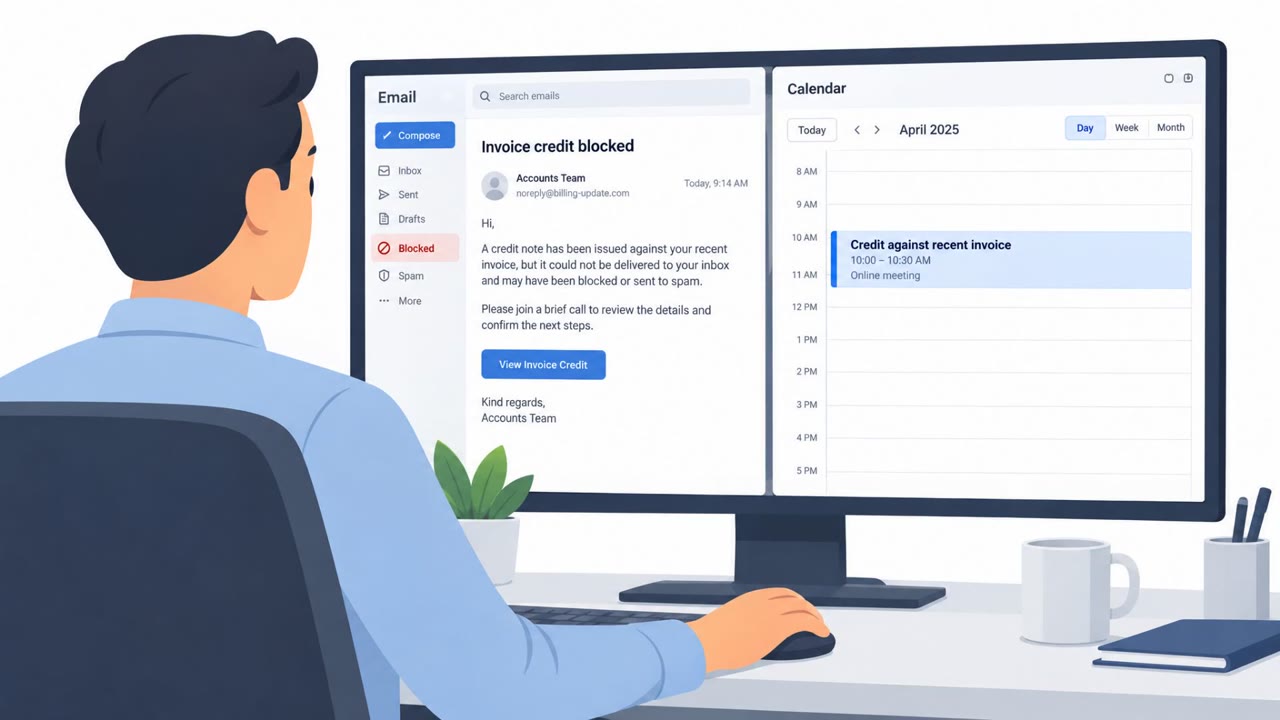
Attackers are sending fake calendar meeting invites that can be automatically added to a victim’s calendar, even if the email is blocked. A documented example used a Google Calendar invite with a financial “invoice credit” lure to drive victims to a hosted webpage and download a malicious…

September 18, 2026
Job Offer & Doc-Link Phishing Drive Real Breaches

Job Offer & Doc-Link Phishing Drive Real Breaches

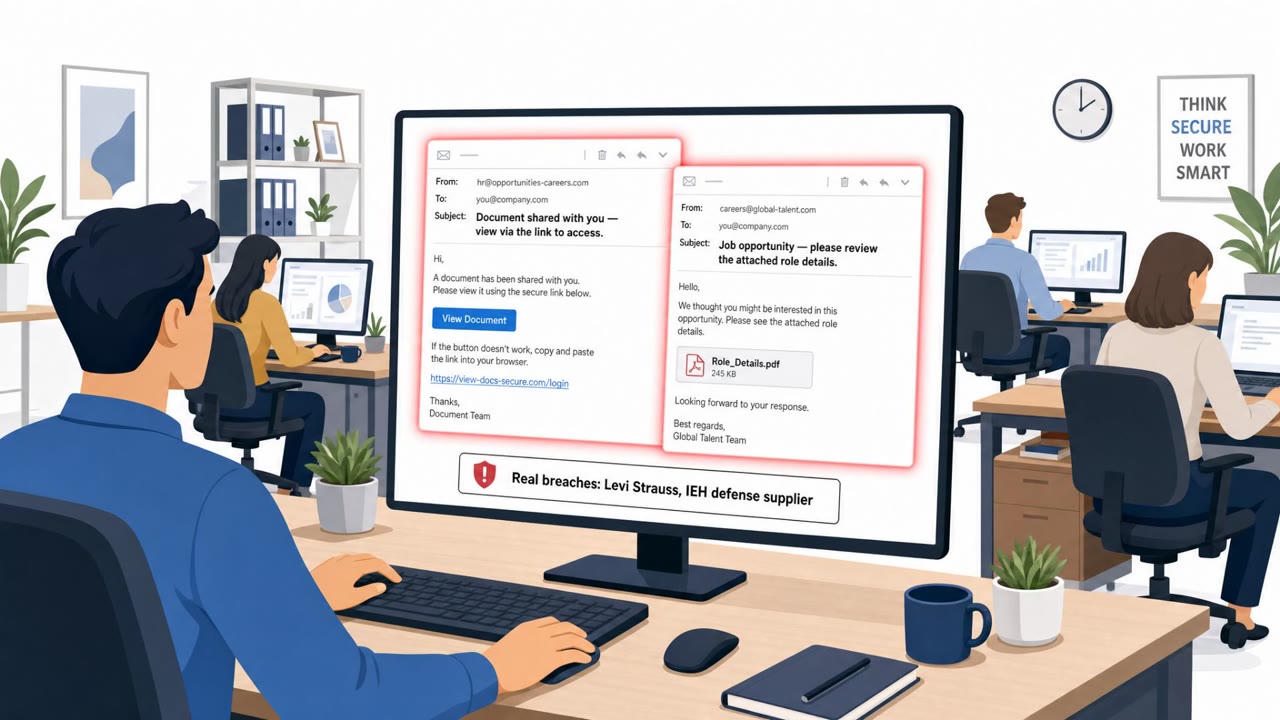
This weekly threat bulletin describes real incidents where attackers used human manipulation to break in, including social engineering at Levi Strauss and a Microsoft 365 credential-theft phish at defense supplier IEH. It also highlights a Lazarus-linked campaign using fake job offers and…

August 17, 2026
Rust Maintainers Phished via Fake “Conference Call”

Rust Maintainers Phished via Fake “Conference Call”

An unknown group suspected to be North Korean state hackers targeted Rust language team members and high-profile package (“crate”) maintainers with phishing that lures victims into a fake conference call. When the victim tries to join, they are told they must install a “video codec” or update…

September 25, 2026
Fake FedEx Invoice Delivers Sirius Backdoor

Fake FedEx Invoice Delivers Sirius Backdoor

Attackers sent Korean-language emails posing as FedEx tax invoices to pressure billing and payment staff into opening a ZIP attachment. The attachment contains a blank-looking PDF that asks the recipient to approve a security prompt, allowing hidden commands to launch malware on Windows.

October 27, 2026
Fake Teams Support Chats Open Door to Ransomware

Fake Teams Support Chats Open Door to Ransomware

Attackers are using Microsoft Teams external chat to pose as internal IT support staff, often after overwhelming employees with email subscription messages. They persuade victims to join a voice call, approve remote-control tools, or run commands, with some incidents ending in malware infections…

October 27, 2026
Fake Legal Notices Hide Malware in VLC and VMware

Fake Legal Notices Hide Malware in VLC and VMware

Three real malware campaigns targeted people in Brazil and Portugal with fake legal notices, invoice pages, and finance-themed documents. Victims were directed to scripts, installers, or an ISO file that abused trusted VLC, VMware, and Microsoft utilities to load malicious code. The most useful…

October 27, 2026