A scammer called Graham Cluley while spoofing the real Crime Stoppers phone number and posed as a police detective investigating cybercrime. The caller tried to build trust, claimed to have evidence tied to Cluley (including a passport scan), and steered the conversation toward his Trezor hardware wallet and whether criminals had his 24‑word recovery phrase. A follow-up email claiming to be from the Metropolitan Police attempted to pressure him into cooperating.
Key findings
- Attacker spoofed the caller ID to appear as the Crime Stoppers number (0800 555 111).
- Caller posed as a detective and used a believable investigative story to build trust and reduce suspicion.
- Scammer demonstrated knowledge of the target’s personal data (phone number, personal email) to increase credibility.
- The interaction appeared aimed at obtaining the victim’s 24-word cryptocurrency recovery seed phrase.
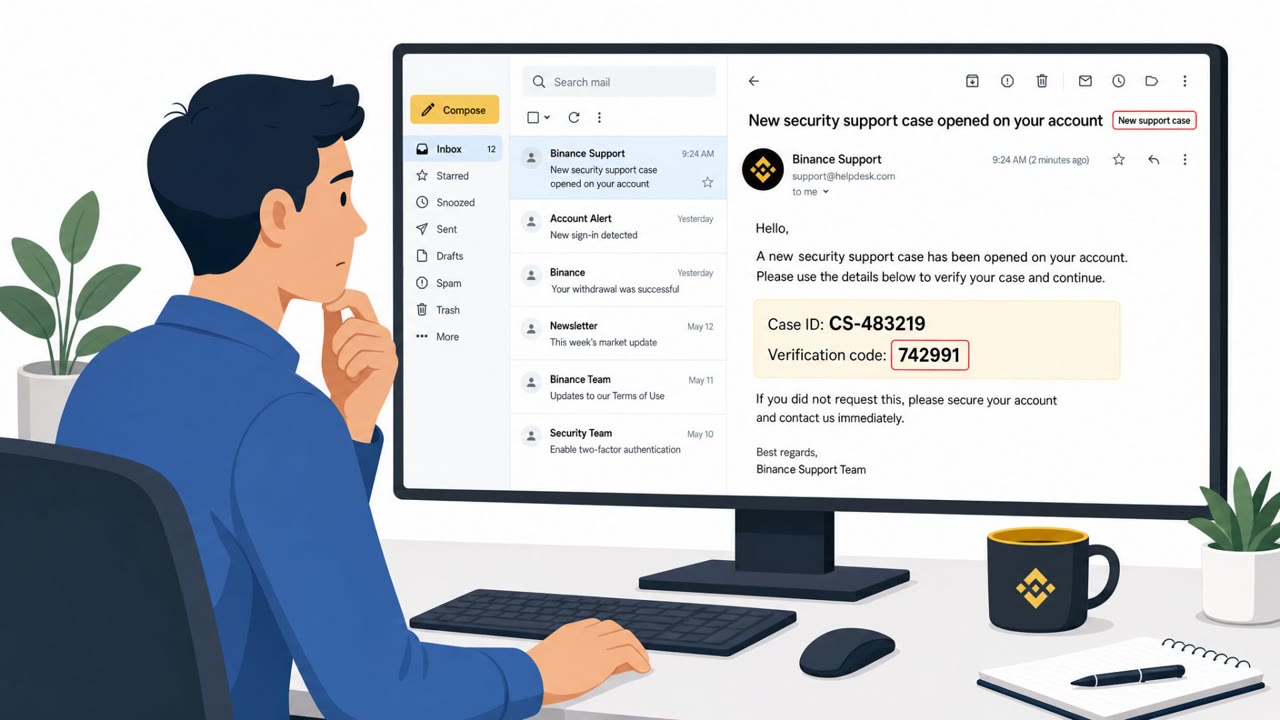
- A follow-up email impersonating the Metropolitan Police attempted to intimidate the target into compliance.
Who’s being targeted
- Commonly targeted roles: Executives, Finance, General staff, Anyone who uses cryptocurrency wallets.
- Affected industries: Consumers / individuals, Cryptocurrency users, Financial services (crypto wallets and exchanges).
- Attack channels: vishing, email.
- Impersonated: Crime Stoppers detective (law enforcement), Metropolitan Police.
Awareness takeaways
- Treat unexpected ‘law enforcement’ calls as untrusted, hang up and verify via official channels you look up yourself.
- Never share wallet recovery phrases (seed words) with anyone, any request for them is almost certainly theft.
- Be suspicious when a caller pivots to money/assets questions; that’s often the true motive of the scam.
- Validate alarming emails by checking technical indicators (like headers) and by confirming with the supposed sender through trusted contact methods.
Red flags to watch for
- Unexpected call using authority (“detective”) to create urgency and compliance
- Probing questions about assets (“how much cryptocurrency”) unrelated to a legitimate investigation
- Requesting or steering toward disclosure of a secret recovery phrase (equivalent to the keys to the wallet)
- Threatening language implying punishment for non-compliance
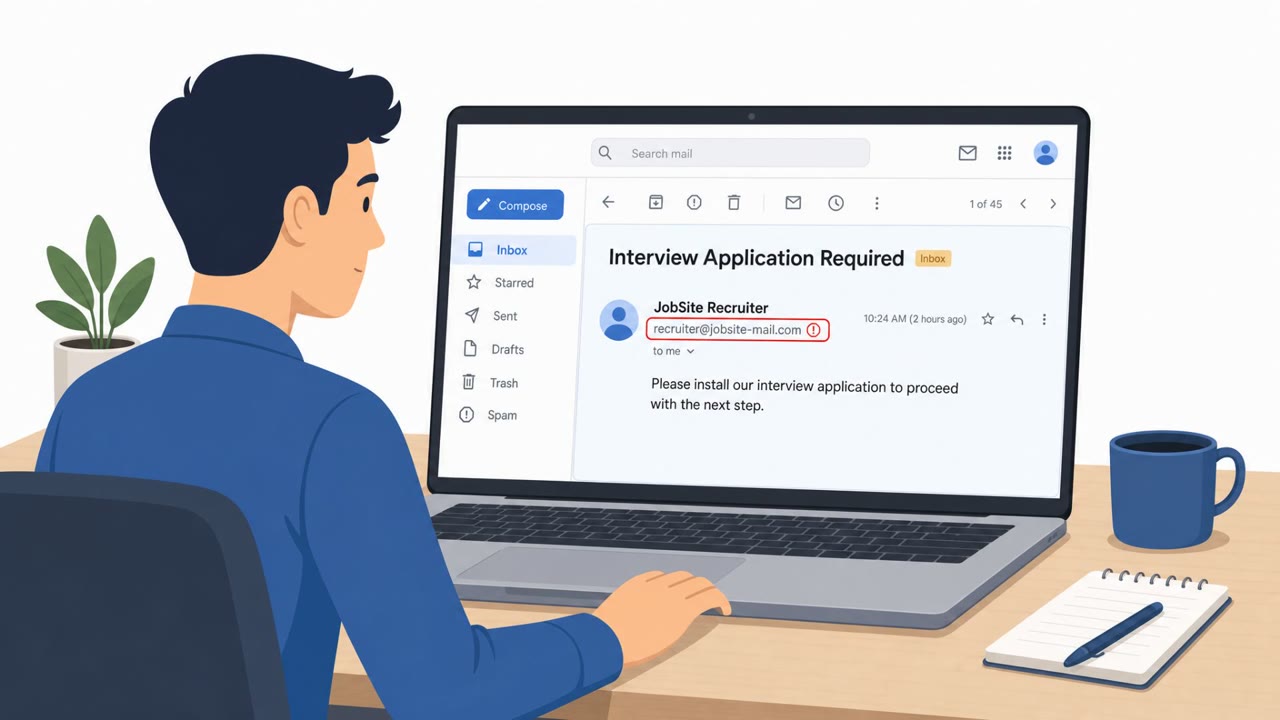
- Mismatch between caller identity (Crime Stoppers) and email sender (Metropolitan Police)
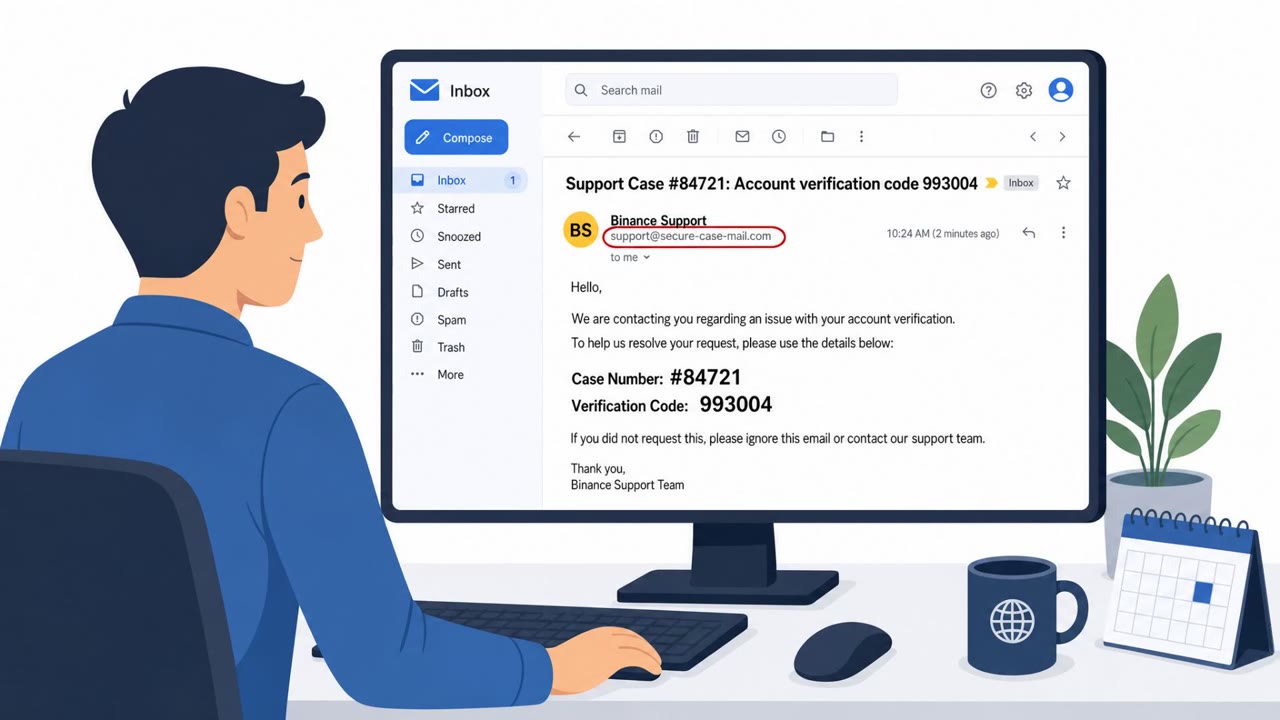
- Signs of email spoofing visible in headers
Read the video transcript
Your phone rings. Caller ID says Crime Stoppers, 0800 555 111. A calm voice: “Hello, this is Detective David Pullen.” He sounds legit, knows your phone and email, says he’s on a cybercrime case. Then he pivots: do you have a Trezor wallet, how much crypto, do criminals have your 24-word seed key? Later, an email shows up, claiming to be the Metropolitan Police, hinting you could face action if you don’t cooperate. The headers tell the truth: it’s forged, from somewhere else. Here’s the rule: if anyone on a call or email asks for your 24-word recovery phrase, hang up, ignore the email, and contact the organisation using a number or website you look up yourself.