
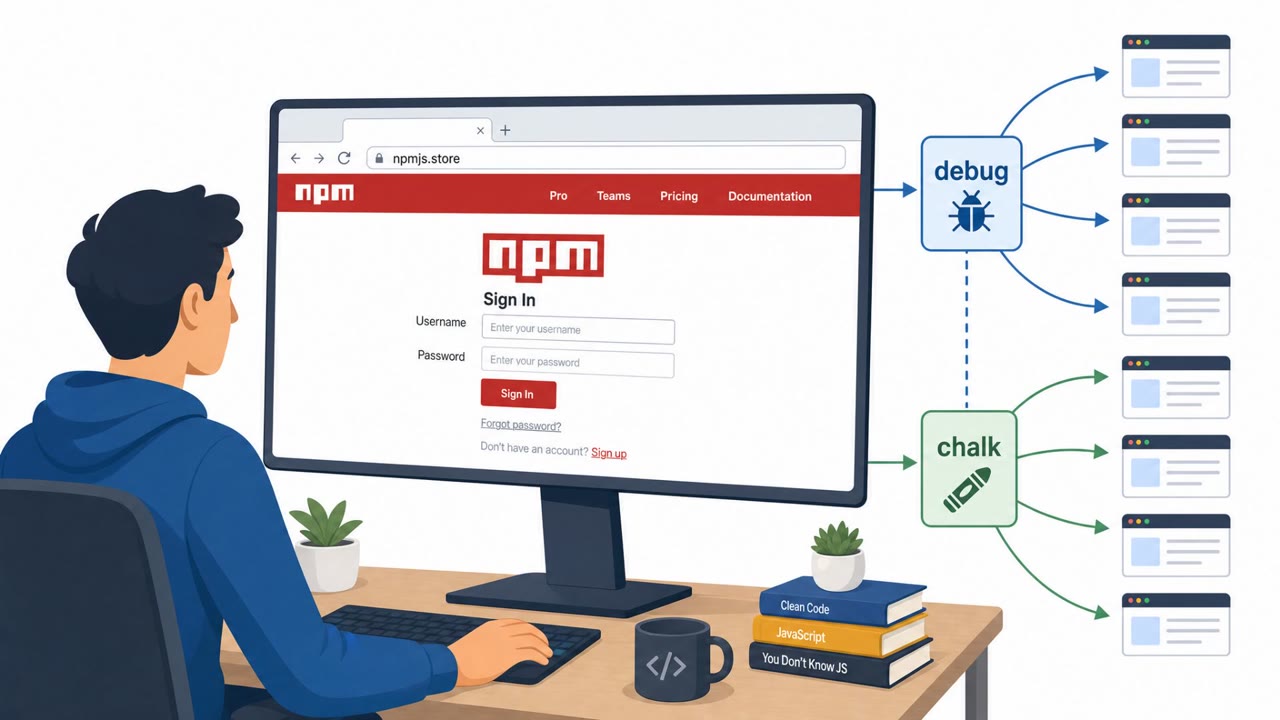
Phished npm Maintainer Led to Debug/Chalk Hijack
Amazon says North Korea-linked actors compromised widely used npm packages (including debug and chalk) by tricking a trusted maintainer into signing in through…
July 30, 2026
Researchers found 148 npm packages that weren’t meant for developers to install, instead they hosted “student proxy” websites that looked like tutoring pages. Students visiting the sites to bypass school filters unknowingly ran code in their browser that could be switched on to flood targets (including a nursing school domain) and overload proxy infrastructure via mass WebSocket connections.
Attackers used 148 npm packages not as software for developers to install, but as free hosting for proxy websites disguised as tutoring pages, branded Riverbend Tutoring and Northstar Tutoring under a product name called Lucide. Students trying to get around school web filters visited these pages expecting a simple proxy to reach games or blocked sites. On the surface the proxy worked as advertised. Underneath, the page loaded a remote script loader pulled from a GitHub repository through the jsDelivr CDN, pointed at a mutable branch rather than a pinned commit, with no integrity check. That meant whoever controlled the GitHub account could change what ran in every visitor's browser at any time, without updating any package.
The attack succeeded because it exploited a blind spot in typical defenses. Dependency scanners and install-time sandboxes are designed to inspect code that runs when a package is installed. This code was never installed. It ran entirely as a web app in the browser once a student opened the page, so it bypassed the tooling most organizations rely on for supply chain protection. The mismatch between a page's stated purpose, tutoring, and its actual function, a filter-bypass proxy, also made it easy for students to overlook the risk. Because the payload was swappable at will, researchers observed at least two distinct behaviors: an HTTP flood sending large POST requests roughly every 500 milliseconds, and a module that opened many WebSocket connections to stress proxy infrastructure.
Organizations and individuals can reduce exposure with a few concrete steps. Treat any free proxy or unblocker site as high risk, even when it is dressed up as a tutoring or homework help resource, and avoid using such sites on school or corporate networks. Network administrators should block known proxy and script-hosting domains tied to this campaign at the DNS level, since school and corporate networks generate the most traffic for these proxies. Anyone who has already visited one of these sites should clear browser cache and local storage and unregister any service worker left behind. Finally, recognize that malicious code does not need to be installed to run: a hosted web app can use a visitor's own browser as the execution environment, which is a gap that install-time scanning alone will not close.
Mirage safely runs attacks like this one against your own team, so you find out what happens before a real adversary does.
Sites branded as Riverbend Tutoring or Northstar Tutoring actually hosted a proxy app called Lucide that let students bypass school filters, while secretly loading a remote script that could launch HTTP floods or open mass WebSocket connections against targets.
The malicious code never ran at npm install time. It was hosted as a web app that executed in the visitor's browser, so install-time scanners and sandboxes were never triggered.
Block the campaign's known proxy and script-hosting domains at the DNS level on school and corporate networks, since these environments generate the most proxy traffic.
Clear the browser cache and local storage and unregister any service worker left behind by the tutoring or proxy domain to remove persistence.
There’s a “Lucide” student proxy site dressed up as Riverbend or Northstar Tutoring that can secretly turn your browser into a DDoS cannon. Researchers found 148 npm packages used as free hosting for these Lucide proxy pages. Anyone who opened them quietly joined a swarm hammering sites like cdn.caan.edu and overloading Wisp proxy servers with WebSocket CONNECT and CLOSE floods. Here’s the nasty part: the page pulls JavaScript from a mutable GitHub main branch via jsDelivr, no integrity check. Whoever owns that repo can swap in new payloads later, and your browser just runs it with full site privileges. If you ever opened a Lucide-style tutoring proxy, close it, then clear your browser cache and local storage and remove any service workers from that domain so your browser leaves the swarm.
Amazon says North Korea-linked actors compromised widely used npm packages (including debug and chalk) by tricking a trusted maintainer into signing in through…

Researchers observed insurance-themed phishing that doesn’t just steal passwords, it hijacks accounts in real time while the victim is actively logging in. The…

Researchers found an exposed malware delivery server that contained phishing lures, testing notes, and live delivery logs for an active campaign. The live…
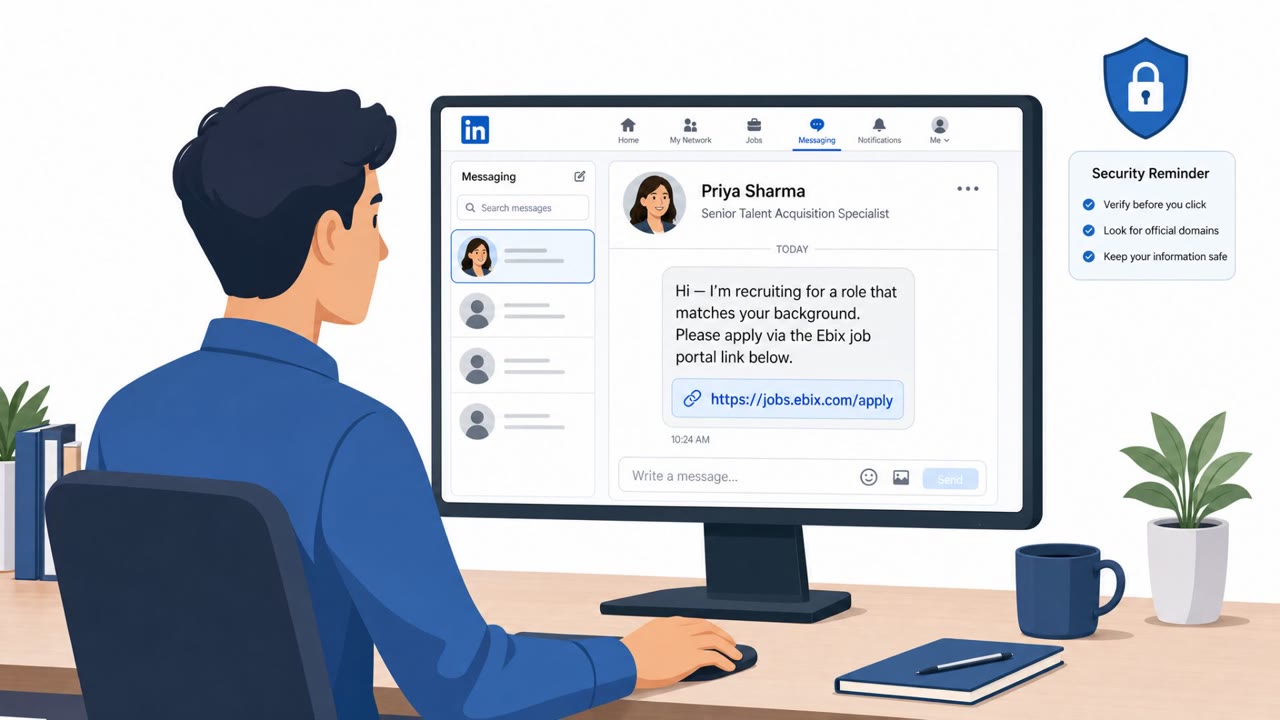
This threat trend report describes multiple real-world APT campaigns that rely on social engineering (job offers, fake recruiters, code reviews, and…
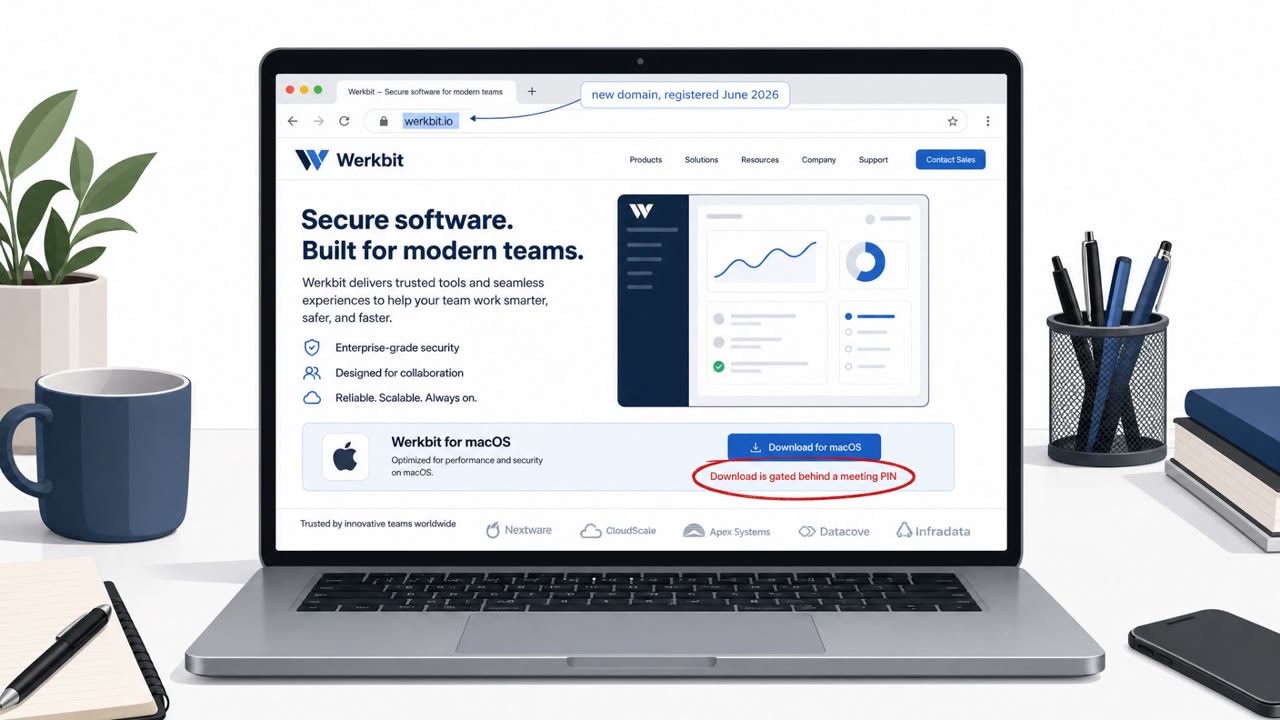
Researchers found a macOS info‑stealing malware, CrashStealer, delivered through a signed and Apple‑notarized installer so it looks legitimate and passes…
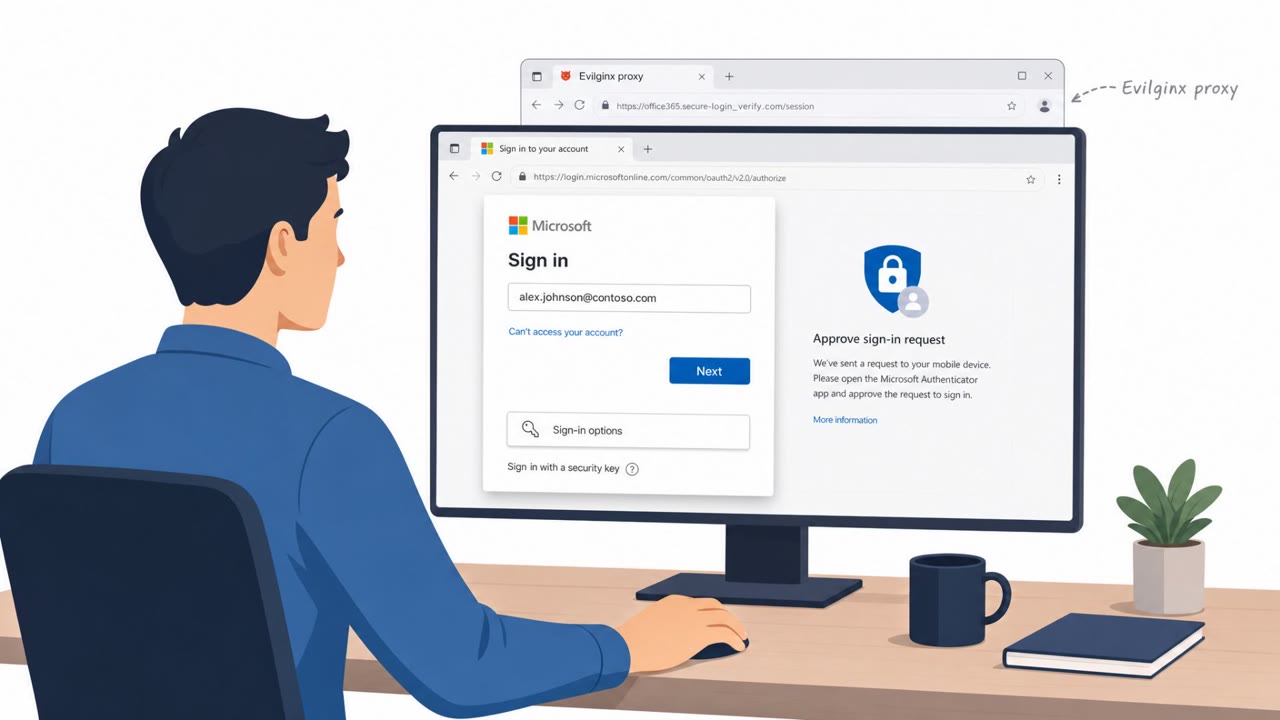
Researchers found a live Microsoft 365 phishing server accidentally left open with directory listing enabled, exposing phishing configs, stolen credential…