Italy’s privacy regulator fined telecom operator WINDTRE €1.7M after two breaches where attackers used social engineering, posing as support technicians, to persuade store staff to grant system access. The intruders then pulled personal data for over 365,000 customers, including payment-related details for more than 41,000 people.
How the attack worked
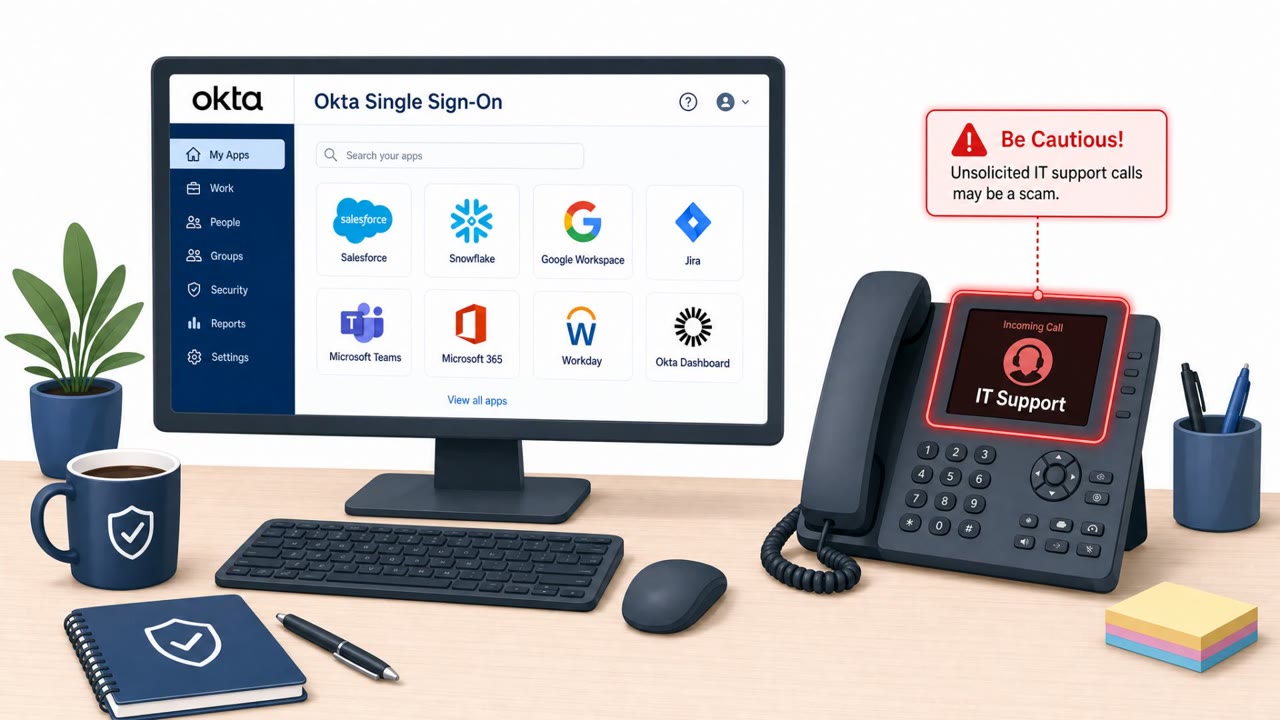
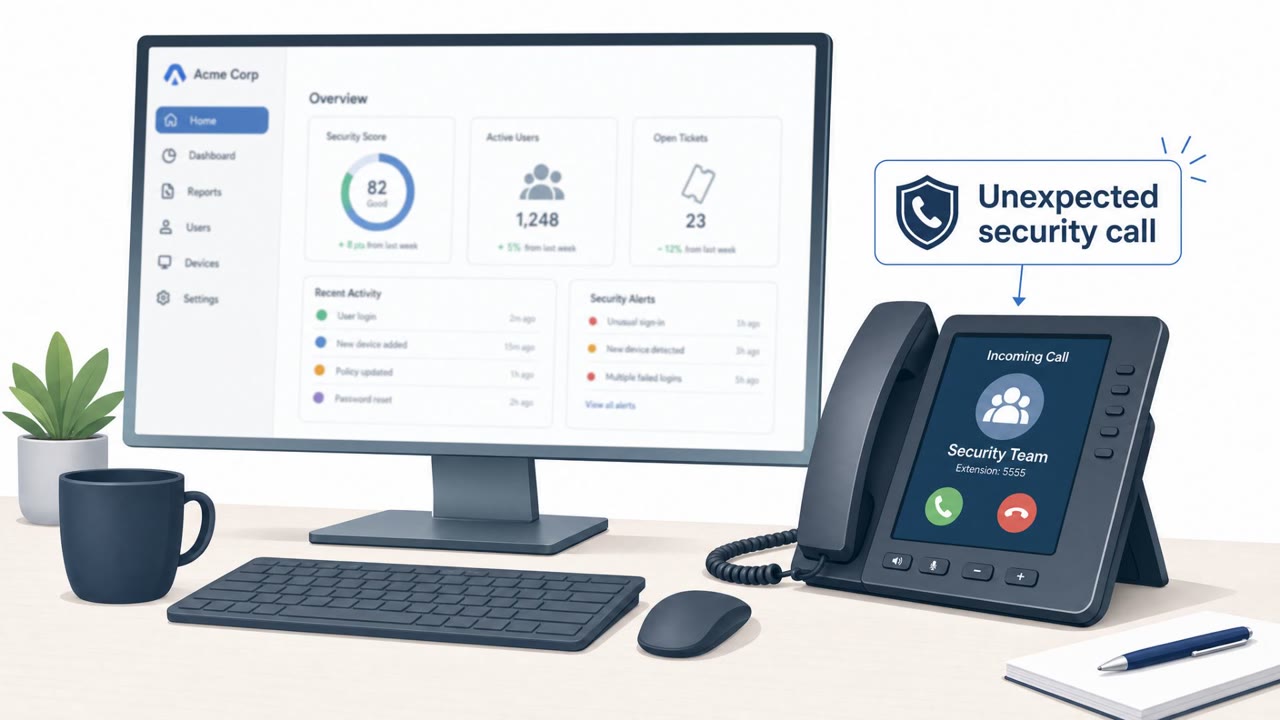
This incident did not involve malware or a software exploit. Instead, attackers impersonated support technicians and approached staff at two WINDTRE retail stores in person. By presenting themselves as authorized support personnel needing to resolve a system issue, they convinced employees to grant them access to internal company systems. Once inside, they were able to pull customer names and contact details, and in a substantial subset of cases, payment-related information.
Why it succeeded
The core weakness exploited here was trust in an unverified identity claim. Store staff had no reliable way, or no established process, to confirm that the person requesting access was actually an authorized technician. There was no mention of a ticket number, callback verification, or manager sign-off before access was granted. Italy's privacy regulator also pointed to underlying weaknesses in credential and certificate management, along with gaps in internal API protection, such as missing rate limiting or CAPTCHA on certain internal endpoints, that allowed the access to translate into a large-scale data pull once obtained.
What to watch for
- A visitor or caller claiming to be internal support staff who asks for system access without a verifiable ticket or reference number
- Pressure to act quickly, bypassing normal approval steps or manager sign-off
- Requests framed as routine maintenance or troubleshooting that actually require elevated access
- Any request to bypass standard identity verification procedures, even from someone who appears confident and knowledgeable
These red flags apply broadly to retail store staff, customer service and contact center employees, IT support and helpdesk teams, and store or area managers, all of whom may be approached with a similar pretext.
How to build resistance
Organizations, particularly in telecommunications and retail environments with distributed store locations, can reduce exposure to this style of attack by:
- Requiring identity and ticket-number verification for any in-person or remote request for system access, regardless of how credible the requester appears
- Training frontline and store staff explicitly on social engineering as a primary intrusion method, not just as a secondary risk behind software vulnerabilities
- Limiting who can access sensitive customer data, especially payment-related information like IBANs and card details, and monitoring for unusual access patterns
- Reviewing internal API protections, including rate limiting and CAPTCHA controls, to reduce the impact if unauthorized access is obtained
The WINDTRE case shows that a single successful impersonation at the store level can lead to data exposure affecting hundreds of thousands of customers, underscoring why frontline verification habits matter as much as technical defenses.
Key findings
- Attackers used “old-school social engineering” rather than software exploits to gain access.
- They impersonated support technicians and convinced staff at two WINDTRE stores to grant access to company systems.
- Customer data for more than 365,000 customers was exfiltrated; for 41,359 customers this included payment-related data (e.g., IBAN, partially masked card numbers, expiry dates).
- The regulator cited weaknesses in credential/certificate management and gaps in internal API protection (e.g., missing rate limiting/CAPTCHA on certain internal endpoints).
- WINDTRE argued the incidents were due to human error, but the regulator rejected that defense and imposed corrective security measures.
Who’s being targeted
- Commonly targeted roles: Retail store staff, Customer service/contact center, IT support/helpdesk, Store managers/area managers.
- Affected industries: Telecommunications, Retail (telecom stores/franchise locations).
- Attack channels: physical.
- Impersonated: Company support technician (internal/authorized support).
Red flags to watch for
- Unverified “support technician” identity and no ticket/reference number
- Pressure to grant access quickly without manager approval
- Request to bypass normal access procedures
Frequently asked questions
How did attackers breach WINDTRE store systems?
They posed as support technicians and convinced staff at two WINDTRE stores to grant them access to company systems, without exploiting any software vulnerabilities.
What data was exposed in the WINDTRE breaches?
Personal data for more than 365,000 customers was exfiltrated, and for 41,359 of those customers the stolen data included payment-related details such as IBAN numbers, partially masked card numbers, and card expiry dates.
Was this attack technically sophisticated?
No, the regulator noted the attackers relied on old-school social engineering rather than exploiting software vulnerabilities, though gaps in credential management and internal API protection also played a role.
What can organizations do to prevent similar incidents?
Require staff to verify any tech support request with identity checks and a ticket number before granting system access, and train frontline teams that social engineering alone can lead to a full intrusion.
Read the video transcript
WINDTRE got hit with a €1.7 million fine because staff trusted the wrong “support technician.” Attackers just walked into two stores, said, “Hi, I’m a support technician, can you grant me access so I can fix an issue?” No hacking tools, just old-school social engineering. Staff granted access, and from there the intruders pulled data on over 365,000 customers, including IBANs and card details for more than 41,000 people. Your move: if anyone claims to be tech support, pause and verify their identity and ticket number through our official helpdesk before you grant a single click of access.