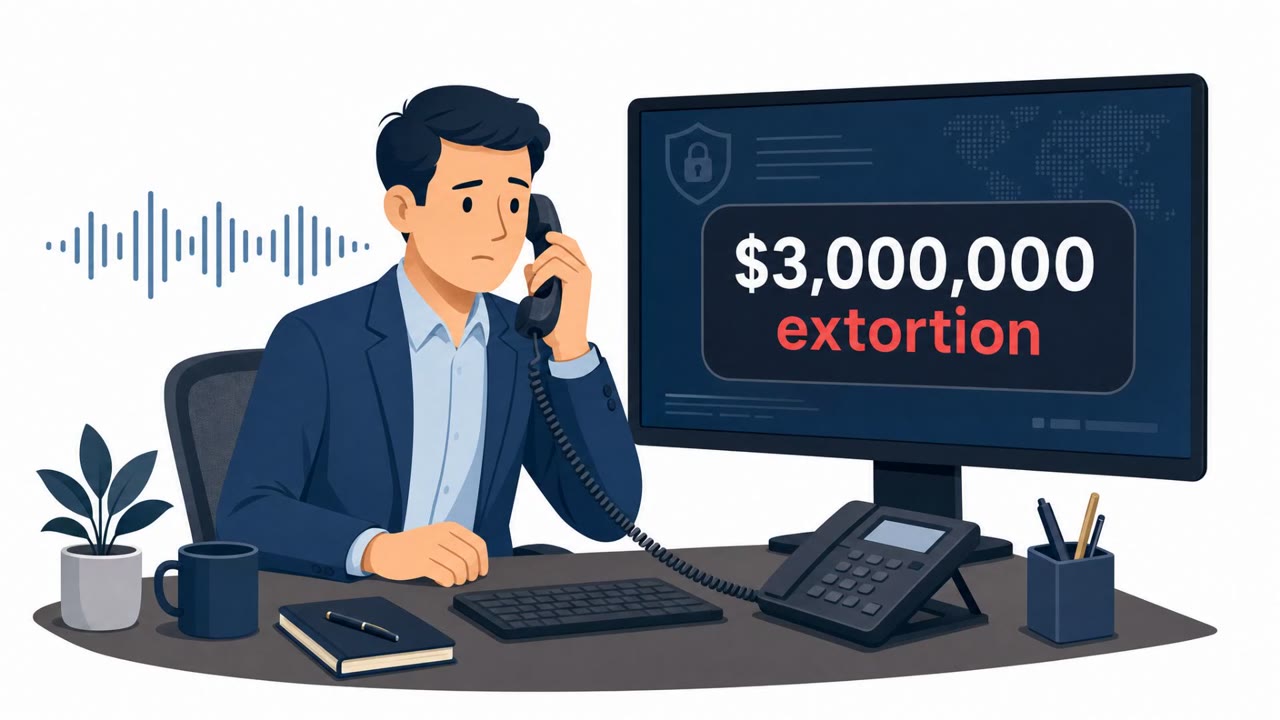
The FBI says scammers posing as law enforcement or government officials stole over $1.6B since January 2025, mainly by calling victims and threatening arrest, fines, or legal trouble unless they pay. Variants include jury-duty threats, targeted calls to medical professionals about license issues, and more elaborate video calls with fake uniforms and mock “government office” backdrops to intimidate victims into paying.
How the Scam Works
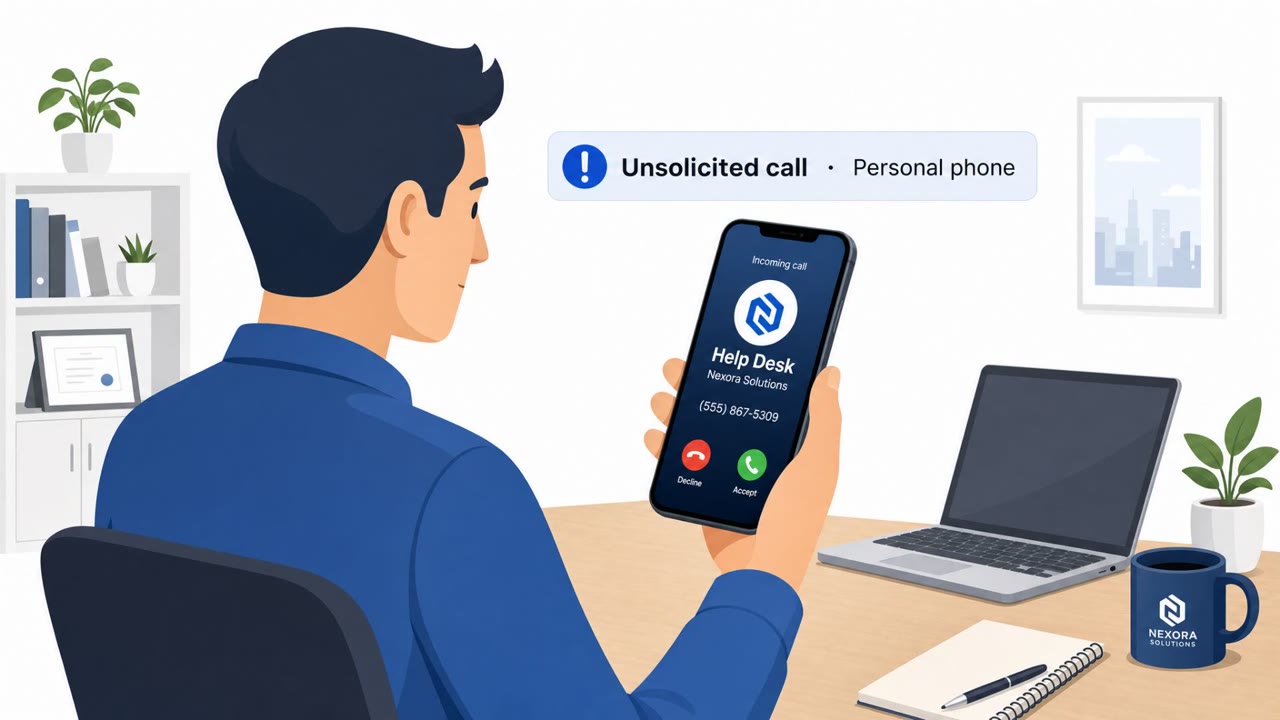
According to the FBI, impersonation scams involving fake law enforcement or government officials have cost victims more than $1.6B between January 2025 and July 2026, spanning around 61,000 complaints. The most common approach is an unsolicited phone call in which the caller claims the victim has committed or is connected to a crime, and that charges have been filed against them. The caller threatens arrest or prison time unless the victim pays a sum of money to make the charges disappear.
Variants build on this basic structure. One version threatens a fine or arrest tied to a fake jury-duty or court-date notice. Another targets specific professions, such as medical practitioners, claiming their license is expiring or was used in the commission of a crime, then demanding payment either to renew the license or to stop reputational damage. A more elaborate version targets ethnic communities and international students, impersonating foreign law enforcement or diplomatic officials and threatening to cancel a passport or pursue extradition. These calls sometimes escalate to video, with scammers wearing law enforcement uniforms or using staged sets designed to mimic real government offices.
Why These Calls Succeed
The scams work because they combine authority impersonation with urgency and fear. A threat of arrest, prison, license loss, or extradition creates enough panic that victims often act before verifying anything. In the targeted versions, scammers add credibility by referencing a victim's actual profession, which they research in advance, making the pretext feel personalized rather than generic. The use of uniforms and staged video backdrops in some cases adds a visual layer of legitimacy that can overcome skepticism, especially for people less familiar with how real government agencies operate.
Red Flags to Watch For
- An unsolicited call claiming you are tied to a crime or facing legal consequences
- Pressure to pay immediately to avoid arrest, prison, fines, license loss, or passport cancellation
- A demand for payment over the phone to resolve legal trouble or protect a reputation
- Calls that reference personal details like your profession to seem more credible
- Video calls featuring uniforms or office-like backdrops used to project authority
Building Resistance
The FBI has stated that neither it nor any other law enforcement agency will call someone and demand payment or request personal or sensitive information. Employees and individuals should treat any such call as suspicious and end the conversation rather than continue engaging. Anyone unsure should ask for the caller's credentials and independently verify their identity by calling the relevant office using publicly available contact information, not a number supplied by the caller. Organizations can reinforce this by reminding staff, especially those in healthcare, international student services, or frontline reception roles, that legitimate authorities do not resolve legal or licensing matters through urgent phone payment demands.
Key findings
- FBI reports impersonation scams cost victims more than $1.6B from Jan 2025 to Jul 2026, across ~61,000 complaints.
- The most common workflow is an unsolicited call claiming charges were filed and threatening arrest/prison unless the victim pays.
- A jury-duty/court-date variant threatens a fine or arrest unless payment is made.
- More targeted versions research the victim’s profession (e.g., medical practitioners) and claim their license is expiring or tied to a crime, demanding payment to renew it or to protect reputation.
- A more elaborate version targets ethnic communities and international students and may use video calls with fake uniforms and staged backdrops to mimic government facilities.
Who’s being targeted
- Commonly targeted roles: All employees, HR and People Ops (employee support for targeted individuals), Healthcare staff/medical professionals, International employees and international students, Front desk / reception (who may receive unsolicited calls).
- Affected industries: General public/consumers, Healthcare (medical practitioners), Higher education (international students).
- Attack channels: vishing.
- Impersonated: Law enforcement / government official, Medical licensing authority / law enforcement, Foreign law enforcement or foreign diplomatic officials.
Red flags to watch for
- Unsolicited call claiming you are tied to a crime
- Pressure and threats of arrest/prison to force immediate payment
- Demand for money to make legal trouble ‘go away’
- Unexpected urgent claim about professional license status
- Payment demanded over the phone tied to threats/extortion
- Authority claim not verified through official, independently found contact details
- Threats of immigration/passport consequences tied to immediate payment
- Use of intimidating visuals (uniforms, staged 'offices') to create false authority
- No written case information provided through official channels
Frequently asked questions
How much money have fake law enforcement scams cost victims?
The FBI reports these impersonation scams cost victims more than $1.6B from January 2025 to July 2026, across roughly 61,000 complaints.
What is the most common version of this scam?
The most common workflow is an unsolicited call claiming charges were filed against the victim and threatening arrest or prison time unless a payment is made.
Why are medical professionals specifically targeted?
Scammers research a victim's profession and tailor calls to claim a medical license is expiring or was used in a crime, then demand payment to renew it or protect the target's reputation.
How can someone verify if a call from law enforcement is real?
Ask for credentials and independently verify the caller by contacting the relevant office using publicly available contact details, rather than a number the caller provides.
Read the video transcript
You get a call: “This is law enforcement. There are charges filed against you, pay now or face arrest.” This vishing scam has already cost victims over one point six billion dollars. They pretend to be cops, courts, even medical boards, and say you must pay to remove charges, fix a missed jury duty, or save your professional license. Some even switch to video, sitting in fake uniforms with a staged “government office” behind them, threatening prison, passport cancellation, or reputational damage if you don’t pay on the spot. Here’s the rule: if anyone claiming to be law enforcement or a government office demands money on a call, hang up and call the agency back using a number you look up yourself.