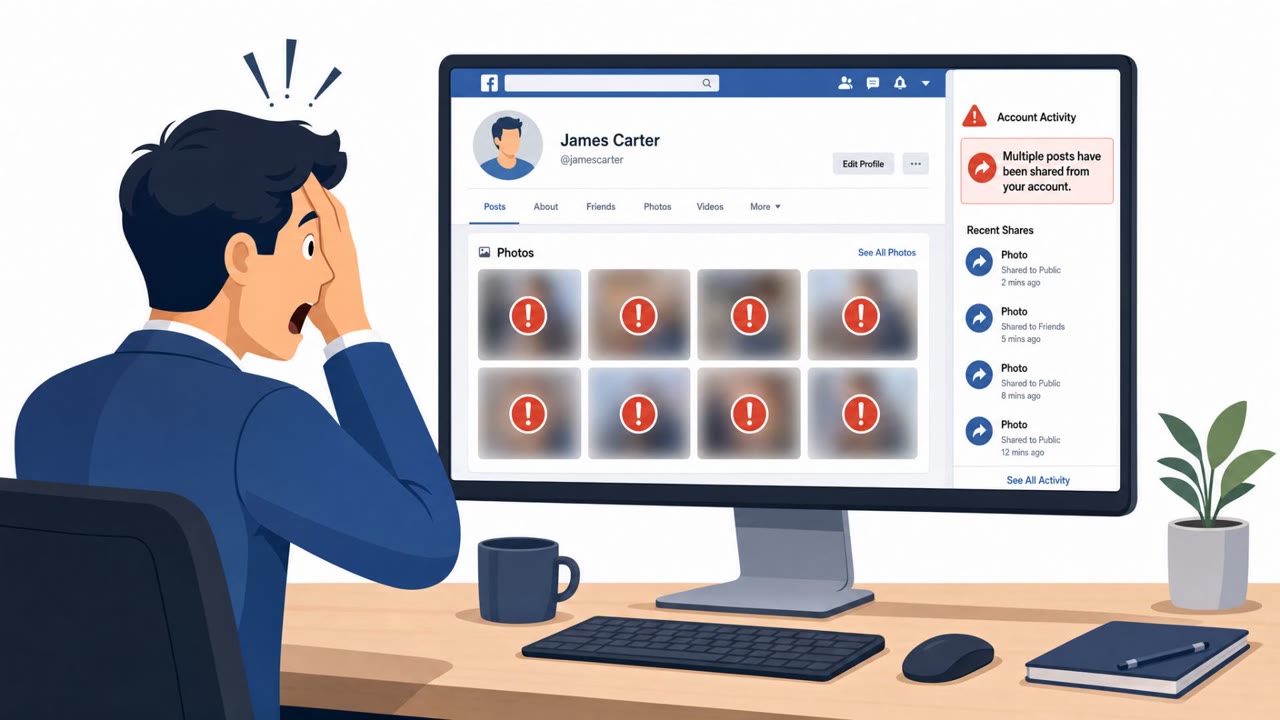
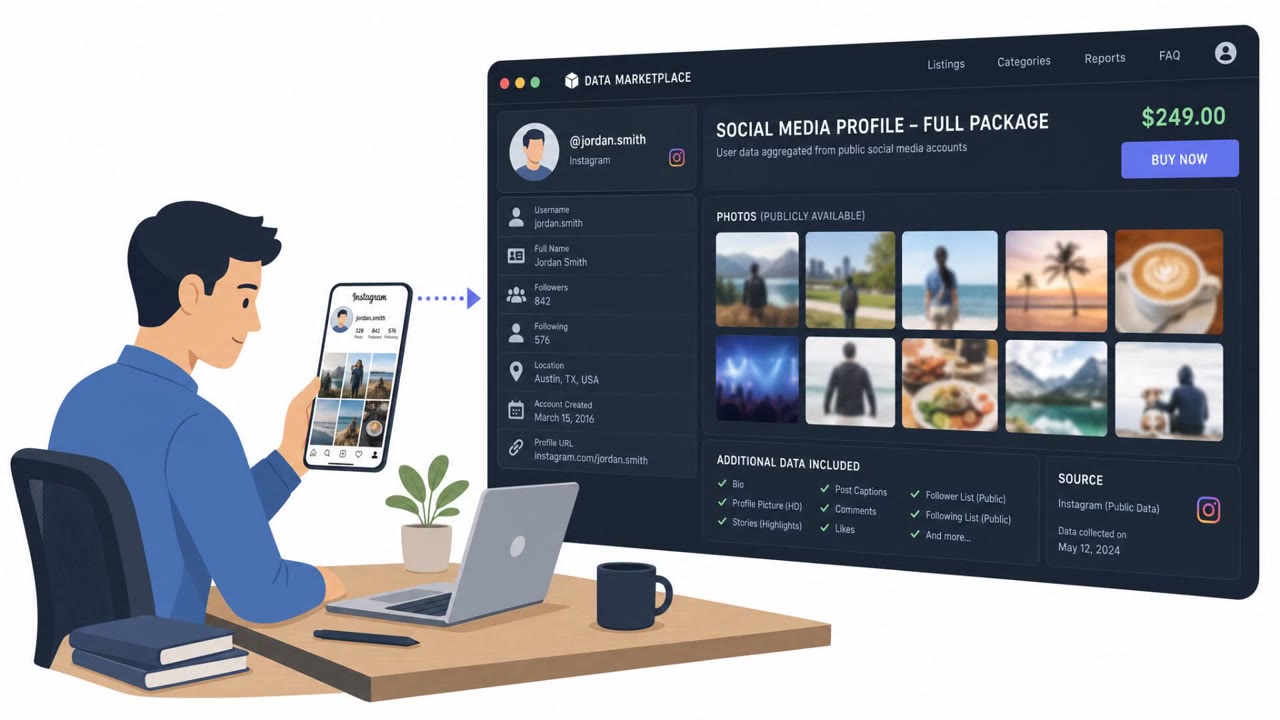
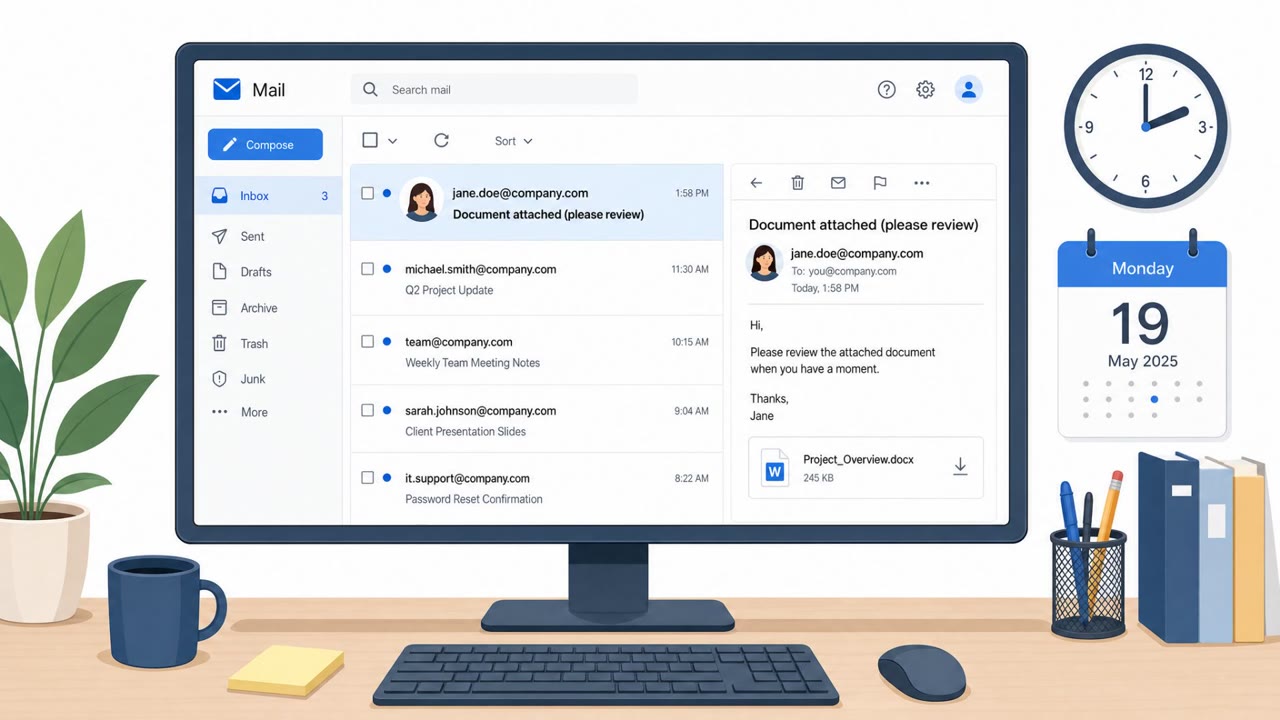
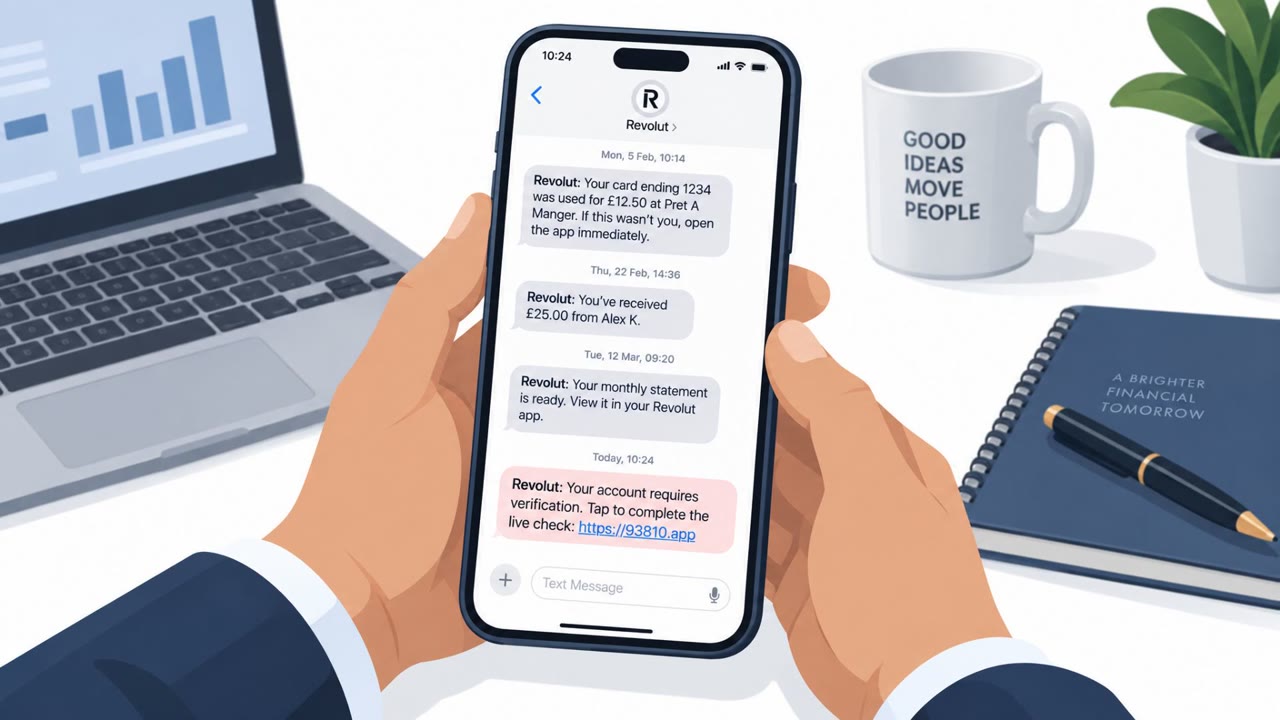
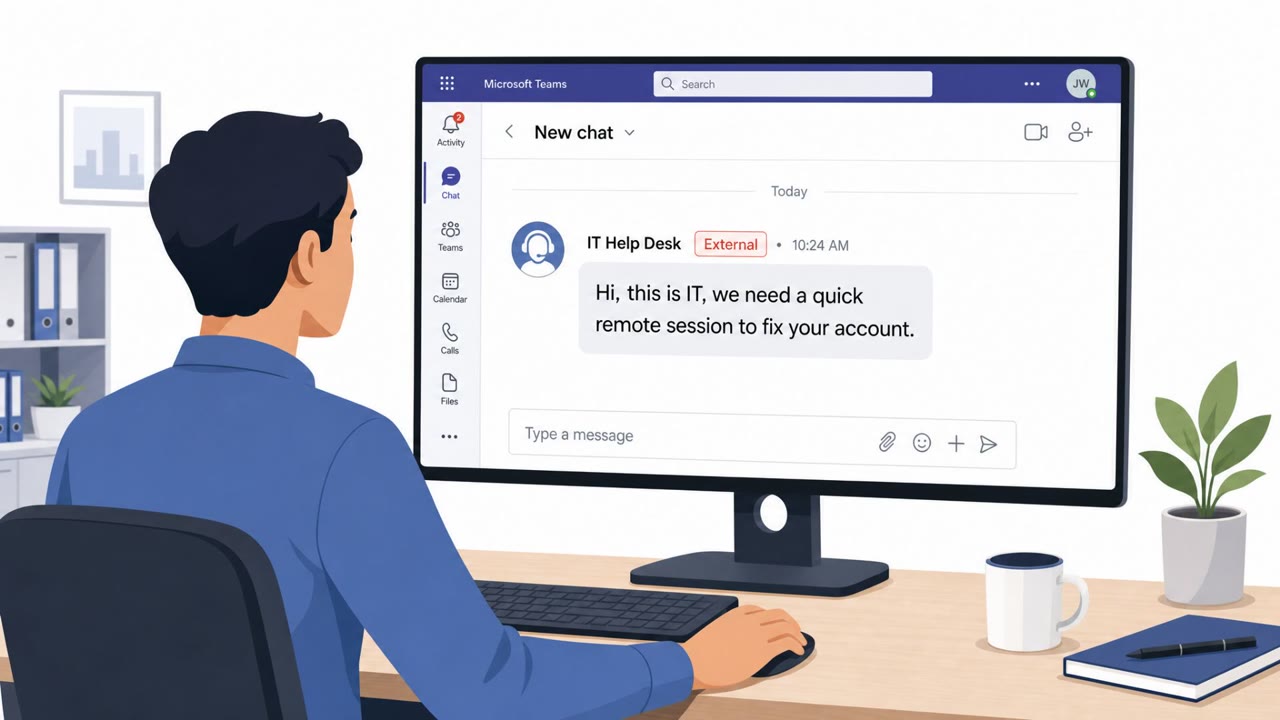
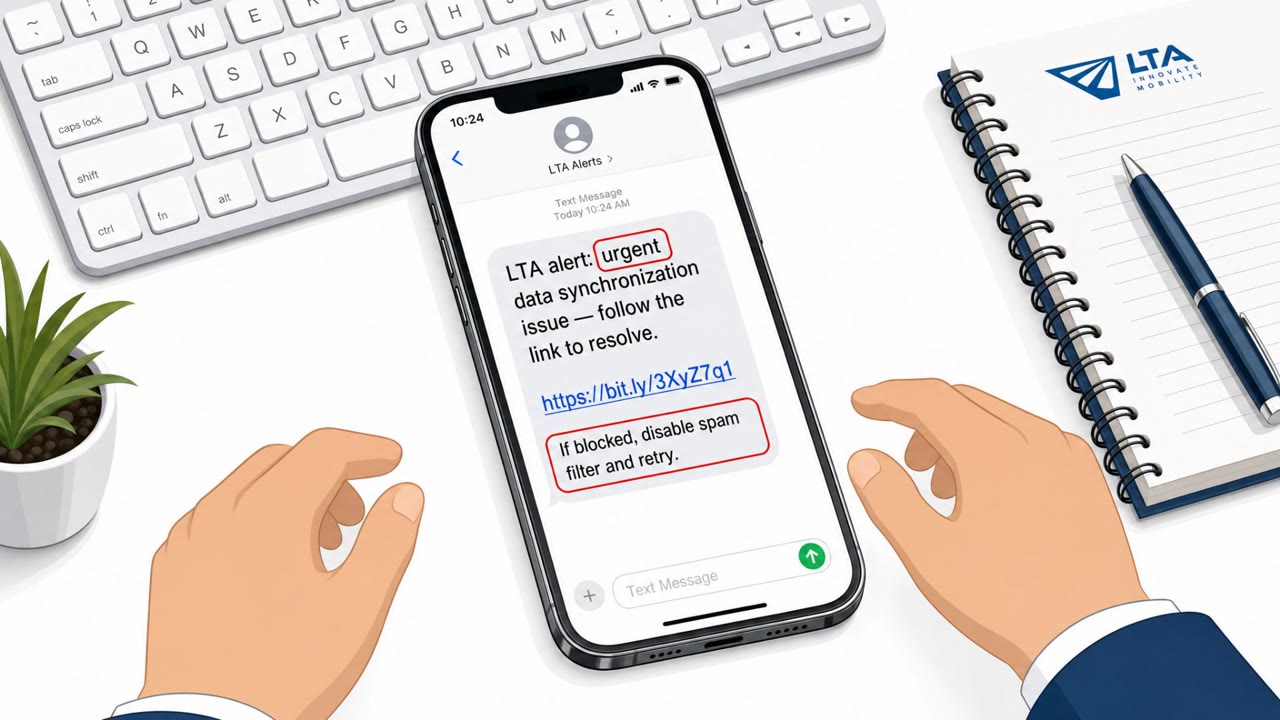
The FBI warns that criminals are breaking into social media and personal accounts to steal explicit images and sell or share them online, often with the victim’s personal details attached. The warning highlights specific tactics such as password guessing from breached data, fake “account will be locked” texts that trick victims into sharing verification codes, and phishing emails posing as platform support.
Key findings
- Attackers compromise social media/personal accounts to search for and steal explicit photos/videos, then sell/share them on criminal marketplaces.
- Stolen content is often packaged with personally identifiable information (name, DOB, email, phone, usernames), increasing risk of harassment, stalking, and sextortion.
- Access methods described include password/PIN guessing using breached and public info, smishing that tricks victims into sharing real password-reset verification codes, and phishing emails from look-alike domains.
- A cited real case involved fake Snapchat support texts sent to over 1,500 women, resulting in hundreds of compromised accounts and stolen images.
Who’s being targeted
- Commonly targeted roles: All employees, Executives, Communications/Marketing, HR.
- Affected industries: Individuals/Consumers, Social media users.
- Attack channels: smishing, email, website.
- Impersonated: Social media support/security team, Social media support (look-alike domain), Snapchat Support.
Awareness takeaways
- Never share verification codes (especially codes sent during password resets), even with someone claiming to be support.
- Treat “new login” alerts and password-change links with suspicion; navigate to the platform directly instead of clicking links in messages.
- Use unique, strong passphrases/PINs to reduce the impact of breached-password guessing.
- Enable multi-factor authentication and reduce online storage of sensitive images to limit damage if an account is compromised.
Red flags to watch for
- Urgent threat that your account will be locked/disabled
- Request to share a verification code (codes should never be shared)
- Message arrives while you didn’t request a password reset
- Sender domain is a look-alike (not the real platform domain)
- Unexpected 'new login' warning pushing you to click a link
- Link leads to a site asking for credentials
- Unsolicited support text claiming an account problem
- Push to 'verify' quickly via text rather than through the app/official site
- High-pressure language implying immediate loss of access
Read the video transcript
The FBI says criminals are hijacking Snapchat and other accounts just to steal private photos and sell them with your name and phone number attached. Here’s the trick: you get a text saying, 'Your Snapchat account will be locked unless you supply a verification code.' At the same time, Snapchat sends you a real password‑reset code. If you reply with that code, they reset your password and walk right into your account. Same play with email: 'Security alert: new login detected. Change your password using the link below.' The sender is a look‑alike domain, and the link opens a fake login page asking for your username and password. Your move: if any text or email asks for a verification code or wants you to click a password link, stop. Don’t reply, don’t click, go straight to the app or website yourself and check from there.