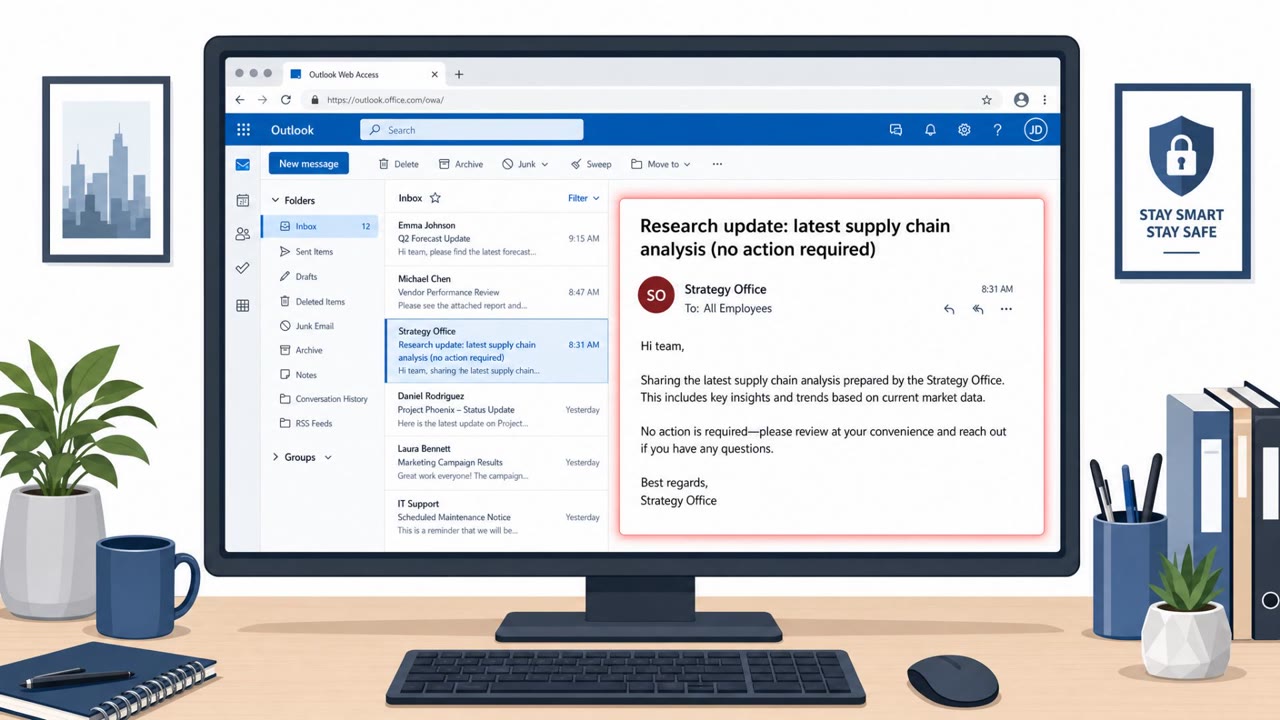
The article describes real cargo theft operations targeting high-value AI data center equipment, including cases where escort vehicles were deliberately disabled so shipments could disappear. It also explains a repeatable fraud workflow where criminals use phishing/social engineering to take over a trucking company’s email or impersonate legitimate carriers by abusing motor carrier numbers and falsified documents to pick up loads.
Key findings
- Criminals are targeting high-value AI data center shipments and, in two reported cases, used vehicle collisions to immobilize security escorts so the trucks could disappear.
- A common fraud method is to phish/social-engineer a trucking operator’s email, then use the compromised identity and registrations to accept loads and steal cargo.
- Another method described is impersonating legitimate carriers by using sold/abused motor carrier numbers and falsified documents to pick up shipments.
- Industry sources describe these as organized, sophisticated criminal operations, with daily scam attempts reported by one shipper.
Who’s being targeted
- Commonly targeted roles: Logistics, Shipping/Receiving, Transportation procurement, Warehouse operations, Carrier onboarding/vendor management, Security/Loss prevention.
- Affected industries: Transportation and logistics, Warehousing, Data centers / cloud infrastructure supply chain, Technology hardware manufacturing and distribution, Retail and high-value goods shipping.
- Attack channels: email.
- Impersonated: A legitimate truck owner-operator / motor carrier, A real trucking company (using its motor carrier number and documents).
Awareness takeaways
- Treat carrier identity as a security control: independently verify a carrier’s legitimacy using known-good contact methods and authoritative registration checks before releasing high-value loads.
- Train logistics/shipping teams to recognize and report phishing and suspicious email activity from carriers, because compromised carrier inboxes can be used to ‘legitimately’ book and steal loads.
- Add extra verification for high-value or high-demand cargo (AI hardware, networking gear): the article indicates criminals are selectively targeting these loads because of the payoff.
- Encourage a ‘stop and confirm’ culture when anything seems off, because even well-trained teams can get complacent and make mistakes that enable theft.
Red flags to watch for
- Carrier email behavior changes suddenly (tone, urgency, new contact details) even though the address looks legitimate
- Last-minute changes to pickup details or documentation
- Mismatch between the shipment’s value and the carrier’s normal profile
- Documentation looks official but was provided unexpectedly or with inconsistencies
- Carrier identity details (phone/email/contact) don’t match known-good records
- Recently transferred/sold registration identifiers used to establish legitimacy
Read the video transcript
AI servers worth millions vanish off a truck… and on paper, it looks like we released them to a totally legit carrier. Here’s the play: criminals phish a real trucking operator’s email, take over their inbox, then use that legit motor carrier registration to accept our load and drive off with AI gear. In other cases, they buy or abuse real motor carrier numbers and send polished onboarding emails with falsified documents. The only way this works is if we trust the identity on the screen. Watch for sudden tone changes, new phone numbers, or last‑minute pickup tweaks from a carrier you ‘know.’ And be extra suspicious when a small or new‑to-you carrier wants a massive AI data center load that’s way above their usual profile. Your move: before you release any high‑value load, stop and confirm the carrier’s identity using a phone number or portal you already trust, not the one in the latest email.