Recent Transportation and Logistics Cyber Attacks

Attacks on airlines, logistics providers, and shipping companies, where spoofed invoices and delivery pretexts are common lures. Each entry is broken down with an original video explainer, key findings, and the red flags your team should watch for. How we produce these.

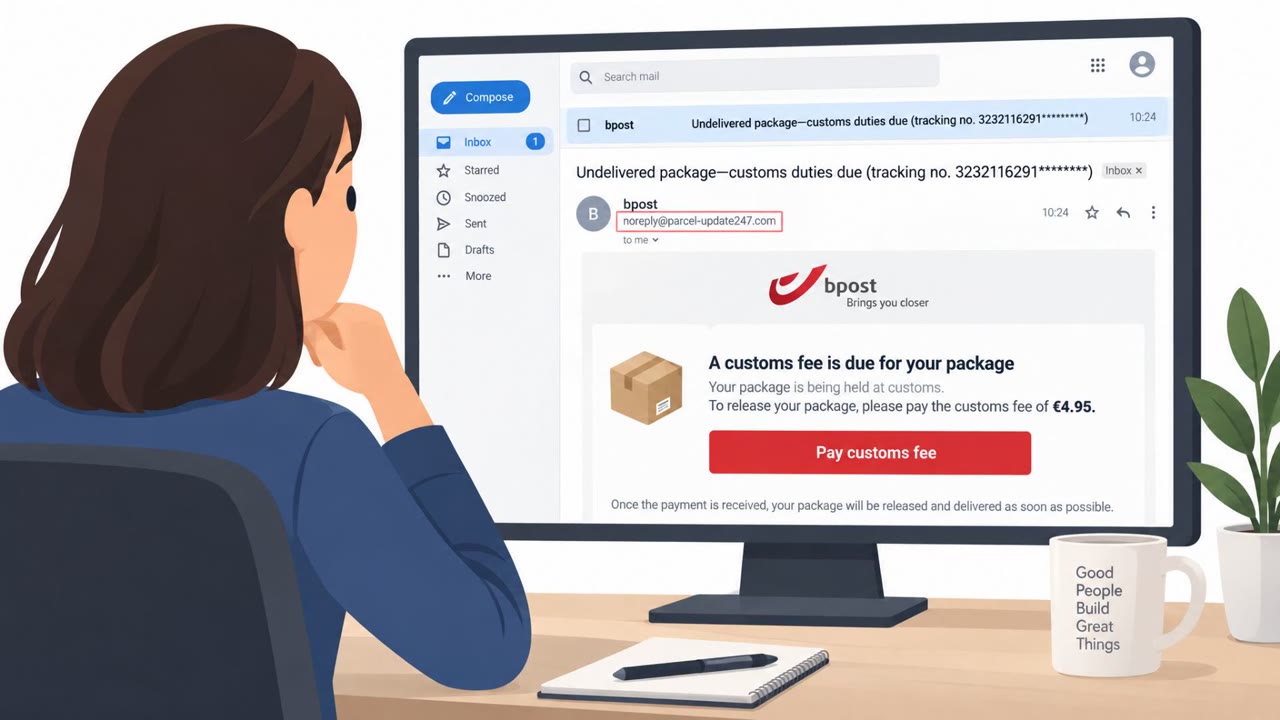
Fake bpost Customs Fee Scam Steals Bank Details

Fake bpost Customs Fee Scam Steals Bank Details

A real phishing campaign impersonated postal couriers (including Belgium’s bpost) to trick people into paying a small “customs fee” for an undelivered parcel. Victims were sent to a fake courier website that collected personal details, then escalated to stealing full card and banking (IBAN)…

September 18, 2026
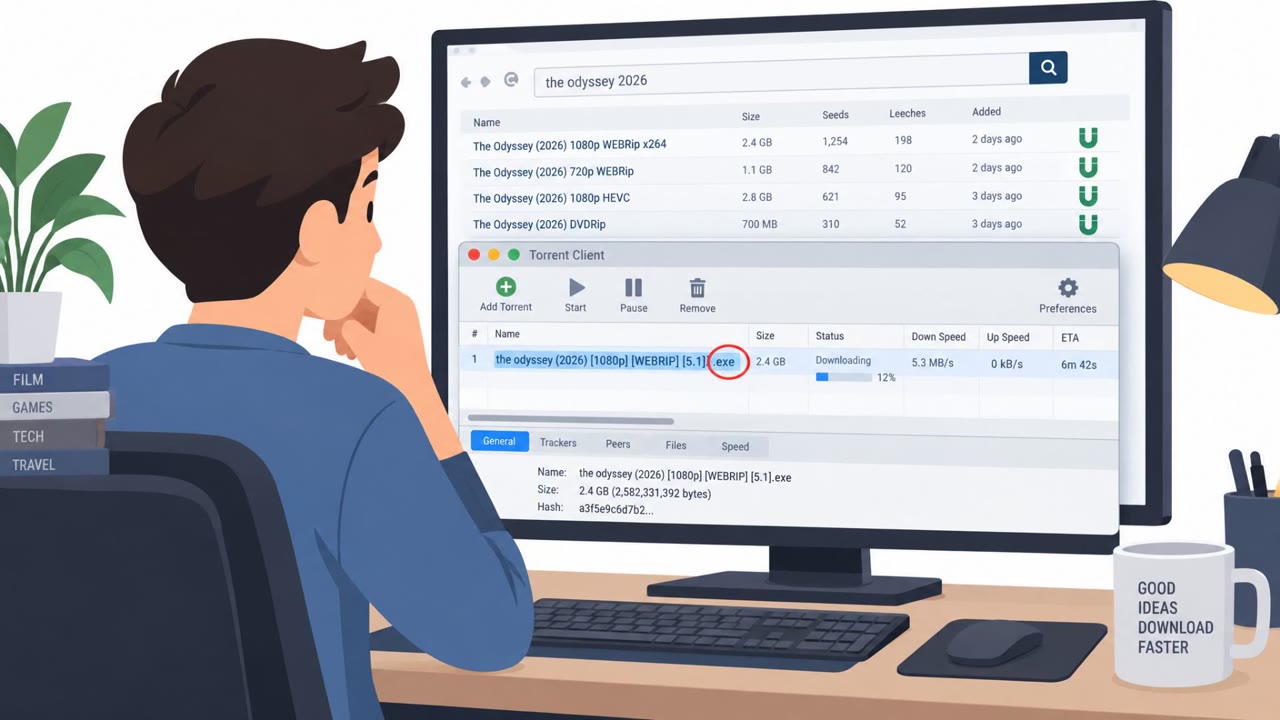
Fake Movie Torrent Drops MovieReaper Trojan

Fake Movie Torrent Drops MovieReaper Trojan

A real malware campaign dubbed “MovieReaper” infected users who tried to download popular movies from torrent trackers. Attackers abused a compromised public torrent-file repository so that magnet links returned a different torrent that downloaded a Windows .exe disguised as a movie file, which…

September 17, 2026
Russian Hackers Used AI to Evolve Phishing & Malware

Russian Hackers Used AI to Evolve Phishing & Malware

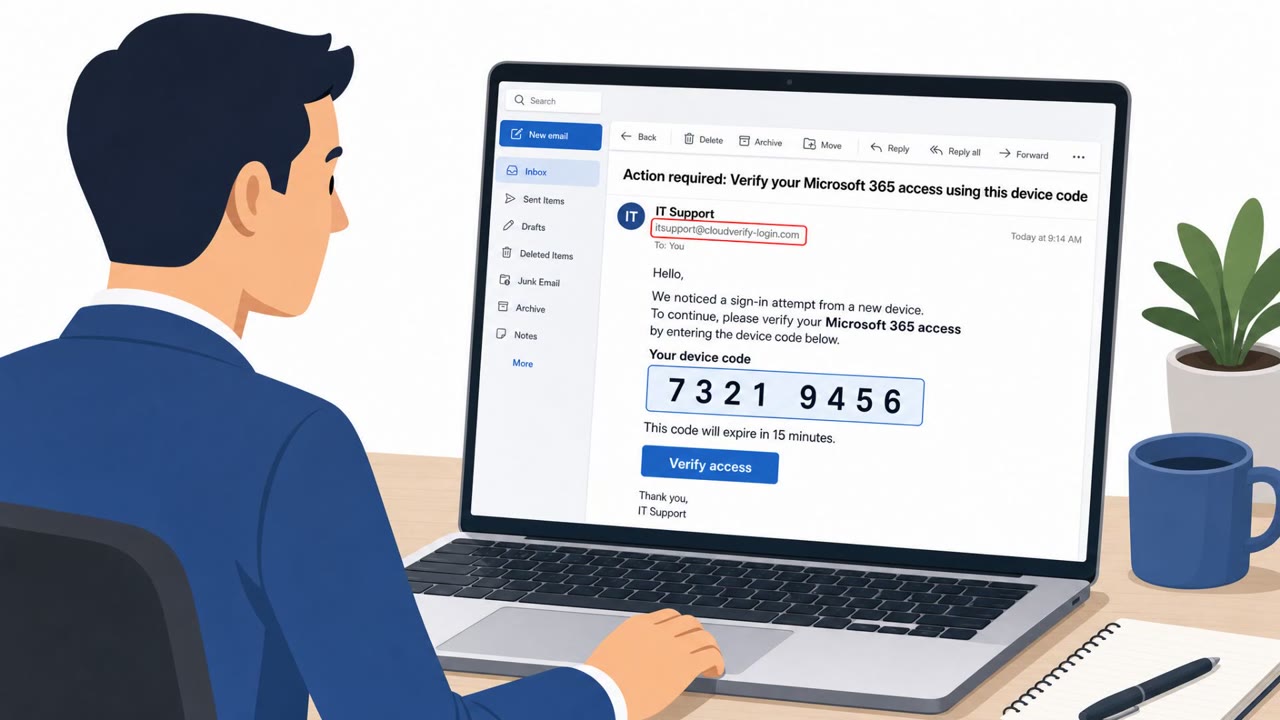
Anthropic says it disrupted a Russian state-linked campaign that used Claude to continuously rebuild malware when security tools detected it. The group (GTG-20006, linked to Midnight Blizzard/APT29) ran phishing and other human-targeted schemes, including device-code token theft against Microsoft…

September 11, 2026
Trezor Users Targeted by Phishing Calls & QR Letters

Trezor Users Targeted by Phishing Calls & QR Letters

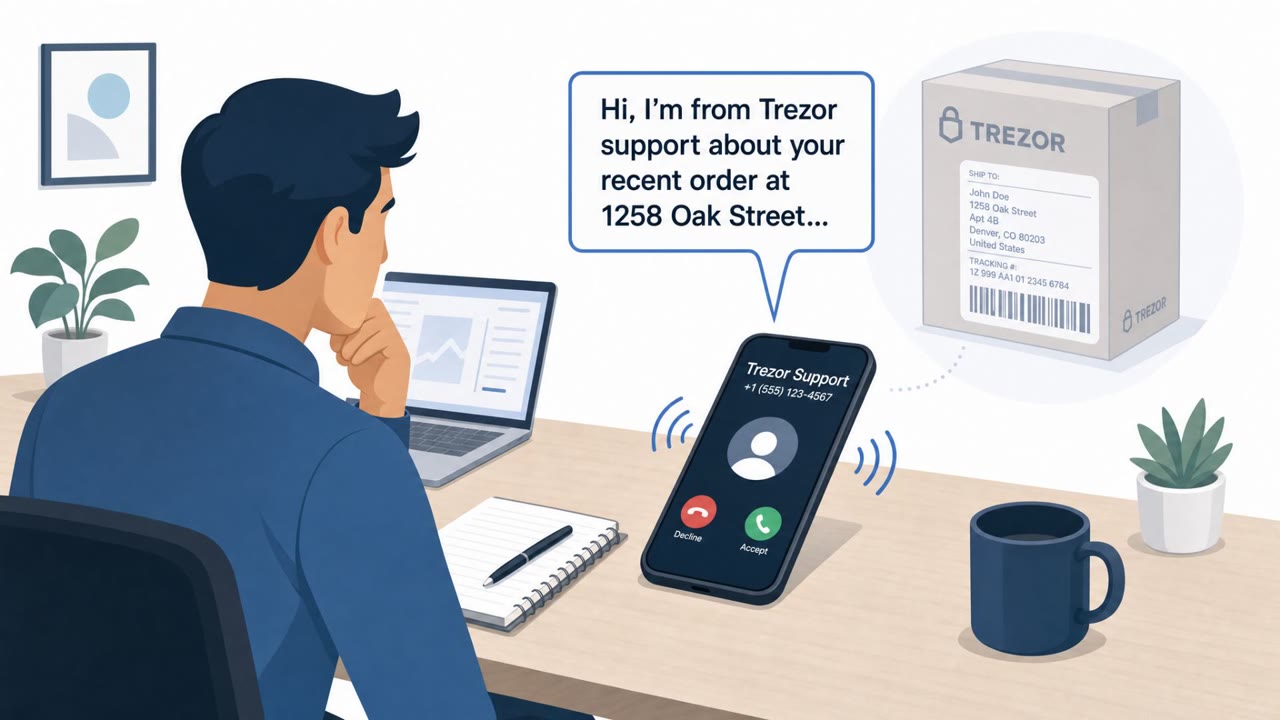
After a breach at shipping partner ShipMonk, attackers obtained Trezor customers’ contact and shipping details, increasing the risk of scams. Reports on Reddit indicate customers have already received phishing phone calls and physical letters containing QR-code phishing lures. Trezor warned…

September 8, 2026
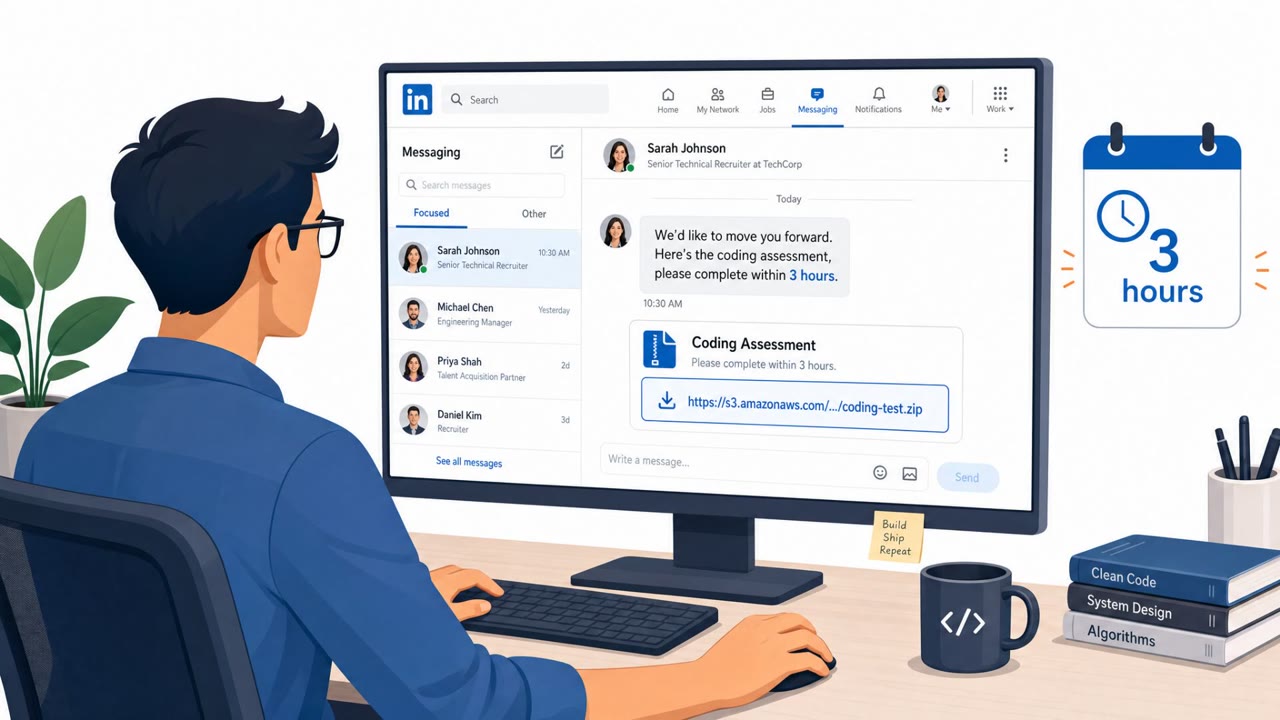
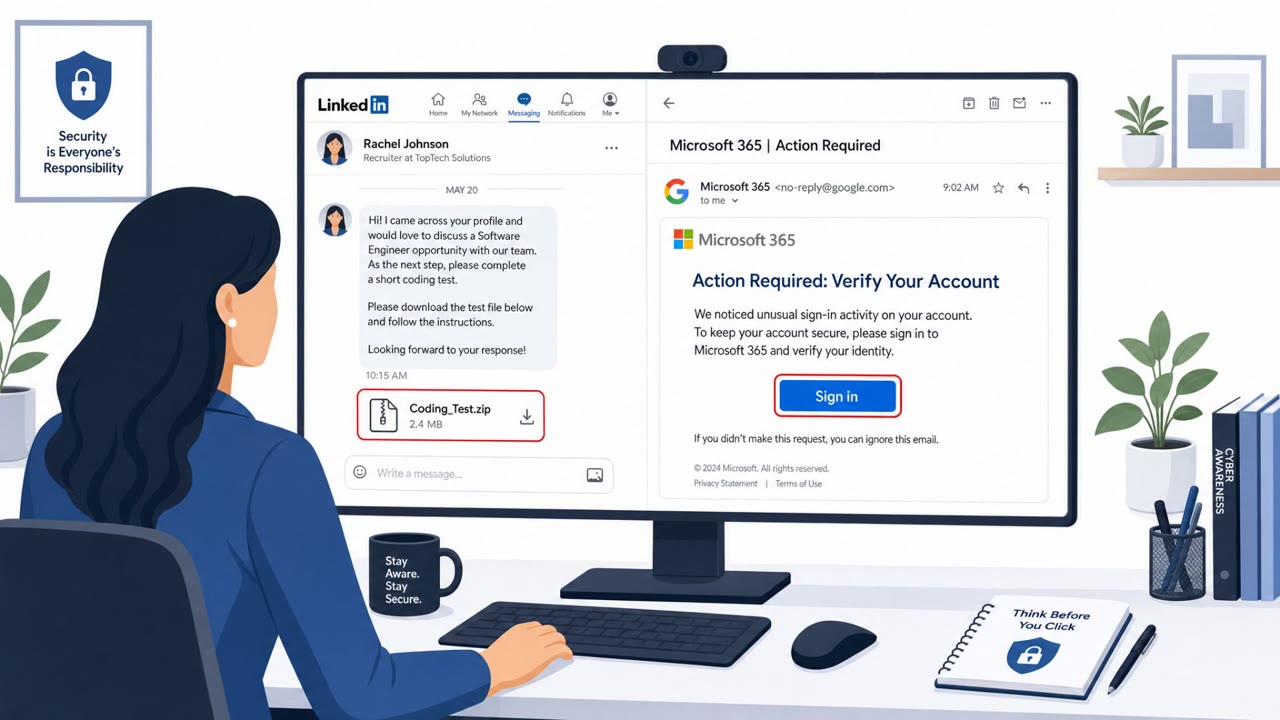
Fake LinkedIn Tests and Job Interviews Push Malware

Fake LinkedIn Tests and Job Interviews Push Malware

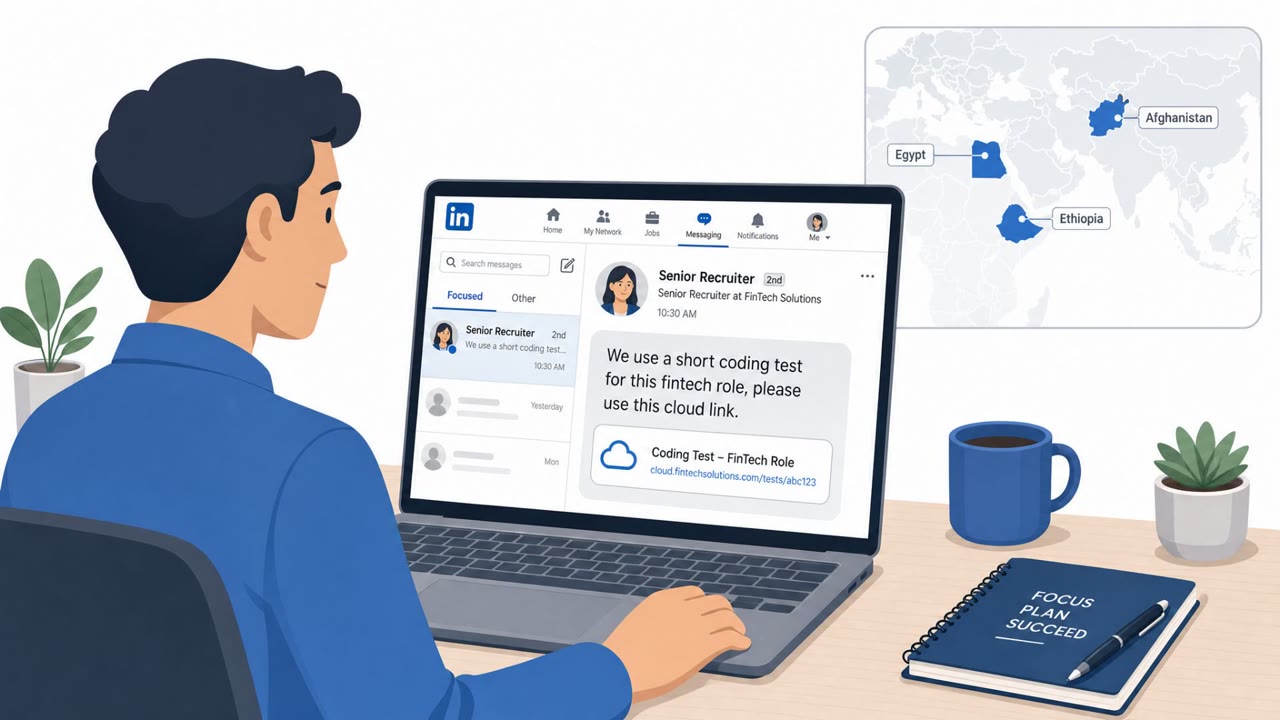
This weekly threat bulletin includes real-world campaigns where attackers impersonate recruiters and use fake hiring steps to trick people into running malicious files. One campaign uses fake LinkedIn coding tests delivered via cloud links, and another uses fake job interviews with trojanized macOS…

September 7, 2026
Smishing Kit Rebounds After Major Takedown

Smishing Kit Rebounds After Major Takedown

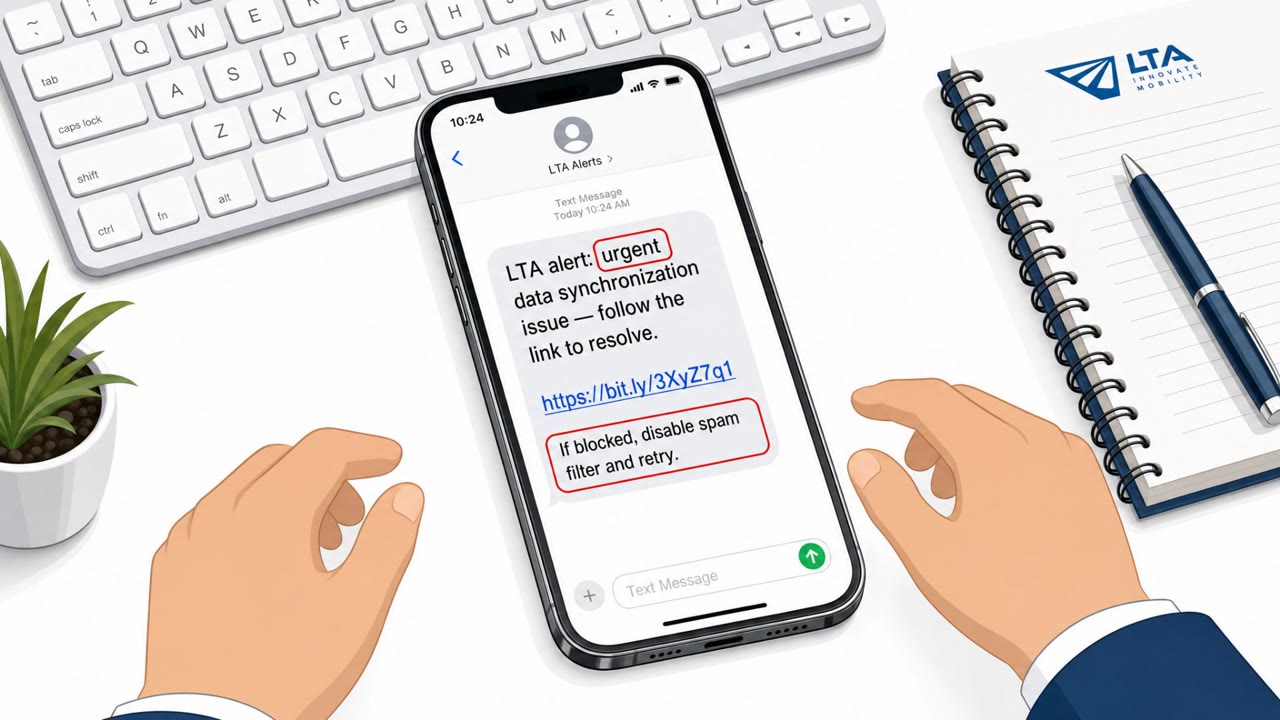
Researchers say a “phishing-as-a-service” kit called Outsider kept generating new scam pages even after a major law-enforcement and industry takedown. The kit supports SMS-based lures that impersonate trusted brands and can capture payment details and MFA codes in real time using…

September 3, 2026
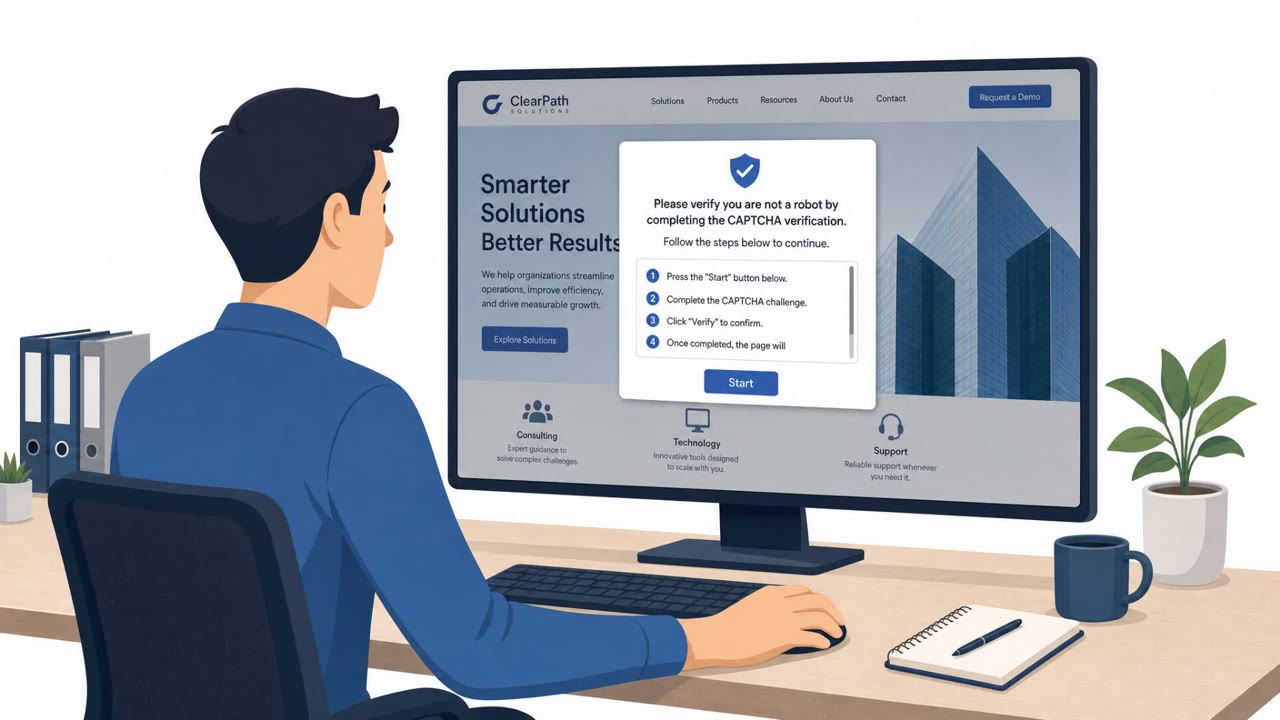
Fake CAPTCHA “Fix” Tricks Users Into Running Malware

Fake CAPTCHA “Fix” Tricks Users Into Running Malware

Multiple real-world intrusions used a ClickFix-style lure where victims visiting compromised websites saw fake CAPTCHA prompts and were tricked into running a command themselves. Separately, attackers also abused the legitimate, signed Node.js runtime (node.exe) to run malicious JavaScript while…

September 3, 2026
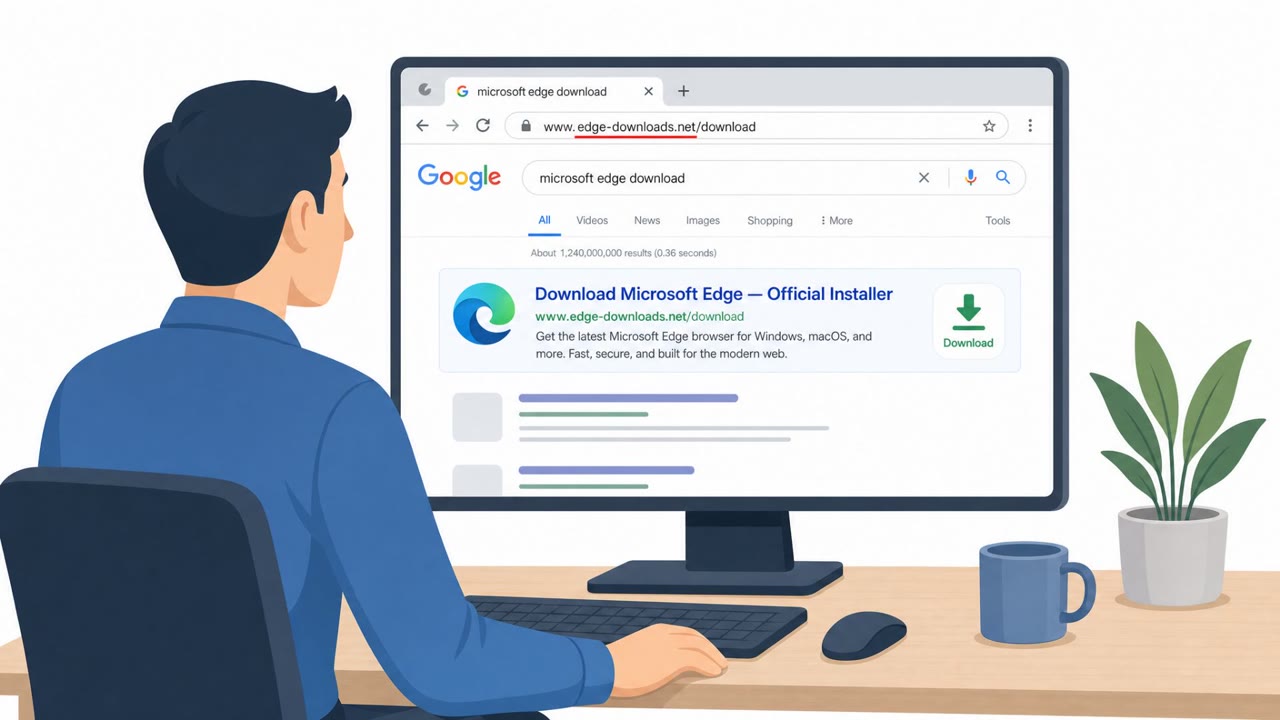
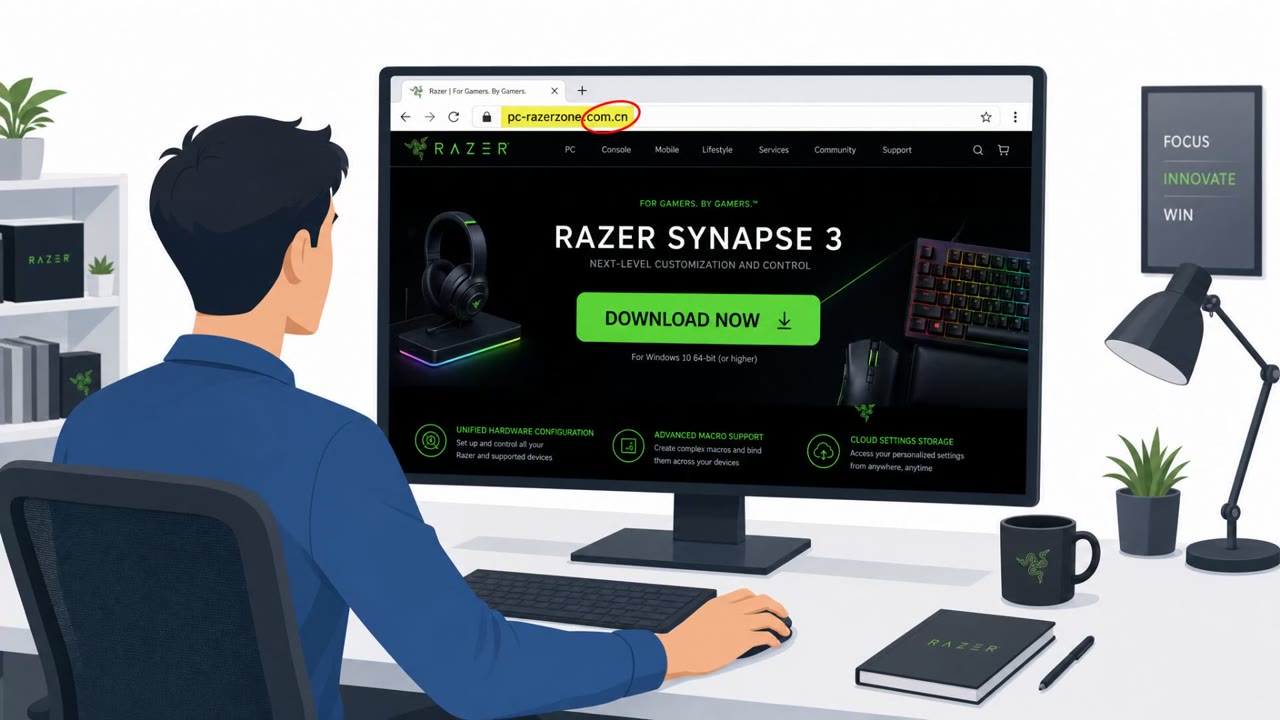
Fake Download Sites Push Trojanized Installers

Fake Download Sites Push Trojanized Installers

Microsoft reports a real campaign where attackers set up look-alike software download websites (impersonating known brands) to trick employees into installing trojanized “installers.” Once run, the malware persists on the device, weakens security settings, and connects to attacker-controlled…

September 3, 2026
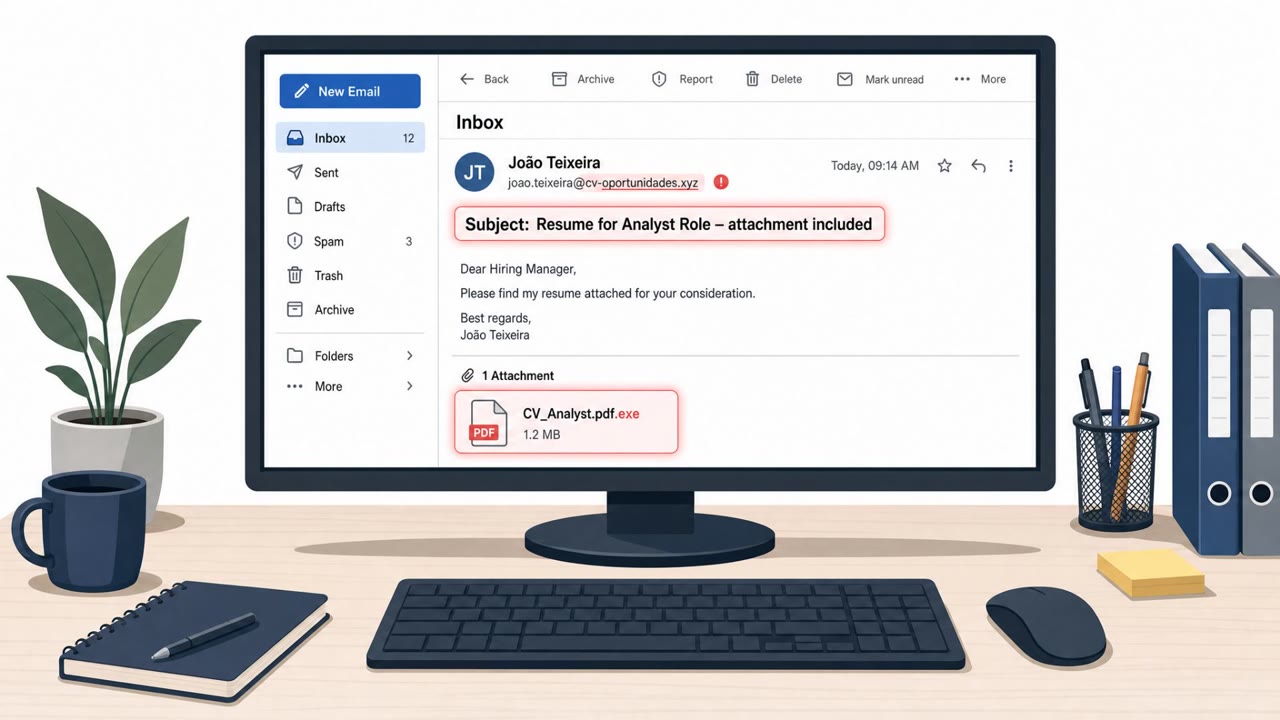
Resume Phish Hit Brazil Banks; AI Aided Ops

Resume Phish Hit Brazil Banks; AI Aided Ops

Two real, ongoing intrusion campaigns targeted organizations in Latin America, including a Mexican transportation organization and Brazil’s financial sector. In the Brazil campaign, attackers reportedly got in via a resume-themed phishing attachment, then attempted to download and run tunneling…

September 3, 2026
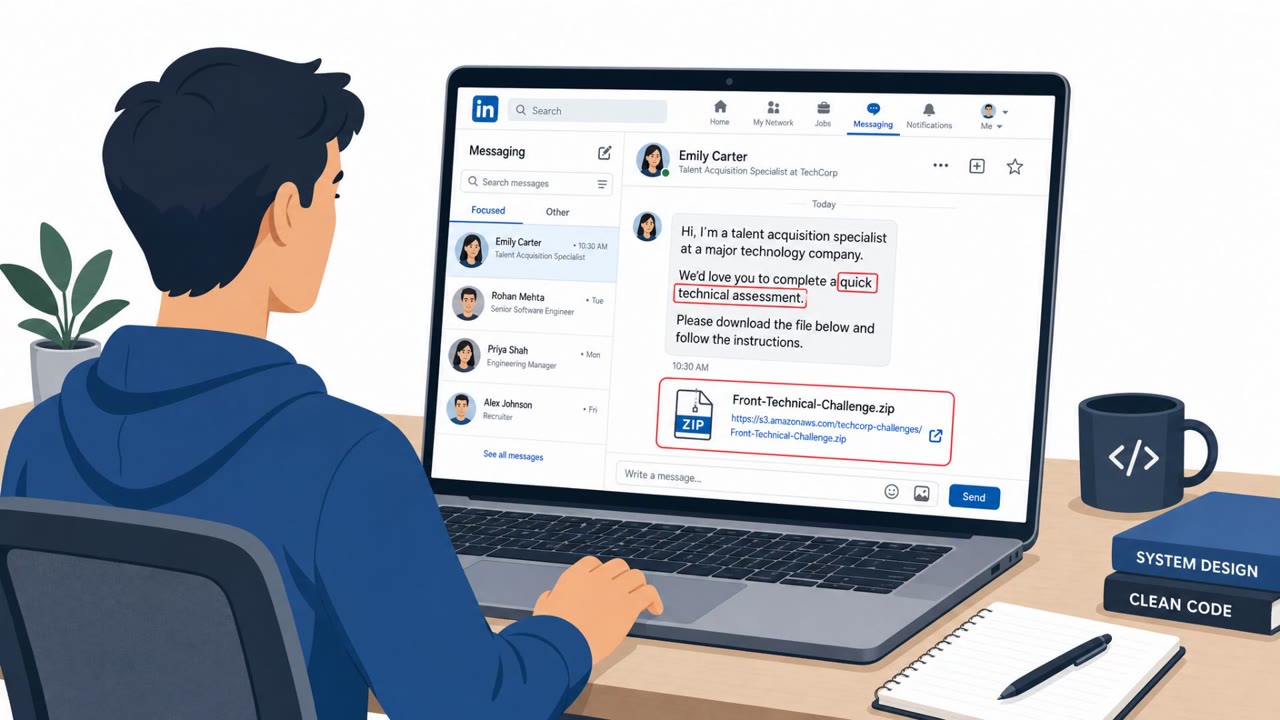
Fake LinkedIn Coding Tests Deliver Mirage Kitten Malware

Fake LinkedIn Coding Tests Deliver Mirage Kitten Malware

Kaspersky reported that Iran-linked APT Mirage Kitten approached software engineers on LinkedIn using fake recruiter personas and sent “coding challenges” that were actually trojanized projects. The lure used legitimate-looking cloud hosting (Amazon S3) and even instructed victims not to use AI…

September 2, 2026
Fake Recruiters & Cloud Email Fuel New Phishing

Fake Recruiters & Cloud Email Fuel New Phishing

This roundup describes real-world social engineering where attackers impersonate recruiters on LinkedIn and lure developers into running “coding tests” that install malware. It also outlines active phishing campaigns that abuse trusted cloud services (Google, AWS, Azure, Cloudflare) to send…

September 2, 2026
Fake Download Sites Push Malware Installers

Fake Download Sites Push Malware Installers

Microsoft reports an active campaign where attackers set up counterfeit software download pages that mimic well-known brands and trick users into installing malware. Victims visit a look-alike vendor site, click “Download now,” then run a bundled installer that drops persistent malware and connects…

September 2, 2026
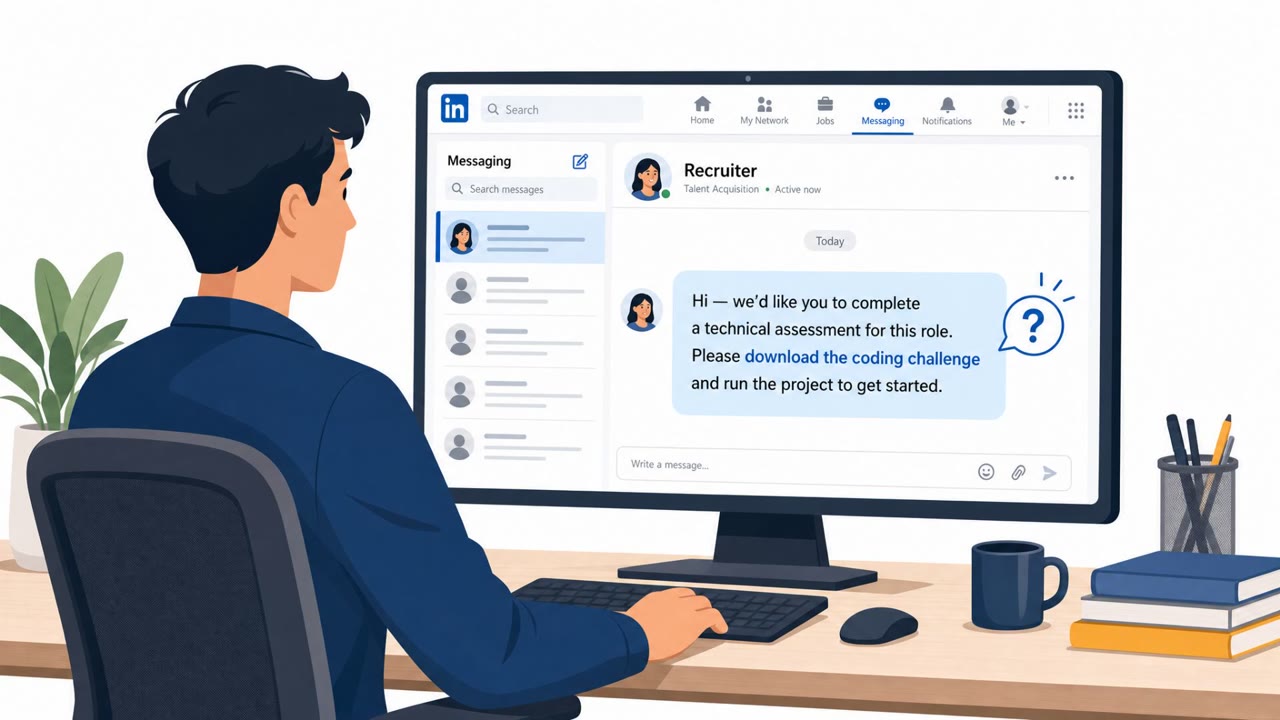
Fake Recruiters Lure Devs Into Malware “Coding Tests”

Fake Recruiters Lure Devs Into Malware “Coding Tests”

An Iran-linked espionage group contacted developers and other tech specialists with fake job offers on LinkedIn and similar platforms. Victims were pushed to quickly download and run “coding challenges” that secretly installed new malware, giving attackers remote access and long-term persistence.…

September 1, 2026
Fake Recruiter Lure Drops NodeRabbit RAT

Fake Recruiter Lure Drops NodeRabbit RAT

Researchers tied Mirage Kitten to a job-recruiting scam that targets developers via LinkedIn and job platforms. Victims are sent a “technical assessment” ZIP file hosted on legitimate cloud storage; running the project silently installs a remote-access trojan (NodeRabbit) that lets attackers…

September 1, 2026
Vishing + Phishing Drive Major Data Theft Claims

Vishing + Phishing Drive Major Data Theft Claims

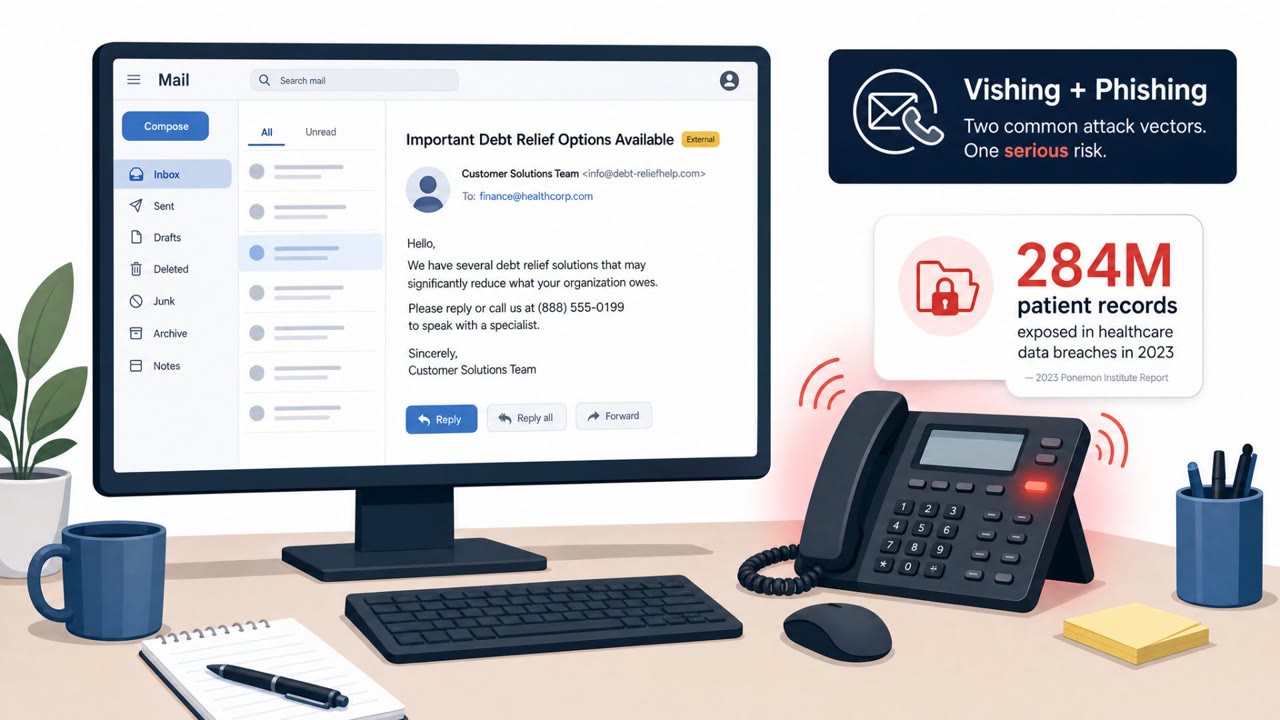
This weekly threat bulletin highlights multiple real-world incidents, including a healthcare data breach claim where attackers reportedly used phone-based social engineering (vishing) to compromise identity accounts and access cloud apps. It also describes a large-scale “debt relief” email phishing…

August 31, 2026
Fake Recruiters Steal Corporate Logins on Mobile

Fake Recruiters Steal Corporate Logins on Mobile

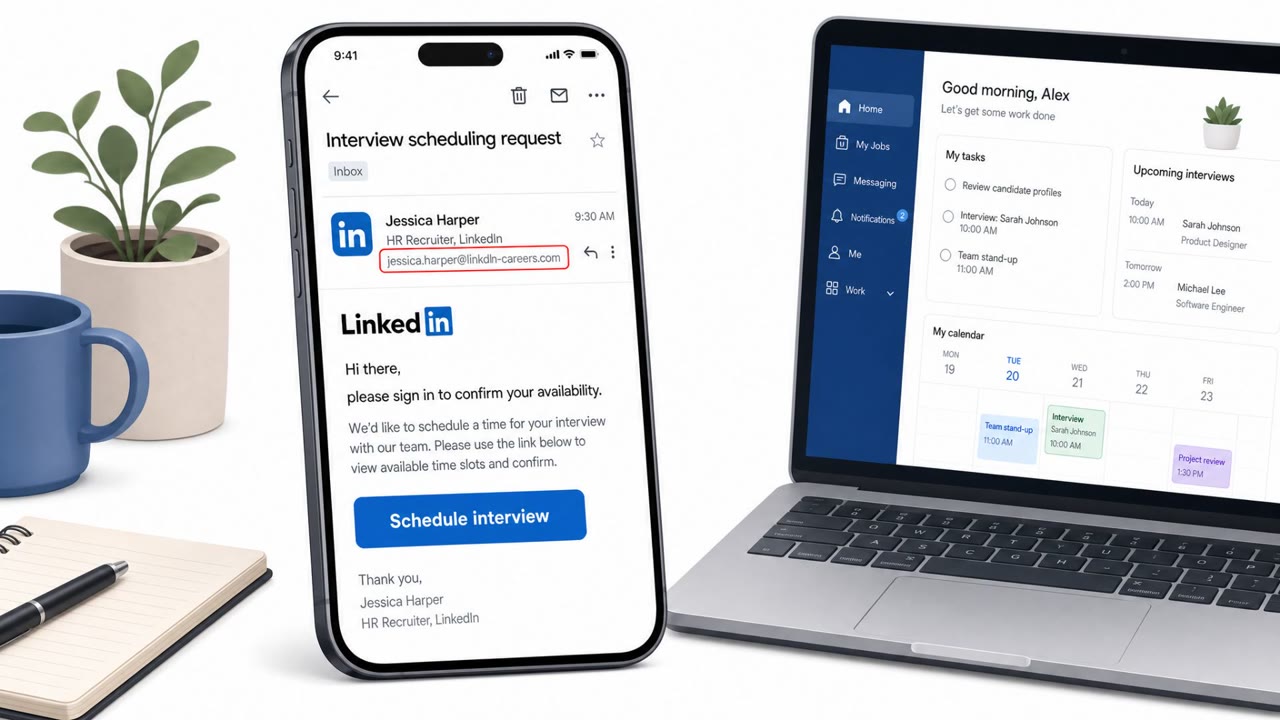
Scammers posing as HR staff at major brands are luring targets into an interview “scheduling” flow that ultimately steals corporate passwords on mobile devices. The campaign uses a browser-in-the-browser style approach (or a full-screen fake login on phones) and even blocks personal email logins to…

August 26, 2026
Fake Recruiters Steal Enterprise Logins on Mobile

Fake Recruiters Steal Enterprise Logins on Mobile

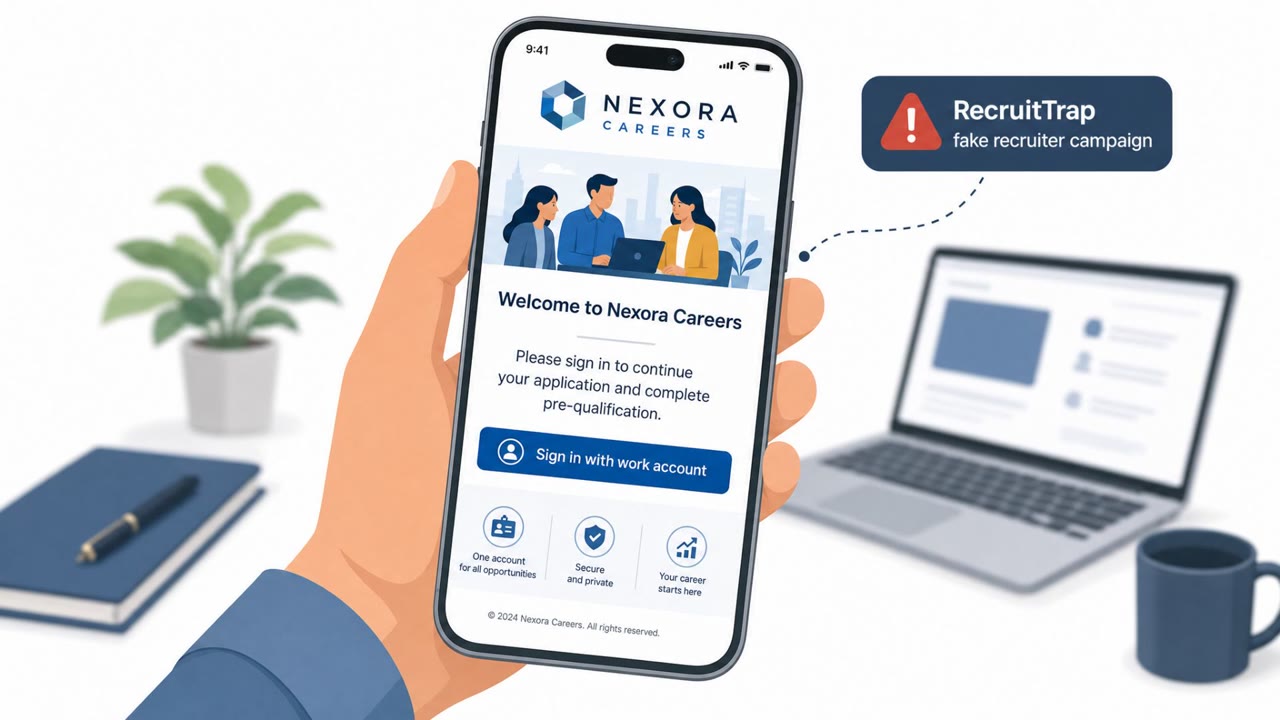
A real “fake recruiter” phishing campaign (tracked as RecruitTrap) is targeting employees’ corporate credentials, especially on mobile devices. The scam uses lookalike recruitment domains and full-screen fake login pages that hide browser cues, and it rejects personal email addresses to focus on…

August 25, 2026
Notion Alerts Used to Steal Microsoft Tokens

Notion Alerts Used to Steal Microsoft Tokens

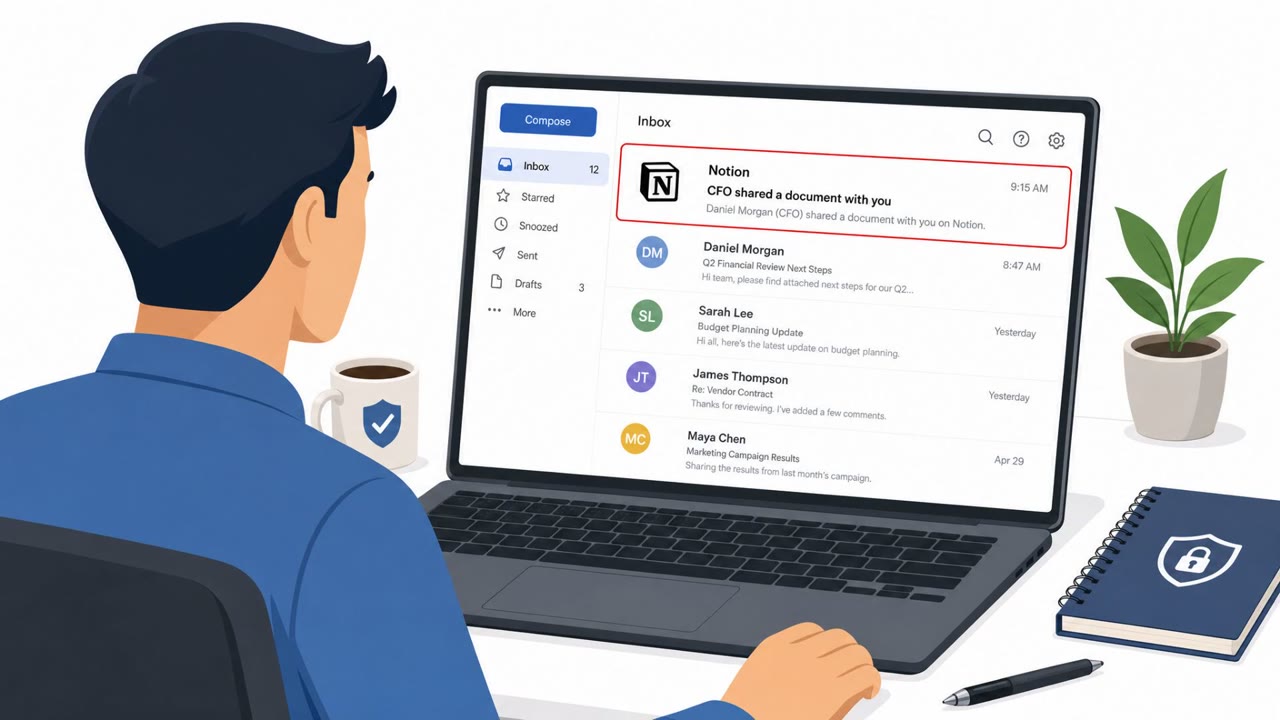
A financially motivated actor (“Doubloon Dredger”) abused legitimate Notion sharing notifications to trick employees into opening a PDF and completing a Microsoft device-code login flow. This allowed the attacker to harvest authentication tokens and access victim accounts without needing the…

August 24, 2026
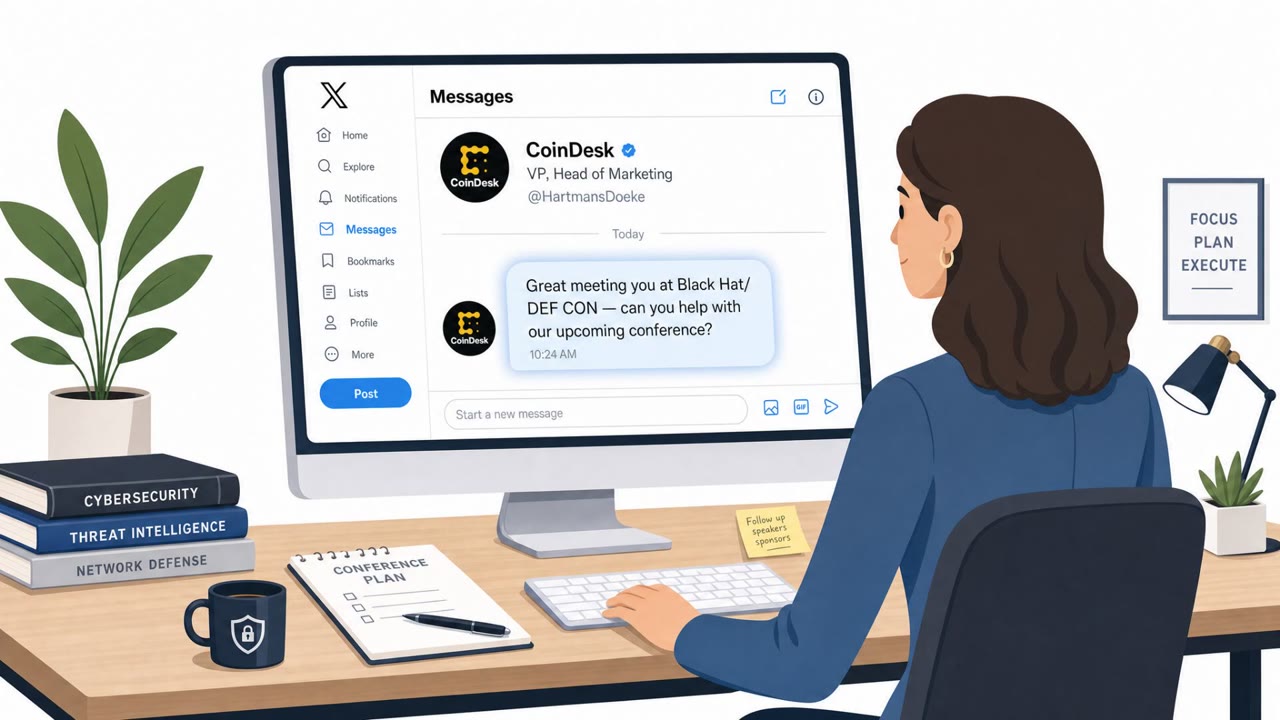
DEF CON Attendees Hit With Fake CoinDesk DMs

DEF CON Attendees Hit With Fake CoinDesk DMs

After Black Hat/DEF CON, cybercriminals allegedly targeted conference attendees by impersonating a CoinDesk executive over X direct messages. Victims were pushed into a realistic workflow using Google Docs and a fake Dropbox DocSend installer to trick them into running malware on macOS or Windows.

August 21, 2026
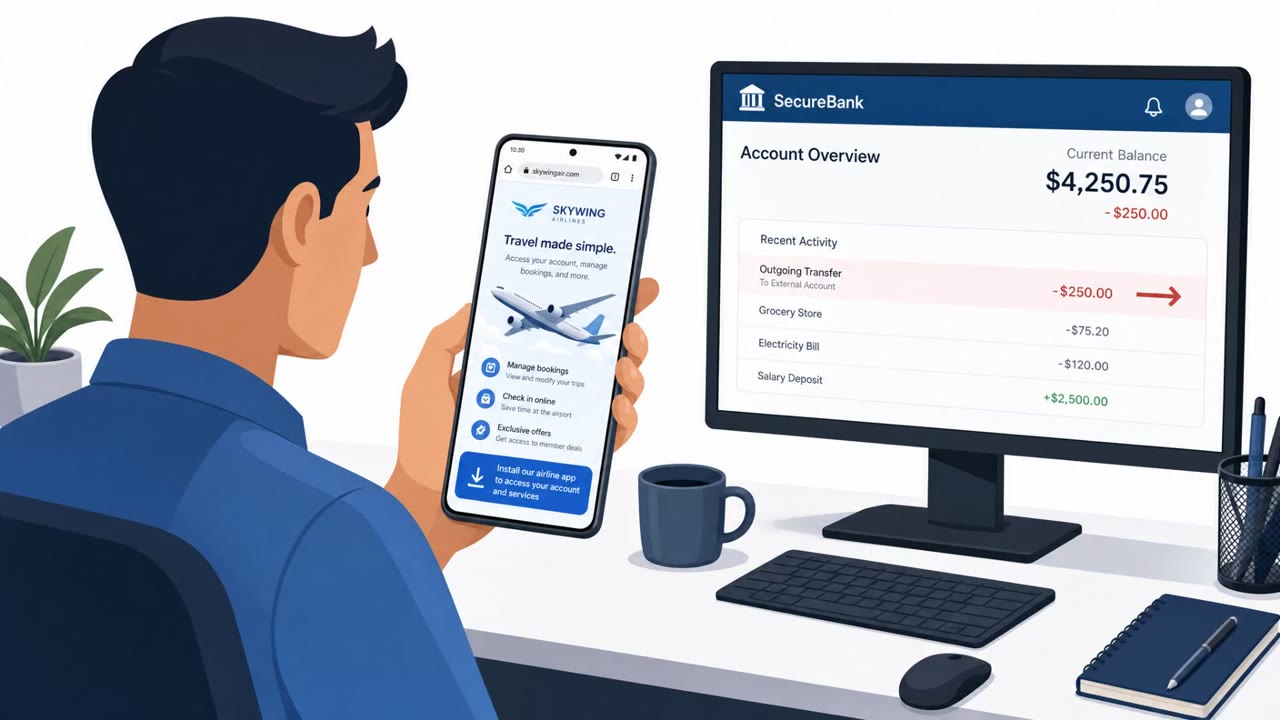
Fake Airline Apps Push Android Banking Fraud

Fake Airline Apps Push Android Banking Fraud

Researchers report two Android banking malware families (ToxicPanda 2.0 and GoldDigger) that rely on tricking people into installing malicious apps and granting powerful permissions. GoldDigger campaigns impersonate airlines and shopping retailers and then abuse Android Accessibility to take over…

August 20, 2026
Try Mirage

Mirage simulates attacks like these against your own team, live and safely, so you can measure how your people actually respond.

Get a demo