Recent Manufacturing Cyber Attacks

Attacks on manufacturers and industrial firms, where BEC and credential phishing open the door to ransomware and IP theft. Each entry is broken down with an original video explainer, key findings, and the red flags your team should watch for. How we produce these.

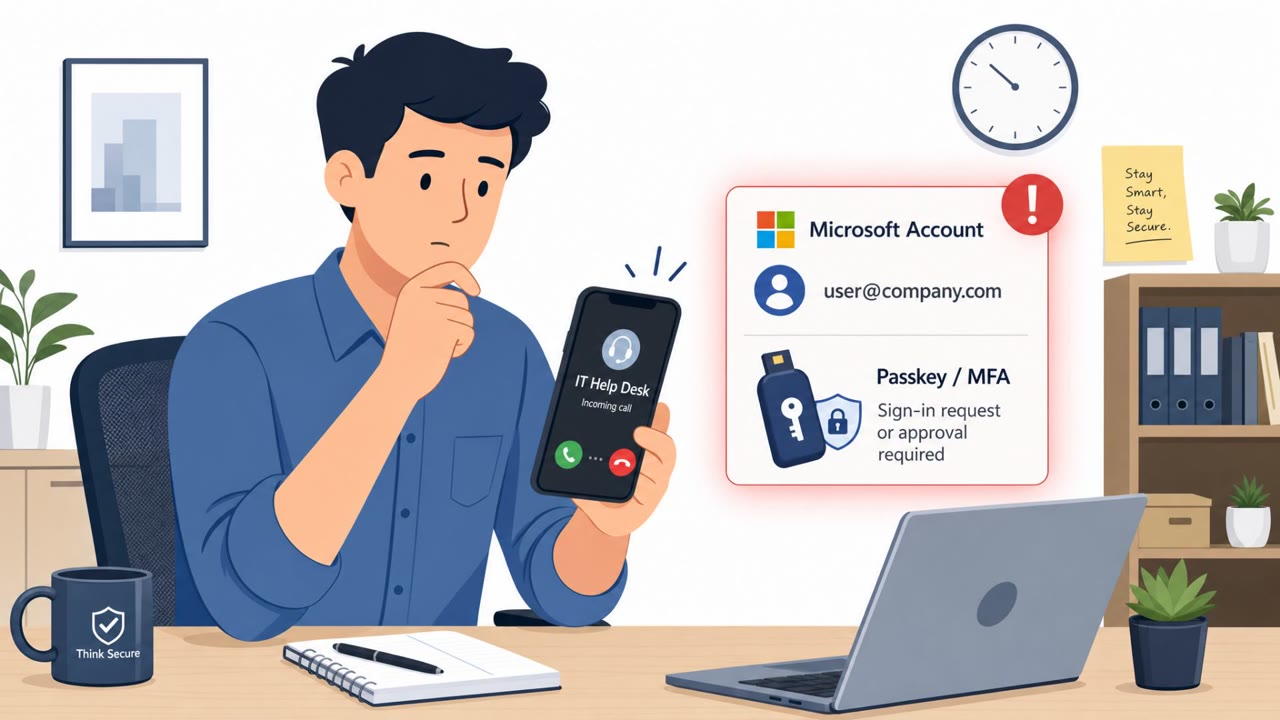
UNC6671 Vishing: Fake IT Passkey ‘Migration’ Scam

UNC6671 Vishing: Fake IT Passkey ‘Migration’ Scam

Google reports UNC6671 is still actively compromising organizations by calling employees and pretending to be IT helpdesk staff running an urgent security migration. Victims are pushed to visit lookalike login pages that steal passwords and MFA codes, which then enables data theft and extortion…

August 6, 2026
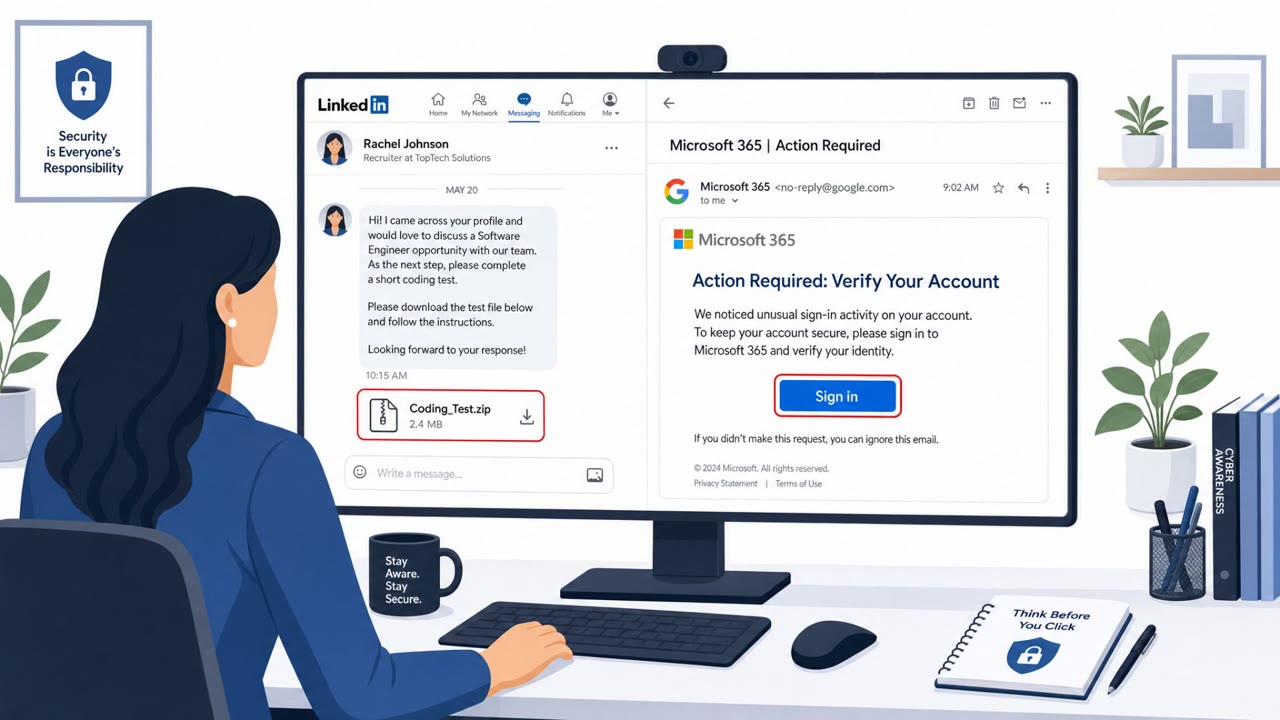
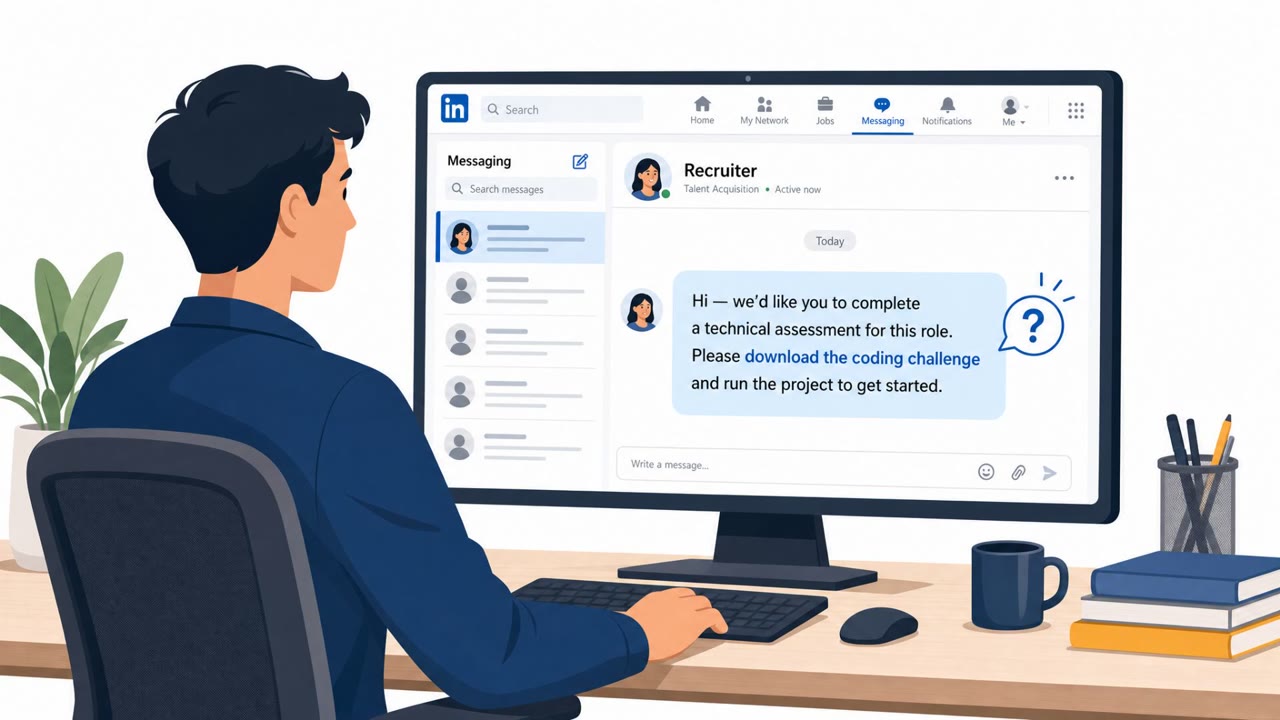
Fake Job Interviews Used to Breach 1,600 Firms

Fake Job Interviews Used to Breach 1,600 Firms

A researcher says North Korean operators used fake high-salary job offers to trick software developers into downloading an “interview test” program that installed malware. He reports evidence that 1,640 organizations across 57 countries were impacted, with hundreds suffering serious intrusions,…

August 6, 2026
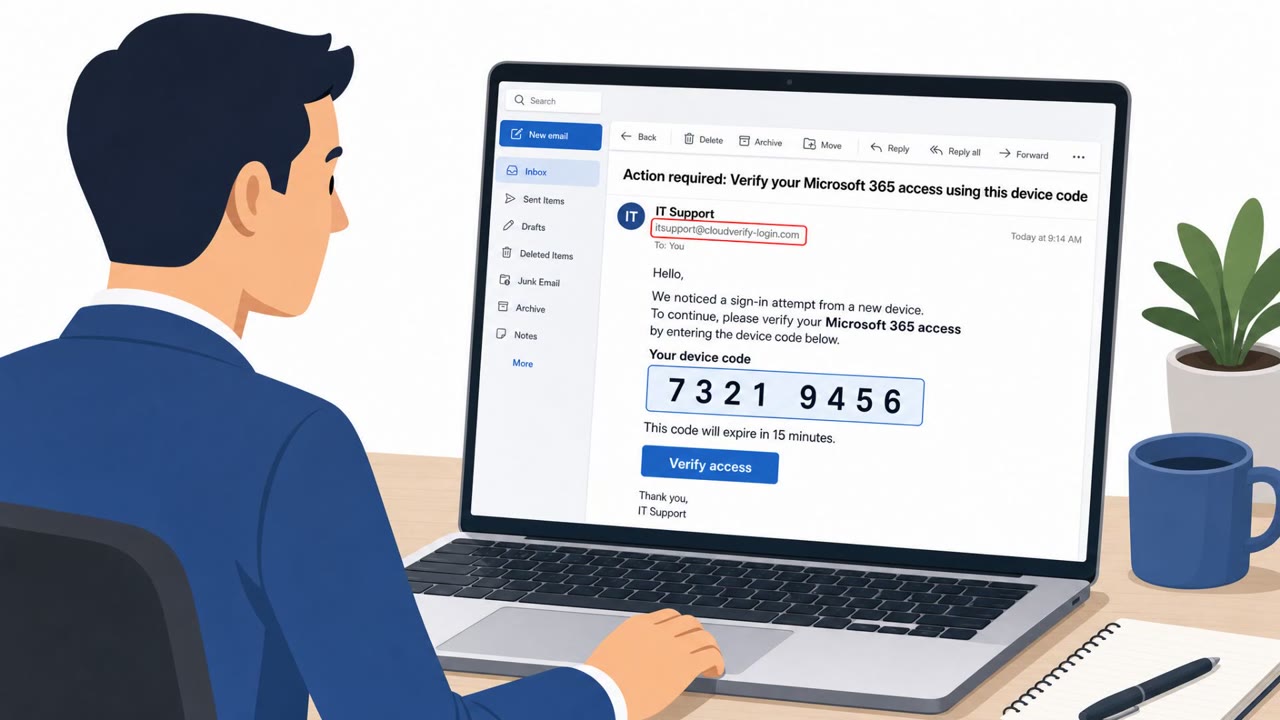
Kali365 Tricks Staff Into Approving Real Microsoft Logins

Kali365 Tricks Staff Into Approving Real Microsoft Logins

Kali365 is a phishing kit that abuses Microsoft’s real “device code” sign-in flow to trick employees into approving attacker-controlled login codes. Once a victim completes authentication on Microsoft’s legitimate page, attackers can receive access and refresh tokens that may grant ongoing access…

August 5, 2026
Kali365 Tricks Staff Into Approving Microsoft Access

Kali365 Tricks Staff Into Approving Microsoft Access

Researchers report Kali365 is actively targeting US organizations using “device code phishing” that sends victims through Microsoft’s real login flow. Instead of stealing passwords directly, the attacker gets OAuth access and refresh tokens after the user approves a code, enabling ongoing access to…

August 5, 2026
Korea Flags Job-Offer Phish + Watering Holes

Korea Flags Job-Offer Phish + Watering Holes

South Korean agencies warned that a state-backed hacking group is actively targeting citizens and businesses using job-themed phishing emails and “watering hole” attacks on legitimate websites. The phishing lures include fake job applicants sending resume links and impersonated recruiters sending…

July 31, 2026
Invoice Phish Leads to Resilient ValleyRAT

Invoice Phish Leads to Resilient ValleyRAT

A Japanese industrial manufacturer was targeted by the SilverFox group using an invoice-themed phishing email that kicked off a multi-stage malware chain. The campaign abused legitimate software and cloud services to load a malicious DLL, disable security tools, and establish remote access with…

July 31, 2026
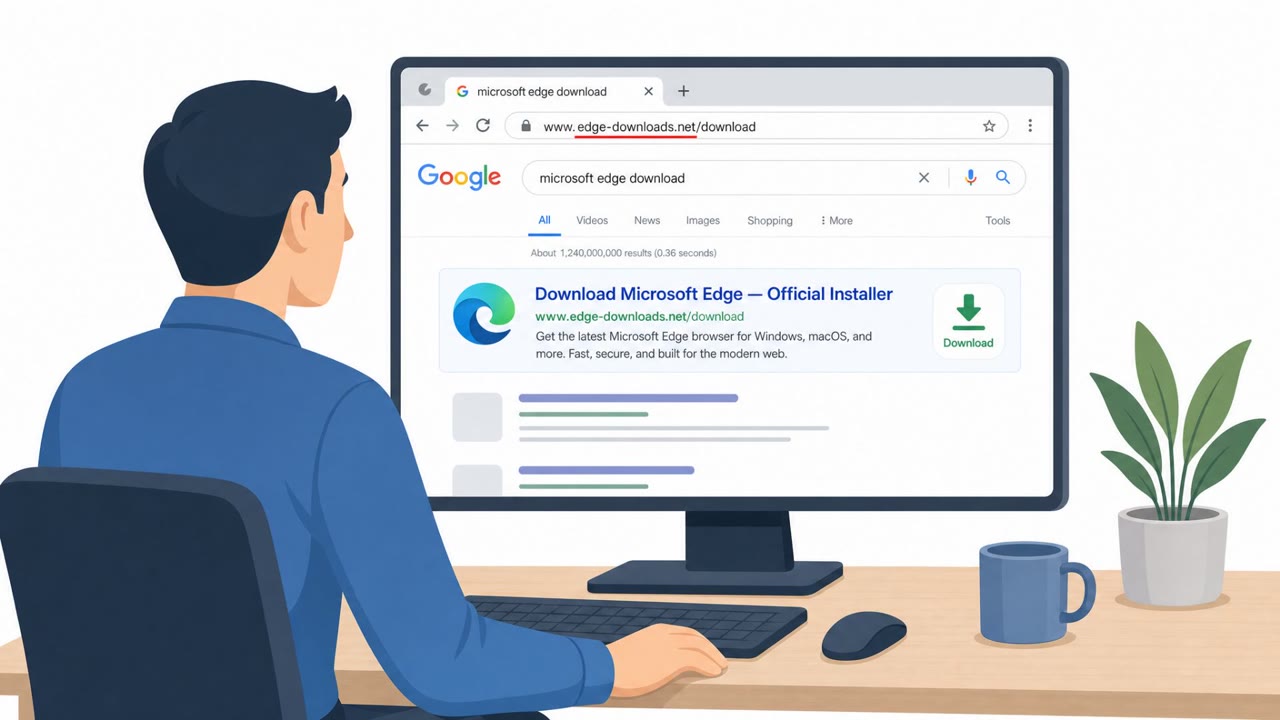
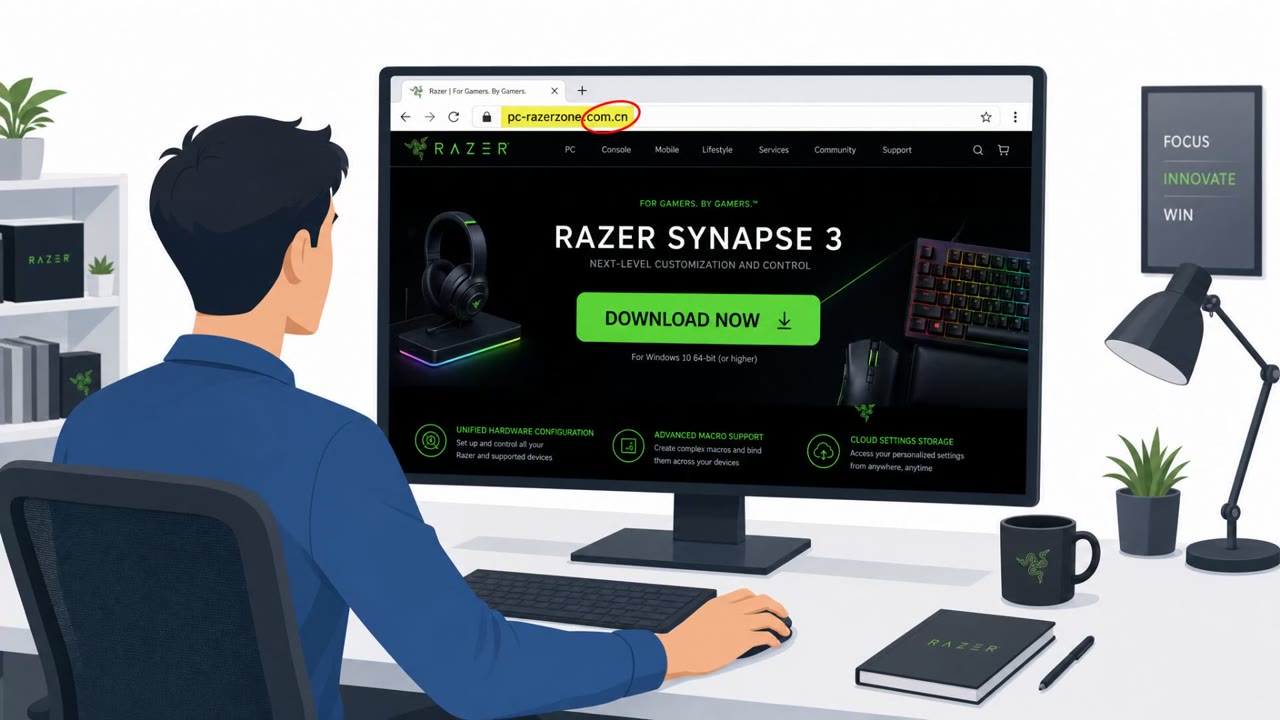
Fake Install Guides and Helpdesk Calls Drive Attacks

Fake Install Guides and Helpdesk Calls Drive Attacks

This bulletin describes multiple real-world social engineering campaigns where attackers trick people into trusting a familiar screen, like a search result “install guide,” a recruiter outreach, or a helpdesk phone call. The lures push victims to paste commands, install fake software, or reset MFA,…

July 30, 2026
Fake IT Support Hits Teams to Drop Ransomware

Fake IT Support Hits Teams to Drop Ransomware

Researchers reported a months-long campaign where attackers used Microsoft Teams chats/calls while pretending to be IT/help desk support. Victims were talked into starting remote-control sessions (Quick Assist or RemSupp), after which the attackers used PowerShell to maintain access and, in some…

July 30, 2026
Lazarus-Linked Lures Hit Korea via Surveys & Sites

Lazarus-Linked Lures Hit Korea via Surveys & Sites

South Korean agencies and AhnLab warn that tools tied to North Korea’s Lazarus Group appear to be shared with the Gunra ransomware operation targeting South Korean organizations. The campaign used compromised legitimate websites (watering-hole attacks) and spearphishing emails, including messages…

July 30, 2026
Teams HR Phish Used Real Microsoft Login Flow

Teams HR Phish Used Real Microsoft Login Flow

Attackers sent emails that looked like Microsoft Teams/HR notifications and pushed users through Microsoft’s real sign-in and OAuth consent screens. When victims approved the requested permissions, the attackers obtained an authorization token and could access Microsoft 365 data like Outlook,…

July 30, 2026
Half-Click OWA Emails Trigger Stealth Mailbox Takeover

Half-Click OWA Emails Trigger Stealth Mailbox Takeover

A Russia-aligned group (TA488) sent specially crafted emails that triggered malicious JavaScript simply by being viewed in Outlook Web Access (no link click or attachment needed). The implant (“OWAReaper”) can quietly change server-side mailbox permissions and abuse OAuth tokens, so attackers can…

July 30, 2026
“Half-Click” OWA Email Trap Spreads

“Half-Click” OWA Email Trap Spreads

Proofpoint reports a Russian-linked espionage group is using booby-trapped emails that infect users simply when they open the message in Outlook Web Access (OWA) on on‑premises Exchange. The attack runs malicious JavaScript inside the victim’s logged-in mail session and installs a stealthy…

July 30, 2026
Invoice Phish Drops ValleyRAT via BYOVD Drivers

Invoice Phish Drops ValleyRAT via BYOVD Drivers

Researchers reported a real campaign by the China-based Silver Fox group against a Japanese industrial manufacturer. The attack starts with an invoice-themed phishing message that leads victims to open a ZIP file, triggering a DLL sideloading chain and installing ValleyRAT for persistent remote…

July 30, 2026
Fake Resumes + Watering Holes Hit AnySign4PC Users

Fake Resumes + Watering Holes Hit AnySign4PC Users

A state-sponsored campaign in South Korea used spear-phishing and hacked “trusted” local websites to infect visitors who had vulnerable AnySign4PC installed. In some cases, simply visiting a compromised page triggered the exploit and installed SIGNBT or COPPERHEDGE backdoors without any download…

July 30, 2026
“No-Action” Emails Trigger OWA Mailbox Takeover

“No-Action” Emails Trigger OWA Mailbox Takeover

Russian-linked threat actors sent generic-looking informational emails that required no clicking, but simply opening them in vulnerable Outlook Web Access (OWA) could trigger a hidden exploit. The campaign targeted government and multiple industries, then installed a stealthy browser-based implant…

July 30, 2026
Laundry Bear Uses “Half-Click” OWA Email Exploit

Laundry Bear Uses “Half-Click” OWA Email Exploit

UK and US cyber authorities and Proofpoint reported a real campaign where the Russian-linked group “Laundry Bear” (TA488) sent emails that could infect victims simply by being opened in Outlook Web Access. The email’s HTML triggers the server to run attacker code, installing a mailbox-stealing…

July 29, 2026
TA488 Uses “Half-Click” OWA Emails to Persist

TA488 Uses “Half-Click” OWA Emails to Persist

Proofpoint reports a Russia-aligned espionage group (TA488) returned with a campaign that compromises on‑premises Outlook Web Access simply when a user opens an email in the reading pane. The attack uses a cross-site scripting flaw to run hidden JavaScript, install a browser-resident implant, and…

July 29, 2026
Clone Websites Trick Firms Into Paying Fake Invoices

Clone Websites Trick Firms Into Paying Fake Invoices

Researchers described a long-running fraud campaign where criminals clone real Russian company websites and replace contact and bank details to intercept international business deals. Victims are lured through cold calls, phishing emails, and fake supplier websites, then sent realistic contracts…

July 29, 2026
Fake IT Support Calls in Teams Lead to Ransomware

Fake IT Support Calls in Teams Lead to Ransomware

Sophos reports a real Microsoft Teams voice-phishing campaign where attackers pretended to be IT support to convince employees to start remote-access sessions. After gaining access, the attackers ran commands to download malware and in several cases deployed Chaos ransomware within hours. The…

July 29, 2026
QR-PDF Phishing Hits M365, MFA Bypass Surges

QR-PDF Phishing Hits M365, MFA Bypass Surges

Cisco Talos Incident Response reports that phishing drove initial access in over half of Q2 2026 cases, often using QR codes in PDF attachments and trusted cloud hosting to evade email defenses. Attackers frequently bypassed multi-factor authentication using adversary-in-the-middle proxies,…

July 28, 2026
Try Mirage

Mirage simulates attacks like these against your own team, live and safely, so you can measure how your people actually respond.

Get a demo